
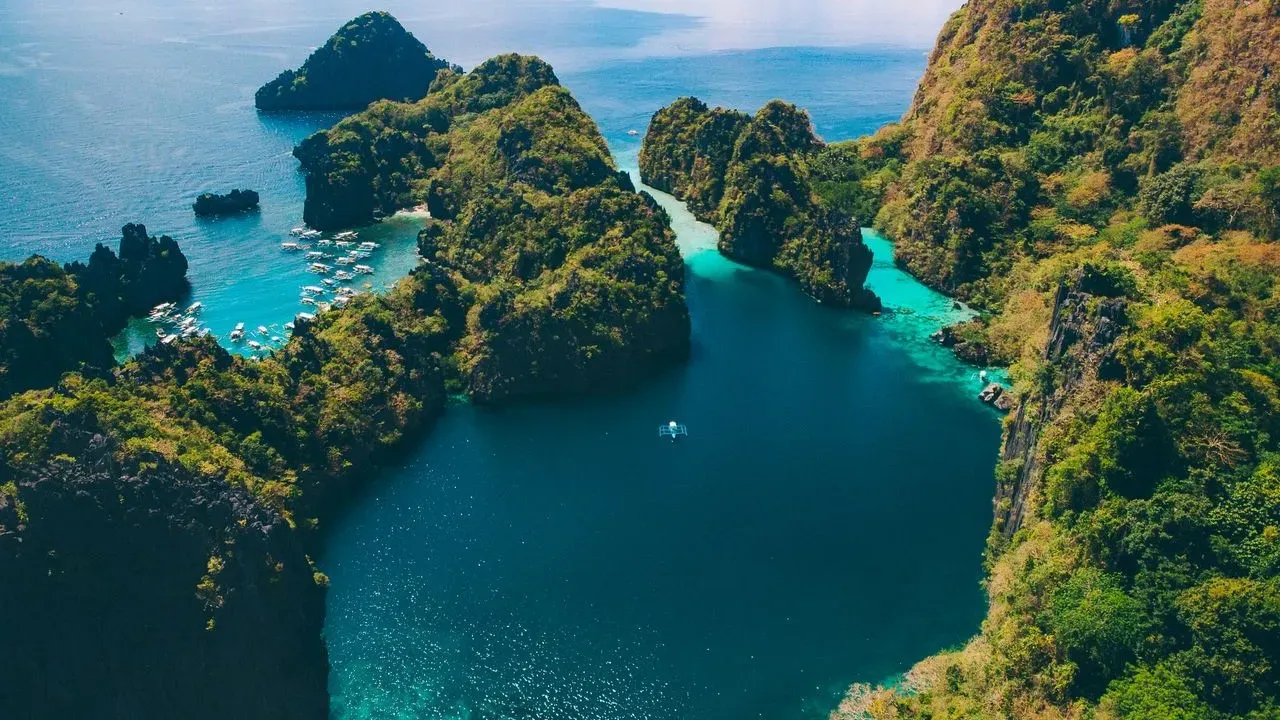

Travelers planning a boat day among Coron’s limestone cliffs and clear lagoons will find that the trip now starts at a different airport. Direct flights from Manila to Busuanga, the island airport that serves Coron, no longer operate. A recent ([1])travel guide covers the new routes, island-hopping costs and a four-day plan, and the transport details matter for anyone building an itinerary around the water.
Where the flights now leave from
The shift came from a directive that pulled turboprop aircraft out of Ninoy Aquino International Airport in Manila. The Manila Slot Coordination Committee, under the Department of Transportation, ordered all turboprop aircraft out of the Manila hub. Airlines serving the island routes moved their operations, and the change took effect on March 29, 2026 (all Cebgo and AirSWIFT services moved from NAIA to Clark) ([2]).
For Coron, the practical result is that the Manila connection has been replaced by an airport in Pampanga or a connection through Cebu. Travel times to Clark vary by source. One guide estimates the road trip from Manila at 3-4 hours ([3]), while another describes the trip as an extra two-hour drive or a P2P bus ride to Pampanga ([4]). Travelers should allow for the longer end of that range when booking early morning departures.
Choosing a route into Coron
Most routes now fall into three main options, each suited to a different starting point. The timings below come from a single travel guide, so schedules should be checked directly with the airlines before booking.
- Clark to Busuanga (USU), roughly 1h 10m in the air, plus about 2 hours to reach Clark, which suits most travelers coming through Manila ([5]).
- Cebu to Busuanga (USU), about 1h 20m, a good fit for anyone already in the Visayas ([5]).
- From El Nido, a fast ferry takes about 3.5 to 4 hours, and a flight takes around 40 minutes ([5]).
Some operators still hope for a return to Manila service. A Coron dive operator has said that flights from Manila could become available once the airport expansion in Busuanga is completed, allowing jet planes to land on the island ([6]). That expansion has not been confirmed as finished, so the current routes remain the ones to plan around.
Who manages the lagoons, and what the fees support
Island hopping in Coron takes place on ancestral waters. Coron Island is the ancestral domain of the Tagbanua, its indigenous people, who manage its lakes and lagoons and collect the entrance fees. ([7]) Visitors who pay those fees are contributing directly to the community that looks after the sites.
The fee structure has several layers, and the amounts reported across sources differ slightly. A municipal fee is collected on arrival, and a separate charge applies at each lagoon. The figures below are the most consistently reported:
- The municipal environmental fee was PHP 200 for adults and PHP 150 for minors, as stated by the Coron mayor in 2023 ([8]). Some current guides list a range of PHP 200 to 300.
- Kayangan Lake: PHP 300. Twin Lagoon and Barracuda Lake: PHP 200 each ([9]).
- Shared tour prices vary by operator. One booking platform listed shared day tours from PHP 1,900 (about US$30) as of 16 November 2026 ([9]).
Tour prices also differ in what they cover. Shared tour prices usually include the boat, the guide, a life jacket, drinking water, lunch and the entrance fees for each stop. ([7]) Even so, some agencies leave out the environmental fees, so check what’s included when you book. ([7])
Making the day on the water count
A good island-hopping day in Coron is shaped as much by pacing as by the sites themselves. Kayangan Lake is the most famous stop, and it draws steady numbers of visitors, so an early start helps. Tours that include Twin Lagoon, Barracuda Lake, and a reef or coral garden spread visitors across several places rather than concentrating them at one shoreline.
Responsible choices begin before the boat leaves the dock. Ask the operator which fees are included, keep small amounts of cash for the airport and lagoon payments, and follow the guide’s instructions at each lagoon. Those simple habits help protect the lakes that the Tagbanua community manages, and they support the local boat crews and guides who make the day work.
Coron’s appeal has not changed with the new flight pattern. The change mainly affects the first leg of the journey, and the limestone islands, lagoons and reefs remain the reason travelers make the trip. For now, the most useful step is to confirm the flight schedule, budget for the fees, and book with an operator that is clear about what it includes.
AI Disclaimer: This article was created with the assistance of AI tools and reviewed by a human editor.