
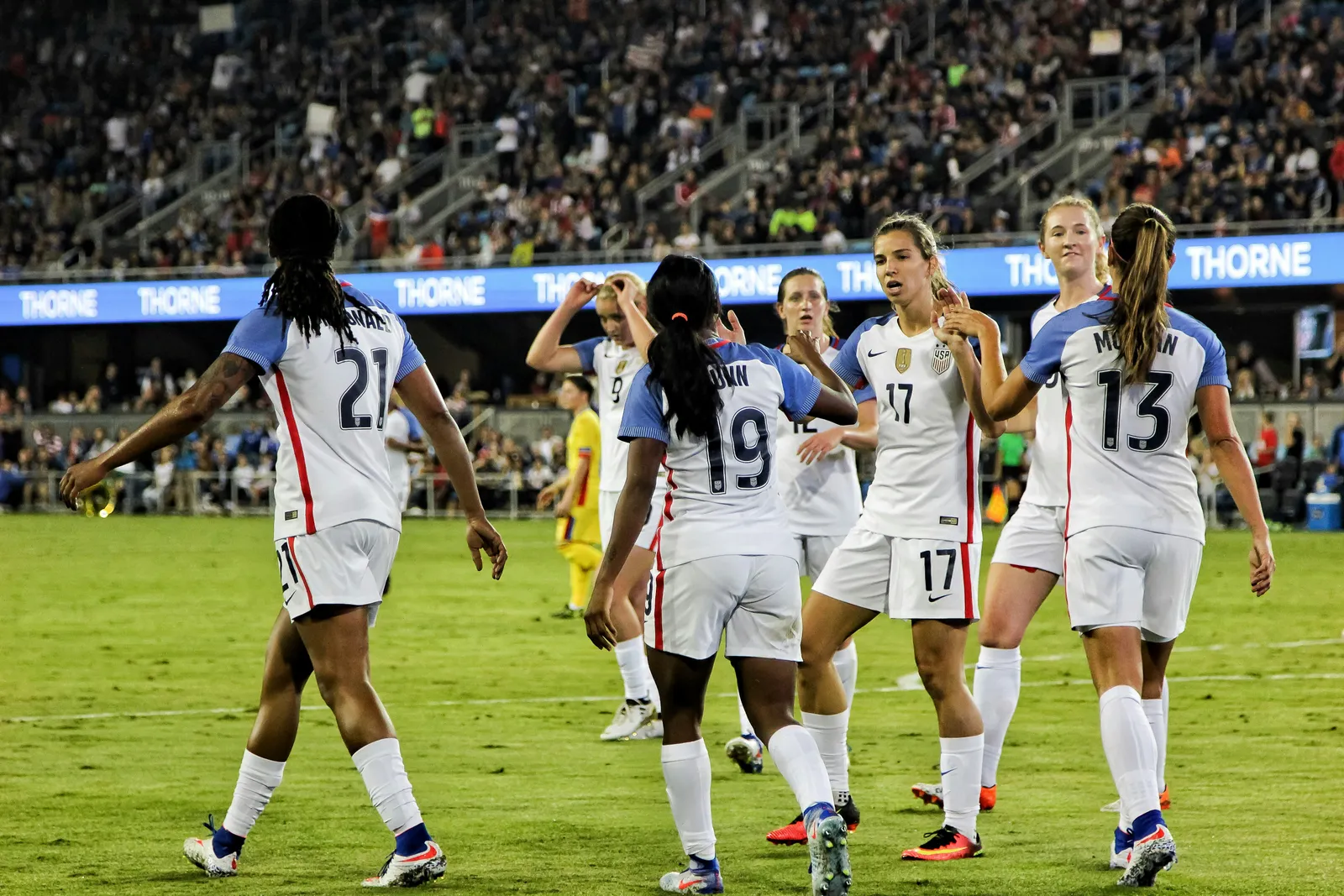

The United States men’s national team delivered a convincing performance against Paraguay that drew the largest audience yet for a match of this kind. Players viewed the result not merely as a single victory but as an early step toward building broader interest in the sport ahead of the 2026 FIFA World Cup. With the United States serving as a primary host nation, the atmosphere underscored the potential for memorable fan experiences during the upcoming tournament.
A Grounded Opening to Tournament Preparations
The match unfolded before a record-setting crowd that filled the venue to capacity and created an environment distinct from typical international fixtures. Goals scored in that setting gave the team tangible evidence that on-field results can translate into greater public engagement. Team members noted that such moments carry added weight because the 2026 tournament will place the United States at the center of global attention for soccer. This early success arrives at a time when organizers are working to expand the sport’s reach across multiple host cities. The presence of a large, energized audience demonstrated that domestic interest can grow quickly when the national team performs well. Stakeholders ranging from local tourism boards to national soccer federations stand to benefit from sustained momentum generated by these kinds of results.
Connecting On-Field Results to Broader Fan Engagement
USMNT participants described the win as the beginning of a longer effort to draw new supporters into the sport. They emphasized that consistent performances in front of substantial crowds help fulfill an obligation to elevate soccer’s profile during the tournament cycle. The record attendance provided immediate feedback that the strategy of combining competitive play with accessible matchday experiences is gaining traction. For fans planning travel to 2026 matches, the scene offered a preview of what to expect when the full tournament arrives. Large gatherings create opportunities for shared celebrations, local exploration, and extended stays in host regions. The practical outcome is increased visibility for destinations that will welcome international visitors alongside domestic supporters.
Practical Effects for Stakeholders and Travel Planning
Local businesses near the venue reported heightened activity tied directly to the match, illustrating how soccer events can stimulate short-term economic activity. National team officials see these outcomes as part of a timeline that stretches through the 2026 competition and beyond. Affected parties include city governments responsible for infrastructure, tourism agencies promoting packages, and fans weighing ticket and travel decisions. The win also highlighted the role of the United States as co-host alongside Canada and Mexico. Organizers have stressed that strong early signals of interest help justify investments in fan zones, transportation links, and hospitality options. When attendance figures reach new highs, the data supports continued planning for larger-scale operations during the actual World Cup.
What Matters Now for Attendees and Organizers
The performance reinforced that competitive results and crowd energy reinforce each other. Players remain focused on maintaining that connection through upcoming fixtures. For those considering travel, the recent match serves as a concrete example of the atmosphere that could define many 2026 venues. Key points for those following developments include:
– Record attendance demonstrates measurable growth in domestic interest.
– USMNT members view the result as an obligation to sustain momentum.
– Host-nation status amplifies opportunities for distinctive fan experiences.
– Early successes inform logistics and marketing decisions still ahead. The 2026 World Cup will test whether this initial enthusiasm can be converted into lasting engagement across the full schedule of matches.
AI Disclaimer: This article was created with the assistance of AI tools and reviewed by a human editor.