

Most people picture adventure as something that happens far from a city. A roaring river, a mountain ridge, a route that demands everything you have just to stay on course. Yet every weekday morning, millions of people stand in front of a transit map crammed with colored lines, overlapping nodes, and cryptic abbreviations, and their nervous systems respond in ways that would look familiar to a whitewater paddler. The parallel is less poetic than it is neurological.
Somewhere between the adrenaline of a missed transfer and the quiet triumph of finding the right exit, urban navigation is quietly doing something remarkable. It is stretching the brain in ways that matter, demanding split-second decisions under real pressure, and occasionally delivering the kind of focused clarity that athletes call flow.
When the Map Is Already Too Much
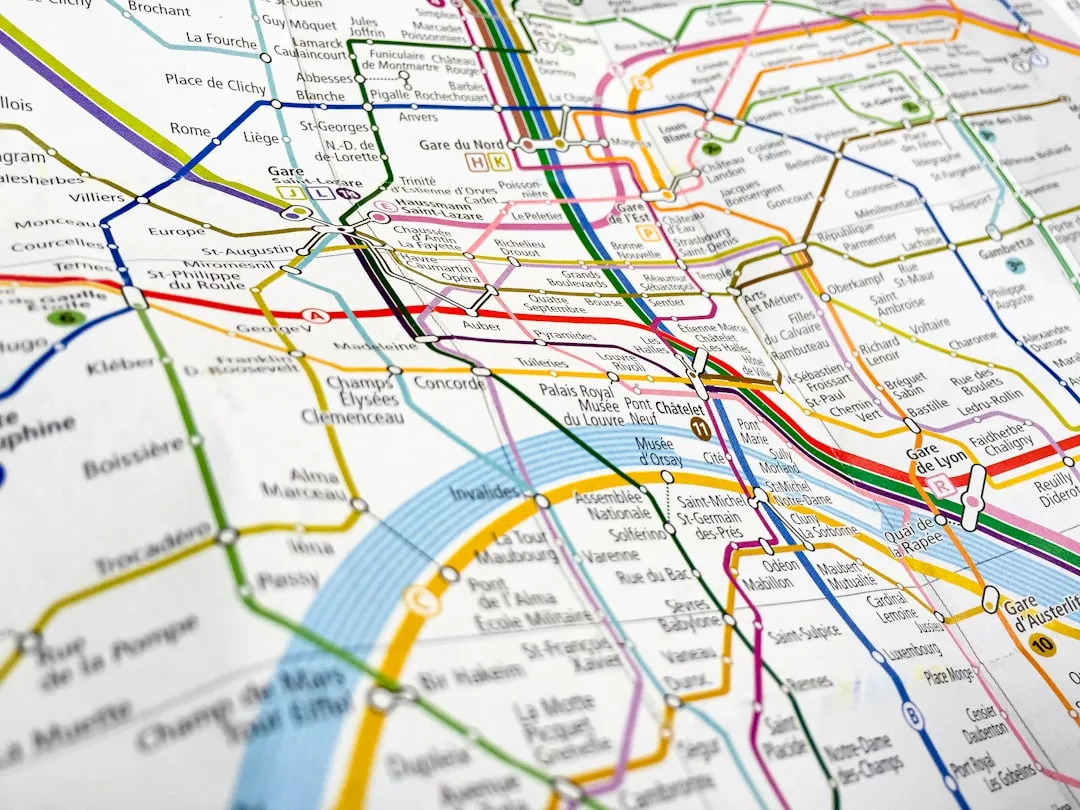
Research led by mathematicians from the University of Oxford examined the world’s 15 largest metropolitan transport networks, including New York, Paris, and Tokyo. They concluded that big city transportation networks have reached a level of complexity that exceeds our processing capability. The threshold they identified was sobering: for a map to be easily readable, it should not consist of more than 250 connection points, yet the largest systems blow well past that number.
In the blur of a busy subway station with time passing, the “pattern of eye fixations” change “to a random scattering of eye focus all over the map.” The researchers considered the most complex trip manageable for an untrained person to be paths with just four nodes, and they quantified this as 8 bits of information. Anything more and the cognitive machinery starts to buckle. That is not a metaphor. That is measurable overload in a tiled corridor underground.
The Body Keeps Score on the Platform
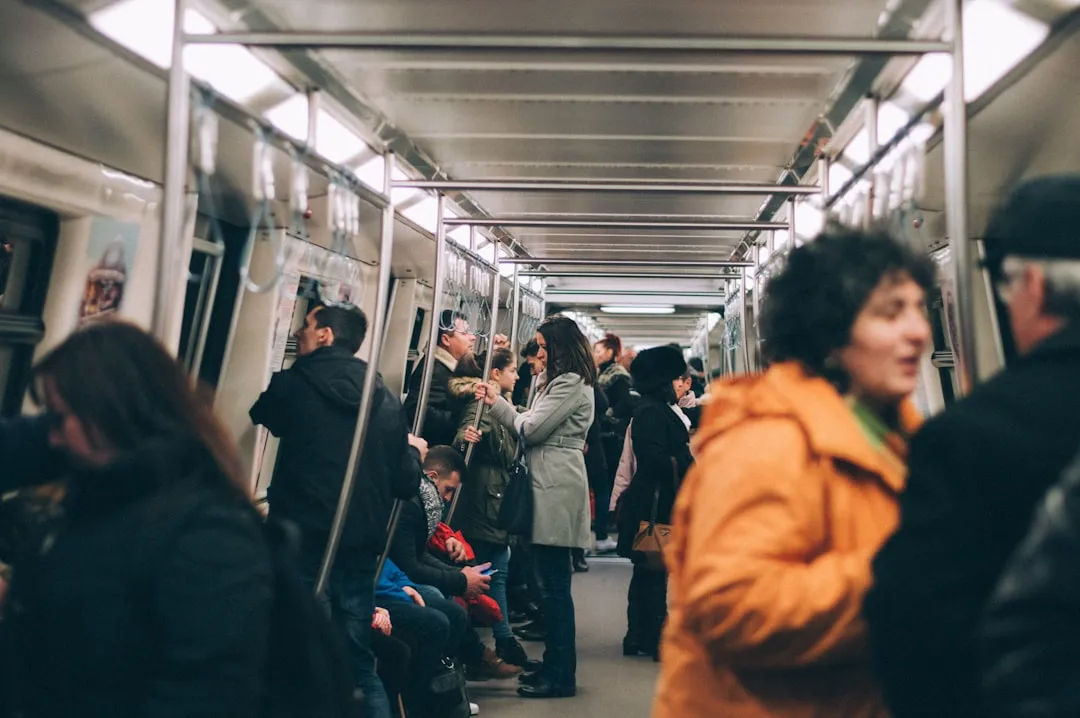
Urban commuters increasingly face chronic stress, a known risk factor for cardiovascular and mental health issues. The physical response is not subtle. Tight schedules, unpredictable traffic patterns, and crowded buses or trains all create pressure. Even before arriving at work, many people experience elevated heart rates, muscle tension, and increased irritability.
Research found that higher passenger density in train cars is associated with increased cortisol levels and elevated self-reported anxiety, with a moderate effect size. This indicates that crowding acts as a significant physiological and psychological stressor for commuters. Those are the same stress hormones that sharpen a kayaker’s focus before a drop. The difference is the setting, not the chemistry.
Cognitive Load and the Color-Coded Labyrinth
Cognitive load describes the mental cost of accomplishing task demands. Fluctuations of attentional state are modulated by cognitive load in a sense that an increase in cognitive load involves increased attentional processing. Map design and the level of complexity of maps might have an impact on cognitive load, and even influence how difficult a particular task can be.
A 2026 study published in ScienceDirect used physiological monitoring inside actual metro stations to understand what drives that load. Multi-level spatial structures and dense information environments in large-scale rail transit stations present cognitive challenges for passenger wayfinding. The study established a multimodal cognitive load assessment framework, integrating virtual reality experiments, physiological monitoring, and eye-tracking to examine how signage elements influence passengers’ cognitive processes. The brain, it turns out, is doing serious work just to get from level B2 to street level.
Stress Rewires How You Navigate

Participants who performed spatial planning tasks under experimentally induced acute psychological stress demonstrated disrupted neural activity critical for mnemonic retrieval and mental simulation, and showed reduced traversal of shortcuts, with greater reliance on familiar paths. These neural and behavioral changes were tied to disrupted neural replay of memory for future locations, providing insight into why stress can alter planning and foster inefficient behavior.
A 2024 study published in Scientific Reports confirmed that stress affects navigation strategies in immersive virtual reality. The finding reinforces what seasoned city navigators already know from experience: under pressure, the brain defaults to the known route, even when a smarter option exists. Anxiety and efficiency have a complicated relationship underground.
Time Pressure as a True Stressor

Route planning requires knowing where to go, determining how to get there, and managing transient stressors that can influence performance. Across cognitive and behavioral domains, time pressure is often conceptualized as a stressor. A January 2025 study from Tufts University’s Spatial Cognition Lab, published in PLOS One, examined precisely this: how much time people need to figure out how to get where they’re going, linking route planning directly to subjective stress under time pressure.
That’s the crux of what makes a missed connection feel so visceral. It isn’t just inconvenience. It triggers a genuine stress cascade, comparable in kind, if not always in magnitude, to the moment a rafter reads the current wrong and realizes there’s no pulling back. The body responds to perceived threat regardless of whether the threat is a rapid or a red line.
The Transit Map as a Cognitive Map
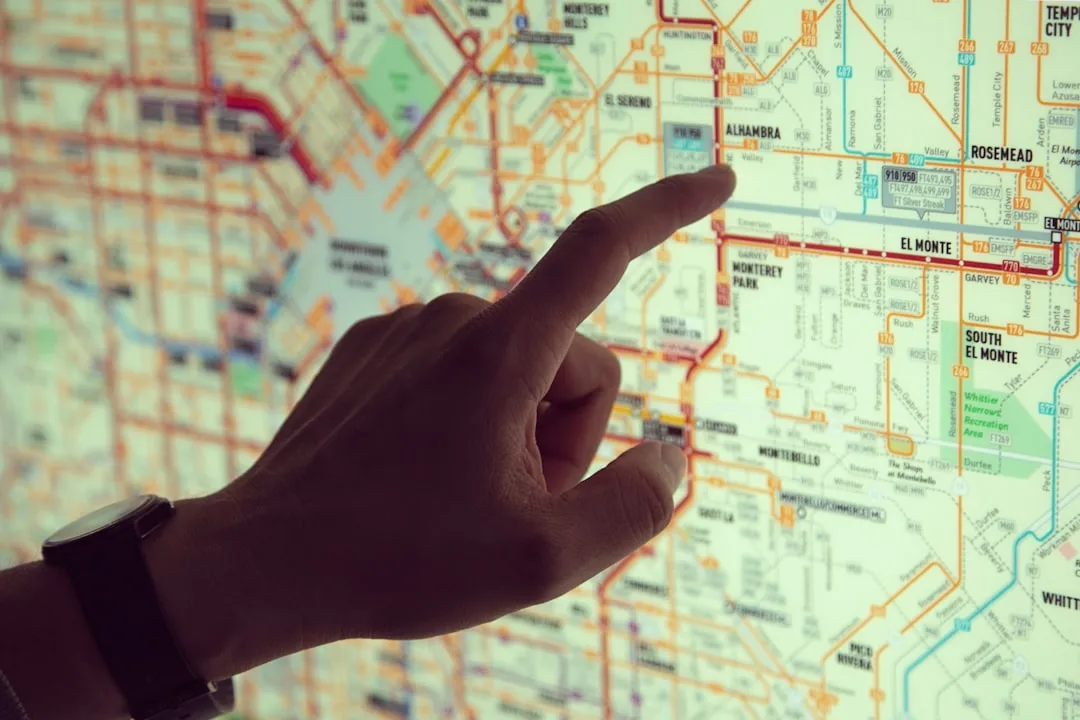
Transportation networks often act as a backbone in people’s cognitive map. A transit network, the subway in particular, could potentially reshape the mental map of an urban space in at least two ways. First, underground travel substitutes surface travel and deprives the passenger of a chance to form a spatial cognition through their own experience. Second, a transit map offers alternative assistance with a clear, simplified, stable, and widely-published depiction of the urban structure.
This deprivation is easy to overlook. Most regular subway riders, if asked to sketch the actual geography of the neighborhoods they travel through daily, produce something vague and distorted. The map they have memorized is a diagram of relationships, not distances. It is a kind of mental shorthand that replaces reality with abstraction.
When Anxiety Becomes an Asset

Not all of the research points toward impairment. A study on navigation under threat found an interaction between threatening environments and trait anxiety: while threat impairs route-retracing in lower-anxious individuals, this navigational skill is actually boosted in higher-anxious individuals. According to attentional control theory, this finding can be explained by an attentional shift toward information relevant for intuitive coping strategies, which is more pronounced in higher-anxious individuals.
In other words, the same spike of anxiety that causes one person to freeze in front of a transit map propels another to read it faster and more precisely. That variability mirrors what sports psychologists find in adventure athletes. Stress is not uniformly destructive. In the right person at the right level, it sharpens the edge rather than dulling it.
Flow in Unexpected Places
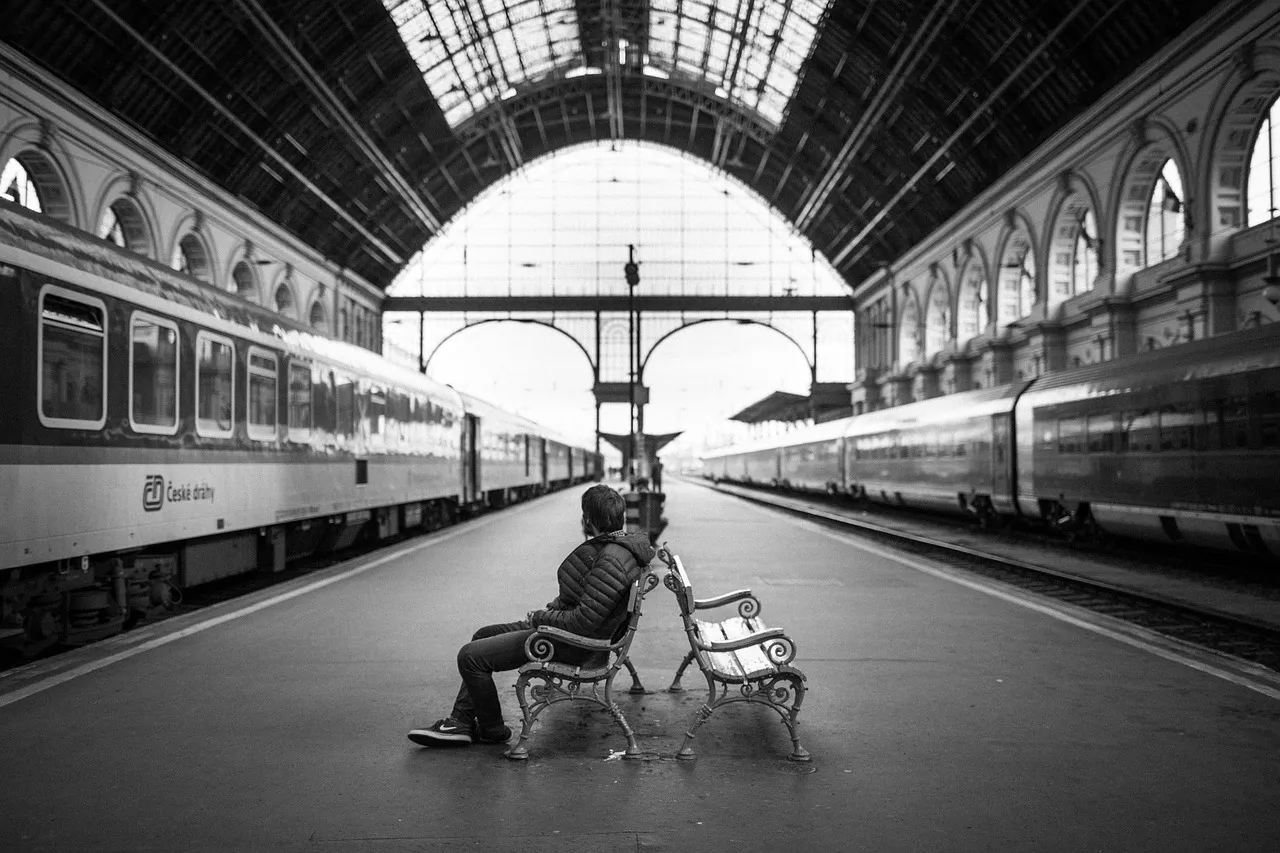
Flow occurred in contexts involving exploration, novelty and variation, and flexible outcomes, while the experience was described as enjoyable at the time, and involved lower perceived effort. Adventure research published in 2024 underscores that flow states don’t require extreme terrain. Physical activity, uncertainty, personal skill development, pleasurable sensations, novelty, and voluntary seeking of mental challenges have been cited as key components of adventure experiences.
A city newcomer working out a three-transfer route during rush hour checks nearly every one of those boxes. The uncertainty is real. The skill requirement is genuine. The payoff, when the sequence clicks into place and the right train appears, carries a small but measurable version of that same satisfaction. Flow theory has been used to explain enhanced experiences in both cultural and adventure tourism contexts; flow experiences contribute to satisfaction and leave lasting impressions.
The Commuter Who Bounces Back Faster
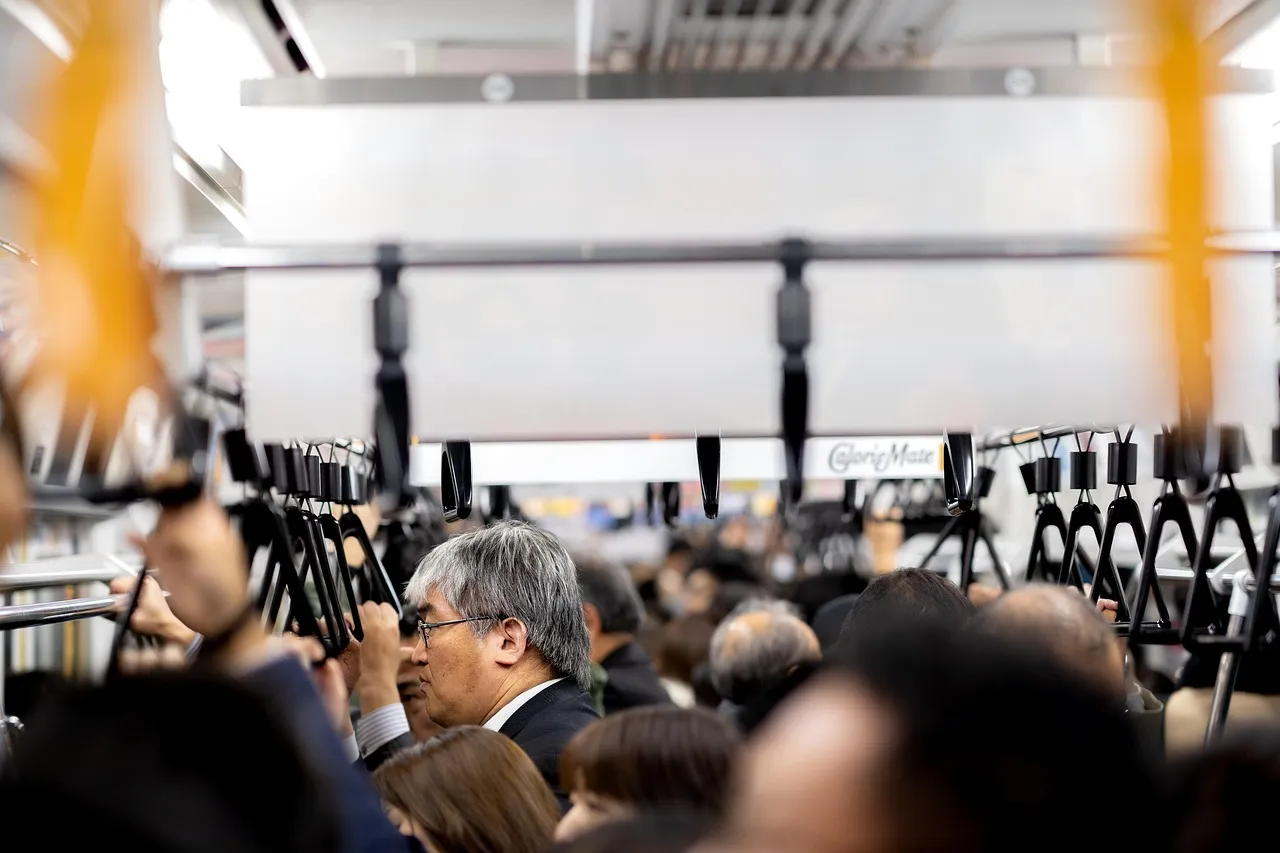
Active navigation through a transit system, as opposed to passive riding with GPS guidance, may actually build resilience over time. Active commuters demonstrated a 7.6% faster return to baseline heart rate variability compared with passive commuters, indicating a more rapid recovery from commuting-induced stress. The research, published in the Journal of Urban Health and drawing on wearable data from 200 urban commuters tracked over a week in Beijing, points toward a measurable physical benefit from engaging actively with urban movement.
Analysis of rail commuters showed elevation in salivary cortisol, perceived stress, and affective reactions to crowding. The physiological toll is real. Yet the commuter who chooses to stay present rather than retreat into a phone, who reads the map, tracks the stops, and adapts on the fly, is doing something closer to deliberate practice than passive transit. The system is hard. That hardness may be the point.
What the Rapids and the Rail Line Share

A carefully designed map can reduce pedestrians’ cognitive load during wayfinding and may be an especially useful navigation aid in crowded public environments. Still, even the best-designed system remains genuinely demanding. The rail line and the river both reward preparation and punish inattention. Both require you to read conditions in real time, commit to a line, and absorb the consequences of a wrong turn.
Research findings demonstrate that task demands outweigh individual differences in shaping cognitive performance, highlighting the potential for task-adaptive navigation systems that dynamically adjust complexity in response to real-time cognitive states. That’s a scientific way of saying the environment sets the difficulty level, not just the person inside it. A crowded Tokyo station at rush hour is genuinely more demanding than an empty one at noon. The rapids change with the rain.
Adventure has always been partly a matter of context. What makes whitewater exciting is not just the water itself but the mismatch between the environment’s demands and the navigator’s comfort zone. A subway map in an unfamiliar city, a missed connection with no margin for error, a platform sign that contradicts the app: these are not trivial moments. They are small arenas where attention, decision-making, and composure are all being tested at once. The river doesn’t care if you’re wearing board shorts or a business suit.
AI Disclaimer: This article was created with the assistance of AI tools and reviewed by a human editor.