
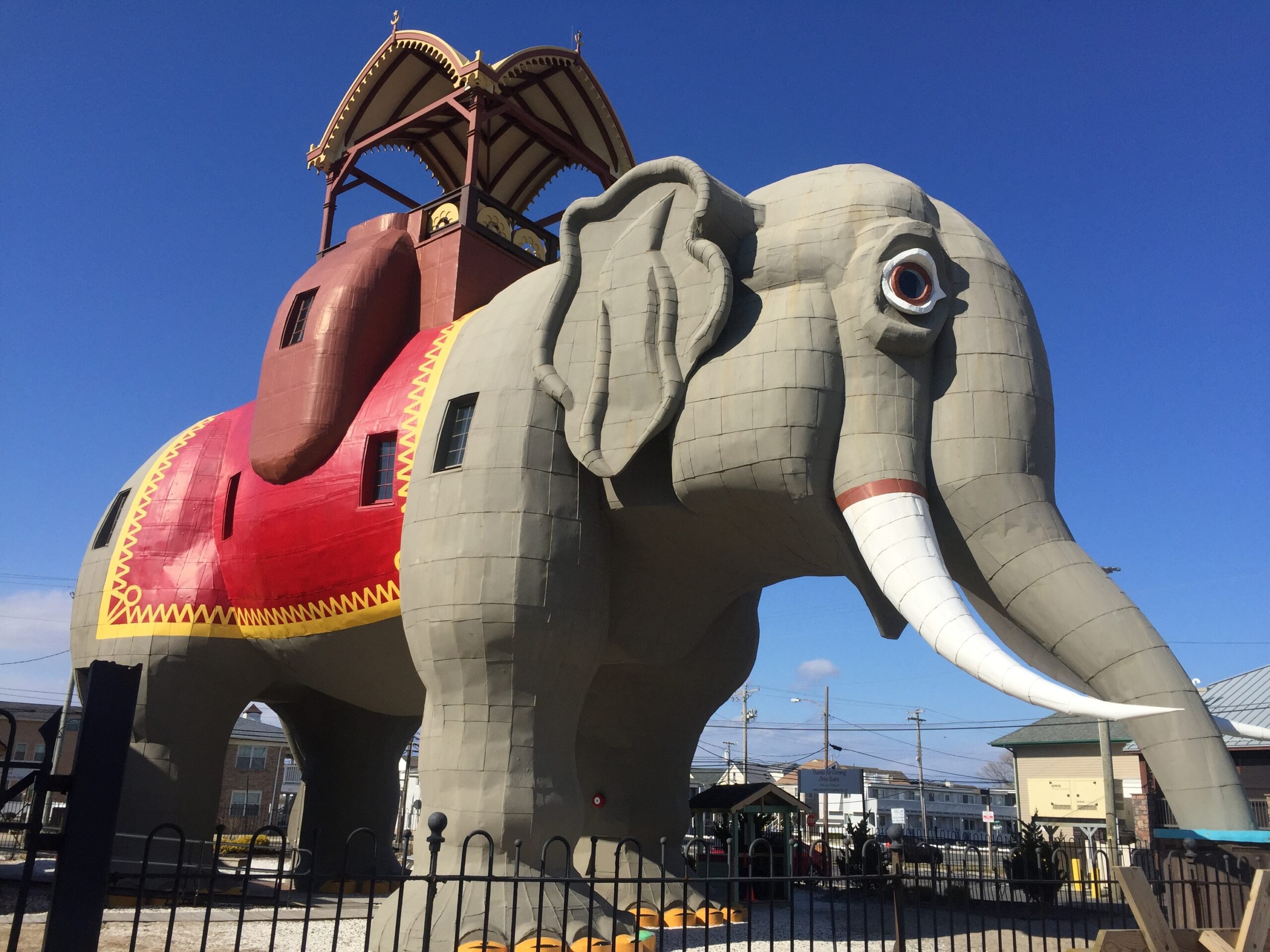

There’s something almost defiant about a 65-foot wooden elephant standing beside a highway. It doesn’t explain itself. It just exists, has existed since 1882, and now more people than ever are pulling over to see it. Across the country, a new wave of travelers is rediscovering the pleasure of the unexpected detour.
Roadside attractions never really disappeared. They just waited. The culture around them shifted, the interstates came through, and the crowds thinned. What’s happening now feels less like nostalgia and more like a genuine reorientation of what people want from a trip.
The Road Trip Renaissance Behind the Revival
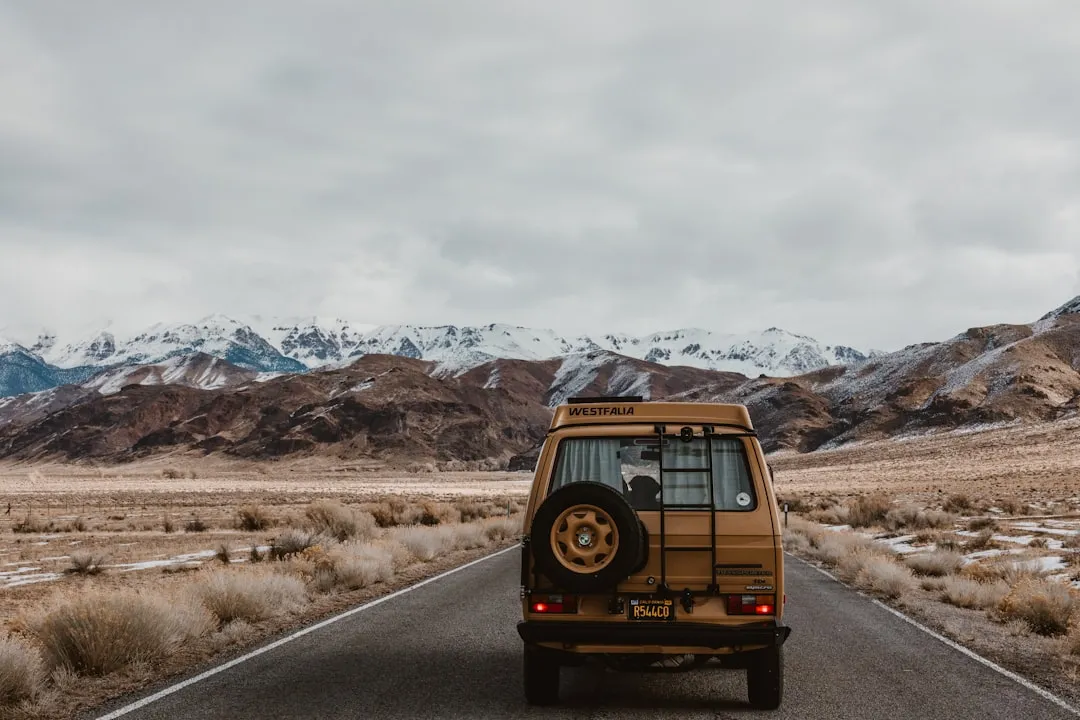
Road trips have quietly reclaimed their place at the top of American travel preferences. According to a 2024 Club Wyndham survey of 2,000 U.S. travelers, road trips were the most popular form of travel in 2024, chosen by roughly two in five respondents. That’s not just a sentimental trend. Almost twice as many respondents preferred driving to vacation destinations over flying.
The year 2023 set a record with over 1.90 billion road trips taken in the U.S., and 2024 was expected to surpass that, indicating continued growth in road tourism. When you’re already behind the wheel with nowhere pressing to be, an unusual sign on the side of the road becomes an invitation rather than a distraction. That’s the quiet engine driving the roadside attraction revival.
A History Built One Oddity at a Time
The modern tourist-oriented highway attraction originated as a U.S. and Canadian phenomenon in the 1940s to 1960s. When long-distance road travel became practical and popular, entrepreneurs began building restaurants, motels, coffee shops, and unusual businesses to attract travelers. They understood something most marketers still forget: curiosity is its own form of urgency.
Many of the buildings were attractions in themselves in the form of novelty architecture, depicting everyday objects of enormous size, typically relating to the items sold there. A giant catsup bottle acting as a water tower. A shoe-shaped house big enough to rent. This growth led to the development of distinctive roadside architecture, such as teepee-shaped motels and themed service stations. The American roadside was, for decades, the world’s strangest art gallery.
The Interstate That Changed Everything
With the construction of the U.S. Interstate Highway System in the mid-1950s, many roadside attractions were bypassed and quickly went out of business. Some remained attractive enough to divert travelers from the interstate and thus stayed alive. The efficiency of the new highway system came at a real cultural cost. Whole stretches of American ingenuity simply vanished from view.
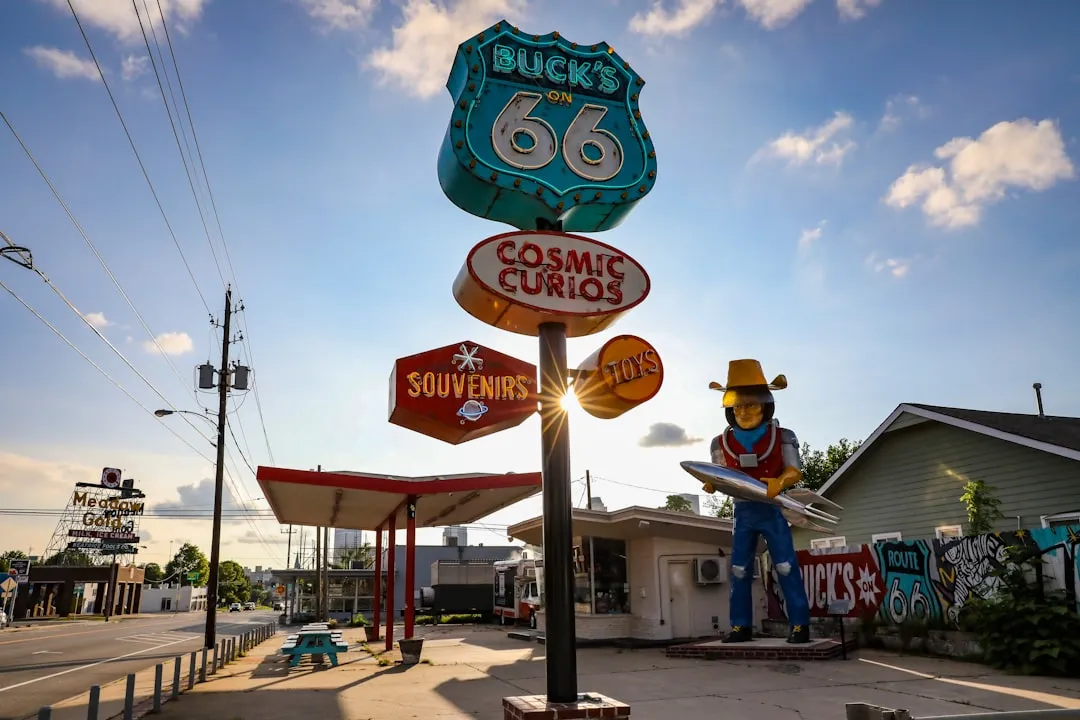
The decline was compounded by restrictions on roadside advertising following the 1965 Highway Beautification Act, which contributed to reduced traffic on older alignments. The decline of U.S. Route 66 began in earnest with the passage of the Federal-Aid Highway Act of 1956, which authorized construction of the Interstate Highway System. Towns that had once thrived on through-traffic found themselves bypassed overnight.
Social Media as the Modern Roadside Billboard
The revival of roadside attractions is driven by several factors, and one of the main reasons is the rise of social media. Unique and quirky spots have become Instagram-worthy destinations, attracting a new generation of travelers. The impulse hasn’t changed much since those hand-painted barn signs on old Route 66. The medium just has a global reach now.
In the 2010s, social media platforms like Instagram transformed many obscure roadside attractions into viral sensations, driving unprecedented visitor growth. Horseshoe Bend in Arizona saw annual attendance surge from approximately 40,000 visitors a decade prior to over 2 million by the late 2010s, largely due to shareable panoramic photos. Research also suggests that nearly three quarters of travelers say influencer recommendations have shaped their booking decisions, from finding local restaurants to discovering hidden attractions.
New Attractions Are Still Being Built
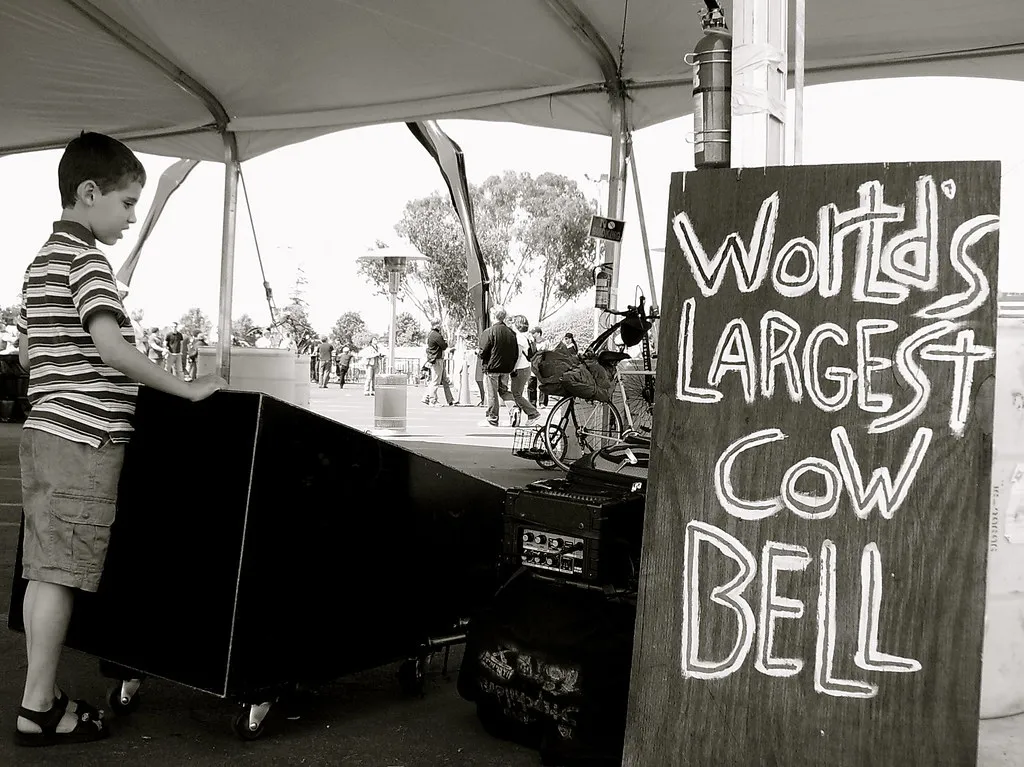
This isn’t purely a nostalgia exercise. New roadside oddities are being created right now, with the same spirit that built Lucy the Elephant in 1882. In August 2024, a Missouri businessman along with co-creators at Heintz Welding installed a 15-foot-tall, 6,300-pound cowbell right off Missouri Highway 28 in Belle. The large bell is 12 feet across, eight feet deep, and includes a 350-pound crane ball as the clapper that actually rings. The bell is currently under consideration with the Guinness Book of World Records and awaiting official certification.
In Illinois, a new 14-foot-tall statue of Abraham Lincoln is planned as a signature Route 66 attraction, and other major projects across the state include a large penny sculpture in Lincoln and a refreshed Giant Slide at the Illinois State Fairgrounds in Springfield. Communities are actively investing in new landmarks, not just maintaining old ones. The tradition is still being written.
Route 66 and the Centennial Momentum
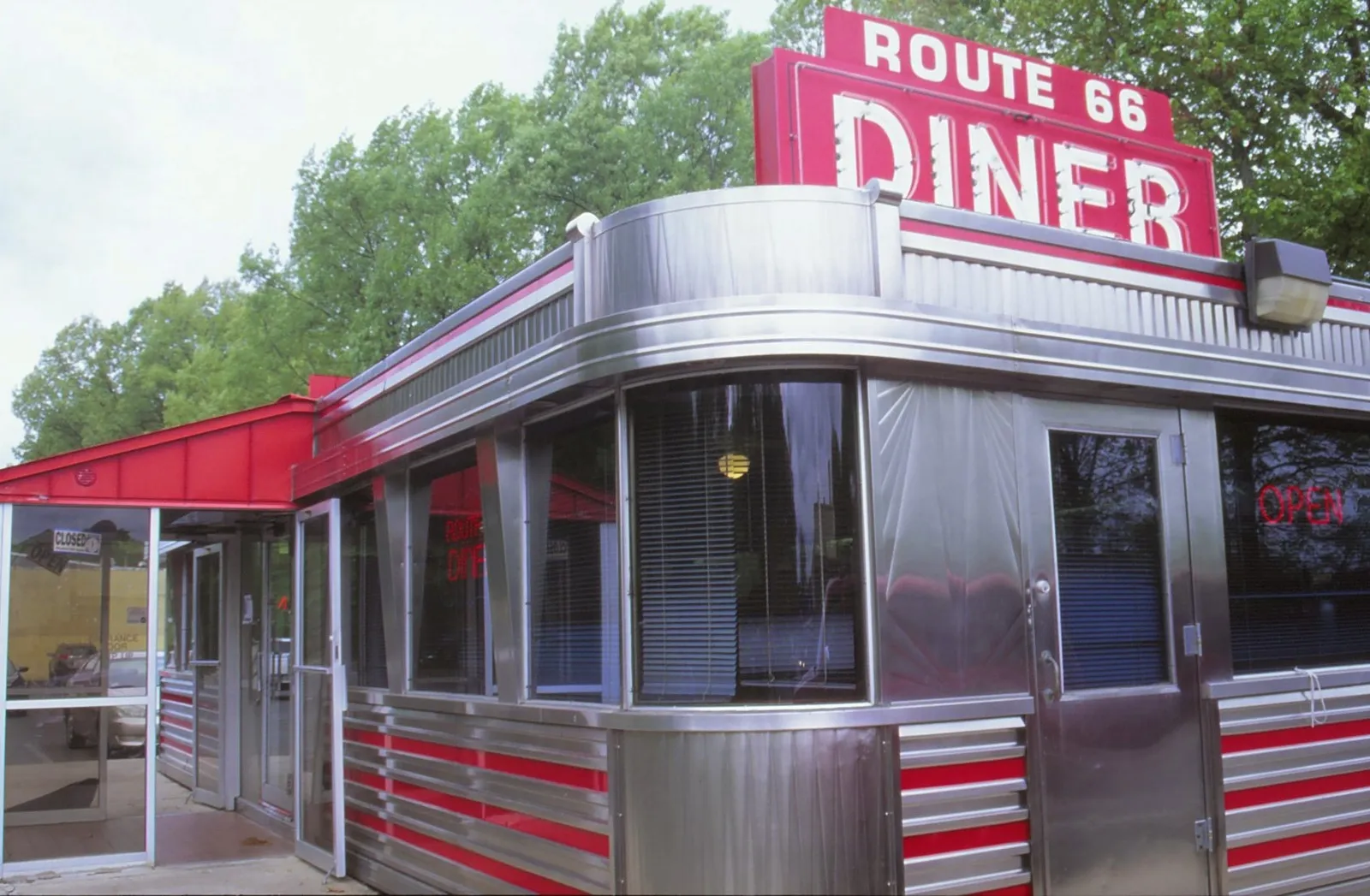
Route 66, stretching from Chicago to Santa Monica, is the most popular road trip route, attracting over 5 million road trips annually. This iconic highway is famous for its historic landmarks, classic diners, and nostalgic American road trip experience. The road itself has never quite stopped drawing people. What’s changed is the institutional energy behind it.
Illinois recorded its highest-ever hotel tax revenues in fiscal year 2025 at $367 million, a 14 percent increase from the previous year. The state also welcomed 113 million visitors in 2024, who spent a record $48.5 billion statewide. State leaders framed Route 66 as a key driver of that growth, particularly for small and mid-sized communities. The New Mexico Tourism Department noted that the upcoming Route 66 centennial celebration in 2026 is already generating excitement, with the surge in interest expected to bring increased tourism revenue to small towns along the route.
The Economic Case for the Weird and Wonderful
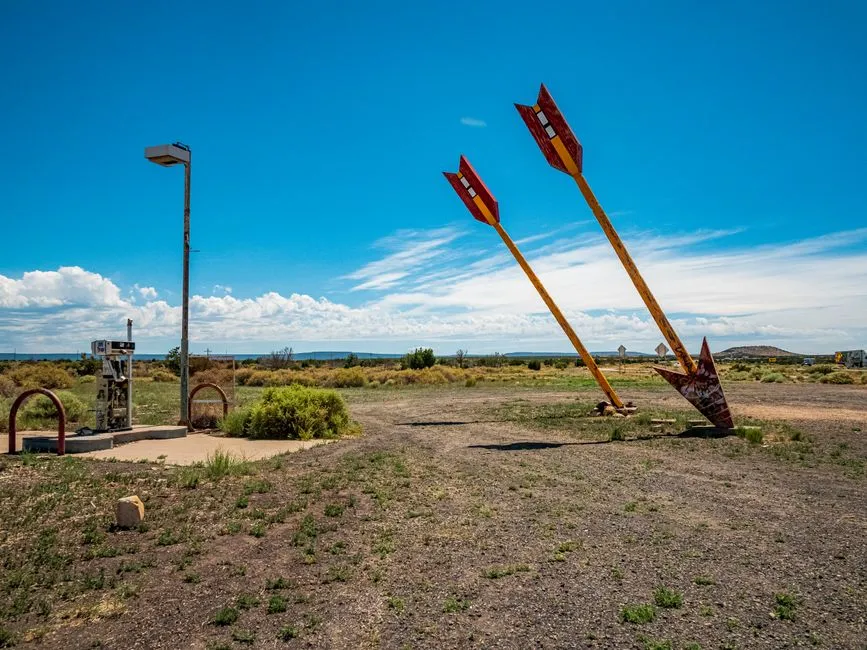
Roadside attractions are more than just fun stops on a road trip. They also have a significant economic impact on local communities, often serving as a source of income for small towns and rural areas, boosting their economies. That impact is hard to quantify precisely, but the pattern is consistent and well-documented across rural corridors nationwide.
A 2026 report from the Federal Reserve Bank of Kansas City examined route-based tourism along byways and found that newer or younger residents of small towns have helped others see their communities with fresh, appreciative eyes and have led the way in spurring unique approaches to economic development in many communities. Shrinking small towns have built roadside attractions specifically to “foster civic pride” and “make it interesting for people to come and move here.”
The Destinations That Dominate Right Now
Some attractions have crossed over from roadside curiosity into genuine destinations with serious visitor numbers. House on the Rock in Spring Green, Wisconsin, lives up to its reputation for eccentricity. Visitors flock to its surreal collections, from the dizzying Infinity Room to the world’s largest indoor carousel and a 200-foot sea creature. The landmark draws 135,000 annual Google searches and over 105,000 Instagram posts.
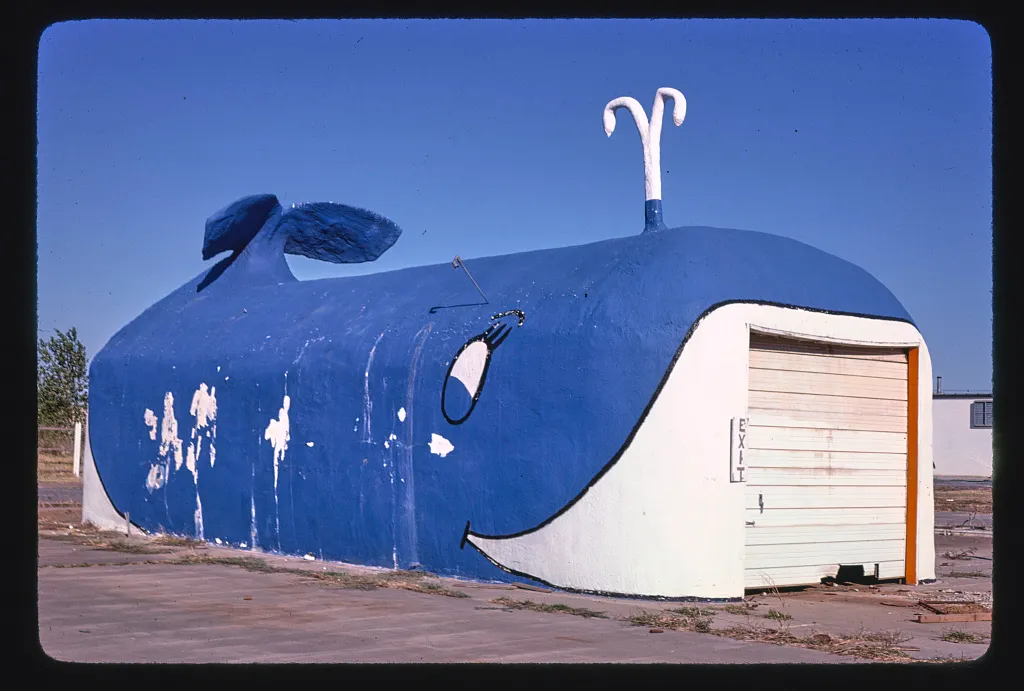
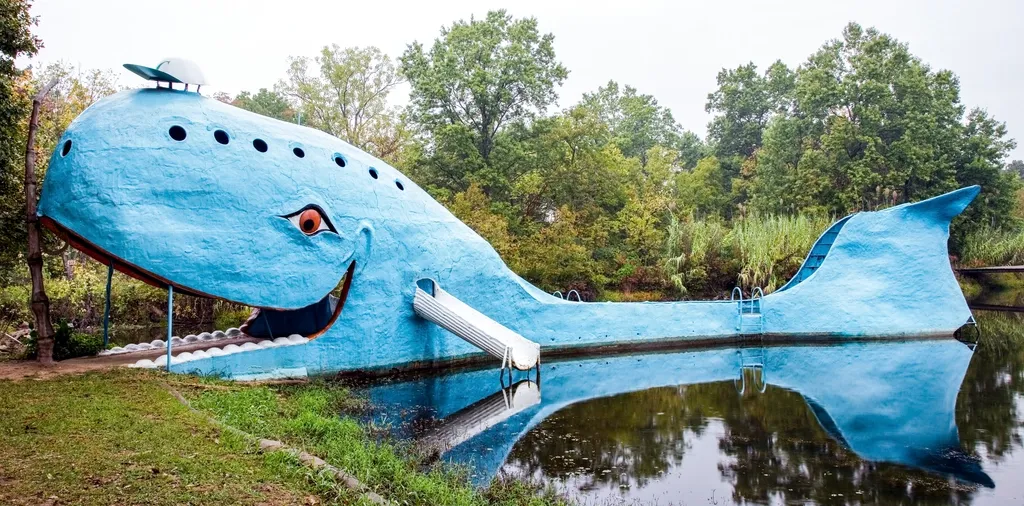
Along historic Route 66 in Catoosa, Oklahoma, a giant blue whale smiles out over a small pond. Built in the early 1970s as an anniversary gift, the 80-foot-long whale quickly became a favorite local landmark. Swimming is no longer allowed today, but the whale still draws many visitors. Picnic tables line the pond, and local volunteers keep the bright blue paint fresh. The whale’s cheerful grin has made it one of the most iconic stops on the Mother Road.
Who’s Actually Stopping to Look
Road trips are most popular among people aged 25 to 44, who represent roughly two in five road trippers in the U.S. These travelers are followed closely by the 45 to 64 age group, which accounts for another large share. These aren’t fringe demographics. They represent the heart of the traveling public, and they are the exact audiences most active on the social platforms that amplify roadside discoveries.
Hotel booking data from HotelPlanner shows that 4th of July getaways are morphing into something more personal, with more than half of the top 25 most-booked cities in 2025 not even on travelers’ radars in 2024, suggesting road trippers are swapping usual big-name cities for offbeat locales. A quarter of Americans say they are more interested in traveling near their home, and 60 percent believe they have not yet seen enough of the cities and attractions throughout the United States.
Apps and Tools Sending Travelers Off the Highway
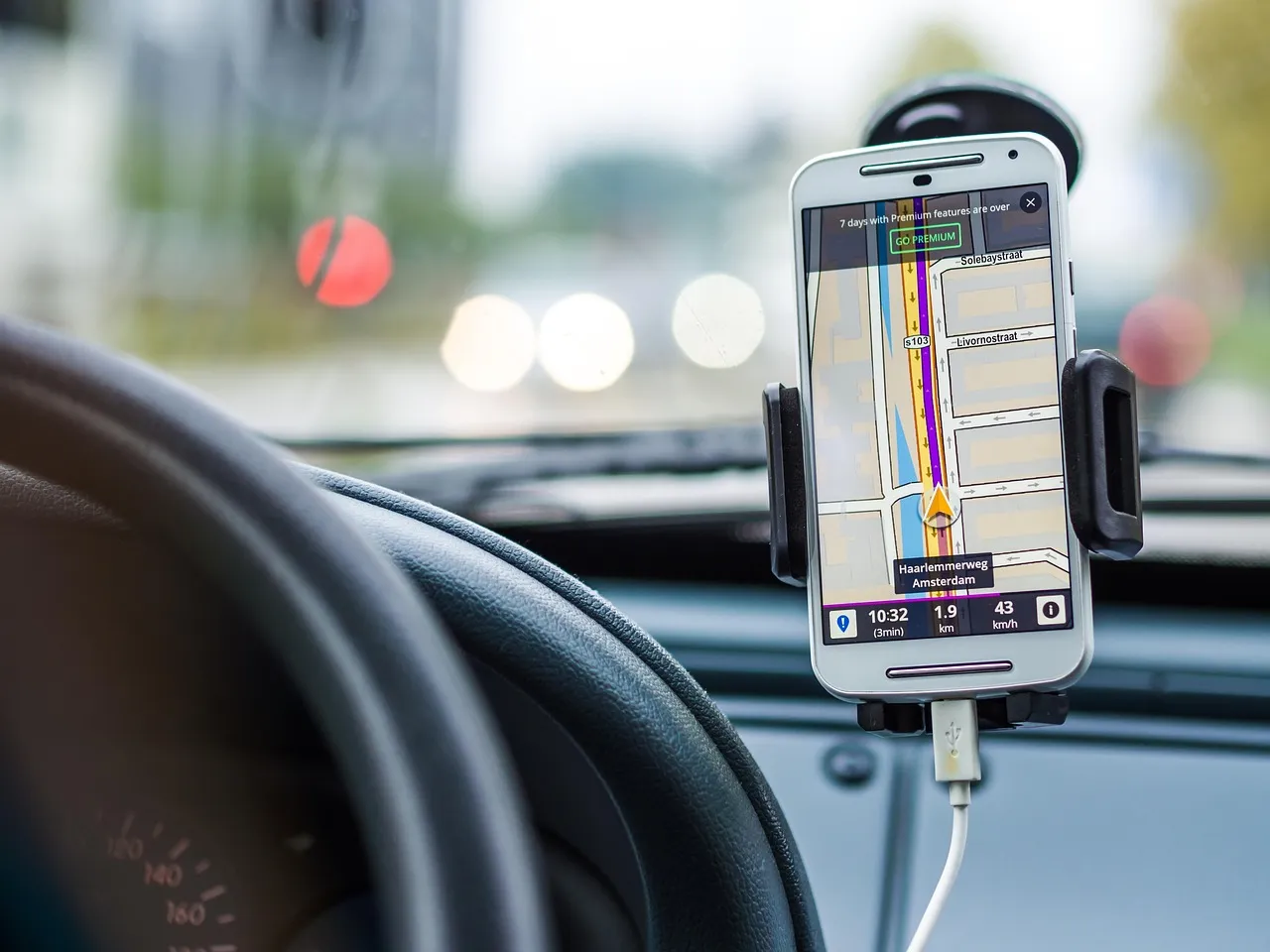
Technology has had a real impact on this revival. Apps and online platforms make it easier for travelers to discover and plan visits to roadside attractions, becoming essential tools for promoting these destinations and contributing to their resurgence. Platforms like Roadside America have been cataloguing these sites for decades. Today they have tens of thousands of entries about offbeat and unique roadside attractions, and their app can be used from the road to show nearby attractions in real time.
Trip planning tools like Roadtrippers’ Autopilot feature build customized itineraries using data from 38 million real-life road trips, with roadside attractions built right in. What was once a matter of luck or a hand-typed list is now embedded into the journey itself. The discovery is still personal. The infrastructure that enables it has simply gotten much better.
What Makes These Places Endure
There’s a quality to the best roadside attractions that no algorithm can fully manufacture. One key driver of the revival is the desire for more authentic travel experiences. Roadside attractions offer a glimpse into local culture and history, providing an alternative to mainstream tourist spots. They’re often family-owned and operated, which adds to their charm and authenticity.
They preserve the unique stories and traditions of a place, contributing to cultural preservation. Beyond entertainment, they offer a glimpse into local culture and history that mainstream destinations rarely provide. A giant blue whale in Oklahoma tells you something true about a person, a marriage, and a community that no hotel lobby ever could. That’s ultimately what keeps people turning off the highway.
A Quiet Takeaway from the Open Road
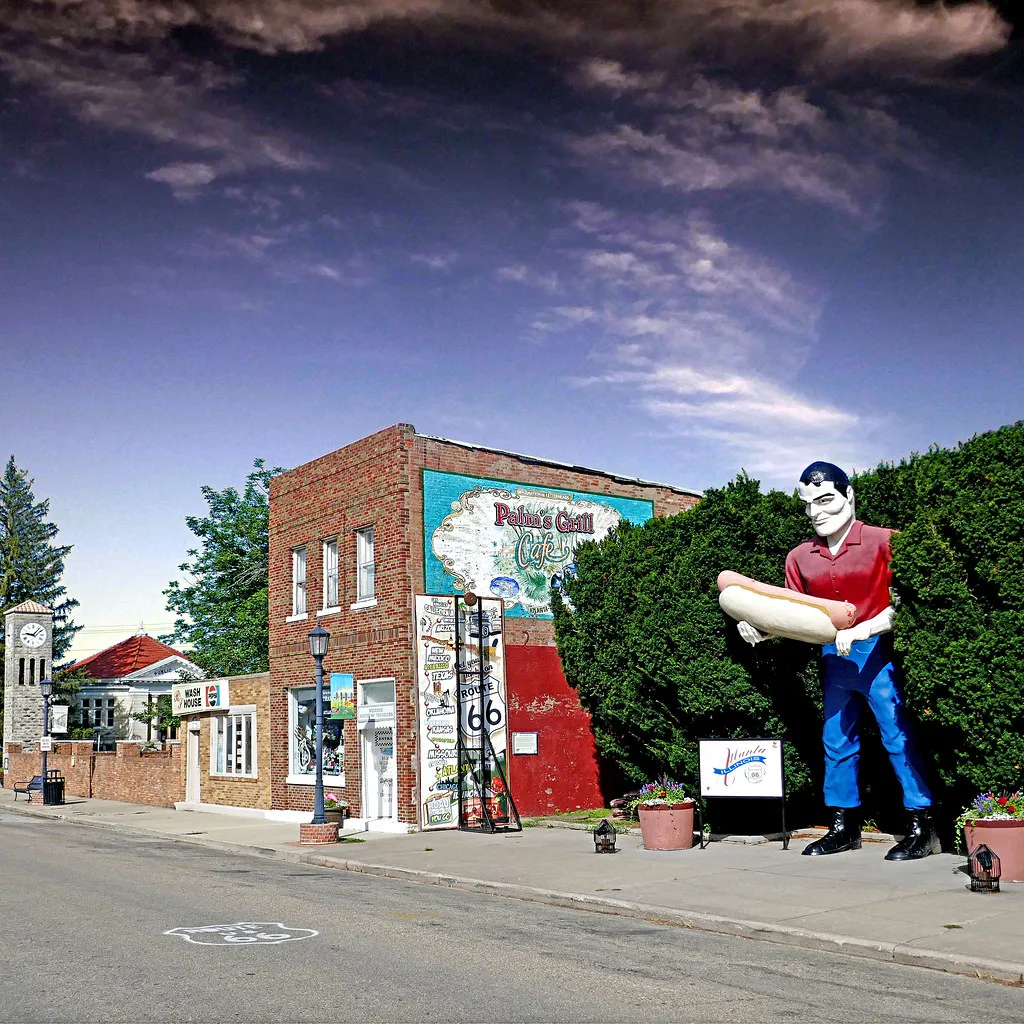
The roadside attraction revival is not really about nostalgia, though nostalgia certainly plays a part. It’s about a rebalancing. Travelers have access to more polished, curated experiences than ever before, and many of them are choosing a hand-painted plywood dinosaur instead. That says something interesting about what people actually want from their time off.
In the 21st century, we’re seeing a new wave of roadside attractions. Some have been preserved, others reimagined, but all are bringing a sense of joy and discovery to road-trippers everywhere. The best of these places don’t ask to be taken seriously. They just ask you to slow down for a moment, look at something strange, and feel a little lighter for it. That, it turns out, is enough.
AI Disclaimer: This article was created with the assistance of AI tools and reviewed by a human editor.