
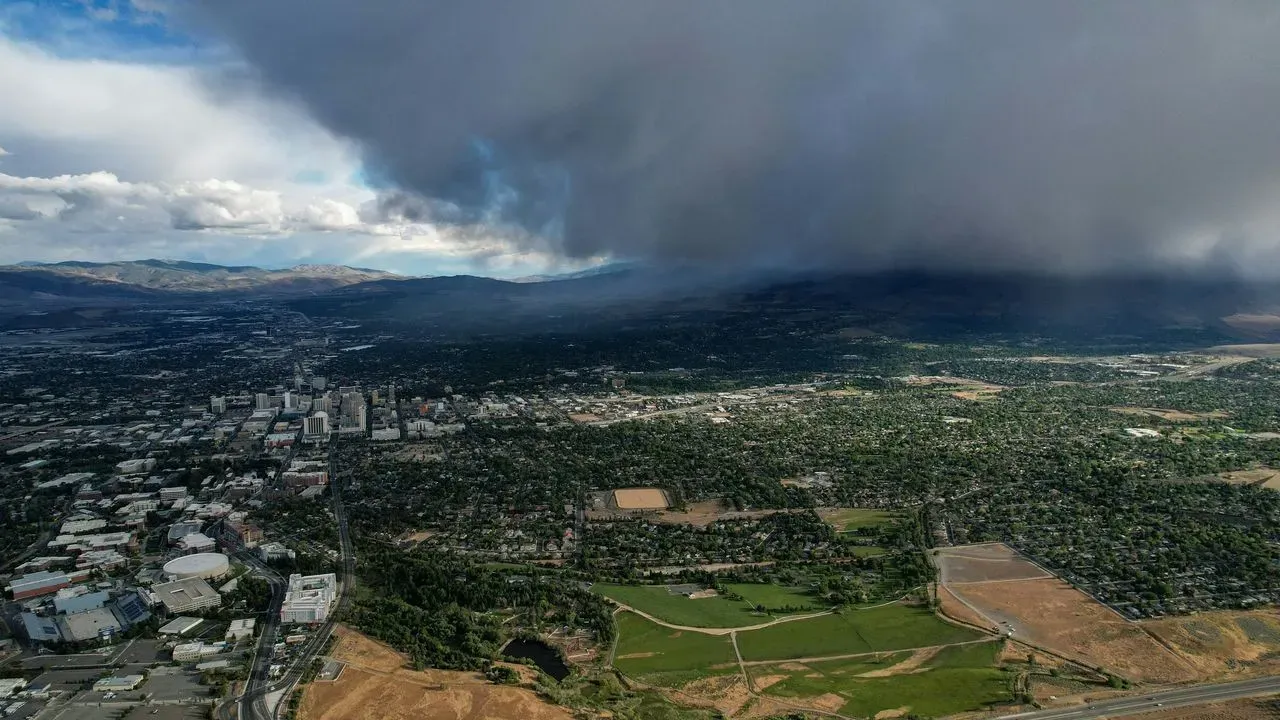

Reno, Nevada – The city has drawn new residents and visitors alike with its relative affordability and steady expansion, qualities that have positioned it as a compelling option among Western destinations. Yet a recent fire has underscored how that same growth intersects with the urban-wildland interface, the zone where developed areas meet natural landscapes. This interface now ranks as the fastest-growing land-use type across the United States, and the incident in Reno illustrates the pressures that emerge when development, warming temperatures, and drying vegetation converge.
The Draw of Measured Expansion
Travelers and those considering relocation have long valued Reno for its accessible entry point into the broader Sierra Nevada region. The city’s mix of urban amenities and proximity to open spaces creates opportunities for outdoor exploration without the higher costs associated with some neighboring areas. This balance has supported a period of noticeable population and economic growth, allowing more people to experience the high-desert landscape and its distinctive light, seasonal rhythms, and recreational possibilities.
Communities here have worked to accommodate newcomers while preserving the character that makes the area distinctive. Local planning efforts often emphasize connectivity between neighborhoods and surrounding public lands, fostering a sense of place that feels both contemporary and rooted in the region’s natural setting. For visitors, this translates into a destination where day trips to nearby trails or scenic overlooks remain practical and inviting.
Understanding the Urban-Wildland Interface
The urban-wildland interface describes the transitional spaces where homes, businesses, and infrastructure meet undeveloped wildlands. In Reno, as in many Western locales, these edges have become more pronounced as development extends outward. The interface is not merely a geographic line; it represents a dynamic zone where human activity and natural processes interact on a daily basis.
Fires that begin or spread through this zone can move quickly between vegetation and structures, a pattern observed in the recent event. The situation serves as a reminder that growth in such areas carries inherent considerations around land management and emergency preparedness. Thoughtful travelers often seek to understand these dynamics before visiting or investing time in a region, recognizing that awareness supports more respectful engagement with the landscape.
Climate Context and Vegetation Trends
Broader climatic shifts have contributed to drier conditions across much of the West, with vegetation responding by becoming more flammable during extended dry periods. Reno’s location places it squarely within these patterns, where warming temperatures and altered precipitation regimes influence the behavior of wildfires. The result is a landscape that can transition from lush to parched more rapidly than in previous decades, affecting both ecological systems and community planning.
Residents and land managers have responded with a range of adaptive measures, from vegetation management practices to updated building standards designed to reduce risk. These steps reflect a growing recognition that sustainable development in interface zones requires ongoing attention to environmental realities. For those drawn to the area’s affordability and lifestyle, such measures offer a framework for participating in the community’s long-term stewardship of its surroundings.
Traveling Responsibly in Interface Landscapes
Visitors to Reno and similar Western destinations can approach their time here with an eye toward supporting local resilience efforts. Choosing lodging and activities that align with community guidelines on fire safety, for instance, contributes to a shared sense of care for the environment. Learning about native plant species and seasonal conditions adds depth to outdoor experiences while reinforcing the value of leaving natural areas as one finds them. – Respect posted restrictions during periods of elevated fire danger.
– Support businesses that prioritize sustainable practices and local sourcing.
– Engage with educational resources offered by regional land agencies.
– Consider shoulder seasons when crowds are lighter and vegetation moisture levels may be more stable.
These choices help ensure that the qualities attracting people to Reno – its affordability, access to nature, and evolving identity – remain vibrant for future generations. The recent fire serves less as a deterrent than as an invitation to travel with greater awareness of how places and climates continue to shape one another.
AI Disclaimer: This article was created with the assistance of AI tools and reviewed by a human editor.