
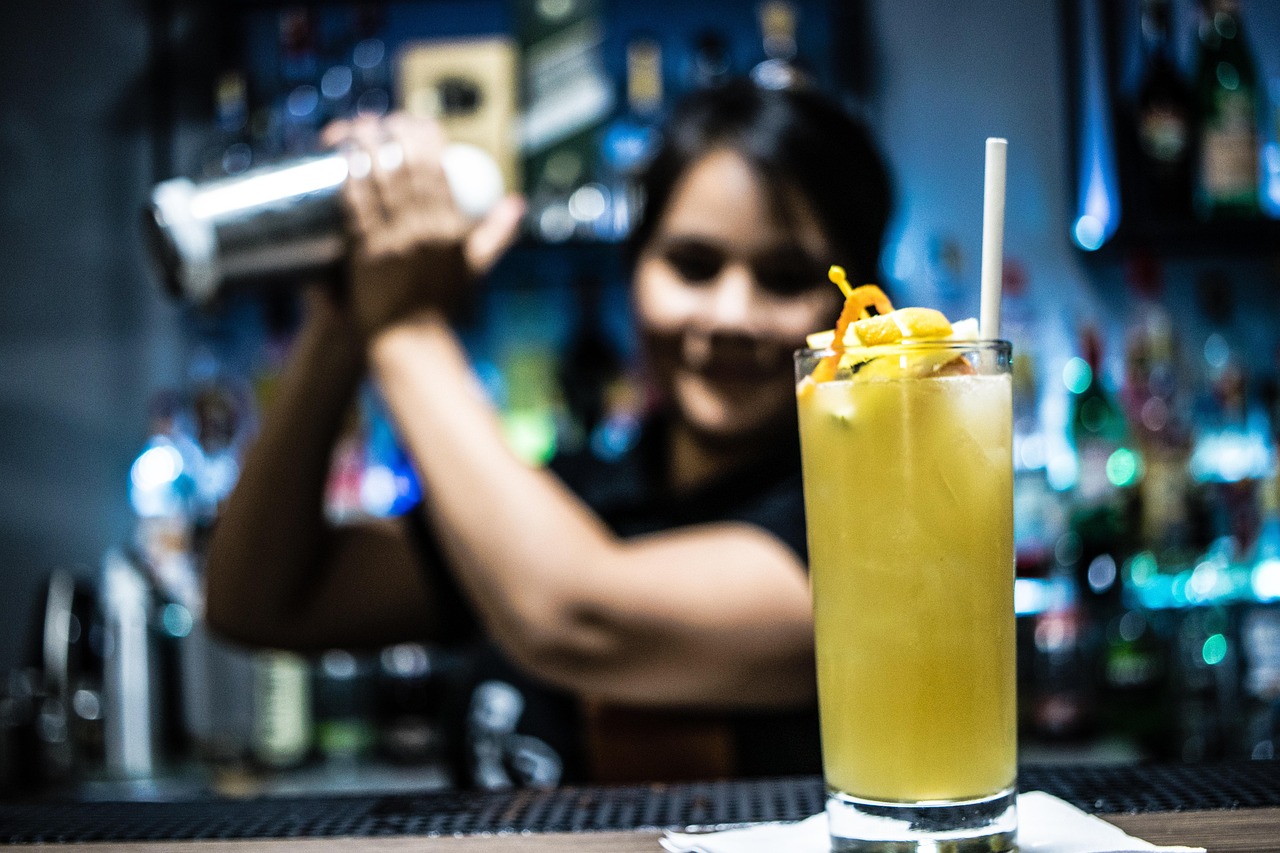

There’s a particular kind of frustration that only happens on vacation. You’re poolside, the sun is doing its thing, your glass is empty, and you’ve been trying to catch the bartender’s eye for a solid ten minutes. Meanwhile, someone three seats down seems to get a fresh drink practically before they’ve finished asking. It’s not random luck. Pool bartenders, who manage dozens of guests at a time under direct sunlight with no cover from the noise, have quietly developed a system for who gets served first.
That system isn’t always written down anywhere, but it’s very much real. It’s built on human cues, hospitality instincts, and yes, the practicalities of a fast-moving shift. Understanding what signals push you to the front of the mental queue can genuinely change how your resort day unfolds.
Tip Early and Tip Visibly
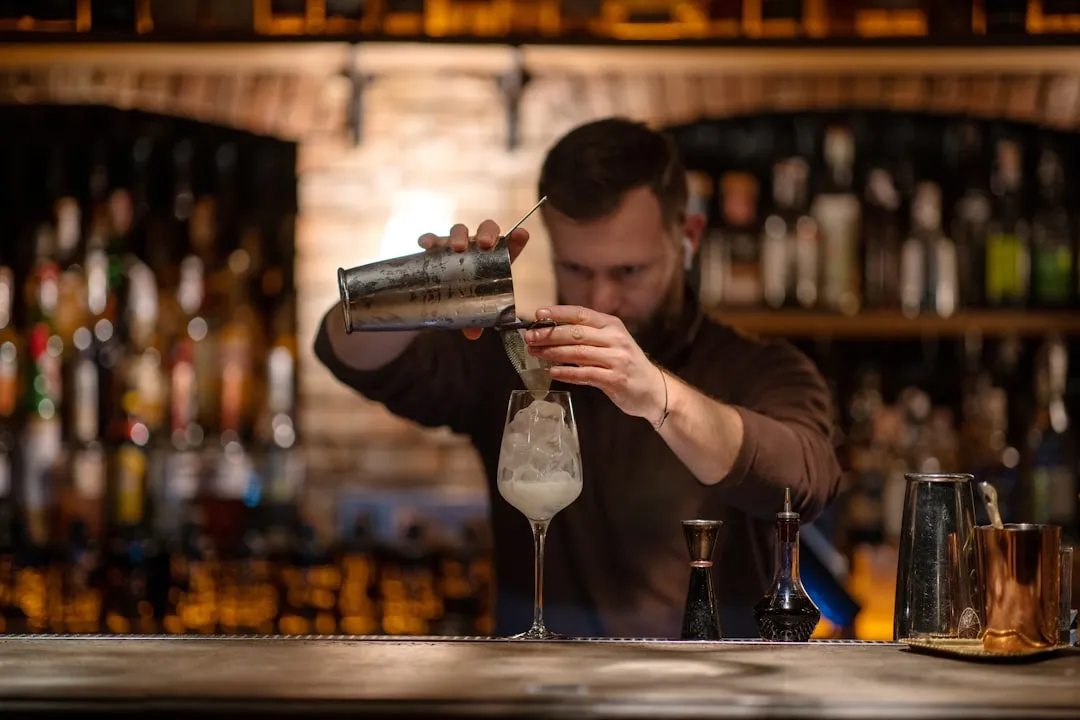
This is the single most universally acknowledged factor among pool bar professionals. Good service and good tipping have a circular relationship. Bartenders actively keep track of who tips per drink, and tipping on the first round tends to bring more attentive service throughout the shift. It signals that you’re engaged and respectful of their work, not just waiting for them to forget about you.
Starting with a larger tip, like five to ten dollars to a bartender, tends to establish a strong relationship. That often translates into better service for the entire trip without needing to tip generously for every single round. At a busy resort pool where the same bartender might see you for three or four days in a row, that early impression compounds quickly.
Order Something Simple First
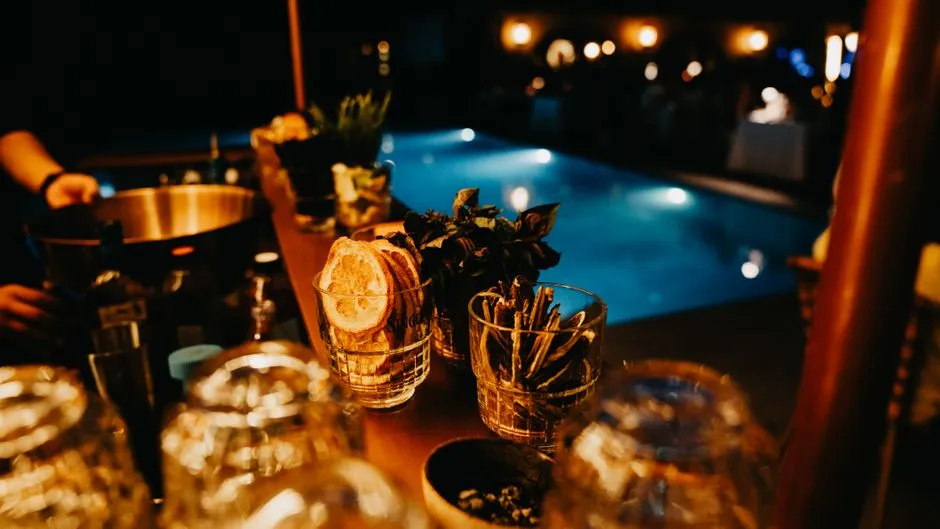
On a slammed afternoon at a resort pool bar, your first order shapes how the bartender mentally categorizes you. When ordering labor-intensive cocktails that require more time and skill, like mojitos or an old-fashioned, bartenders themselves suggest considering a higher tip to reflect that extra effort. The flip side of that advice is practical: if you want quick service when it’s busy, starting with something simple like a beer, a rum and coke, or a glass of wine signals low friction.
A complex multi-step cocktail request from someone the bartender hasn’t met yet can actually delay everyone, including you. Save the elaborate order for a quieter moment, or once you’ve already established yourself as a relaxed, considerate guest. Timing your order to match the bar’s pace is something experienced pool-goers learn fast.
Make Eye Contact Without Hovering
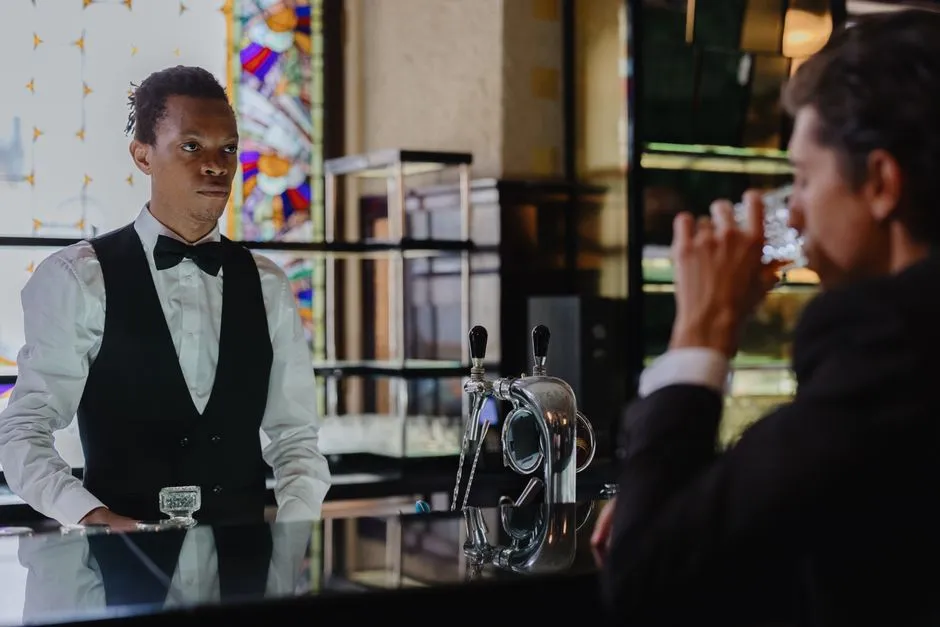
There’s a meaningful difference between being visible and being pressuring. Pool bartenders work in open-air environments where they cater to guests enjoying outdoor amenities, with the primary function of enhancing the relaxation experience. These bars are typically open-air, casual in design, and often supported by roaming servers delivering drinks to sun loungers or private cabanas. In that kind of setting, the bartender is scanning a wide physical space constantly.
A calm, brief piece of eye contact when the bartender glances your way communicates readiness without pressure. Waving repeatedly, calling out across the pool, or snapping fingers tends to have the opposite effect. Bartenders are trained to read customer cues, and composure reads as confidence, not indifference.
Know What You Want Before You Get There
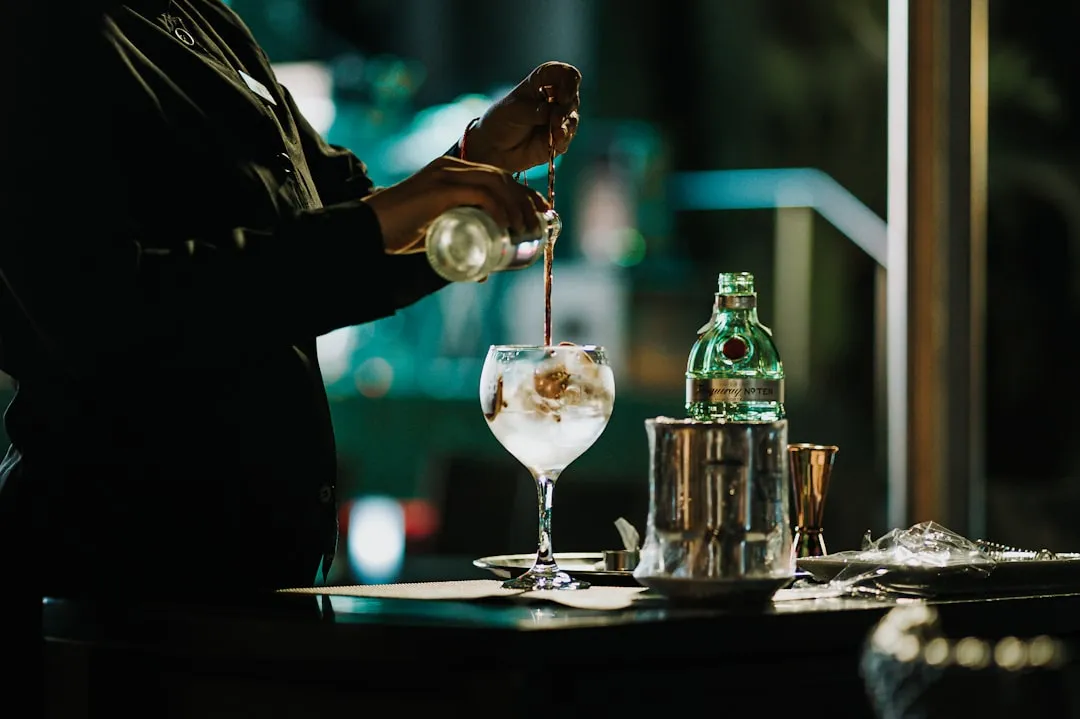
Nothing slows a pool bar queue down like someone who arrives at the front, then pauses to think. When running a successful bar, the quality of service the staff provides makes all the difference, and a well-trained bar staff elevates the overall experience for customers. That works both ways: a prepared guest makes their job easier, and bartenders naturally gravitate toward guests who help the flow rather than stall it.
Coming to the bar with a clear, specific order, including the names of drinks rather than vague descriptions, is one of the simplest ways to accelerate the interaction. It also reduces the chance of miscommunication in a loud, outdoor environment where asking for clarification takes real time.
Go to the Bar Rather Than Waiting for Roaming Service
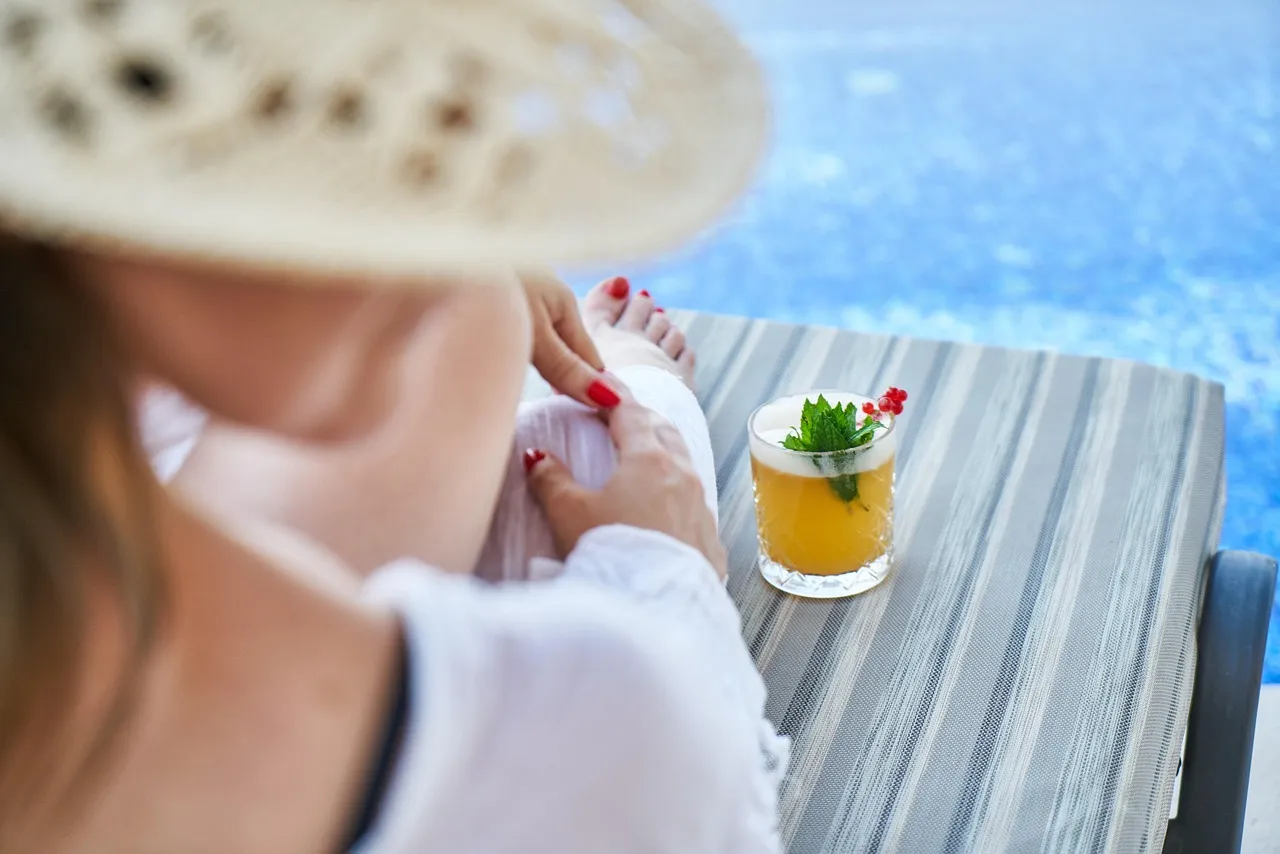
Resort pools often offer both counter service and roaming servers, but there’s a clear hierarchy of speed. The best way to get service at a pool bar is simply to go to the bar directly rather than waiting for staff to come around to you. Roaming service is convenient, but it depends on staffing levels, tray capacity, and the server’s current route, all of which are outside your control.
Walking up to the bar also gives you a moment of direct interaction with the person making your drinks. That face-to-face contact, even a brief one, tends to make you more memorable than someone lounging forty feet away waving a hand. It’s a small investment of effort that pays off repeatedly throughout the day.
Have Cash Ready and in Small Bills

Cash remains the most frictionless form of tipping at an outdoor resort bar, and being prepared matters more than you’d expect. Resort pool bars and beach bars often struggle to break large bills, so coming prepared with smaller denominations matters. Having cash accessible while you’re in or around the pool, rather than leaving it in your room, makes the whole tipping process smoother.
In 2024, hotels saw changes in tipping etiquette overall, including an increase in digital payment prompts during stays. The transition to digital options like apps and cards is part of an evolving landscape. That said, a crisp bill handed over at the bar still reads as warmer and more immediate than a tap-to-pay transaction. Pool bartenders notice the difference.
Be Consistent Across Multiple Days
Resort stays are fundamentally different from a single bar visit. You’re likely returning to the same pool bar multiple times, possibly seeing the same bartender across a three, five, or seven-night stay. Factors that influence how much attention you receive include the quality of your interaction over time and the relationship that builds between bartender and customer.
Bartenders at resort properties often work longer seasonal contracts and develop strong memory for returning guests. If you treated the interaction well on day one, day three tends to take care of itself. Consistency in your behavior, your greeting, your tip, and your tone, builds a kind of quiet rapport that no single large tip can replicate on its own.
Treat It Like a Real Conversation
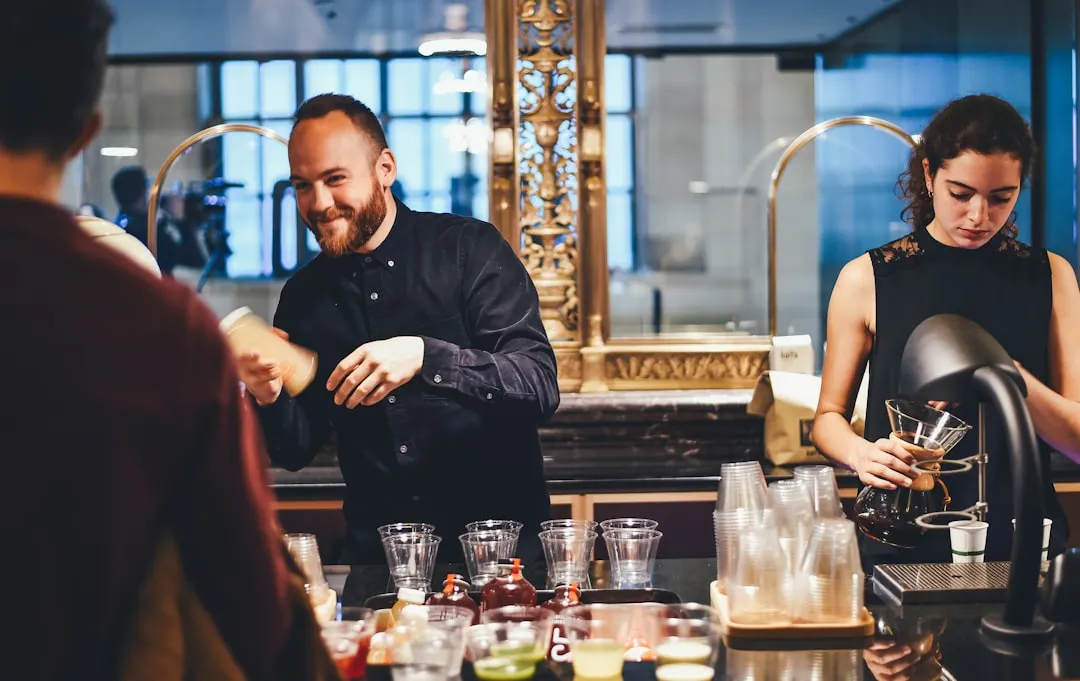
One of the key elements of success in any hospitality role is the ability to communicate well and keep customers engaged. This is particularly important for hotel bartenders, who generally don’t have the luxury of regular clientele. At a resort pool bar, where guests rotate in and out every few days, a genuinely friendly exchange stands out quickly.
Good bartenders are described as having real moves behind the bar, mixing drinks while carrying on conversation with customers, with that conversational element considered imperative to the role. A guest who reciprocates that energy, rather than staring at their phone mid-order, is simply more enjoyable to serve. That enjoyment shows up in attentiveness.
Understand the Bar’s Peak Hours
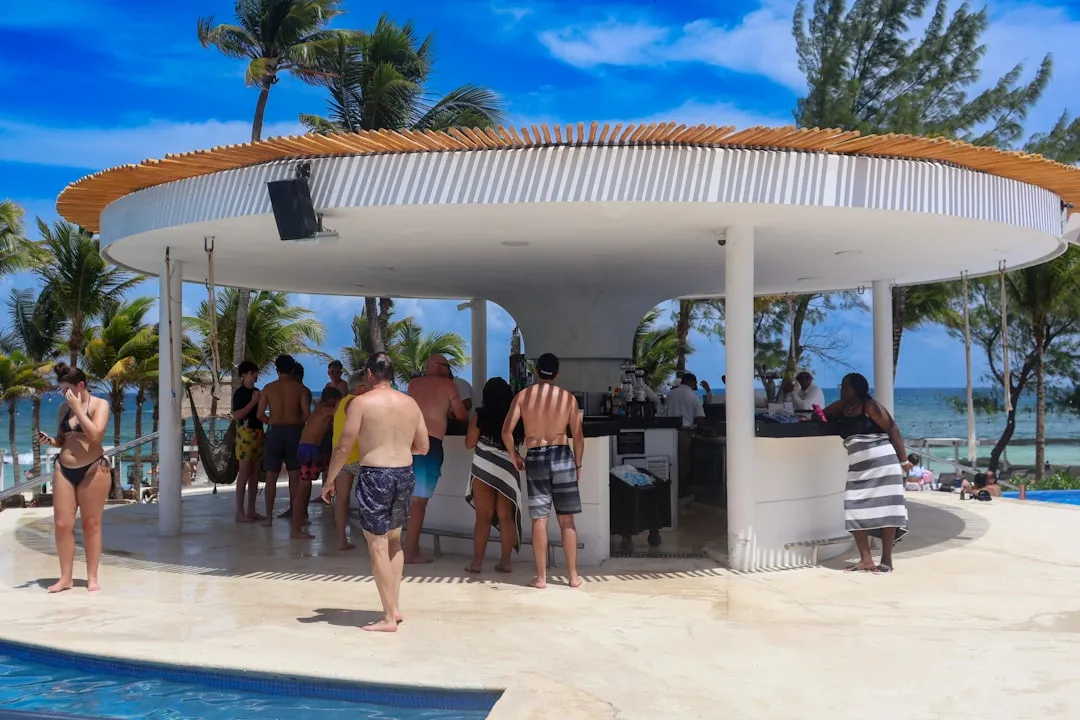
Pool bars follow predictable rhythm throughout the day. The crush typically hits between late morning and mid-afternoon, when the pool reaches capacity and everyone wants something cold at the same time. During times when bartenders are especially busy, tipping on the higher end is a way to acknowledge the intensity of their work. But managing your timing is just as useful.
Ordering just before the peak hits, or waiting for a brief lull, often means faster service and more genuine interaction. If you can build your first strong impression with the bartender during a quieter stretch, the busier hours tend to work in your favor. You’re already a known quantity by then, not just another unfamiliar face in a crowded queue.
Order for Your Whole Group at Once
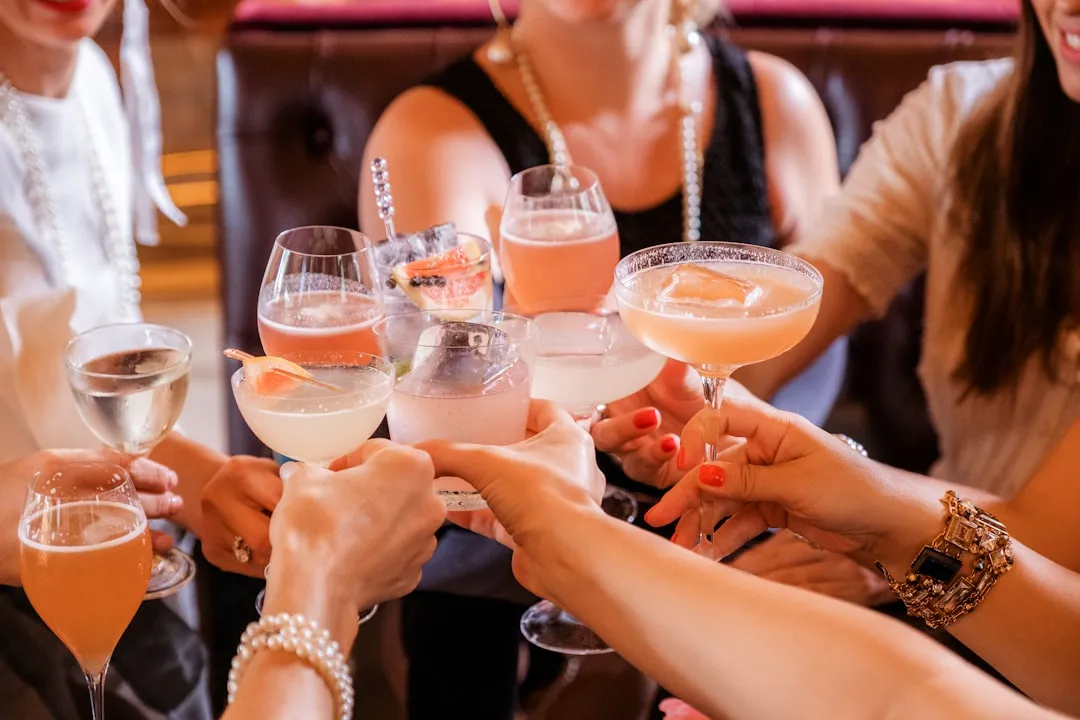
This one is practical and deeply appreciated. Bartenders are generally happy to manage group orders, but the advice from service professionals is to communicate your full order, or the need for separate tickets, at the very moment you place it. Arriving at the bar and ordering one drink, then returning moments later with three more requests, breaks the flow of service for everyone.
Pool bartenders manage a visual count of guests, active tabs, and drink stages simultaneously. A well-coordinated bar interaction, with clear communication from the guest side, allows the team to handle high volumes with ease and ensures customers are served promptly and efficiently. Grouping your order into one clean request is one of those small courtesies that quietly earns you goodwill for the rest of the afternoon.
The Takeaway
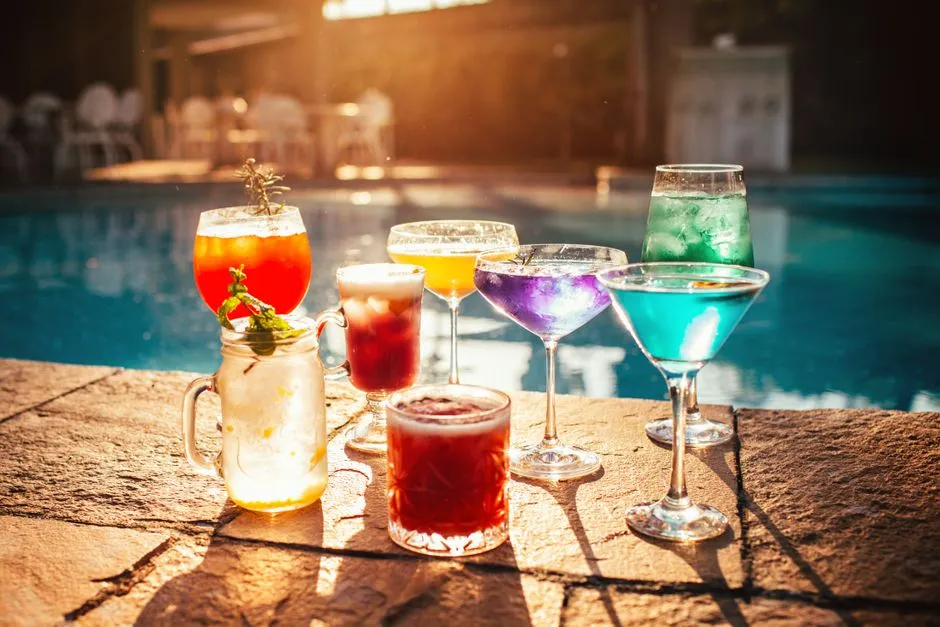
Pool bartenders aren’t gatekeepers. They’re skilled professionals working in genuinely demanding conditions, serving large numbers of guests who all want something cold and preferably right now. The guests who get served first aren’t necessarily the loudest or the most persistent. With roughly 756,700 bartending jobs recorded in 2024, and a notable share working outdoors at pool and beach bars, this is a real professional role with real craft behind it.
The people who tend to get the fastest, friendliest service are the ones who make the bartender’s job a little easier, tip with intention, communicate clearly, and treat the interaction as a genuine exchange rather than a transaction. Good service is reciprocated by a good tip, and a good tip leads to better service. At a resort pool bar, that loop is tighter and more immediate than almost anywhere else in the hospitality world. Work with it, and your glass will rarely stay empty for long.
AI Disclaimer: This article was created with the assistance of AI tools and reviewed by a human editor.