
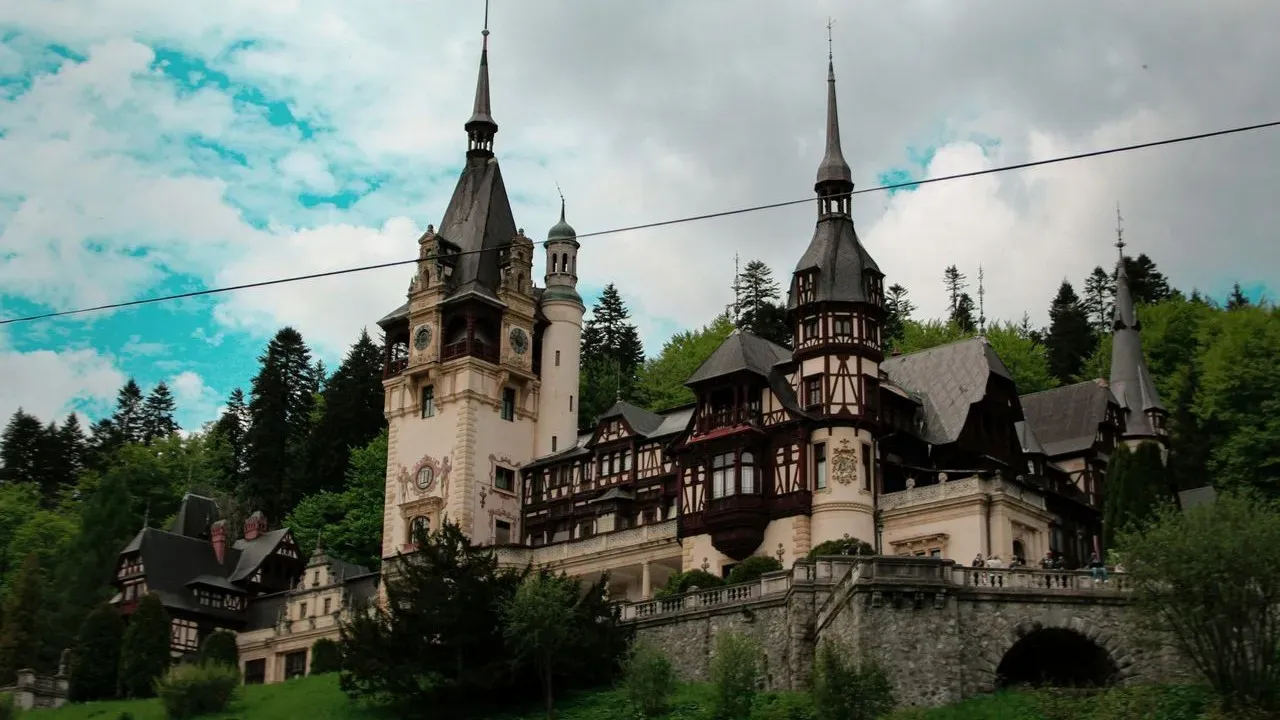

A traveler with deep family ties to Transylvania recently made her first visit to Romania, drawn by stories passed down through generations and a desire to experience the landscapes her ancestors once called home. The personal account, originally shared in The Observer, blends reflections on ancestry with observations of contemporary Romanian life and culture. Her path led from Bucharest into the countryside, where history, folklore, and everyday hospitality intersect in unexpected ways.
The Weight of Family Stories
Generations of the traveler’s paternal line trace back to Transylvania, with grandparents who left the region in the early twentieth century for new lives in New Jersey. Family gatherings often included Romanian dishes such as stuffed cabbage rolls and toasts with țuică, the traditional plum brandy that remains a staple of celebrations. These customs kept a connection alive even as daily life became thoroughly American. The traveler grew up hearing tales that linked her lineage to historical figures, including the fifteenth-century ruler Vlad Țepeș, whose wife Jusztina Szilágyi appears on the family tree according to some accounts. ([1])
Childhood Halloween costumes and school projects turned these stories into playful identity markers. One middle-school presentation contrasted a Mayflower ancestor on her mother’s side with the Transylvanian connection on her father’s. The contrast highlighted how heritage can feel both distant and vivid at once. Over time, the traveler came to view the journey to Romania as a way to ground those inherited narratives in place and experience.
First Impressions of Bucharest
Upon arrival, the traveler encountered a city that surprised her with its elegant boulevards and preserved Belle Époque architecture rather than the gray tones she had anticipated. Local drivers offered small Romanian flags and samples of țuică as gestures of welcome, setting a tone of immediate hospitality. Conversations revealed a country that has moved forward since the end of communist rule, with residents noting both progress and the familiar skepticism many feel toward government. The contrast between past hardship and present vibrancy became a recurring theme during the stay.
Visits to sites such as the former residence of Nicolae Ceaușescu underscored the distance traveled since 1989. Yet even in spaces tied to difficult history, guides and hosts maintained a light, open manner that echoed the traveler’s own family’s approach to the past. Modern developments, including large thermal spas with botanical gardens, illustrated how Romania has embraced contemporary leisure while retaining its distinctive character.
Into the Transylvanian Countryside
The drive into the Carpathian foothills revealed rolling landscapes that felt serene rather than foreboding. Villages and medieval structures appeared along the way, offering glimpses of rural life that contrasted with urban Bucharest. The traveler noted the region’s natural beauty and the way local guides framed the journey as a return rather than a simple visit. One guide remarked that everyone eventually steps on the land where they belong, a sentiment that resonated during the trip.
Bran Castle, long associated with the Dracula legend, served as a focal point. Built in the fourteenth century, the structure now hosts events that blend historical interpretation with seasonal festivities. Attendants greeted the traveler’s mention of family connections with warmth, emphasizing how the region’s history continues to shape local identity. Merchandise and cafés reflected a playful engagement with folklore that felt familiar from childhood stories back home.
Traditions That Bind Generations
Throughout the visit, țuică appeared at meals as both a practical custom and a symbol of shared heritage. Hosts explained its role in daily life and celebrations, often pairing it with dishes such as sarmale. Protective rituals tied to Saint Andrew’s Eve, including the use of garlic and basil, surfaced in conversations about longstanding customs that villagers still observe with a mix of seriousness and humor. These practices underscored the region’s layered relationship with its own legends.
The traveler also encountered a broader openness to visitors interested in ancestry. While Romania’s diaspora remains smaller than those of some other European nations, the personal welcome she received highlighted the value of direct cultural exchange. Guides and locals alike expressed pride in the country’s resilience and its capacity to welcome those reconnecting with their roots.
A Sense of Belonging
By the end of the trip, the traveler described feeling a quiet affirmation of identity that no single landmark could fully capture. The combination of historic sites, contemporary hospitality, and everyday rituals created a layered portrait of Romania that extended beyond any single narrative. Guides noted the luck of favorable weather during key moments, attributing it lightheartedly to the visitor’s heritage.
Such journeys illustrate how purposeful travel can deepen understanding of both personal history and living cultures. The experience left the traveler with a renewed appreciation for the threads that connect distant generations across continents. Romania, in this telling, emerges as a place where the past informs the present without overshadowing it.
AI Disclaimer: This article was created with the assistance of AI tools and reviewed by a human editor.