
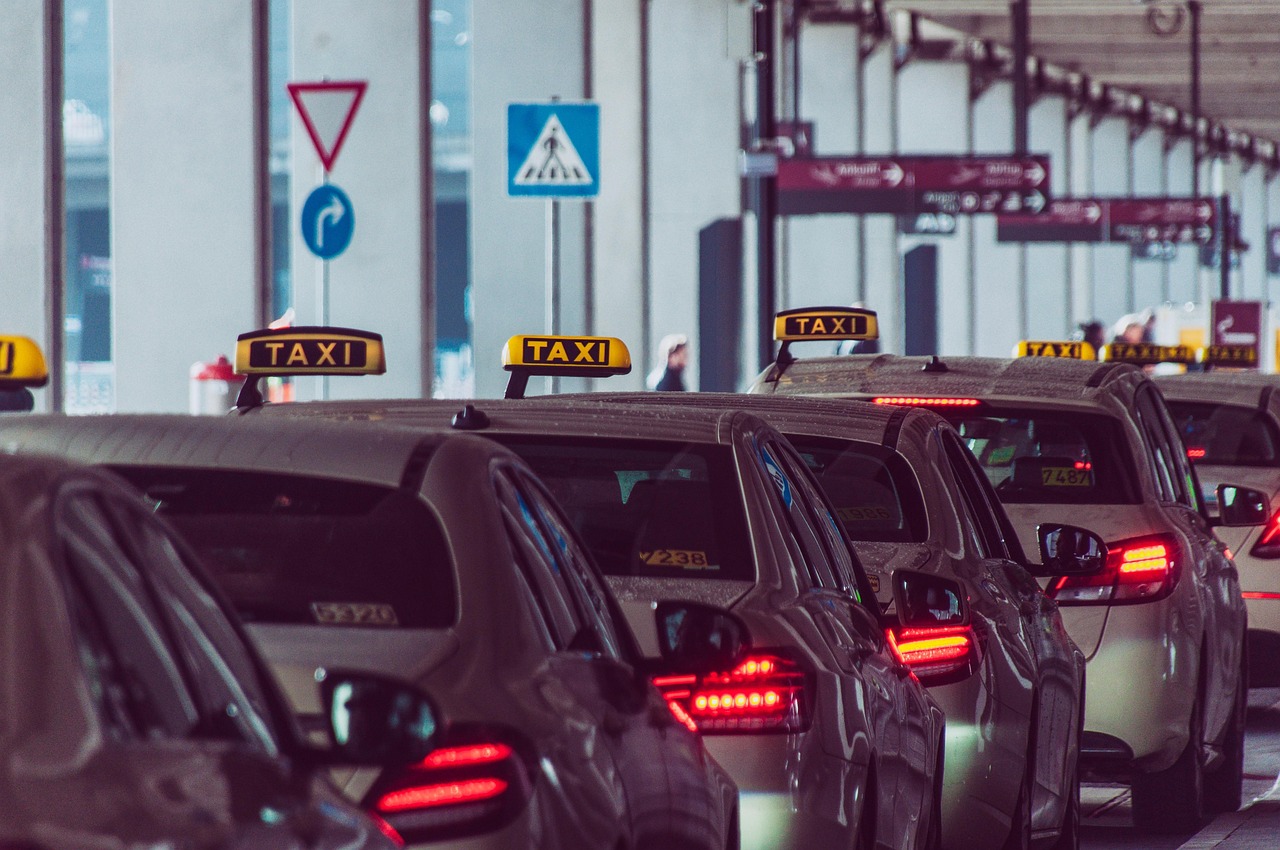
Getting picked up from a busy airport sounds simple on paper. In practice, it’s an exercise in patience, wrong turns, and missed connections with drivers circling the same block twice. What most travelers don’t realize is that experienced rideshare drivers have figured out exactly where to stand, when to request, and how to move through an airport to cut that chaos down significantly.
The insights below come directly from what drivers and transportation analysts have observed at major U.S. hubs. Some of it is counterintuitive. Most of it works.
The Designated Rideshare Zone Is Not Always Where You Think It Is
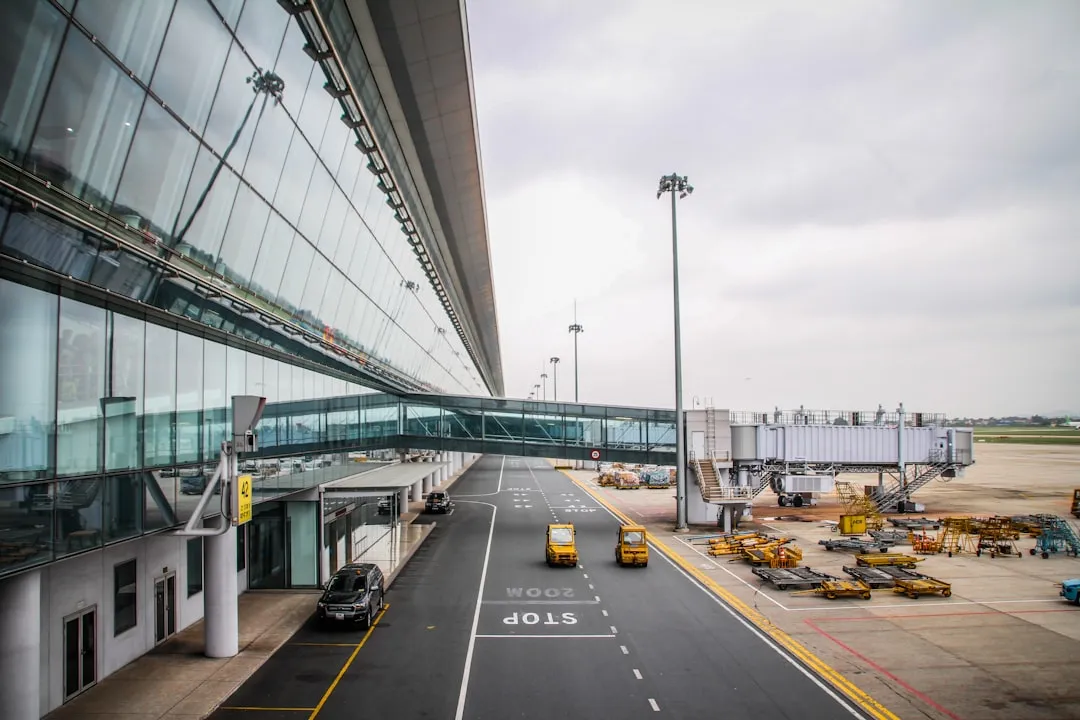
Every top-50 U.S. airport now operates a layered ground transportation system, with rideshare pickup zones that are often located offsite from the terminal itself. This surprises a lot of first-time travelers who assume they can just walk outside and get picked up at the curb. The reality is more structured than that, and not knowing the layout costs real time.
Rideshare is the most popular curbside option at every major U.S. airport, but it is not always the fastest. The post-pandemic shift to consolidated rideshare lots at places like LAX, Phoenix Sky Harbor, O’Hare, and LaGuardia has added anywhere from five to twenty-five minutes to the average pickup compared to 2019. That’s a significant window, and knowing where to go before you land changes everything.
At LAX, Timing Your App Request Is the Real Trick
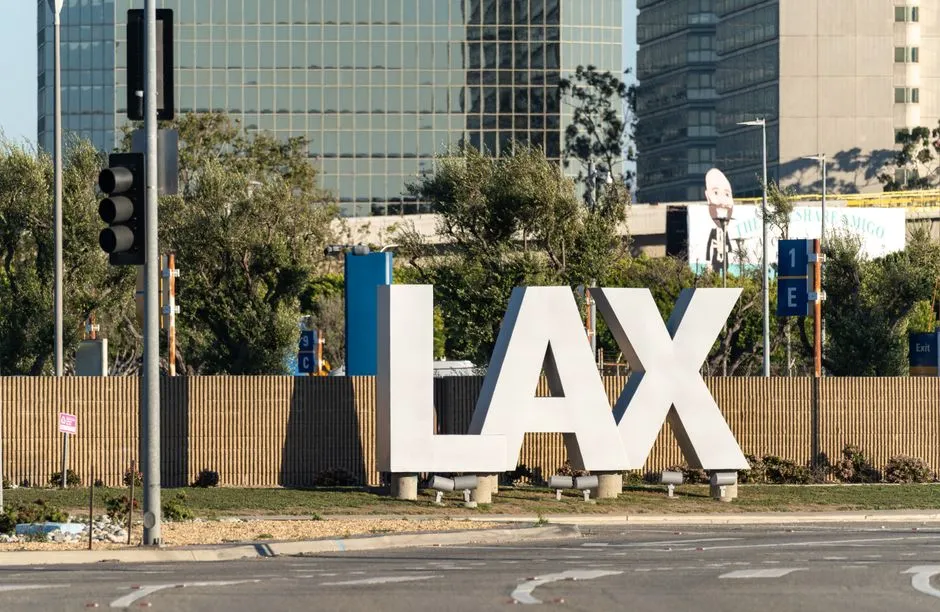
Since October 2019, LAX has operated a centralized rideshare pickup system that fundamentally altered how travelers connect with their transportation. Pickups are now managed through a dedicated LAX-it lot, designed to streamline airport ground transportation and reduce terminal congestion. What drivers have learned is that where you stand when you make the request matters just as much as the request itself.
The smartest LAX move is to delay ordering until you are almost at the correct pickup area. If you order too early, the driver may arrive while you are still following signs, waiting for the LAX-it shuttle, or trying to figure out where your terminal connects to the lot. A thirty-second delay in requesting saves you a much longer wait on the other end.
Depending on the terminal and time of day, the shuttle ride to the LAX-it lot alone can take upwards of thirty minutes, which is reason enough to factor that into your plan before you even touch down.
Atlanta’s Hartsfield-Jackson Has a Rideshare Volume Problem Worth Knowing
Atlanta’s Hartsfield-Jackson was on pace to welcome 3.3 million rideshare users in 2024, up from 3.1 million in 2023 and nearly double the 1.7 million recorded in 2021. For comparison, the airport was also on pace in 2024 to have just 463,000 taxi users. That gap tells you something important: rideshare has essentially replaced taxis at the world’s busiest airport, and the infrastructure is still catching up.
After you leave your terminal, disembark from the Plane Train, and pick up your bag from baggage claim, you then have to weave down a corner escalator, under a catwalk, and through a parking garage to find your driver. There are signs and often employees to help guide you along the way. Drivers who work ATL regularly say the key is not rushing that walk, because requesting the ride before you clear baggage claim almost always results in a wasted wait on both sides.
Charlotte Douglas Changed Its Pickup Rules in 2025
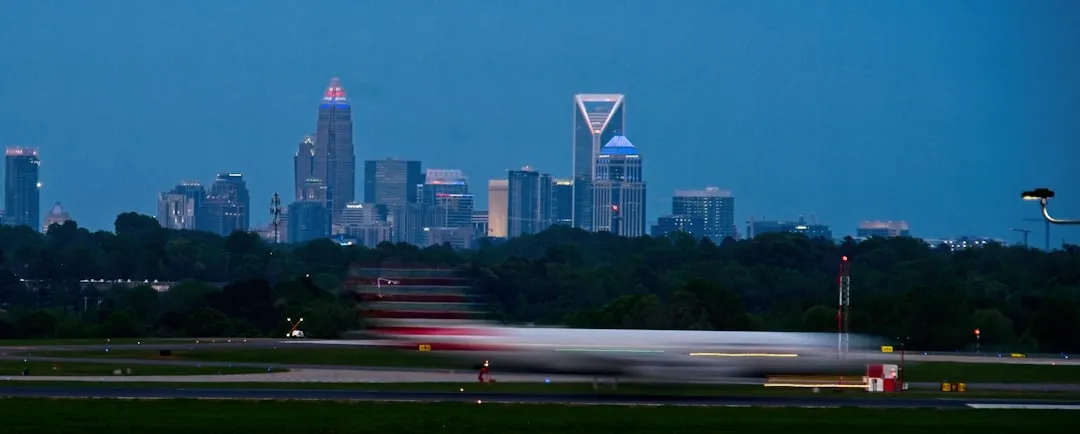
A surge of 58.8 million travelers passed through Charlotte Douglas International Airport in 2024, crushing the previous year’s count by 5.4 million people. That kind of growth forced the airport’s hand on ground transportation logistics, and the changes came quickly.
The airport’s new rules kicked in on March 28, 2025. Rideshare services must now use inner lanes at the upper-level departure zones. The goal is to slash wait times and make better use of the pickup areas. Personal vehicles are directed to outer lanes on both levels. If you’re flying through Charlotte and haven’t updated your mental map of the airport since 2024, the pickup spot you remember is no longer the right one.
The TNC Waiting Lot Is Where Drivers Stage, Not Where They Pick Up
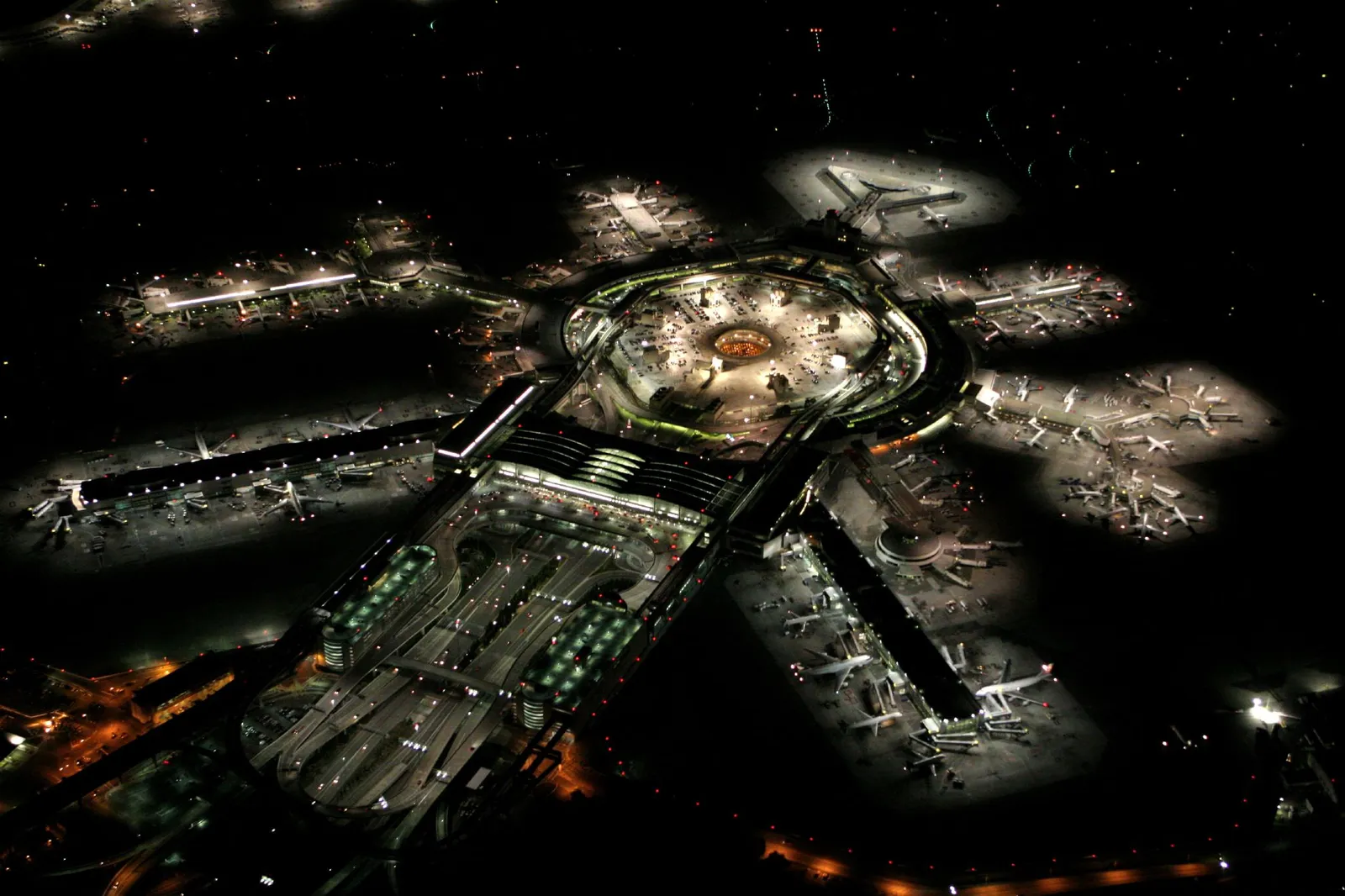
Every airport plays by its own rules. Major hubs like LAX, JFK, and Atlanta have different setups, from designated waiting lots to QR code scanning systems and placard requirements. What travelers often don’t understand is that drivers are typically parked in a separate staging area, waiting for a dispatch notification. They aren’t already outside your terminal.
For example, drivers at San Francisco International Airport must use the TNC (Transportation Network Company) lot and follow strict cell phone waiting rules. When you request your ride at SFO, your driver may still be several minutes away even before accounting for the drive to your pickup zone. Building that expectation into your timeline removes a lot of frustration.
Weekday Mornings Consistently Beat Weekend Evenings for Wait Times
Traveling on a weekday morning during commuting hours can bring your median pickup time down to four minutes. Weekend evenings, on the other hand, can push that wait to seven minutes. That’s nearly double, and it reflects how driver supply and demand shift across the week.
LAX, for instance, sees higher activity rates in the afternoons, while O’Hare shows more balance between pickup and drop-off patterns in the mornings and early afternoons. Every major airport has its own rhythm. Experienced drivers know these windows intuitively, which is why many of them time their arrivals at the staging lot to line up with peak flight arrivals rather than just showing up and waiting.
JFK Has the Highest Fares, Which Affects Driver Availability
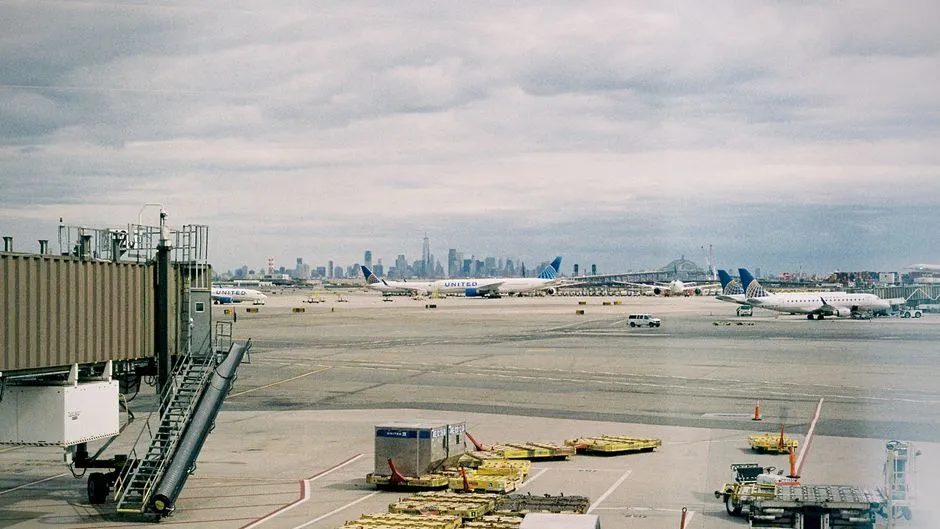
A review of Uber rideshare activity revealed that JFK airport carries the highest fares for pickups and drop-offs. The only period when JFK fares approached equality with other airports was late at night, between 9 p.m. and 6 a.m. Higher fares attract more drivers, which can actually work in passengers’ favor if you’re arriving during the right window.
Rideshare pickups are more profitable in Atlanta than at other airports, with mornings and early afternoons showing the greatest profitability. Drop-off rides also showed higher profitability in Atlanta than at other major hubs. When a particular airport is lucrative for drivers, more of them tend to be available, and your wait time reflects that.
Don’t Request the Ride Until You’re Physically at the Pickup Zone
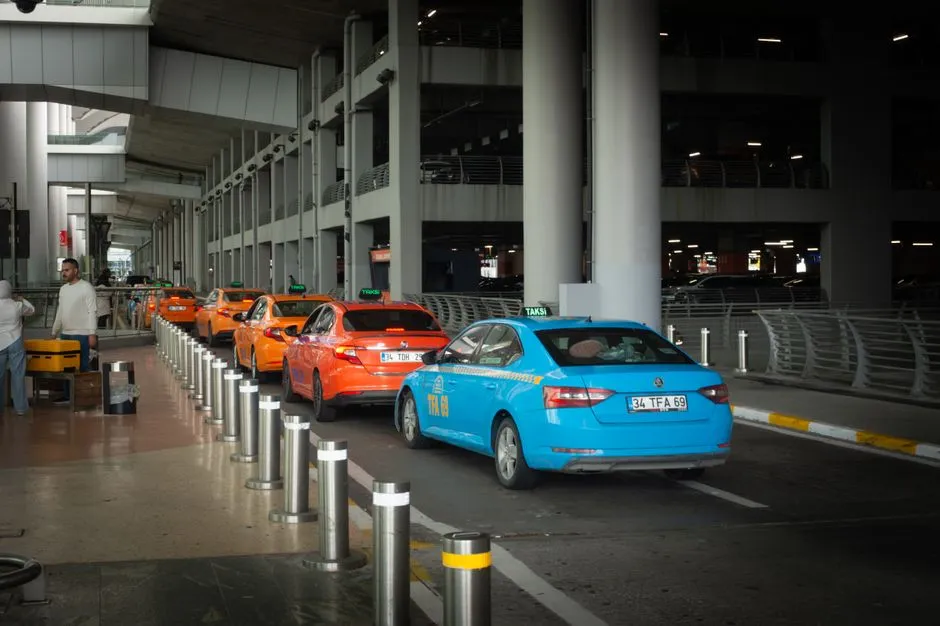
This is the single most repeated piece of advice from drivers who work airports full-time. Uber itself recommends that drivers call or text their rider to make sure they’re ready to go at the LAX-it lot before beginning the trip. That tip works both ways: passengers who wait to confirm their position before requesting avoid the awkward scramble of a driver who’s already arrived.
Designated rideshare lots, curbside pickup, and terminal pickup each come with different wait times, costs, and convenience tradeoffs. The fastest option isn’t always the one closest to the baggage carousel. At many airports, walking a few extra minutes to the correct zone means your driver can actually reach you without circling or getting stuck in a traffic bottleneck.
Flight Tracking Apps Give You an Edge Before You Even Land

Staying on top of delays, whether fog-related or otherwise, by checking a service like FlightAware before requesting your ride is a practical step that experienced travelers rely on. If your flight is delayed, there’s no point in your driver heading to the airport early. Many drivers now track inbound flights using the same tools.
Some driver apps include a tab showing peak arrivals and departures, which means the drivers who are best positioned to pick you up efficiently are often the ones who already know your flight’s status. Checking your own flight data and waiting until you’re close to the pickup zone to make the request keeps both sides in sync.
Airport Rideshare Spending Is Growing Fast, and Airports Are Adapting
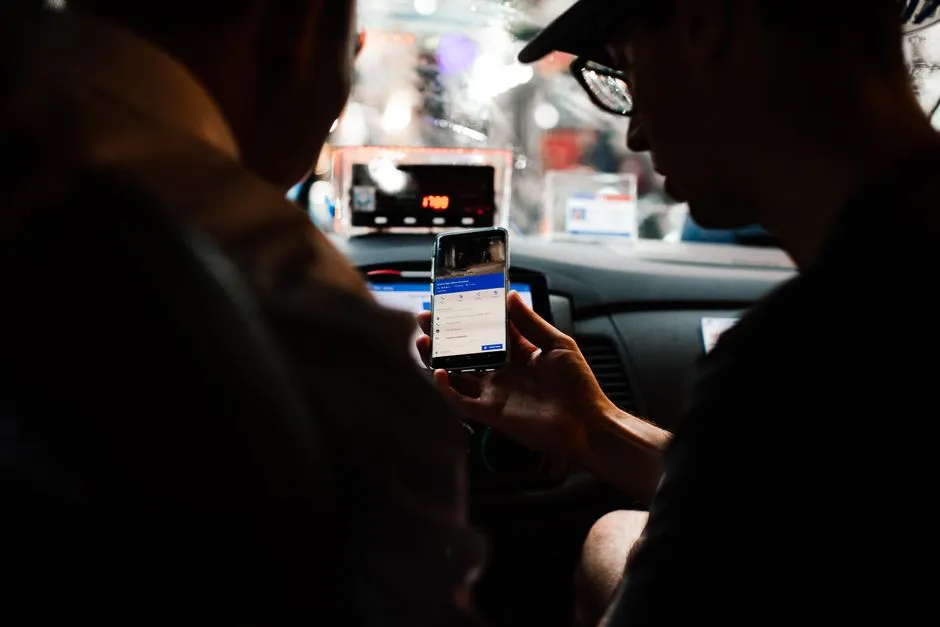
American travelers spent an estimated $4.2 billion on rideshare trips to and from airports in 2025, according to the Bureau of Transportation Statistics. That spending is growing at roughly twelve to fifteen percent annually as rideshare displaces taxis, rental cars, and hotel shuttles at every major U.S. airport. That scale of demand is reshaping how airports design their ground-level operations.
Airport rides cost more than typical trips, with surcharges, peak-hour surge pricing, and longer distances pushing the average airport rideshare fare thirty-five to fifty percent higher than a comparable in-city trip. Riders who understand airport-specific pricing, pickup logistics, and timing can save between ten and twenty-five dollars on every airport trip. That’s not a trivial amount over the course of a year of regular travel.
At Hartsfield-Jackson alone, rideshare companies bring in $12.5 million in revenue to the airport annually. Airports have a real financial incentive to make the rideshare experience work, which explains why pickup infrastructure has become a serious operational priority at major hubs.
The Takeaway
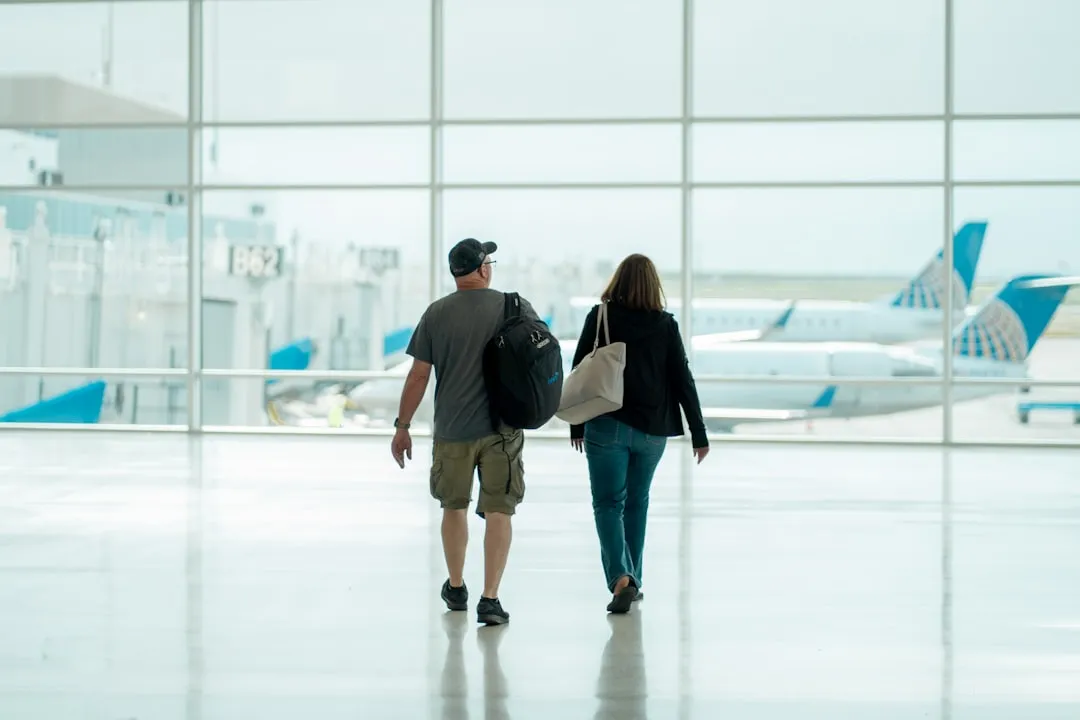
Most of the time lost at airport rideshare pickups comes down to a few simple variables: not knowing exactly where the pickup zone is, requesting too early, or underestimating how long it takes to get from baggage claim to the actual pickup point. None of those are unsolvable problems.
The drivers who make a living working airports have figured out the rhythms of each terminal, and their best advice is consistently practical rather than clever. Know the zone before you land. Don’t request until you’re almost there. Match your timing to flight data, not just your own impatience. Those habits alone will cut your wait time more reliably than any app feature or travel hack ever will.
AI Disclaimer: This article was created with the assistance of AI tools and reviewed by a human editor.