
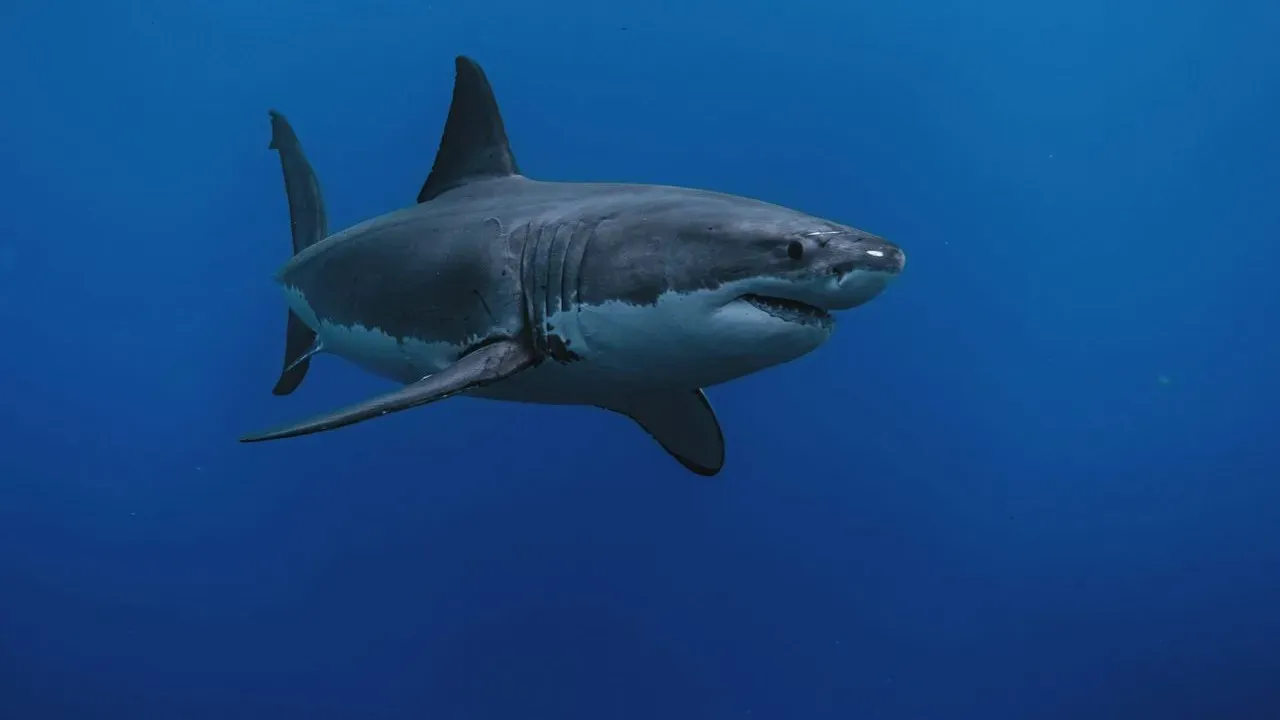

Along the Atlantic waters that border eastern Canada, a subadult great white shark named Ripple has drawn attention for covering substantial ground in a brief span. OCEARCH researchers documented the animal’s progress through satellite tags that transmit location data in near real time. The resulting track shows Ripple traveled 350 miles northward along the coast within a single week, offering a clear window into seasonal movement patterns that shape the region’s marine environment.
Following the Path
The week-long segment began with Ripple positioned farther south and concluded with the shark well to the north, hugging the continental shelf where cooler currents meet shallower banks. Such distances reflect the species’ capacity for sustained travel rather than random wandering. Observers note that the route stayed largely within Canadian waters, passing areas familiar to commercial fishers and recreational boaters alike.
Because the data arrive daily, scientists can compare this burst of movement against earlier tracks from the same individual. Ripple’s pace averaged roughly 50 miles per day, a figure consistent with other tagged great whites during summer months when prey species shift northward. The consistency of the signal suggests the shark maintained a steady heading rather than detouring into deeper offshore zones.
How OCEARCH Makes the Data Possible
OCEARCH operates a network of satellite-linked tags that record location, depth, and temperature whenever the shark surfaces. Each ping contributes to a growing map that researchers share with the public through an online platform. The organization’s work depends on careful capture-and-release protocols that minimize stress and allow the animal to resume normal behavior quickly.
Travelers along the Canadian coast can view the same tracks that scientists examine. The open data encourage a broader appreciation for the ocean’s scale and the animals that traverse it regularly. In this way, technology bridges the gap between remote research vessels and anyone curious about what moves beneath the waves.
Seasonal Context for Coastal Visitors
Summer brings warmer surface waters and an influx of baitfish that attract larger predators. Ripple’s northward progress aligns with these annual cycles, illustrating how great whites follow food resources rather than remaining in fixed territories. For those planning time near the shore, the information underscores the dynamic nature of the marine ecosystem they are entering.
Responsible viewing from boats or shorelines respects both the animals and the communities that depend on healthy oceans. Simple practices such as maintaining distance and avoiding chumming help preserve the conditions that allow such migrations to continue uninterrupted. The presence of tracked individuals like Ripple serves as a reminder that the coastline supports far more life than is visible from the surface.
What the Movement Reveals
Individual tracks contribute to larger datasets that refine understanding of population health and habitat use. Ripple’s rapid relocation adds one more data point to models that predict how changing ocean temperatures may influence future distributions. Over time, these records help managers balance conservation needs with sustainable use of marine resources.
The journey also highlights the value of long-term tagging programs that span multiple years. A single week’s travel becomes meaningful only when placed alongside previous seasons and the paths of other tagged sharks. Such continuity transforms isolated sightings into a coherent picture of ocean connectivity.
Tracking programs like OCEARCH’s demonstrate how technology can foster respect for wildlife without requiring direct encounters.
Stories of individual animals such as Ripple invite coastal travelers to consider the broader ocean system that supports both human activity and marine life. Continued monitoring will show whether this week’s movement represents a typical summer pattern or an outlier influenced by specific conditions. Either outcome adds to the collective knowledge that guides thoughtful stewardship of North America’s Atlantic waters.
AI Disclaimer: This article was created with the assistance of AI tools and reviewed by a human editor.