
Every Seat Travels the Same Speed – Sort Of
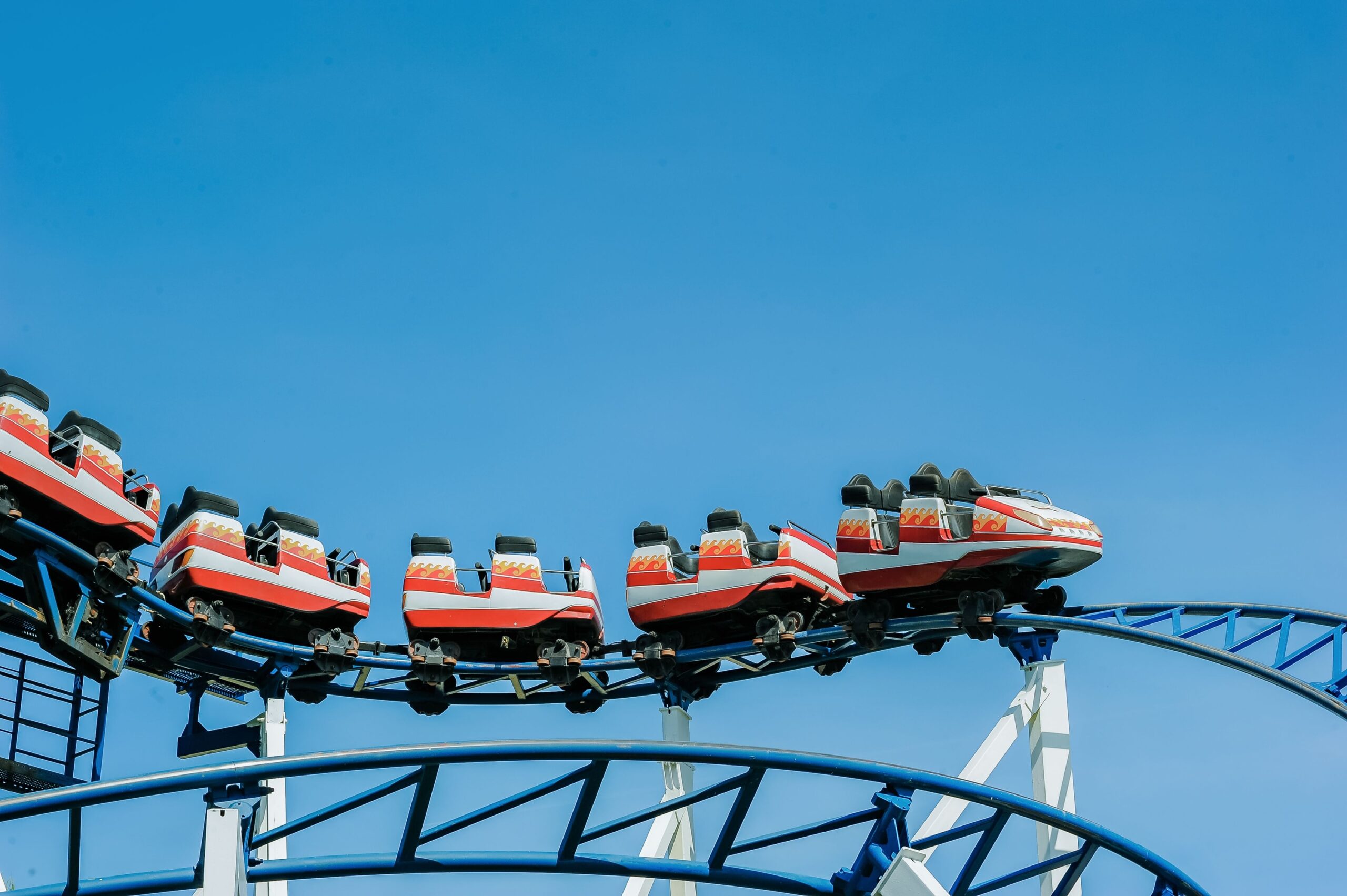
This is the detail that catches most people off guard. Every car on the train travels at the same speed at any given moment, because it’s a rigid body. That’s basic physics. There’s no cheating it.
Where things get genuinely interesting is in how speed is perceived rather than measured. The visual component of the roller coaster ride is important because it gives you a sense of speed and peril – coaster designers intentionally weave the track around obstacles to make you feel like the ride is out of control.
What engineers have come to understand is that the sensation of speed is constructed from multiple inputs: wind, visual cues, g-forces, and timing. None of those are uniform from one seat to another.
The Physics of the Train’s Center of Mass
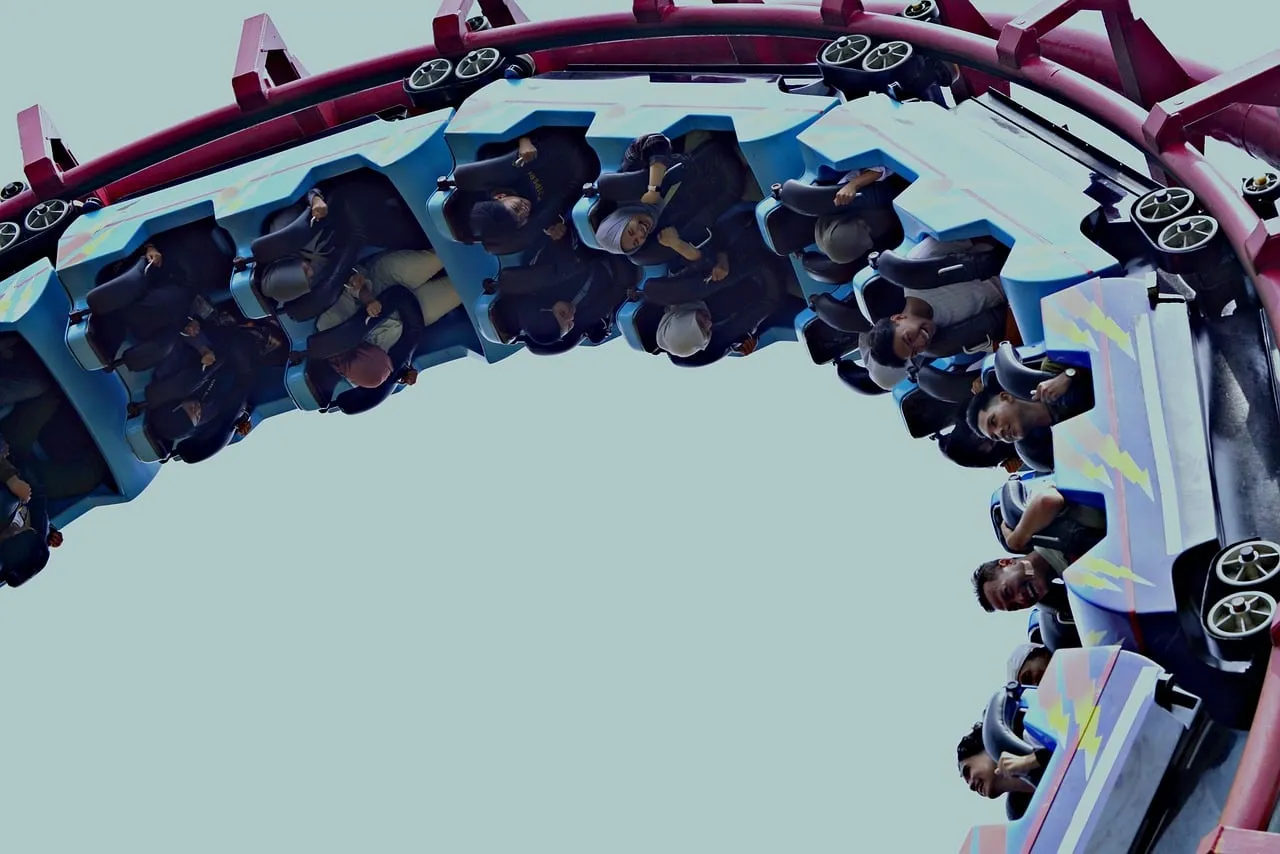
For roller coaster design engineers and physicists, a coaster train isn’t a uniform rigid block, but a set of interconnected masses. It’s the position of the center of mass – the gravitational balance point of the convoy, generally located in the middle of the train – that dictates the speed of the whole at every moment of the course.
This is the foundation of why seat position matters. As the train moves through hills and drops, the forces experienced by each car shift depending on where that car sits relative to the center of mass. Gravity, inertia, and acceleration are the fundamental physics concepts that form the backbone of roller coaster design.
Why the Back Seat Has a Reputation for Intensity
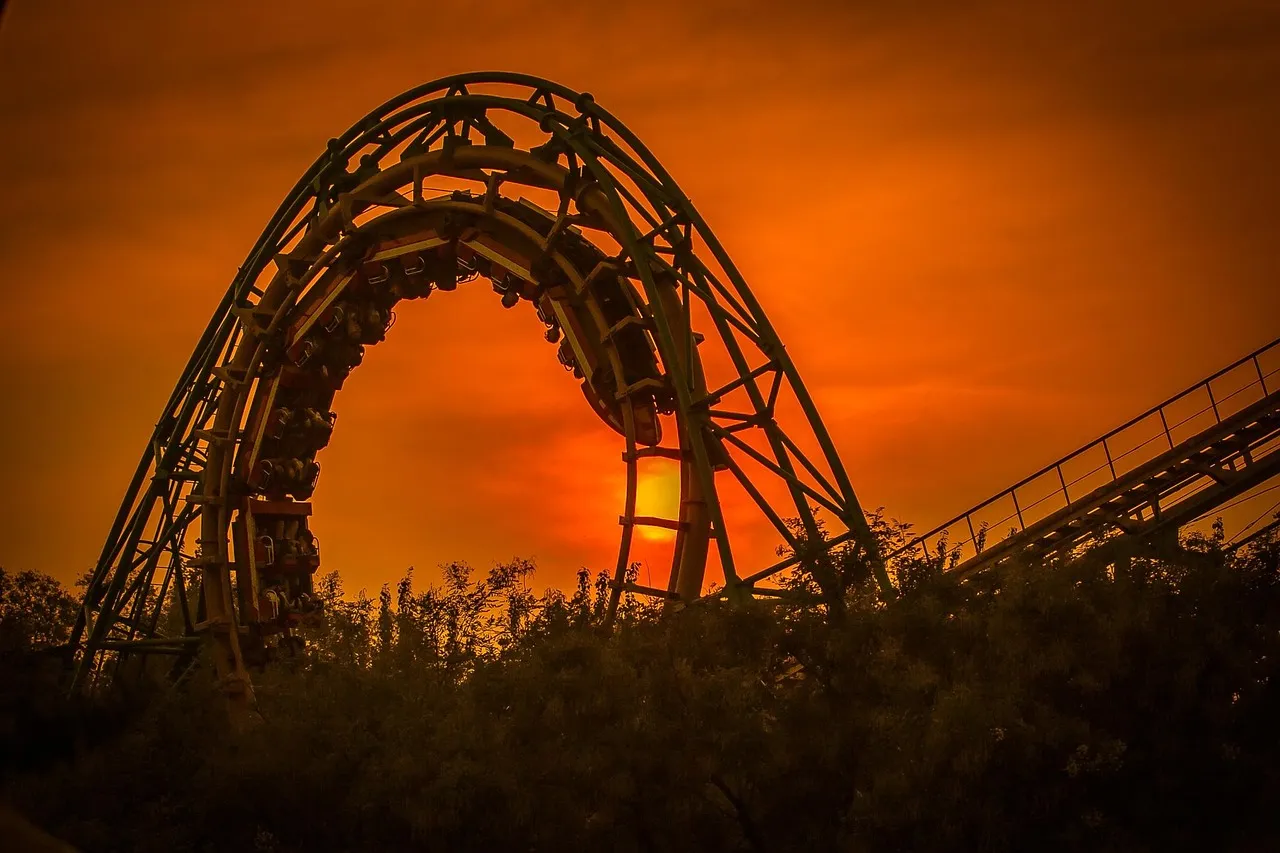
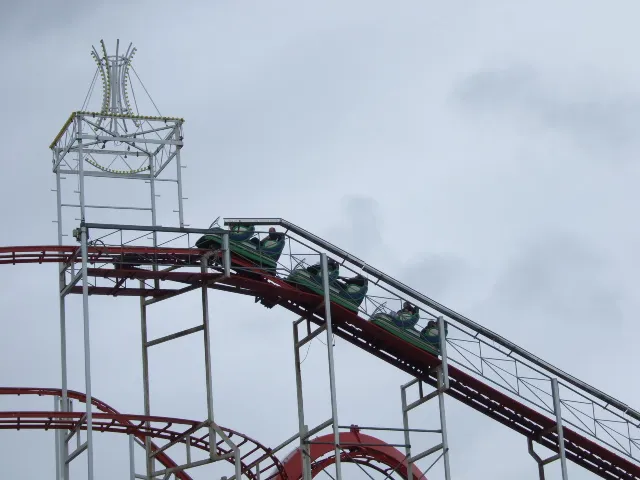
The last car undergoes the most violent whip effect of the train. Sucked in by the lead cars already engaged in the slope, it tips into the descent at a much higher initial speed than at the front. This is what enthusiasts mean when they talk about being “thrown” over a hill.
Riding in the back is thus the way to go – not because you go faster than the front, but because you go faster at the top of the hill. That distinction is critical, and it’s one engineers are precise about.
In the drops, accelerometers systematically record very powerful negative G peaks at the back – sometimes less than -1G. You are literally torn from your seat and held back only by your harness. That sensation is called ejector airtime, and the back seat delivers it most aggressively.
The Whip Effect, Explained
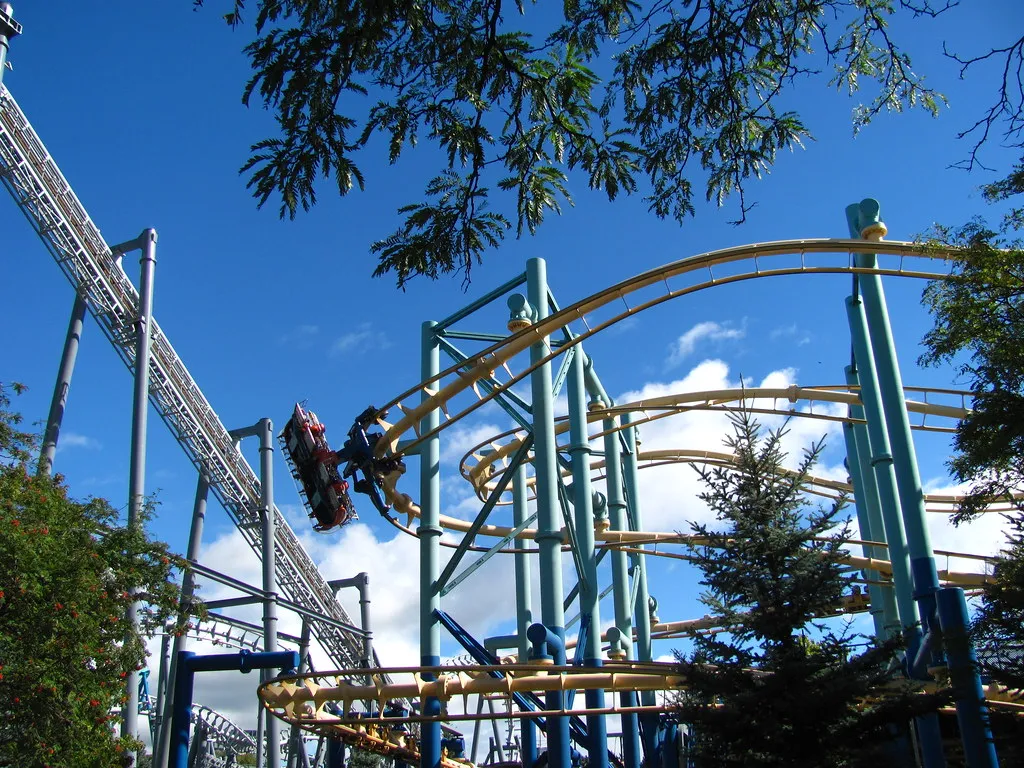
Once the front car reaches the top and begins heading down again, gravity causes the whole train to accelerate as it goes further down the hill. This action in turn pulls the second car a little faster over the precipice than the first, and the third faster than the second, resulting in the last car being dragged over the hill the fastest.
Some coasters are designed to create “whipping” sensations where riders are whipped side-to-side as the train navigates curves. In the back seat, that lateral snap is amplified further because the rear cars are trailing the train’s turning arc, not leading it.
What the Front Seat Actually Delivers
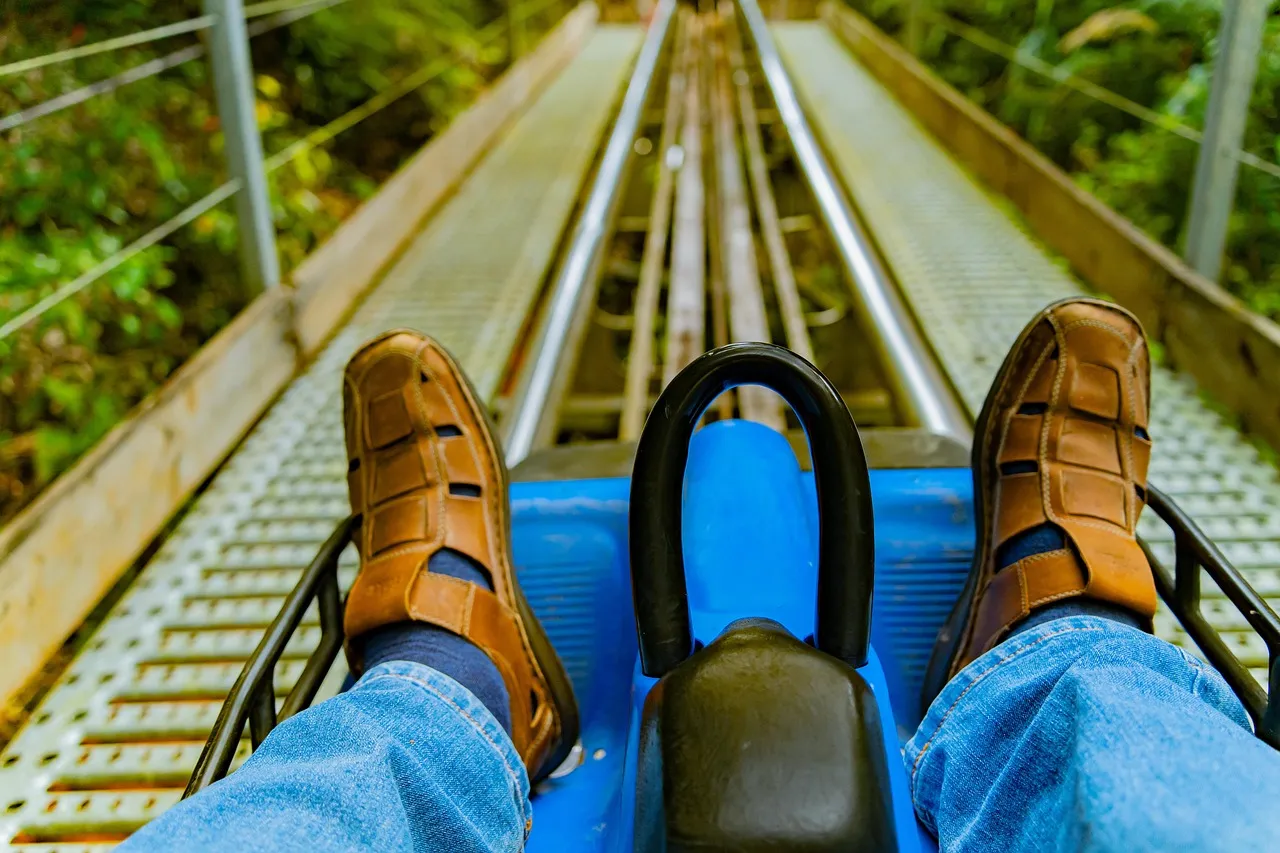
The front seat offers a completely different kind of intensity. The front row feels faster because of wind blast and unobstructed visual flow. With no riders ahead of you breaking the airstream, a 70 mph coaster delivers its full 70 mph of wind directly into your face – a sensation that registers psychologically as raw speed.
Total immersion comes from the fact that no passenger blocks your horizon. You see the rail disappear under your feet, which increases the psychological impact of the layout, especially on inverted coasters. The wind hits you full force, increasing the perception of speed.
At the top of the hills, the front offers a very airy and progressive airtime, giving the sensation of floating like an astronaut in space. It’s gentler than the back, but the visual experience in the front is unmatched.
G-Forces and What Your Body Actually Feels
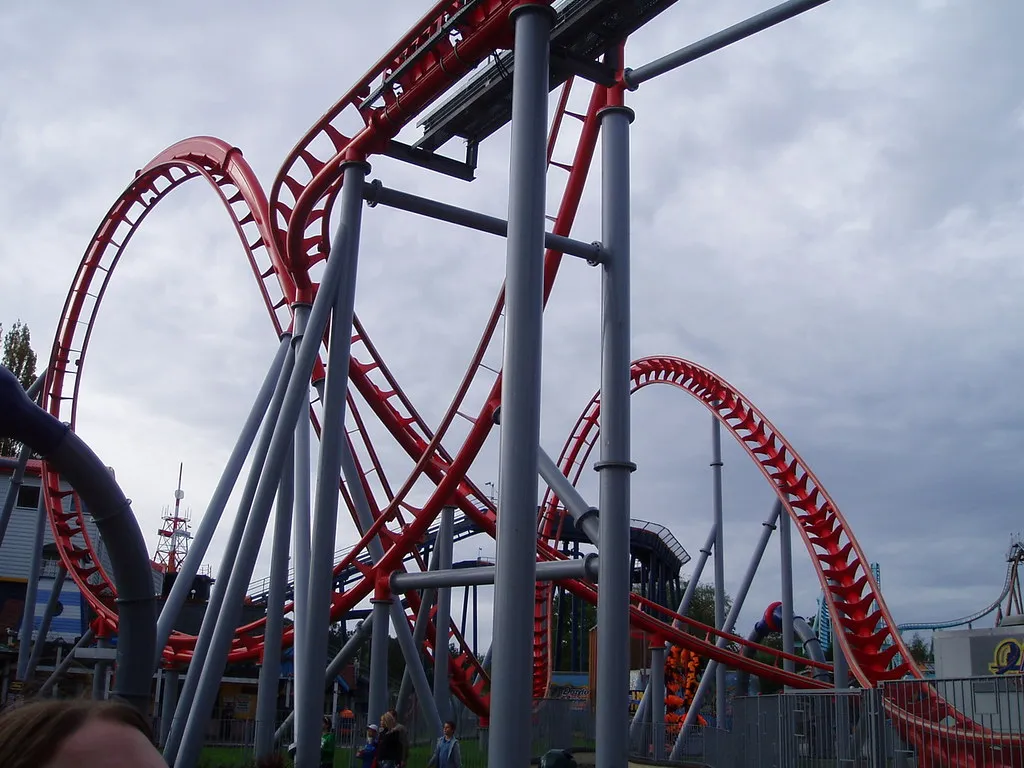
Positive G-forces occur when the force is greater than the standard pull of gravity, such as when a coaster rapidly changes direction or goes through a loop, pushing riders into their seats. Negative G-forces occur when the force is less than gravity’s pull, giving riders the sensation of weightlessness or being lifted out of their seats – often called airtime.
Roller coaster riders typically experience 2 to 5 Gs, though some intense coasters can reach 6 or more Gs briefly. At the back of the train, those numbers spike more sharply because the car enters curved sections at the train’s absolute maximum speed.
At the bottom of the slopes, the back undergoes the most crushing positive G-forces, because the car enters the curve at the exact moment the train reaches its absolute maximum speed. For riders who want to feel the full weight of the machine, that’s the place to sit.
The Middle Seat: Closer to the Engineer’s Intent
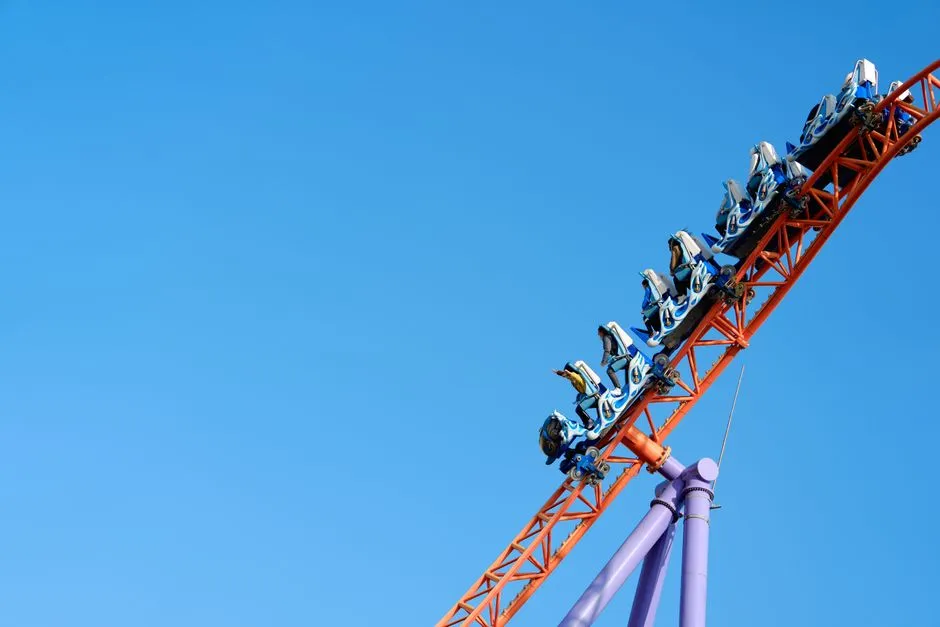
The middle of the train tends to be underrated. Coaster enthusiasts sometimes dismiss the middle of the train as the “boring” choice, but the physics is real: the closer you sit to the train’s center of mass, the closer your ride matches the designer’s intended forces.
Often overlooked, the central rows nevertheless have very solid objective arguments, especially for those looking to appreciate the purity of a layout. The middle of the train corresponds most closely to the initial dynamic calculations of engineers on their design software.
It’s a more balanced ride – smoother on the hills, less whip in the turns, but still genuinely exciting. Many experienced riders return to the middle specifically to notice details of a layout they missed while clinging on for survival in the back row.
How Launch Coasters Change the Equation
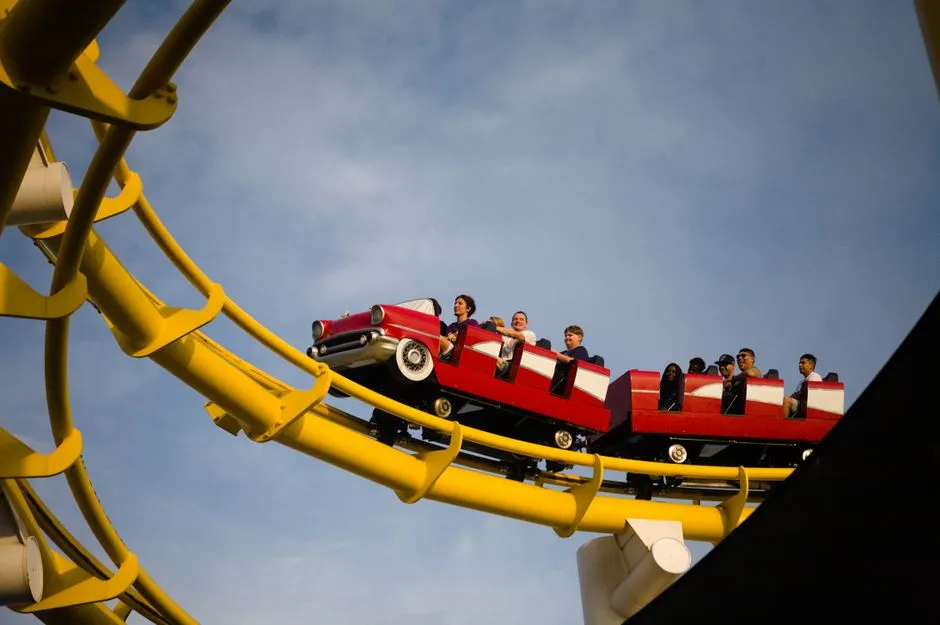
On a launched coaster, the acceleration is identical for every seat – but the experience isn’t. The moment of the launch itself is equalised across the train, since a linear synchronous motor or hydraulic system propels every car at once.
Back-row riders on launches get a subtle bonus: by the time your car hits the launch track, you’re watching the rest of the train already screaming ahead of you – a violent visual cue that makes the acceleration read as even more sudden. It’s perception engineering at its most effective.
Hydraulic launch systems generate immense short-burst power – Formula Rossa accelerates from 0 to 149 mph in 4.9 seconds. LSM launches, used in Top Thrill 2 and other modern coasters, allow for precise multi-pass magnetic acceleration. Both technologies deliver that initial punch uniformly, but the rider’s relationship to the train still shapes what they feel.
The Role of Psychology in Speed Perception
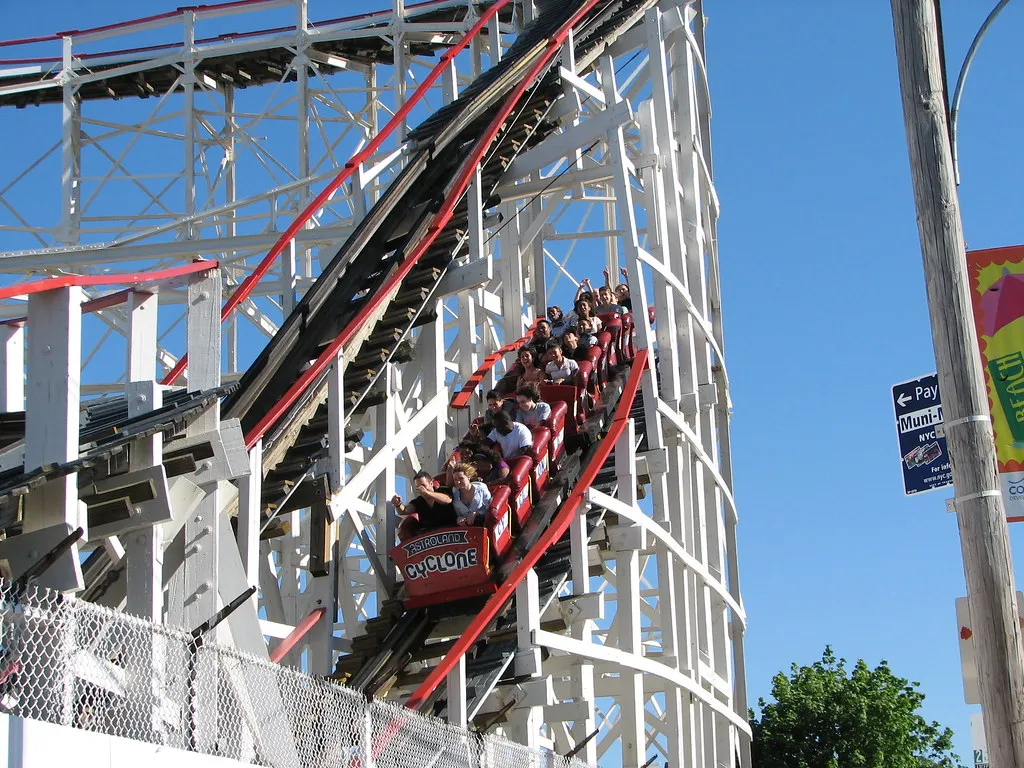
It is the rapid changes in force that make roller coasters so exciting. Research by thrill engineer Brendan Walker at Middlesex University London found that the arousal aspect of emotions is “almost inextricably tied to changes in G-force.”
The jounce and the jerk – the differentials of acceleration – each have an impact on our levels of arousal as they change. When you ride, you experience a heightened state of stimulation, as your heart pumps fast and your blood pressure increases. The back seat maximises every one of those differentials.
This matters because it reveals that the “fastest” seat is partly a psychological construct. Engineers design these experiences knowing that what riders perceive and what instruments measure are two very different things.
What the World’s Fastest Coasters Tell Us About Seat Design
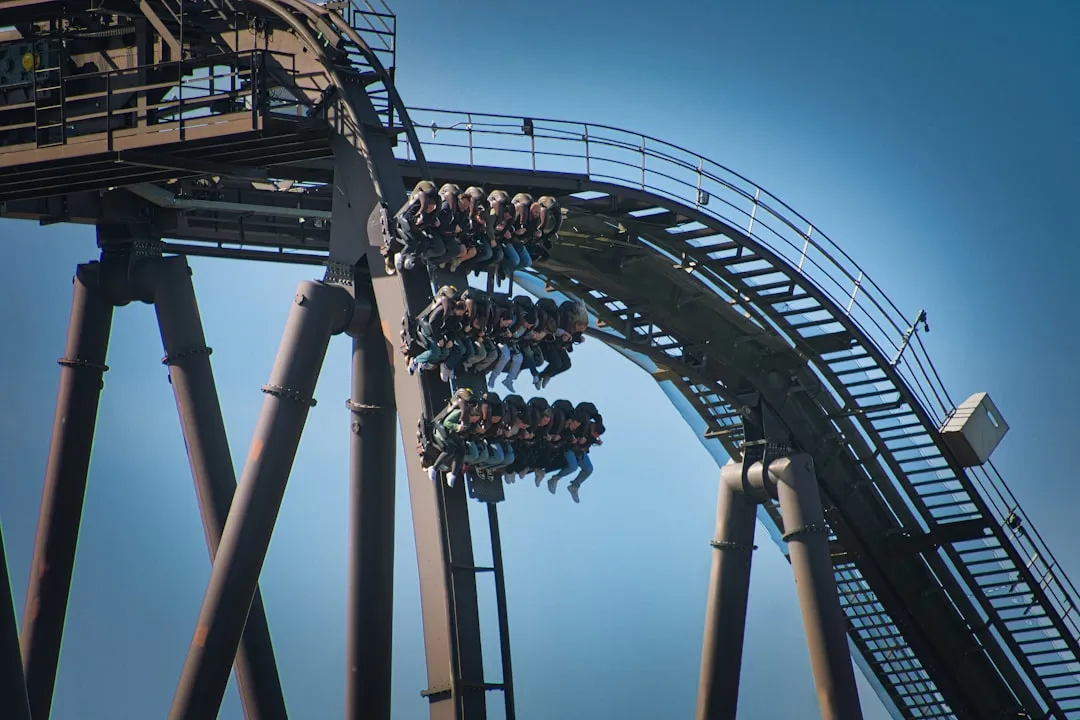
Roller coasters have become taller, longer, and more technologically advanced, but few statistics capture public attention quite like top speed. The fastest roller coasters in the world accelerate riders to speeds normally associated with racing cars, combining powerful launches, enormous drops, and highly specialised engineering.
Falcons Flight at Six Flags Qiddiya City in Saudi Arabia currently leads the world with a top speed of 250 km/h. Formula Rossa at Ferrari World Abu Dhabi reaches 240 km/h. Top Thrill 2 at Cedar Point reaches 193.1 km/h, making it the fastest operating roller coaster in North America.
On rides operating at those velocities, seat position becomes even more consequential. The forces amplified in the rear cars of a 120 mph coaster are meaningfully more intense than on a slower family ride. Engineers on high-speed projects spend considerable time modelling those rear-seat force profiles to ensure they stay within safe limits.
The Verdict From Engineers and Enthusiasts
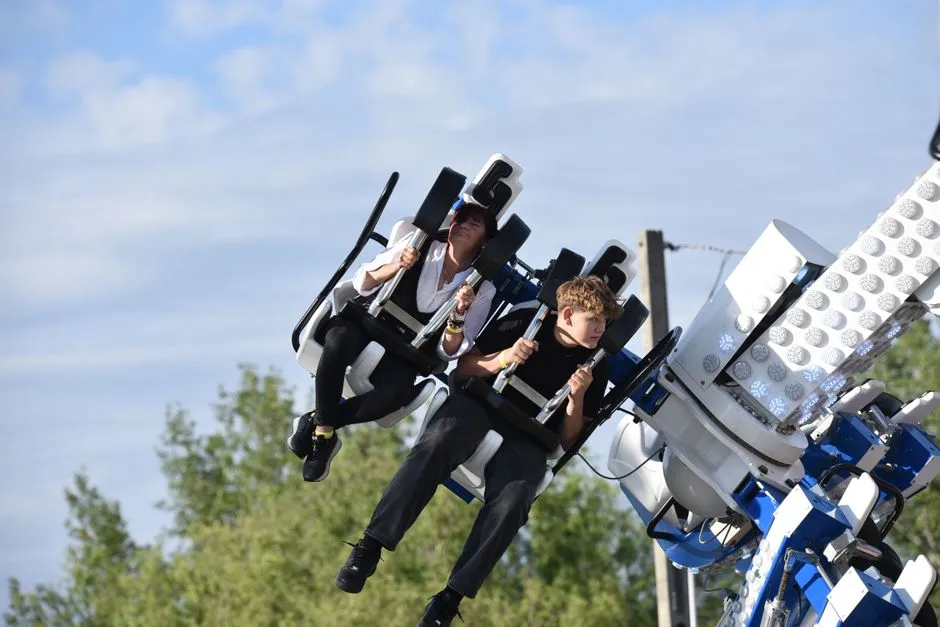
The back seats offer a more intense ride due to increased acceleration over the hills, while the front seats provide an unobstructed view and a sense of speed. Middle seats offer a milder experience for those who prefer less intensity. That summary, while simple, holds up under the physics.
Understanding the principles of gravity, inertia, and acceleration can push the limits of what’s possible in designing heart-pounding and safe rides. This delicate balance between thrill and safety is where the science of roller coaster physics meets the art of engineering.
Amusement rides are entering the “EST” economy: tallest, fastest, highest, biggest. As that race continues, the question of where to sit will only become more meaningful – because on a 150 mph machine, a few rows of seats can feel like an entirely different ride.
The Takeaway
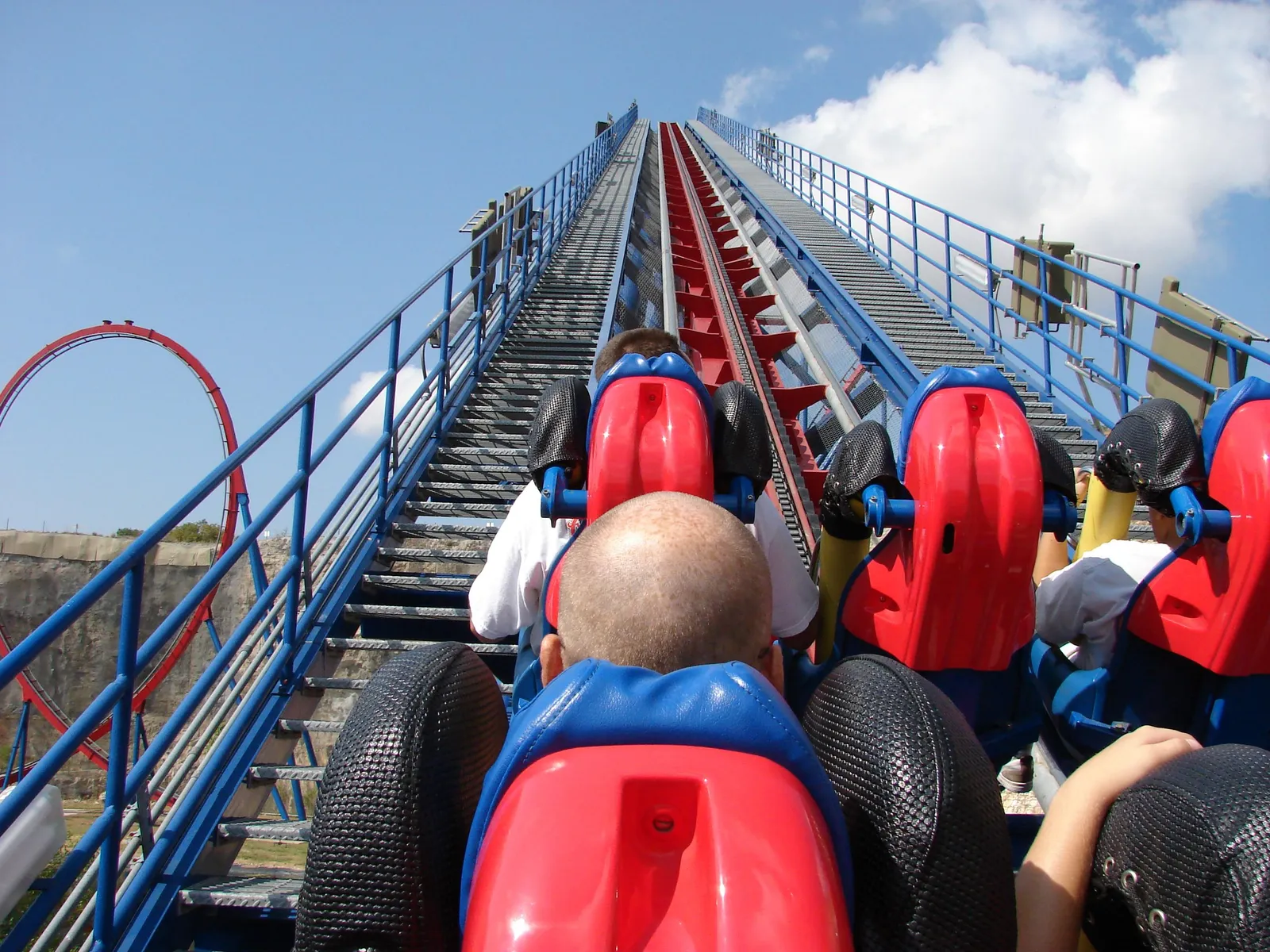
The seat that feels the fastest isn’t necessarily the one with the highest number on the speedometer. The back seat wins on raw force and whip intensity. The front wins on visual immersion and that full-blast wind sensation. The middle, quietly, is what the engineer actually designed.
Speed is as much felt as it is measured. The next time you’re in the queue debating where to sit, you’re not just picking a preference – you’re choosing which part of the physics you want to experience most directly.
That’s the detail most riders never quite articulate but feel every time they get off the ride and want to go again, straight to a different car.
AI Disclaimer: This article was created with the assistance of AI tools and reviewed by a human editor.