
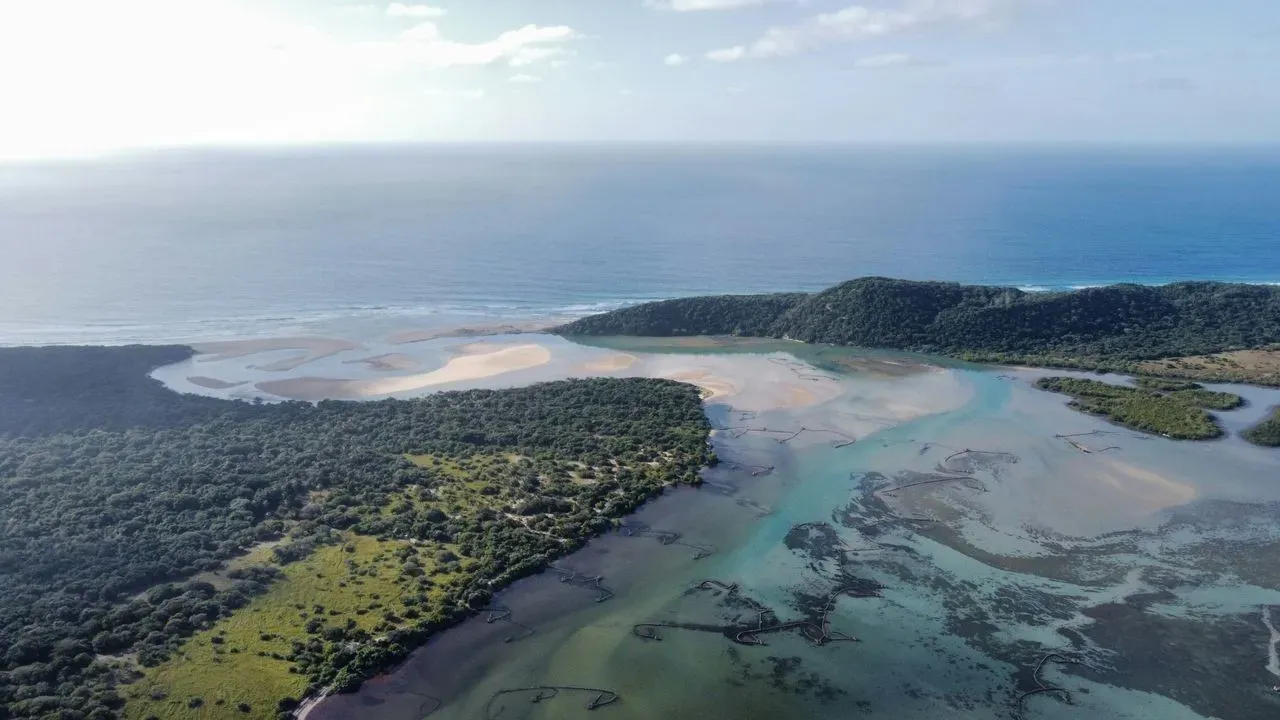

The Rosario Islands form a compact archipelago just off Colombia’s Caribbean coast, where clear waters shelter extensive coral formations and secluded coves. Travelers typically reach the area by boat, stepping into shallow bays that open onto vibrant underwater gardens. One such landing point is La Playita on Isla Grande, a sheltered snorkeling spot framed by palms. The islands carry a layered history that some visitors encounter only after arrival. ([1])
Reaching the Reefs by Sea
Approaching the islands by boat offers the first clear view of the turquoise shallows that define the Rosario archipelago. The journey from the mainland passes through protected waters that support diverse marine habitats. Upon arrival at smaller bays, the transition from open sea to calm inlets feels immediate. Snorkelers can slip into the water directly from the shore or a small pier, with the reef beginning just a short swim away.
These reefs remain relatively intact compared with more heavily visited Caribbean sites. The coral structures create natural channels and small drop-offs that reward slow, attentive exploration. Visibility often stays high enough to observe parrotfish, angelfish, and occasional rays moving through the formations. Local operators tend to limit group sizes, helping preserve the quiet character of each cove.
Isla Grande and the Character of La Playita
Isla Grande serves as a central hub for many day visitors and overnight guests. Its coastline includes several protected beaches and small mangrove edges that shelter juvenile fish. La Playita stands out for its gentle slope into the water and the nearby reef that begins within easy reach. The setting encourages unhurried time in the water rather than rushed itineraries.
Palms and low vegetation frame the beach, providing natural shade without the need for extensive infrastructure. The island’s modest scale keeps development contained, allowing the natural rhythm of tides and light to shape the experience. Many travelers note that the combination of accessible reef and simple shoreline creates a balanced setting for both swimming and quiet reflection.
A Storied Past as Background, Not Focus
Some accounts link one of the islands to figures from Colombia’s past, yet the connection remains contested and secondary for most visitors. The primary draw continues to be the living reef system and the chance to observe marine life in a relatively undisturbed environment. Travelers who arrive without prior knowledge of any historical associations often leave with the same emphasis on the natural setting.
Respectful engagement with local communities and park regulations helps maintain the islands’ ecological balance. Guides frequently share information about coral conservation and the importance of avoiding contact with fragile structures. This approach aligns with broader efforts to protect the archipelago as part of Colombia’s coastal heritage.
Deciding How Long to Stay
Many visitors find that two to three nights allow a comfortable pace for snorkeling, short hikes, and time on the water without feeling rushed. A single full day can cover the main reef areas around Isla Grande, yet an extra night opens opportunities to explore quieter coves at different light conditions. Longer stays suit those who wish to combine reef time with visits to neighboring islands in the group.
Practical considerations include boat schedules, availability of simple lodging, and the need to carry reef-safe sunscreen and reusable water bottles. Local operators can advise on tides and the best windows for visibility. Planning around these details supports a low-impact visit that benefits both travelers and the marine environment.
Traveling with Intention
The Rosario Islands reward visitors who arrive prepared to move slowly and observe closely. Choosing operators that follow park guidelines and support local livelihoods strengthens the long-term health of the reefs. Small choices, such as limiting single-use plastics and staying on marked paths, contribute to the preservation of the archipelago’s clear waters and coral gardens.
Ultimately, the islands offer a measured Caribbean experience centered on natural detail rather than spectacle. Those who spend time here often carry away a deeper appreciation for Colombia’s coastal ecosystems and the quiet value of thoughtful exploration.
AI Disclaimer: This article was created with the assistance of AI tools and reviewed by a human editor.