
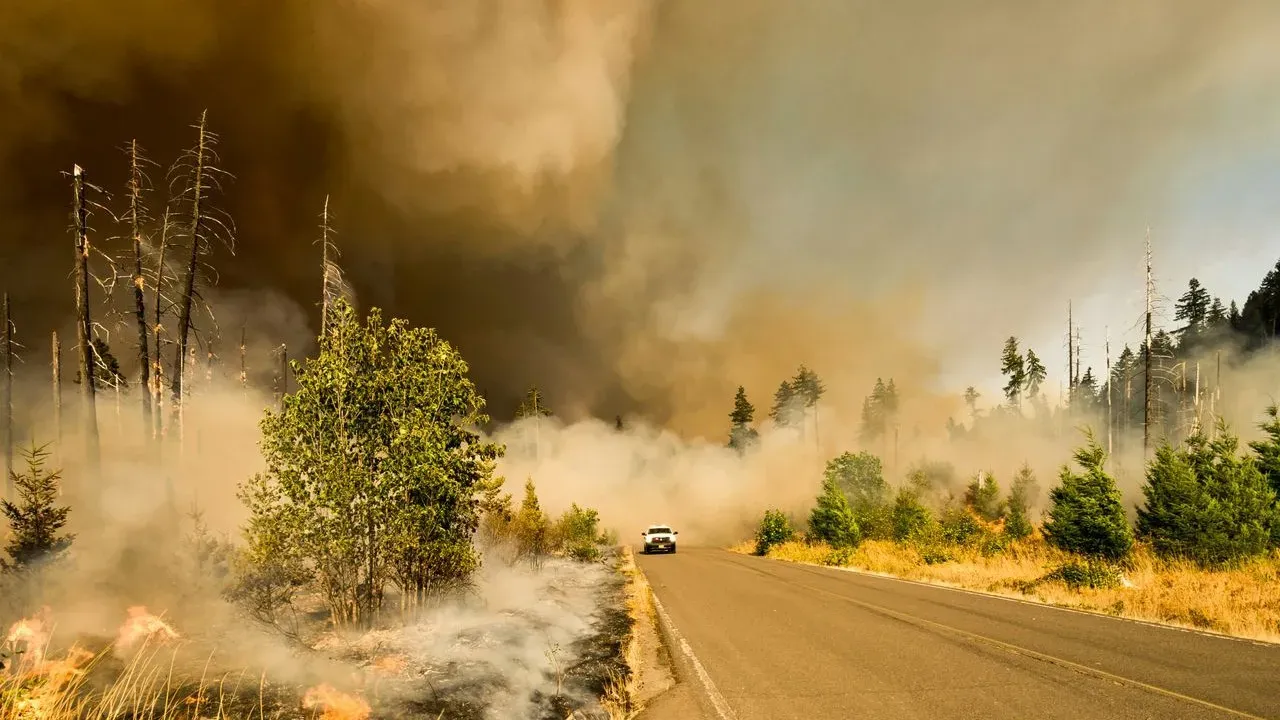

North Texas – The Ross Fire has grown to more than 80,000 acres in Palo Pinto and Jack counties, prompting evacuations, road closures, and school disruptions for residents and visitors alike. The blaze continues to move through rural landscapes near the Dallas-Fort Worth region, creating immediate practical challenges for anyone with travel plans in the area. Travelers monitoring routes through these counties will want current details on access and conditions before setting out. ([1])
Scale of the Fire and Local Response
The fire’s rapid growth has required coordinated efforts from local fire crews and emergency management teams working to protect communities. Officials have focused on containment lines while supporting residents who have been asked to leave their homes. These measures reflect the standard approach to large wildfires in the region, where dry conditions can allow flames to advance quickly across open land.
Evacuations and Road Closures
Evacuation orders remain in place for portions of Palo Pinto and Jack counties, with several roads closed to through traffic. Travelers relying on routes that pass near the fire perimeter should check official updates from county authorities or the Texas Department of Transportation before departure. Alternative paths may add time but help avoid restricted zones and support ongoing response operations.
Effects on Schools and Daily Life
Several schools in the affected counties have adjusted schedules or moved to remote learning while the fire is active. Families and educators are adapting quickly, and visitors planning visits to local attractions or events should confirm whether sites remain open. These temporary changes underscore how a single wildfire can ripple through everyday routines in small communities.
Guidance for Travelers
Anyone considering travel near North Texas this week can take a few straightforward steps to stay informed and respectful of local needs:
- Monitor real-time alerts from county emergency management offices and state transportation resources.
- Allow extra time for detours around closed roads and avoid areas under evacuation orders.
- Support local businesses that remain open by planning purchases or meals in unaffected towns when possible.
- Respect restricted zones and follow instructions from on-site personnel.
These adjustments help reduce strain on emergency services while keeping personal plans flexible. The situation continues to evolve, and the priority for everyone remains the safety of residents working to protect their homes and livelihoods. Travelers who stay attentive to official sources can adjust plans thoughtfully and return when conditions allow.
AI Disclaimer: This article was created with the assistance of AI tools and reviewed by a human editor.