
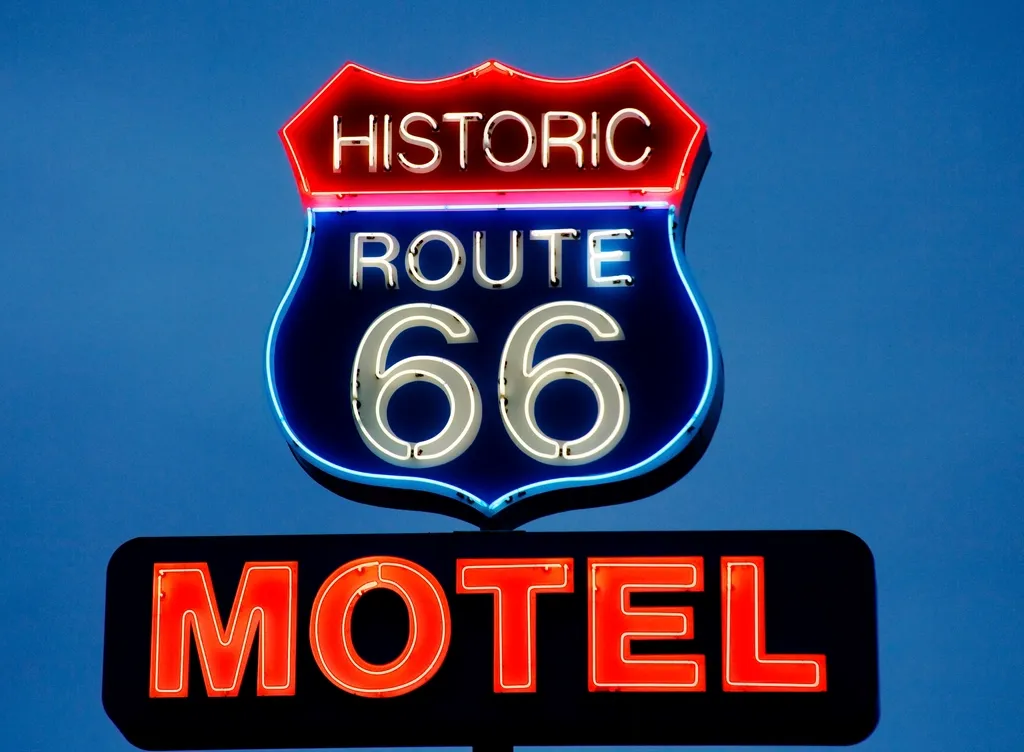

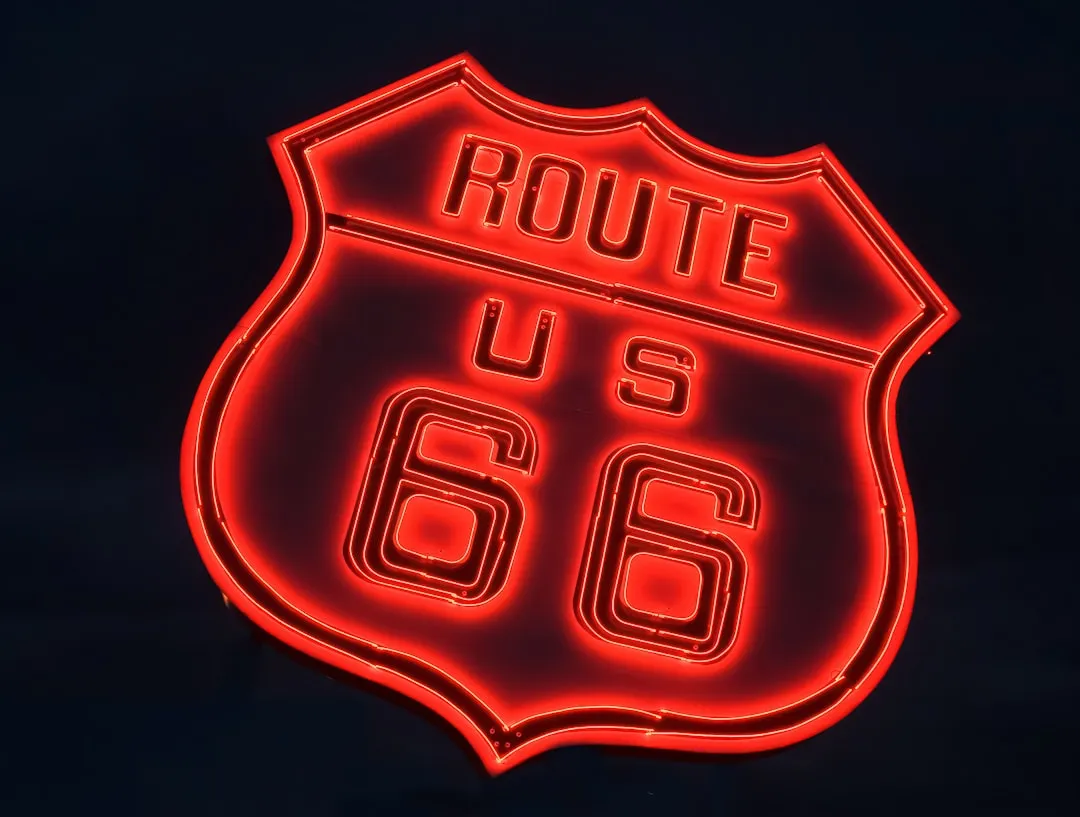
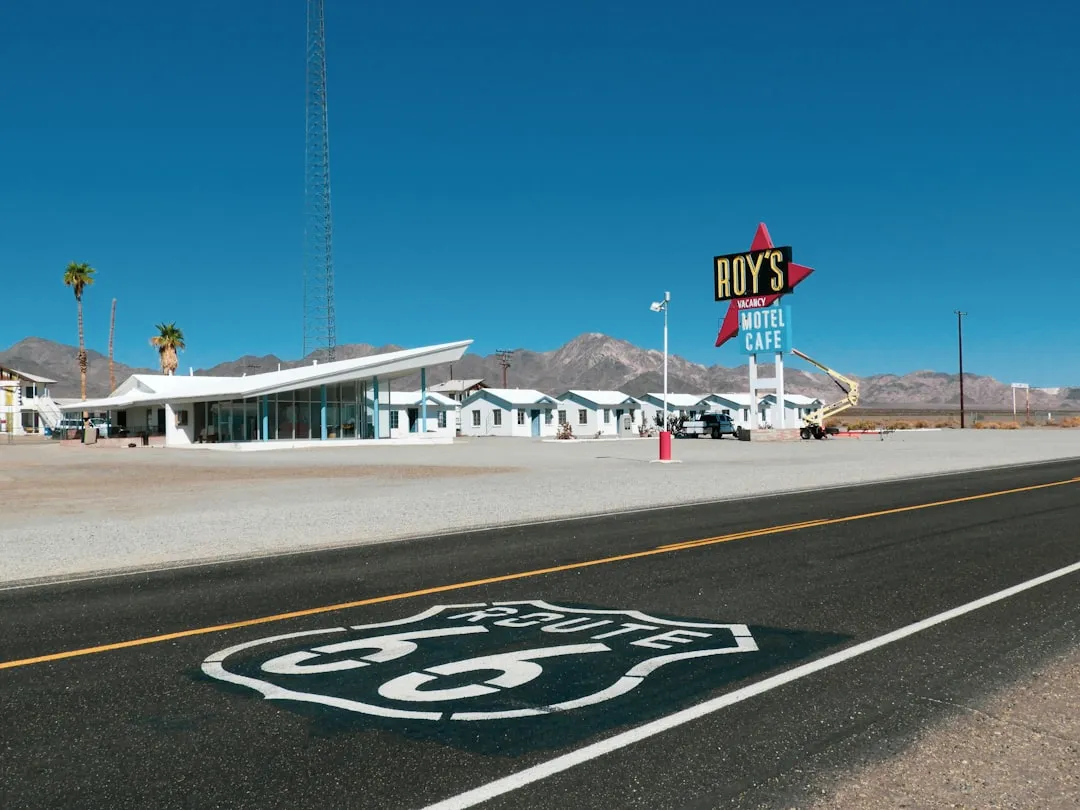
There’s a particular quality to the light on Route 66 after dark. The warm, buzzing glow of a restored neon motel sign against a flat desert sky is something neither an Instagram filter nor an LED replica can truly replicate. It belongs to a specific era of American life, one built around the open road, the promise of somewhere new, and the comfort of a lit-up vacancy sign in the distance.
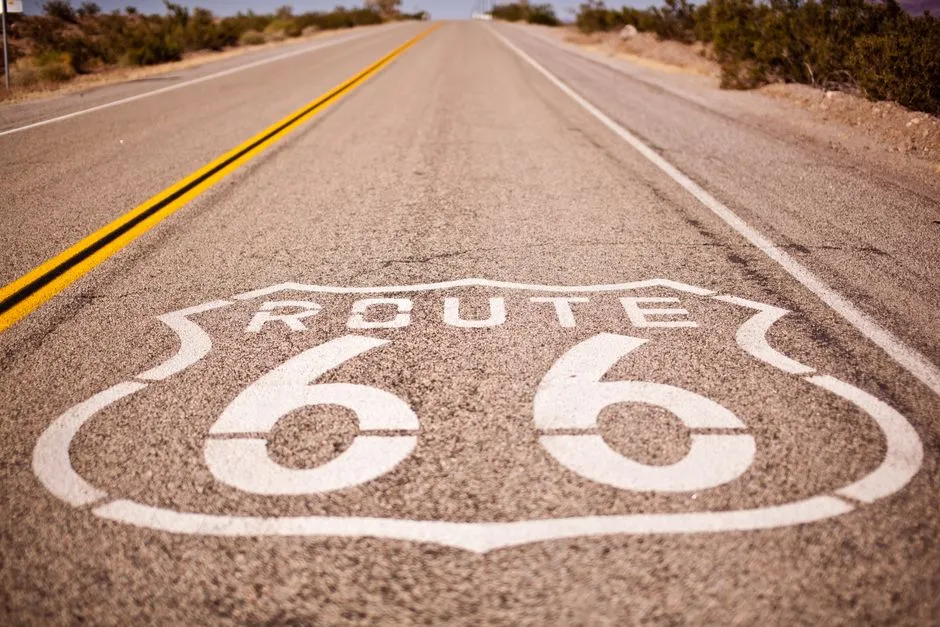
Route 66, established in 1926, stretches approximately 2,448 miles from Chicago to Santa Monica, California. Known as “The Mother Road,” it played a vital role in westward migration during the Dust Bowl era and became an enduring symbol of American mobility and independence. Now, as the road marks its centennial in 2026, something genuinely remarkable is happening along its length. Communities are choosing to remember, restore, and reinvest in what makes this highway different from any other stretch of American pavement.
A Road Turning 100: What the Centennial Means for Small Towns
In 2026, the “Mother Road” celebrates its centennial anniversary, and there’s an active push to see the occasion matched with official designation as a National Historic Trail, a step that would help spur critical preservation efforts in the hundreds of communities that call it home.
These efforts underscore that Route 66 isn’t just marking a milestone, it’s experiencing a renaissance that cuts across generations, communities, and cultures. That sentiment is showing up in policy, in grant programs, and on the streets themselves. For the towns scattered along the corridor, the centennial isn’t just a party. It’s a real economic and cultural opportunity.
State leaders have framed Route 66 as a key driver of regional growth, particularly for small and mid-sized communities that rely on tourism dollars to support local businesses, hospitality jobs, and downtown redevelopment. Centennial celebrations are designed not only as commemorative events but as economic development tools that can generate sustained benefits for communities long after 2026.
Oklahoma’s Investment: Grants, Neon, and a Statewide Commitment
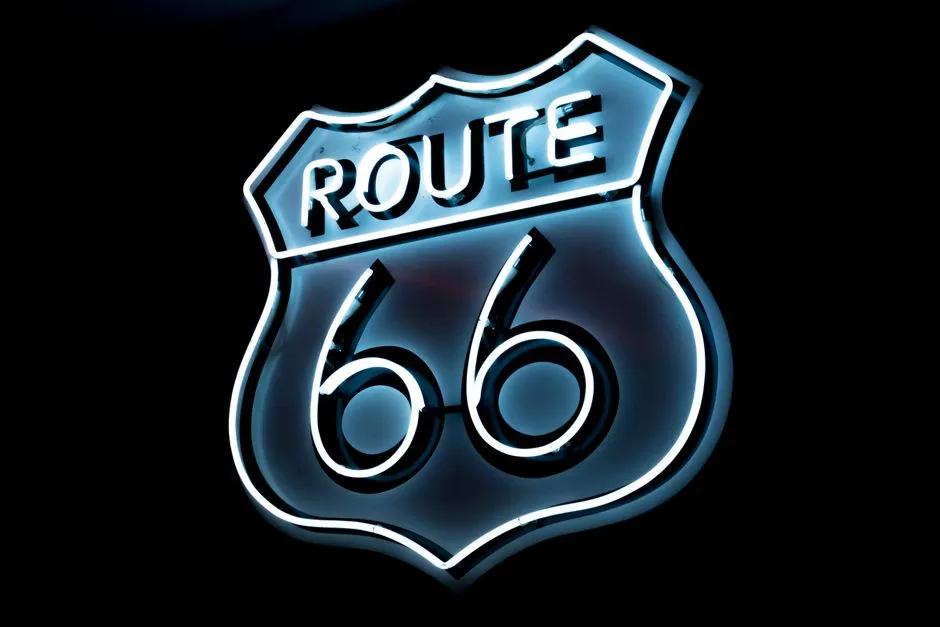
Oklahoma’s approach has been twofold: major infrastructural investment paired with hyperlocal preservation that keeps things authentic. More than $270 million has gone into roads, bridges, and access points, while a groundbreaking grant program with $6.6 million in annual funds supports small towns in restoring neon signs, rehabbing historic buildings, and breathing life back into roadside icons.
The results are already visible, from the new visitor center at the Blue Whale in Catoosa to the restored neon at the Rock Cafe in Stroud to the revived Filling Station in El Reno. These aren’t cosmetic changes. They’re considered investments in living heritage, undertaken by people who understand the long-term payoff of authenticity.
The Oklahoma Route 66 Association, a statewide non-profit dedicated to preservation and promotion of the highway, developed a neon sign program funded through a grant from the Oklahoma Route 66 Commission. The City of Tulsa had already run a successful neon sign grant for years, and the Association sought to replicate that success along the entire corridor.
The Rock Cafe in Stroud: A Sign That Survived a Storm
The Rock Cafe has sat alongside Route 66 since 1939, when it was constructed out of the very stone excavated during the paving of the famous highway. The neon sign dates to the 1940s, when the Rock was open 24 hours serving travelers going from Chicago to Los Angeles. After the Turner Turnpike was built in the 1950s, loyal locals kept it alive through to today’s era of revitalization.
Years of weathering and a particularly damaging storm in 2024 meant it was time for another refresh. The community rallied. The iconic neon sign outside the Rock Cafe in Stroud, Oklahoma is shining brightly again thanks to assistance from the Oklahoma Route 66 Association and a grant made possible by the State of Oklahoma’s Route 66 Commission.
Stories like this one repeat all along the corridor. A storm, a fading bulb, a changed ownership, and then a community refusing to let the sign go dark for good. That’s the quiet engine behind much of Route 66’s revival.
Tulsa’s Neon Legacy: A City That Made Preservation Policy
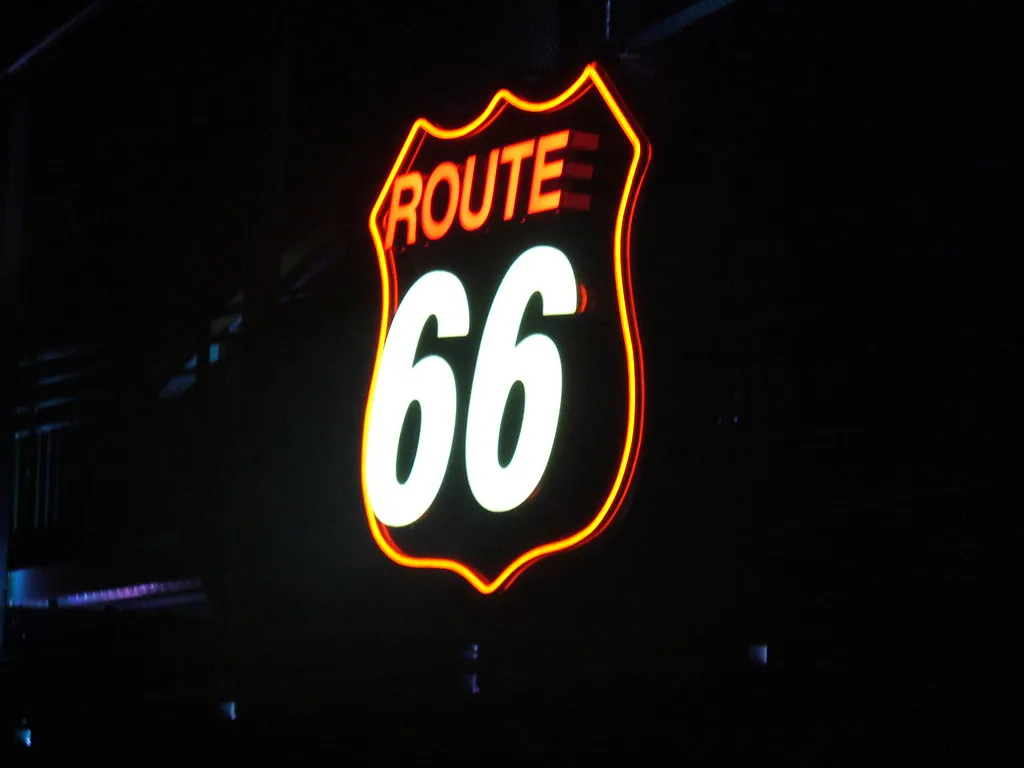
The City of Tulsa established the Route 66 Overlay Ordinance 23933, creating a zoning district specifically for the enhancement, development, and revitalization of Route 66. The promotion of historically inspired signage, specifically neon, is central to that goal.
Just off Route 66, the Stokely Event Center houses a growing collection of historic neon signs, many donated by owners who wanted them preserved rather than scrapped. It’s one of the more unusual preservation methods along the route. Rather than wait for signs to disappear, collectors and institutions are stepping in as willing custodians.
At Encino’s Signs, a third-generation Tulsa business, neon is still crafted largely the same way it was when first introduced to the Mother Road. Glass tubes are heated and bent by hand, filled with gases like neon or argon, and powered by high-voltage transformers. The craft itself is endangered, which makes businesses like Encino’s as important as any museum.
Tucumcari, New Mexico: A Town That Glows After Dark
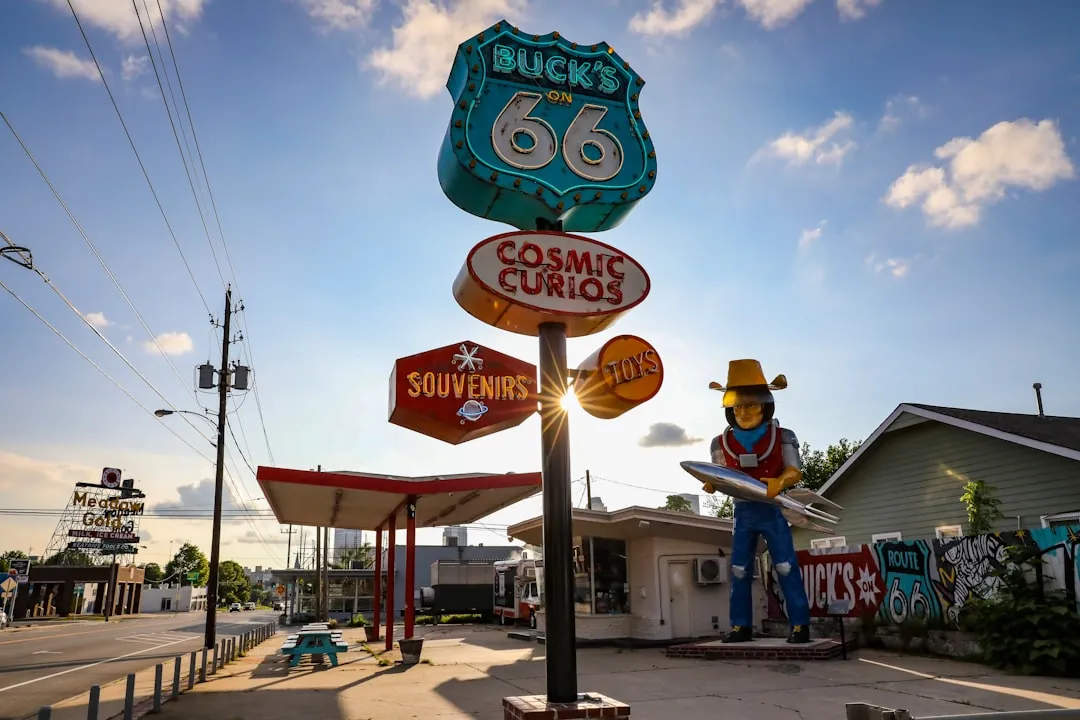
Tucumcari dazzles drivers as much today as it did during Route 66’s heyday, when billboards touting “Tucumcari Tonite – 2,000 Motel Rooms” tempted travelers to stop. Tucumcari’s treasured neon includes a bird in flight at the 1939-built Blue Swallow Motel, a colorful sombrero outside longtime Mexican restaurant La Cita, and the glowing teepee welcoming shoppers to the Tee Pee Curios shop.
Johnnie Meier, who helped obtain a $50,000 restoration grant from the National Park Service’s Route 66 Corridor Preservation Office in 2002, notes that Tucumcari was home to several neon shops from 1945 to 1965, making them central to the town’s identity. That history didn’t disappear. It just needed someone to reconnect the tubes.
Tucumcari was the first to start restoring its signs along Route 66, and now other states like Missouri, Illinois, and Oklahoma have followed its lead. That’s an unsung form of civic leadership: proving that restoration works, then watching others build on the model.
The Blue Swallow Motel: Neon as Living Architecture
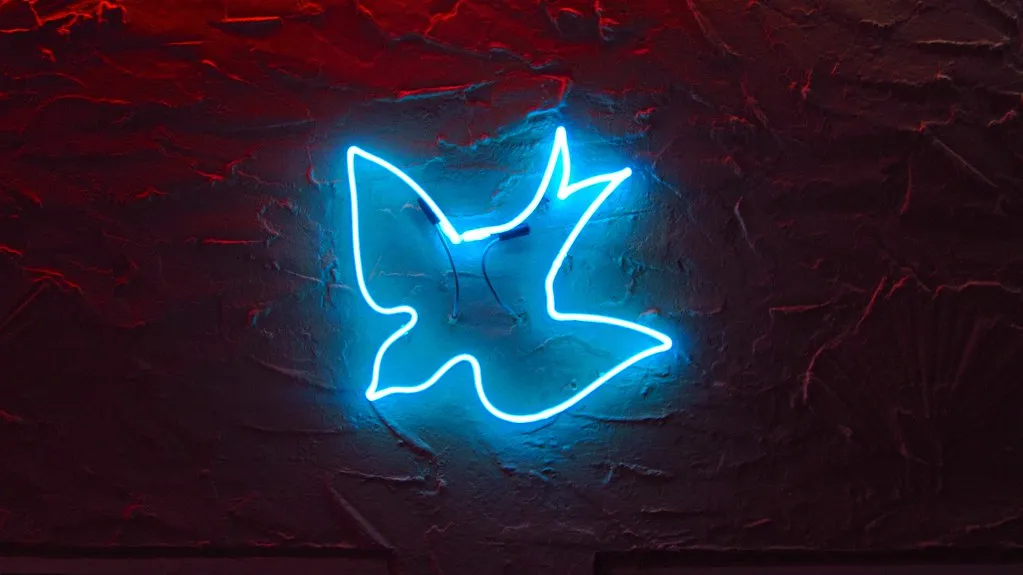
The Blue Swallow Motel, which was listed in the National Register of Historic Places in 1993, has left a lasting impression on Route 66 travelers for more than 80 years. It even served as inspiration for the animated Disney film Cars. That kind of cultural imprint is rare for a 12-room motel in a small New Mexico town.
A hailstorm in May 2023 damaged nearly 90 percent of the Blue Swallow’s famous neon sign. Current owner Dawn Federico notes that the subsequent neon and hardware replacement became the largest restoration in the motel’s history. They didn’t hesitate. The light had to stay on.
Named by Smithsonian Magazine as “the last, best and friendliest of the old-time motels,” the Blue Swallow Motel remains in profitable operation today, benefiting from the efforts of various Route 66 associations to keep the old highway alive. It’s proof that authentic preservation, when done with care, creates something travelers genuinely want to seek out.
Albuquerque’s Sign Revival: A Coalition of Artists and City Hall
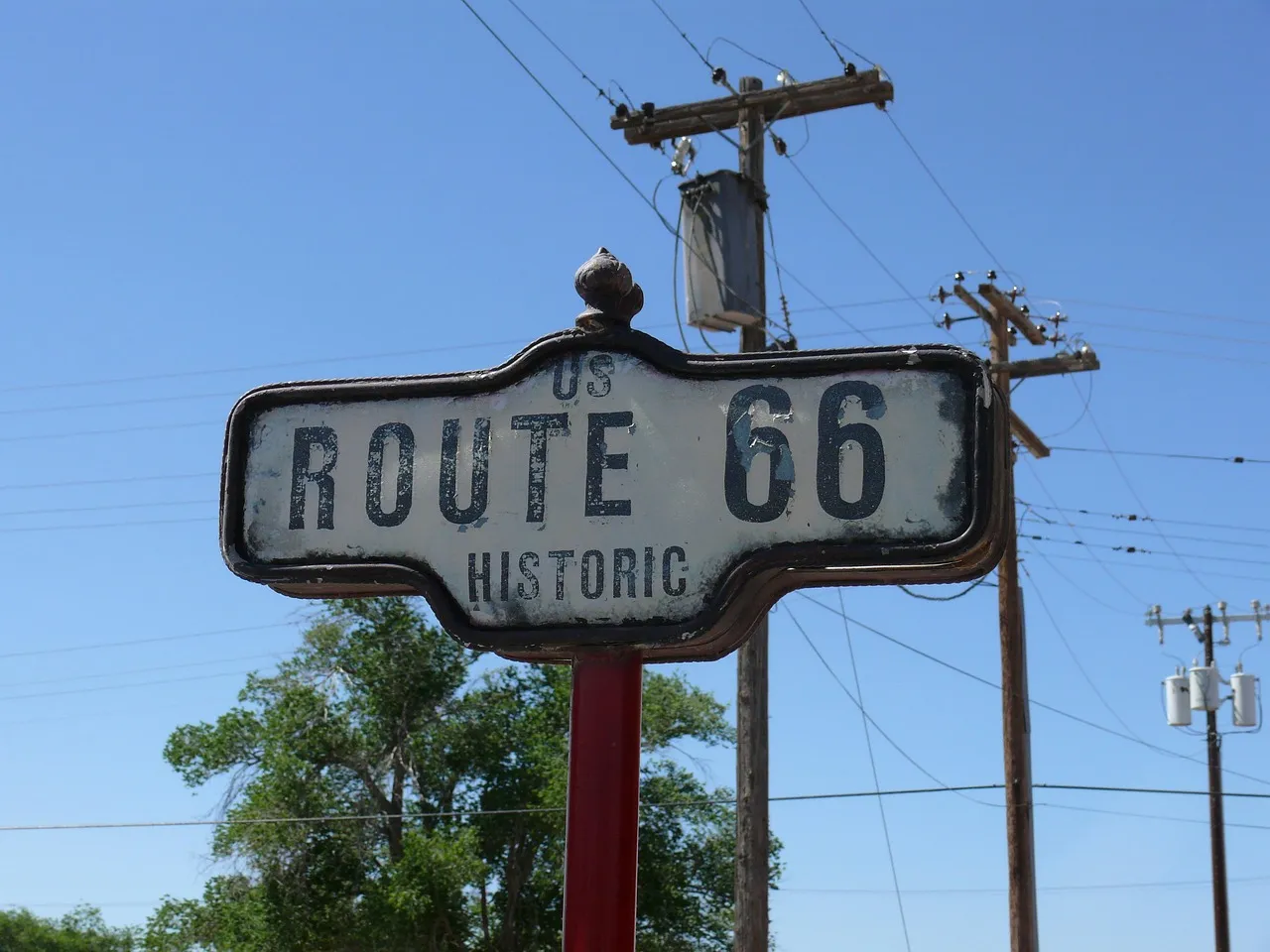
The City of Albuquerque has been working with 14 local businesses and property owners to restore vintage signs along the “Mother Road.” That kind of coordinated public-private effort is relatively new, and it reflects how seriously some cities are now taking neon as civic infrastructure rather than mere decoration.
The Tewa Lodge’s iconic neon sign with flashing gold lights was restored to its original glory in 2025. Built in 1946, the two-story Tewa Lodge is in the Pueblo Revival style. It is considered a fine example of regional architecture and neon along the route, entering the National Register of Historic Places in 1998.
Organizations such as the Friends of the Orphan Signs step in to preserve historic signs of all types in Albuquerque. Friends of the Orphan Signs collaborates with local artists to reactivate these signs for all to enjoy, bringing together city government, independent artists, and signmakers in an inspiring coalition.
Illinois Invests in the Centennial Economy
Tourism officials say the centennial arrives as Illinois’ visitor economy continues to grow. The state recorded its highest-ever hotel tax revenues in fiscal year 2025 at $367 million, a 14 percent increase from the previous year. Illinois also welcomed 113 million visitors in 2024, who spent a record $48.5 billion statewide.
Tourism spending supports jobs in lodging, food service, retail, transportation, and entertainment, and often spurs private investment in downtown buildings and small businesses. Route 66 sits at the center of that dynamic in Illinois, where smaller communities have historically struggled to attract the kind of consistent visitor traffic that larger cities take for granted.
Granite City, for example, has planned a new 14-foot-tall statue of Abraham Lincoln as a signature Route 66 attraction, adding to a growing portfolio of roadside art and neon installations. Other major Route 66 projects planned or underway across Illinois include a large penny sculpture in Lincoln, a refreshed Giant Slide at the Illinois State Fairgrounds in Springfield, and the transformation of part of the Old Joliet Prison grounds into a baseball field and event space.
Gallup’s Neon Heritage and the Role of Federal Support
Gallup has proudly preserved some of its vintage neon signs with the help of Route 66 Corridor Act monies and the support of the New Mexico Route 66 Association. Gallup has some of the Southwest’s largest trading posts and one of the best strips of neon signs you’ll see anywhere on old Route 66.
The State Historic Preservation Office recognized the value of Gallup’s neon signs and the need for their preservation. In 2000, the then-New Mexico State Historic Preservation Officer proposed restoring some of the state’s vintage neon as part of Gallup’s downtown renovation project. That early, committed action set a template others have since followed.
On Route 66, neon signs were the candy-colored beacons that attracted tourists to curio shops, motels, cafes, and roadside attractions. Over the years, these classic signs became icons and achieved recognition as outstanding examples of American folk art. However, many once-beautiful signs have also been torn down, replaced, or gone dark. Preservationists, community leaders, and others have developed resources to raise awareness about the historical significance of these signs, and to revitalize the neon and other advertising heritage of Route 66.
A Younger Generation and the Global Pull of the Mother Road
Route 66 is attracting and uniting multiple generations and cultures. It’s no longer just about baby boomers with nostalgia. Younger generations are, in the words of Oklahoma Lt. Governor Matt Pinnell, “really geeking out on the neon and all the authentic quirky personalities along the road.”
On any given day along Route 66, you might spot a family from Kansas, a French motorcyclist, a couple road-tripping from Spain, or a German group without an itinerary. The road’s appeal has always crossed borders, but that global energy is now feeding directly back into the preservation effort. International visitors want the real thing, and that demand is one reason authenticity has become a serious economic argument.
The eight Route 66 states collectively account for roughly 30 percent of the entire United States travel activity and its attendant tourism-related economic impacts. Heritage tourism is an important and growing share of that travel market, and a conservative estimate from a Rutgers University study placed direct heritage travel spending in all eight Route 66 states at $14.5 billion annually. That figure gives the preservation conversation a weight it’s sometimes lacked in pure cultural terms.
The Road Ahead: Preservation as an Ongoing Practice
While many projects are underway, it remains unclear how sustainable some of these efforts will be long-term. Funding gaps, property ownership issues, and varying state priorities pose ongoing challenges. The extent of tourist engagement and economic impact remains to be fully assessed, with some critics questioning whether the revival can be maintained without continuous investment.
The restoration of classic Route 66 signs has resulted in renewed pride in ownership among business owners whose signs have been restored. That intangible return, the feeling that your town’s identity is worth protecting, may ultimately be as durable as any grant program. Money can start a restoration. Community belief keeps it going.
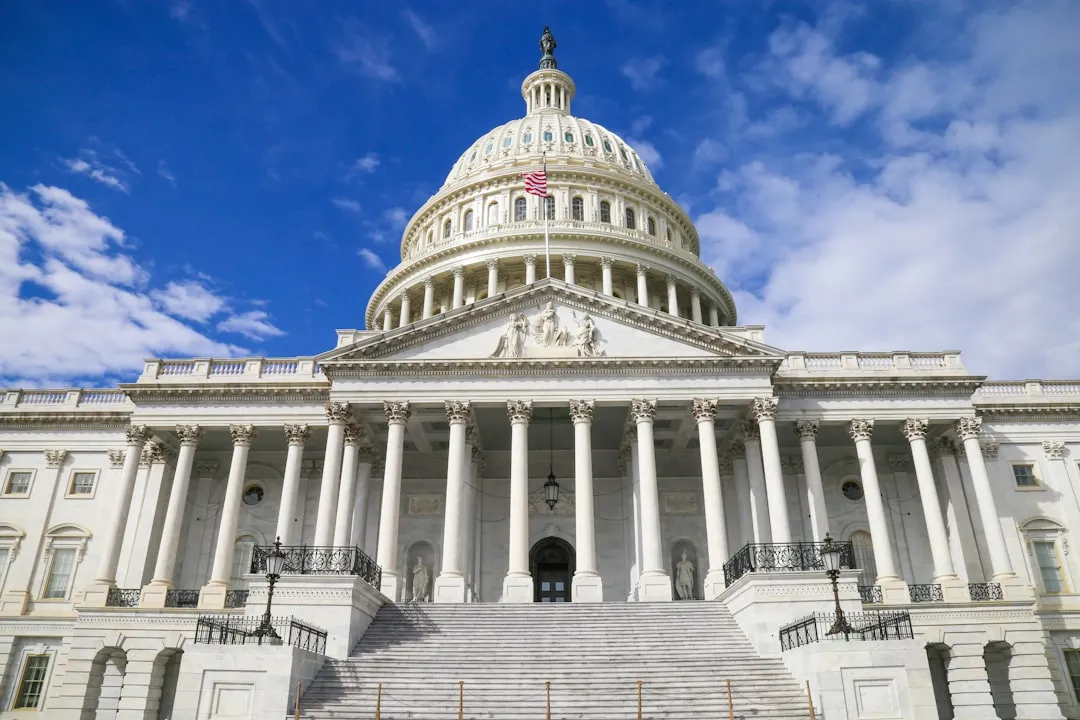
Members of Congress who have supported the National Historic Trail Designation Act have emphasized its potential to boost tourism, create economic opportunities for communities along the 2,400-mile corridor, and preserve the rich legacy of this historic road. If that designation is secured, it would mark a meaningful shift: from fragile volunteer-driven preservation to durable, federally recognized stewardship. Either way, the signs are on. The people lighting them have no intention of letting them go dark again.
AI Disclaimer: This article was created with the assistance of AI tools and reviewed by a human editor.