
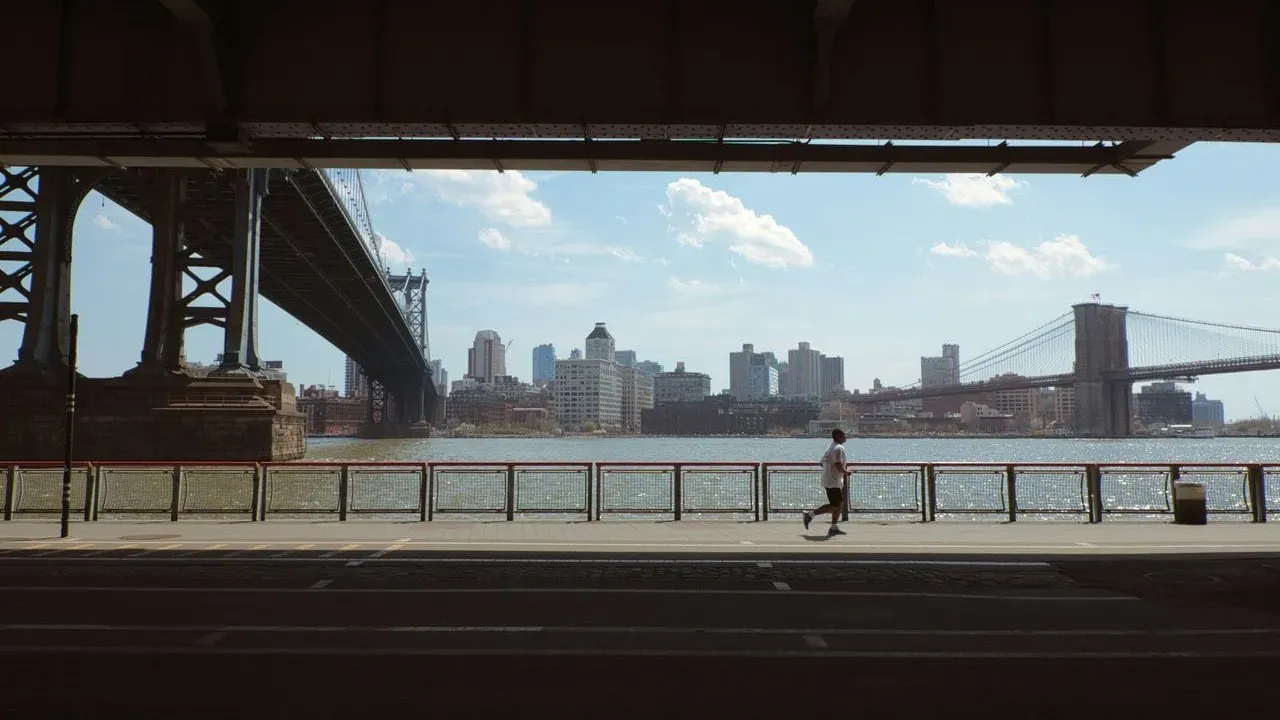

New York City draws runners from around the world each November as the marathon approaches. Local athletes often share the paths they return to again and again for training and simple enjoyment. These routes let visitors experience the city at a runner’s pace, moving through green spaces, along waterways, and across distinct neighborhoods. The recommendations come directly from people who know the streets and trails best.
The pull of familiar ground
Runners who live in the city describe a quiet satisfaction in tracing the same loops week after week. The repetition builds a deeper connection to the landscape and the changing light across the seasons. Many note that these regular routes become part of their daily rhythm, offering both physical challenge and mental clarity. The approach feels personal rather than performative, focused on the simple act of moving through a place they know well.
Green corridors and open spaces
Parks and tree-lined paths provide the steady footing and natural surroundings that many runners seek during busy training periods. These areas allow for steady mileage without constant interruption from traffic or crowds. Runners often speak of the way the canopy changes with the weeks leading into fall, creating a shifting backdrop that keeps the miles engaging. The sense of enclosure within the larger city offers a welcome contrast to the surrounding streets.
Waterfront stretches and open views
Paths that follow rivers and harbors bring consistent breezes and long sightlines that help runners settle into a comfortable pace. The open horizon can make distances feel more manageable, while the steady sound of water provides a calming rhythm. Local runners frequently mention these corridors as places where the city’s scale becomes visible in a single glance. The combination of movement and expansive views creates a distinctive running experience unique to New York’s geography.
Connecting neighborhoods on foot
Extending a run from one area into another reveals the city’s layered character in a way that shorter outings cannot. Runners describe the gradual shift in architecture, street life, and even the quality of light as they cross from one community into the next. These transitions turn a training session into a quiet form of exploration. The practice encourages a slower, more attentive way of seeing the places that make up the larger whole. The marathon weekend amplifies this sense of shared movement through the city. Runners who train on these routes carry that lived knowledge into the event itself, turning the course into an extension of their everyday experience. The city, seen at running speed, rewards attention and returns it in the form of quiet familiarity.
AI Disclaimer: This article was created with the assistance of AI tools and reviewed by a human editor.