
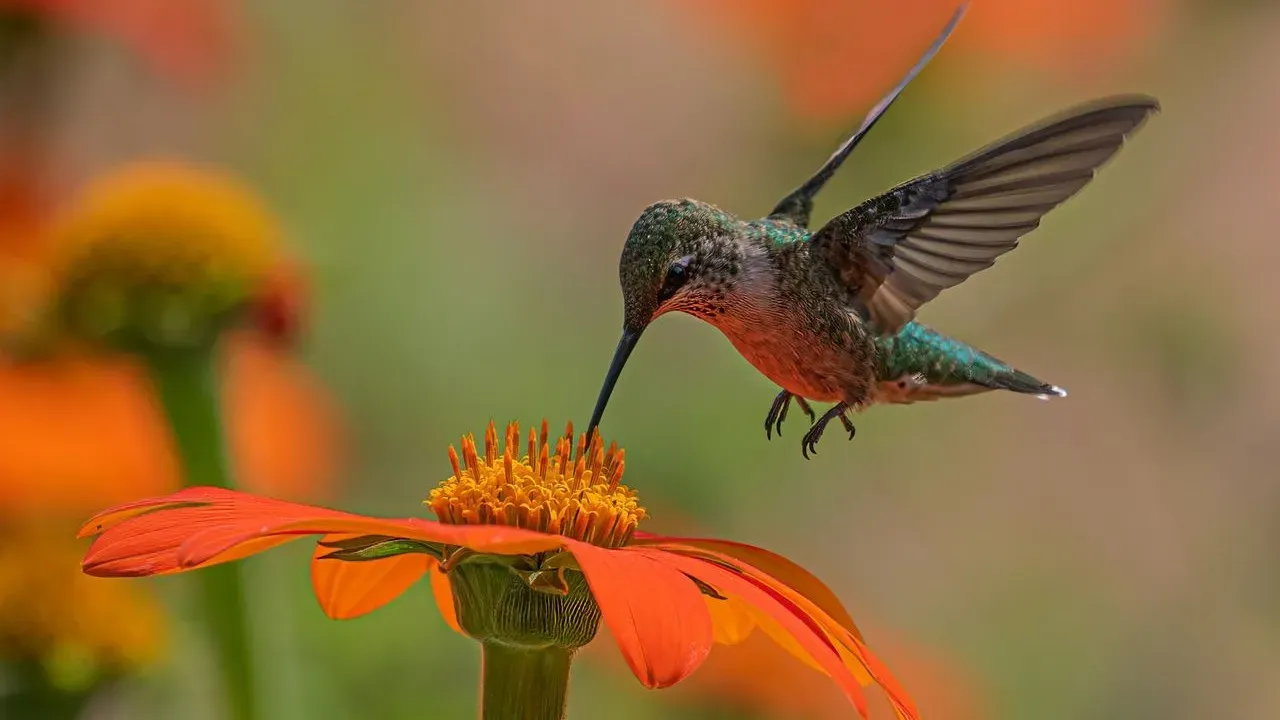

Across the eastern half of the United States, ruby-throated hummingbirds are quietly preparing for one of the most demanding journeys in the avian world. In Missouri, these tiny travelers have already begun slipping away from backyard feeders and woodland edges, heading toward warmer latitudes as days shorten and nights cool. The movement marks a seasonal turning point that stretches far beyond any single state, offering observers across the region a brief window to witness a remarkable feat of endurance.
Why the Moment Matters Now
Mid-September brings a noticeable shift in hummingbird activity. Birds that spent the summer defending territories and raising young now focus on building fat reserves for the long flight ahead. In Missouri and neighboring states, sightings at feeders often increase in the final weeks before departure, as individuals stop to refuel. This concentrated period creates a natural opportunity for patient watchers to observe the species at close range while the birds remain in northern and central latitudes. The timing aligns with broader patterns across the eastern U.S. Ruby-throated hummingbirds typically begin their southward movement in late August and continue through early October, with peak departures varying by latitude. Those still present in mid-September are often the later migrants, including young birds making their first journey. Their presence offers a tangible connection to the rhythms of seasonal change that shape ecosystems from the Great Lakes to the Gulf Coast.
The Scale of Their Journey
Few North American birds undertake a migration as physically demanding relative to their size. Ruby-throated hummingbirds that breed east of the Rockies must cross the Gulf of Mexico, a nonstop flight that can span more than 500 miles over open water. To accomplish this, the birds double their body weight in fat beforehand, then rely on precise navigation and efficient metabolism to reach the Yucatán Peninsula or Central America. The crossing usually occurs at night, when cooler temperatures reduce energy demands and winds provide assistance. Survivors arrive exhausted yet capable of continuing farther south. This annual passage represents one of the longest nonstop flights undertaken by any hummingbird species, highlighting both the fragility and the resilience of these small migrants.
Places to Watch Responsibly This Season
Travelers seeking to observe the migration can find rewarding vantage points throughout the birds’ eastern range. In Missouri, state parks and wildlife areas with native plantings often host lingering individuals through late September. Further south, coastal refuges in Louisiana and Texas become critical stopover sites where exhausted birds rest after the Gulf crossing. Gardeners and nature centers across the Midwest and Southeast can enhance viewing opportunities by maintaining clean feeders and avoiding pesticides that reduce insect prey. Early morning and late afternoon tend to bring the most consistent activity, as hummingbirds balance feeding with rest. Observers who remain still and keep a respectful distance are more likely to witness natural behaviors such as preening or brief territorial displays.
Supporting Ethical Encounters
Responsible viewing begins with minimizing disturbance. Keeping feeders clean and filled with fresh sugar water helps birds without creating dependency. Planting native nectar sources such as cardinal flower, bee balm, and trumpet vine provides sustainable resources that benefit local pollinators year after year. Travelers can also contribute to broader conservation by supporting organizations that protect stopover habitat and monitor migration through banding programs. These efforts help scientists track population trends and identify threats along the route. When practiced thoughtfully, seasonal observation becomes a quiet form of stewardship rather than simple spectacle. The departure of ruby-throated hummingbirds each fall serves as a reminder of the intricate connections that link distant landscapes. Those who pause to notice the birds’ final visits this season gain a deeper appreciation for the endurance required to complete such an extraordinary passage.
AI Disclaimer: This article was created with the assistance of AI tools and reviewed by a human editor.