


Bright White: The Most Visible Choice in the Bush
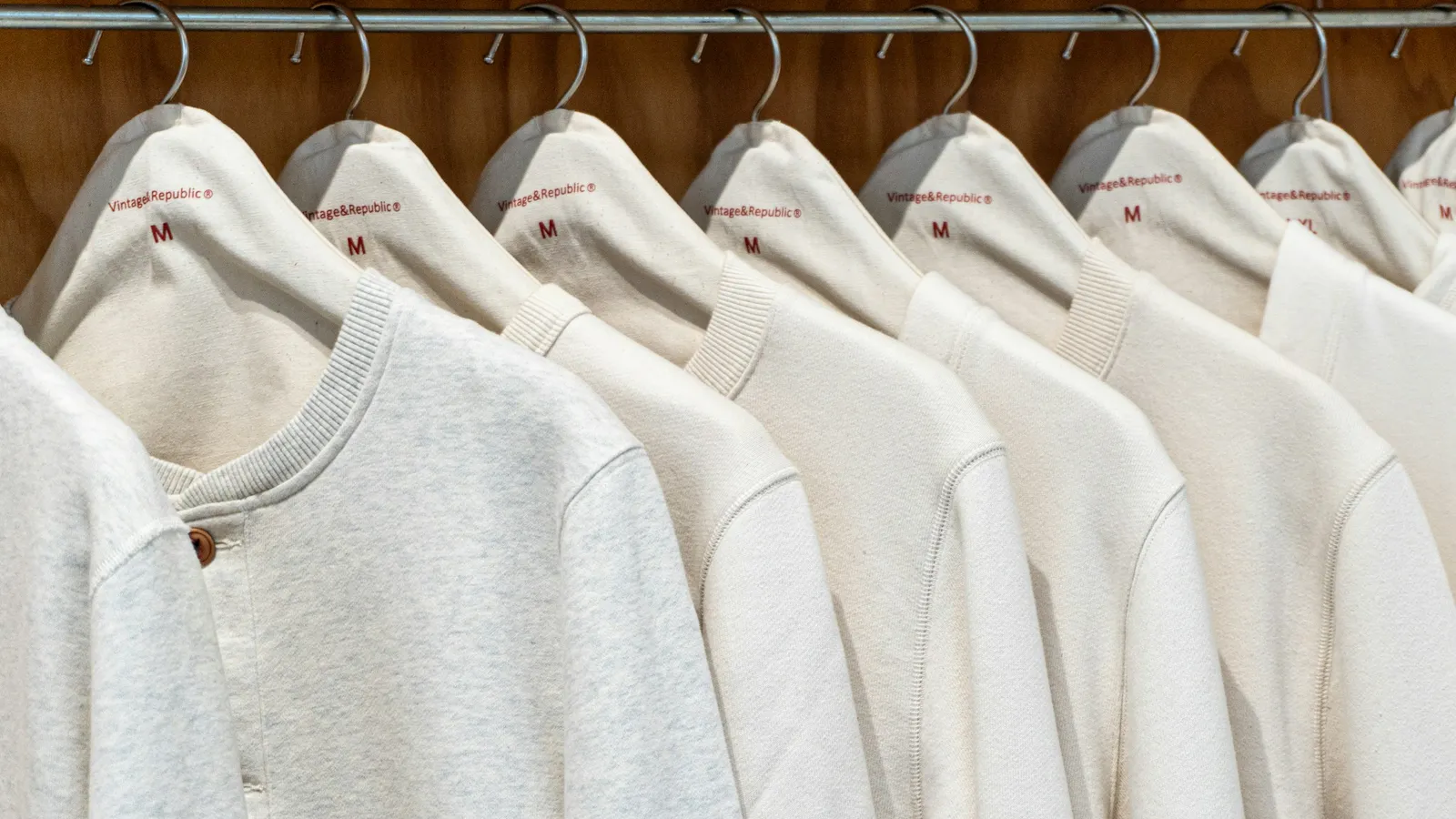
White clothing can stand out dramatically against the natural colors of the bush. White doesn’t easily occur in nature and because of this, most animals find it easy to spot. That visibility gap matters enormously when you’re trying to observe wildlife without disturbing it.
White stands out in the bush more than any other color. It reflects light, makes you very visible to animals, and turns brown from the dust within minutes of leaving camp. This is especially true if you will be doing a walking safari.
Blue: The Color That Draws the Wrong Kind of Attention

Blue is one of the worst colors to wear on a safari. Tsetse flies are strongly attracted to blue. Most travelers simply don’t know this, and it can turn a magical morning game drive into a frustrating experience of constant swatting.
In parts of East Africa, blue fabric traps coated with insecticide are placed in the bush specifically because the flies cannot resist landing on it. Wearing blue makes you that trap. Tsetse bites are painful and can cause swelling.
In regions where tsetse flies are common, including Zambia and parts of Zimbabwe and Tanzania, dark colours such as black and deep blue should be avoided.
Black: Heat Trap and Insect Magnet
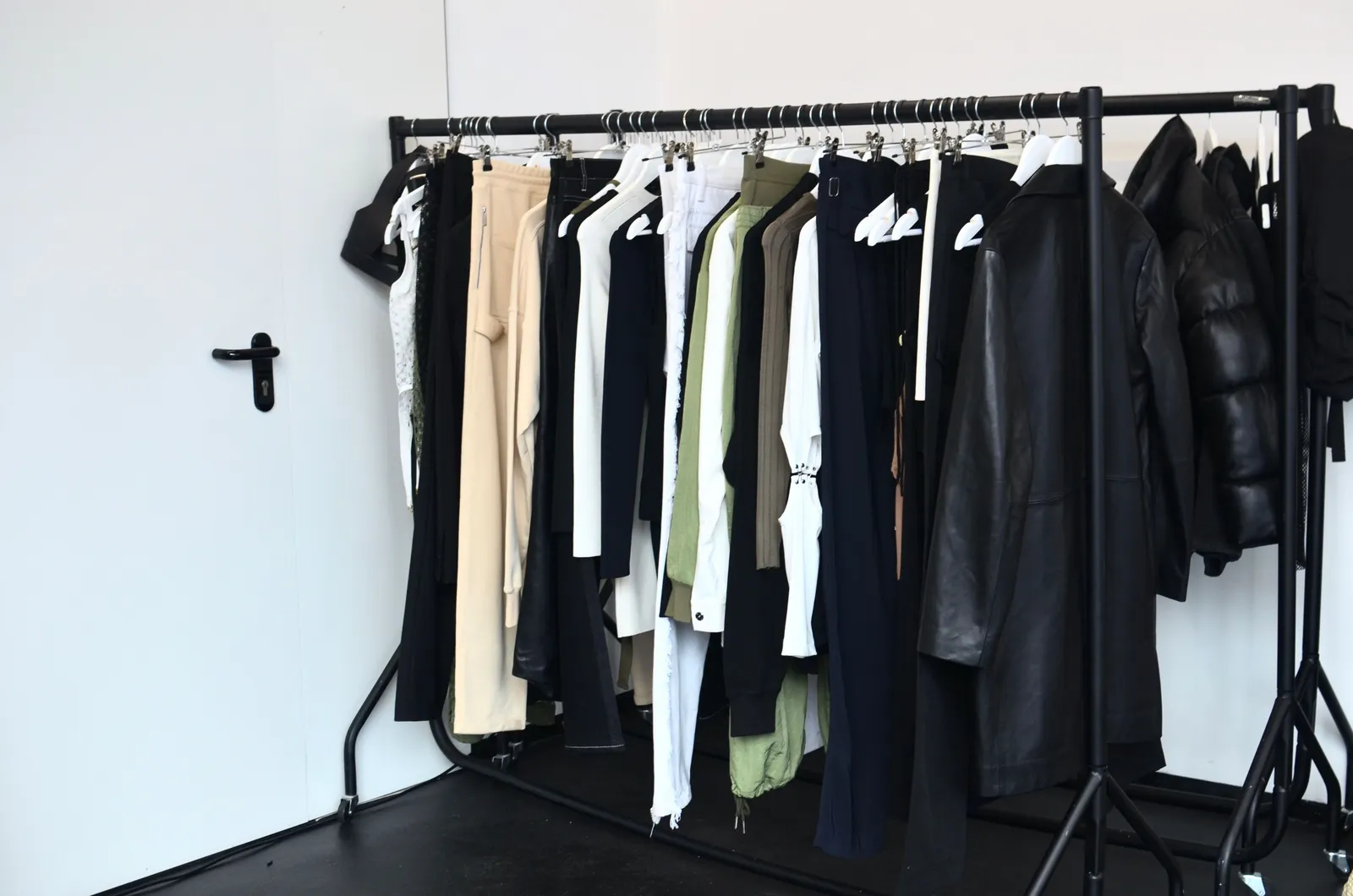
Black attracts tsetse flies almost as much as blue. It also absorbs heat, so you will be hotter than everyone else in the vehicle. On a long midday game drive when temperatures are already pushing into the high thirties, that absorbed heat is noticeable.
Dark colours such as black and blue are best avoided on safari. They absorb heat and are irresistible to tsetse flies and mosquitoes. Black clothing tends to attract insects, particularly mosquitoes, which can be particularly uncomfortable in some regions of Namibia.
Red: Conspicuous and Disruptive in the Landscape
Red and other very bright colors can create a noticeable contrast with the surrounding landscape. Although there is no universal rule that animals will automatically flee from someone wearing red, subdued clothing is generally a better choice for wildlife viewing.
Red, orange, and other luminous colours should be avoided, as bright coloured clothing makes you conspicuous to wildlife and other guests. Colors such as red, orange, bright yellow, or neon shades stand out strongly against the natural tones of the African landscape. When wildlife notices these colors, it can change their behavior or make them move away from the area.
Orange and Neon: The Colors of High Visibility
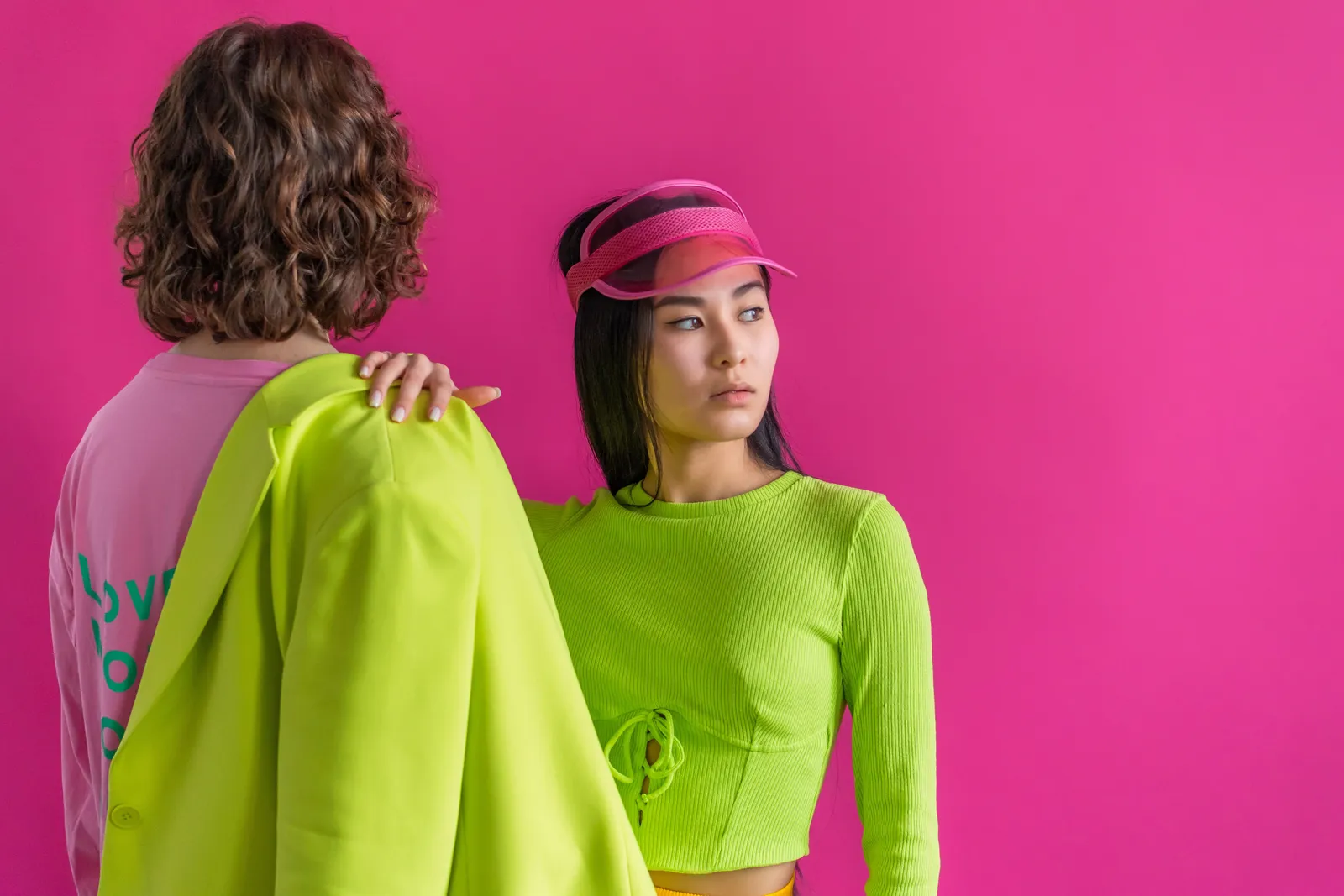
Neon yellow, bright orange, fluorescent green, and other highly saturated colors are among the safari clothing colors to avoid. These shades are highly visible and can make you stand out against natural vegetation. What’s designed to keep cyclists safe on city roads is the last thing you want in a wildlife reserve.
On safari, the colors you wear can impact every encounter. Animals perceive the world differently, and bright or stark tones can easily draw their attention, sometimes making them retreat before you’ve had a chance to observe their behaviour.
Pink: Softer in Tone, Still a Problem

When considering what colors not to wear on safari, bright tones are best avoided. Vibrant shades like red, orange, pink and bright white can scare wildlife or attract insects. Pink sits in a tricky middle zone that many travelers underestimate.
There are a few tones and patterns best left at home. Selecting the wrong shades can startle animals, attract insects, or simply make your day less comfortable in Africa’s varied environments. Even pastel pink reads as an anomaly against the dry-season browns and golden grasses of the savannah.
Military Camouflage: Not Just a Style Problem, a Legal One
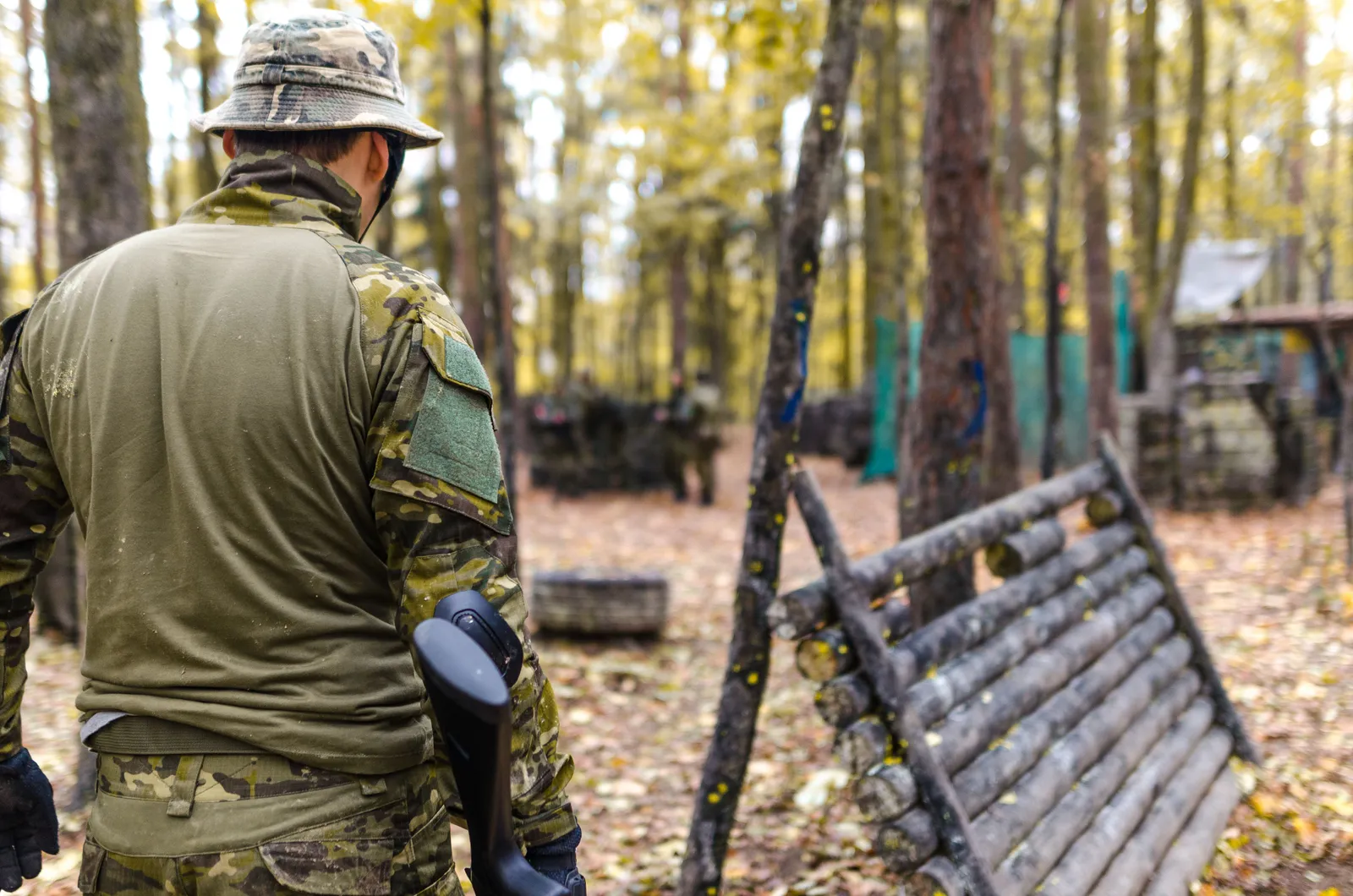
In several African countries, including Kenya, Tanzania, Zimbabwe, and South Africa, wearing camouflage patterns is illegal for civilians. It is reserved for military and law enforcement. This is one clothing mistake that can cause serious trouble at customs or on the road.
Wearing camouflage is considered impersonation of the military in Zimbabwe. There have been arrests of individuals, including foreigners, for simply wearing camo pants or jackets. In Africa, camouflage print and clothing are banned by the nations of Nigeria, Uganda, Zambia, and Zimbabwe for non-military purposes.
Dark Navy and High-Contrast Prints
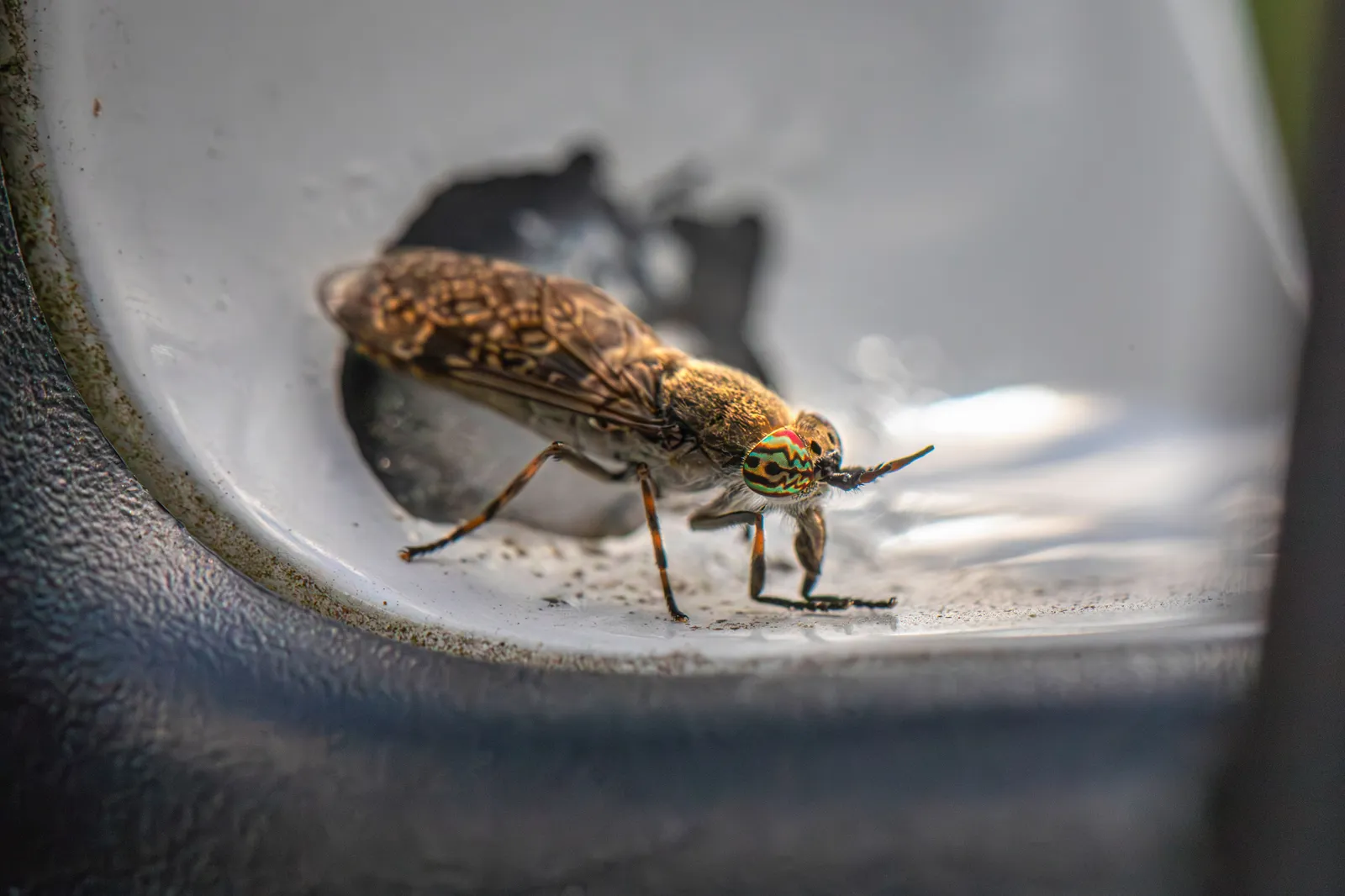
Dark blue is worse than light blue, but both are better avoided in the bush. Navy blue tends to get grouped with black in terms of its effect on insects, and the risk is real enough that guides consistently warn against it. High-contrast patterned prints carry a similar problem.
High-contrast patterned prints are among the colors to avoid, as they draw attention in the landscape. Research has suggested tsetse flies show particular attraction to dark blue and black colours, making this specific consideration genuinely worth factoring into clothing choices for visitors travelling through regions where these insects present a nuisance.
What Accessories Often Get Wrong
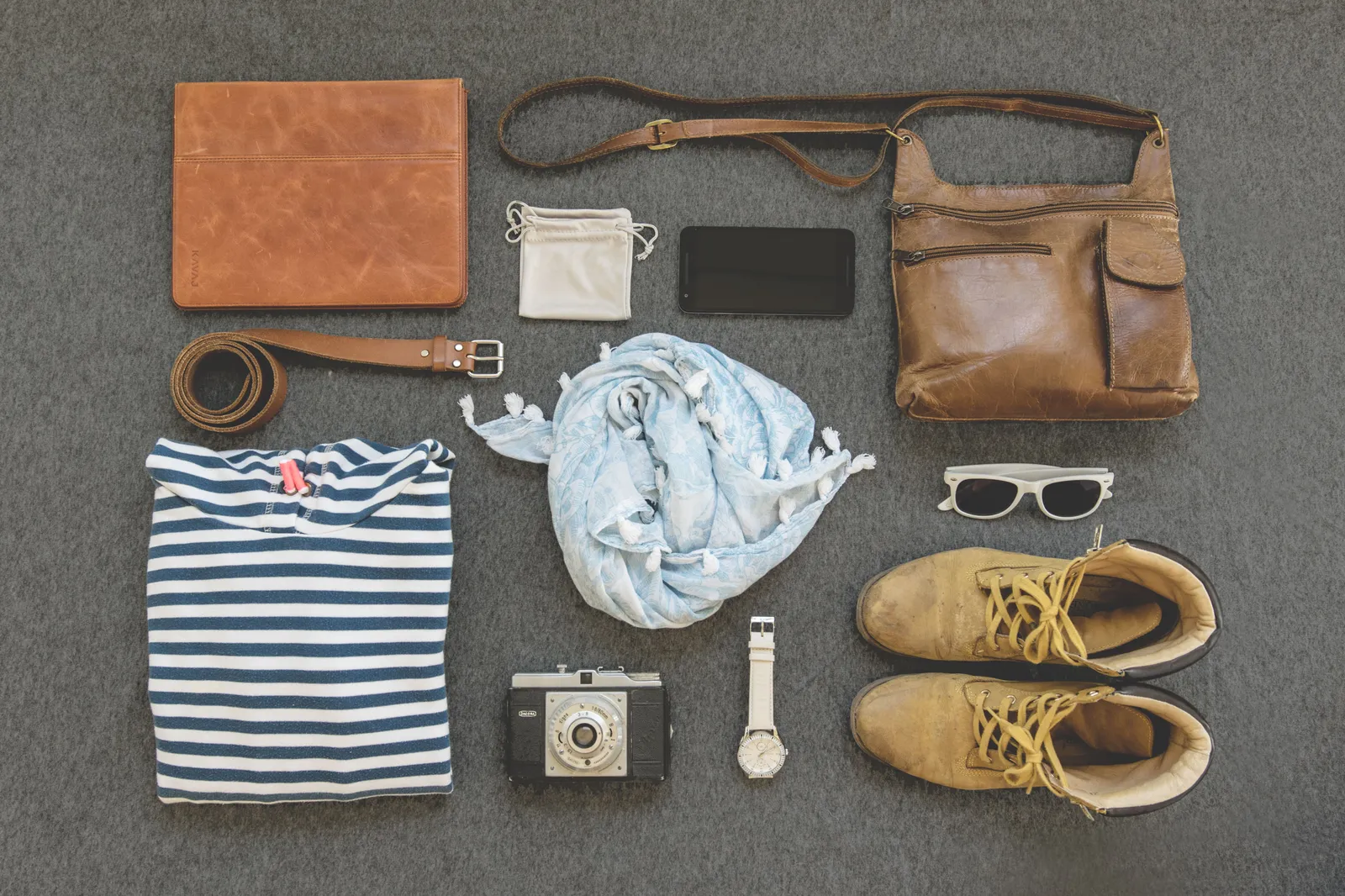
Sunglasses with dark, neutral frames reduce glare and avoid startling wildlife. Binocular harnesses, cameras and bags should also be in subdued shades to remain discreet. Most travelers think carefully about their shirts and trousers, then pack a bright red camera bag without a second thought.
Coordinating accessories with your clothing keeps you practical and safe. It’s worth going through your full kit before departure. A bright yellow dry bag or an electric-blue hydration pack can undermine an otherwise well-considered outfit when you’re out on foot in the bush.
What to Wear Instead: The Colors That Actually Work
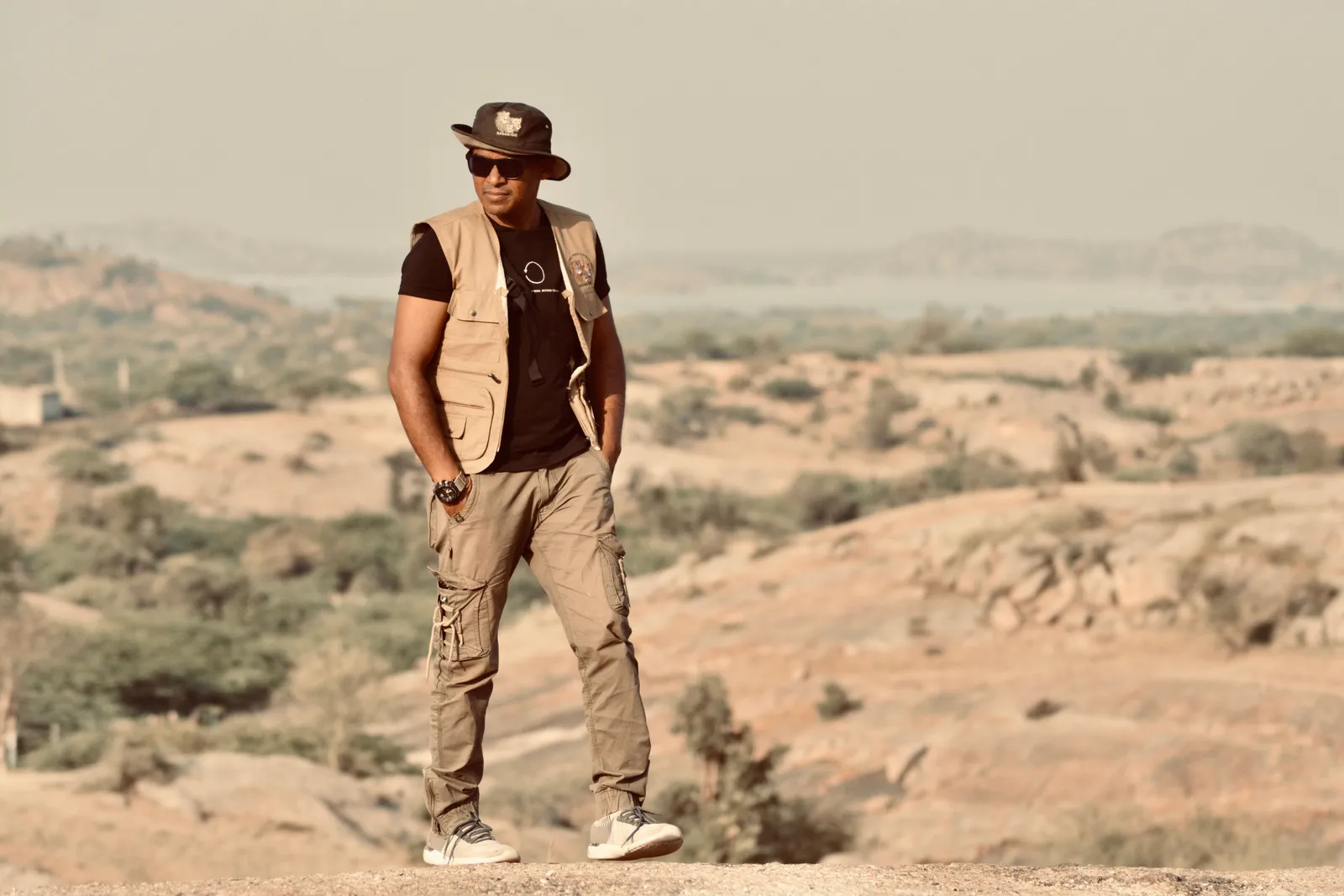
Colors like khaki, olive, beige and soft brown are ideal to wear on any safari. These tones blend with the grasses, soil and trees of the savannah and woodland, helping you remain unobtrusive in the bush. Wildlife are less likely to notice you, making encounters more intimate and natural.
Subtle greens work particularly well in forested and riverine areas, where foliage dominates the landscape. In places like Uganda and Rwanda, muted green shades help you blend into the dappled light of dense forests and lush wetlands, keeping birds, primates and other wildlife less aware of your presence.
Choose breathable, quick-drying fabrics in neutral tones: long-sleeved shirts, lightweight pants, a warm fleece for the dawn drive, a wide-brimmed hat and a packable waterproof shell. Cotton and cotton blends breathe well in the heat, and a little stretch makes corrugated roads more comfortable.
The Quiet Logic Behind Neutral Colors
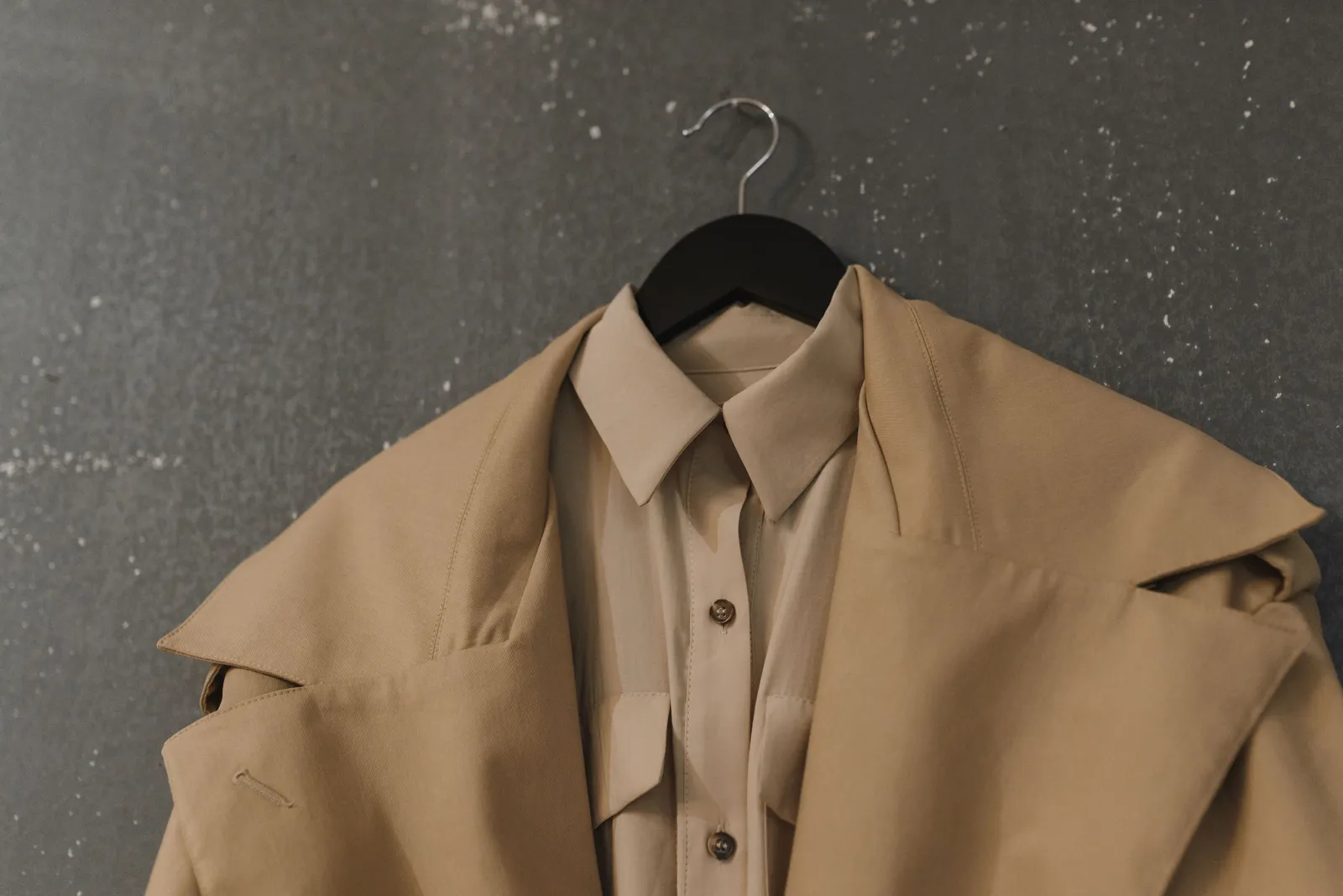
Wildlife are often sensitive to movement and colour, so wearing clothing that matches the earthy tones of the bush helps you remain inconspicuous. This gives you a better chance at observing animals up close without startling them. The animals set the rules. Respecting those rules is what separates a remarkable sighting from a missed one.
The right colors allow you to blend seamlessly into the landscape and observe wildlife without disturbance. By matching your palette to the landscape, your safari experience becomes more immersive, allowing you to move through the bush quietly and respectfully. That, in the end, is what a good safari is really about.
AI Disclaimer: This article was created with the assistance of AI tools and reviewed by a human editor.