
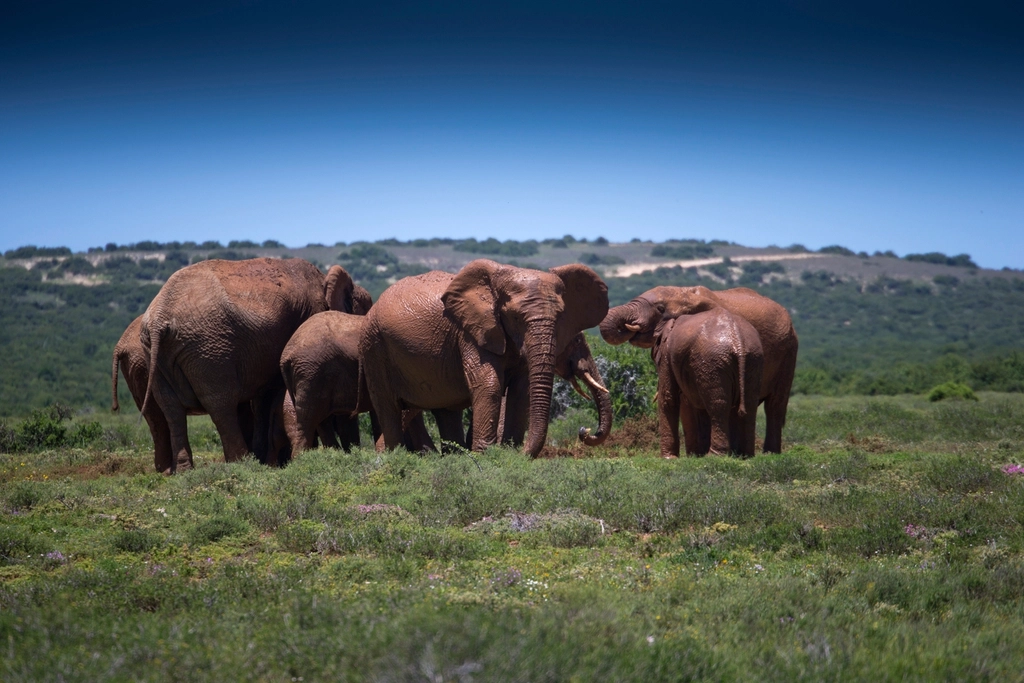

There’s a rhythm to the African bush that experienced guides understand almost instinctively. Every species follows its own internal clock, shaped by millions of years of evolution, temperature sensitivity, and predator-prey dynamics. Knowing that clock can be the difference between a game drive that leaves you breathless and one that feels like a long, hot drive through empty grassland.
The science and field wisdom largely agree: timing matters enormously. What’s striking is how much variety exists between species, even within the same park on the same morning.
The Golden Window: Early Morning Drives
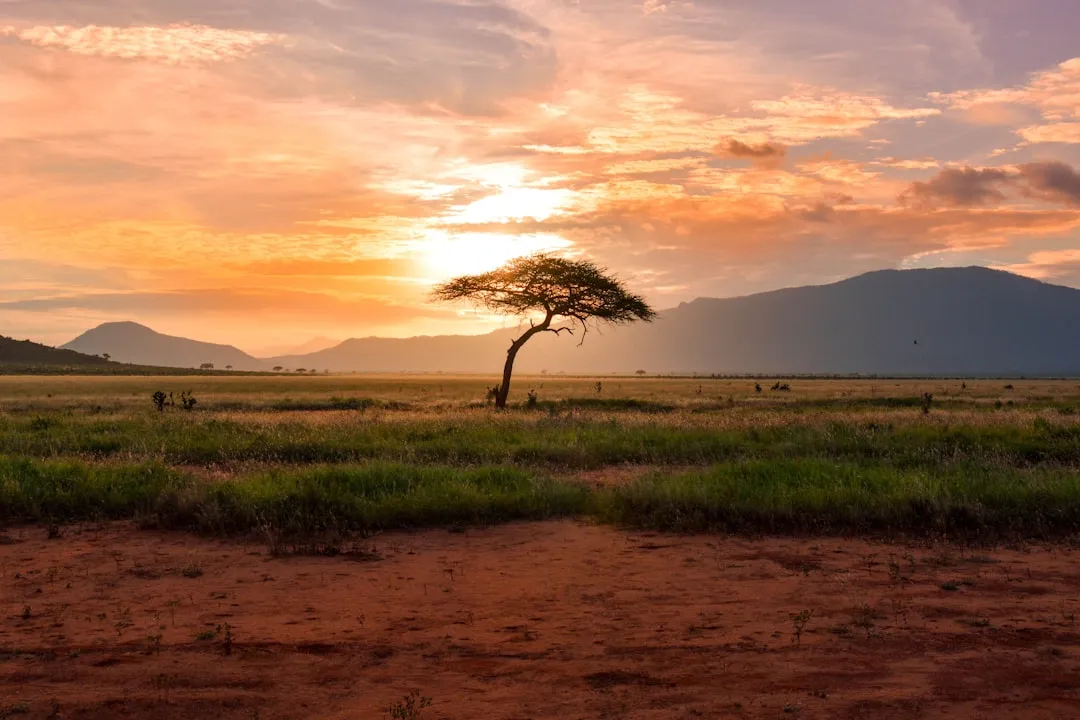
Just before and after sunrise is widely considered the ideal time to begin an East African safari, with the best window for animal activity typically running between roughly six and nine in the morning. Cooler temperatures during these hours make wildlife more comfortable, encouraging them to search actively for food and water.
During the early morning chill, many herbivores including antelopes, giraffes, and zebras graze and drink, while predators such as lions, leopards, and cheetahs are more likely to be spotted either wrapping up a nighttime hunt or beginning a fresh search for prey. For first-time safari visitors especially, the early morning drive carries a quiet magic that’s hard to describe and even harder to forget.
Lions: Crepuscular Kings of the Savanna
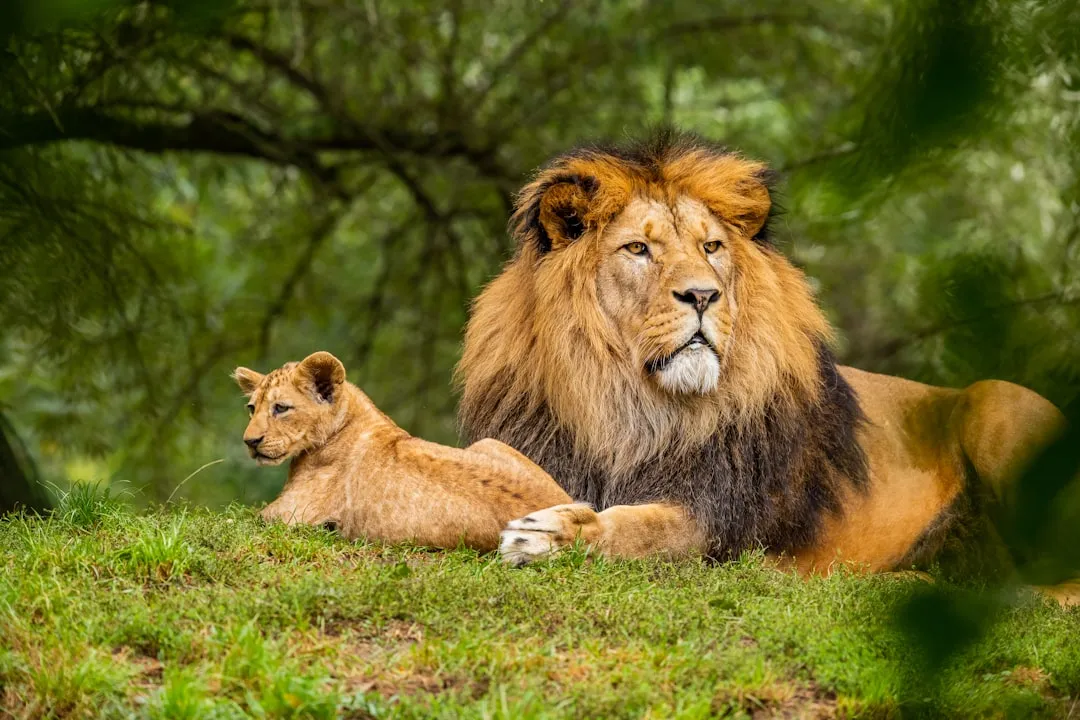
Lions exhibit pronounced crepuscular activity patterns, with peak activity occurring during the cooler hours of dawn and dusk when temperatures moderate and many prey species become most active. This daily rhythm reflects millions of years of evolutionary adaptation to African savanna conditions, where extreme heat, prey behavior, and competition with other predators have shaped cycles that maximize hunting success while minimizing energy expenditure.
Research tracking lion space use confirms that general movement increases at night and dawn, and decreases during the daytime hours toward dusk. Lions spend a notable portion of their day at rest and are most reliably active during early morning and late evening. In practical terms, a guide who positions you near a pride just before sunrise is giving you the best possible odds of witnessing something extraordinary.
Cheetahs: The Daytime Exception
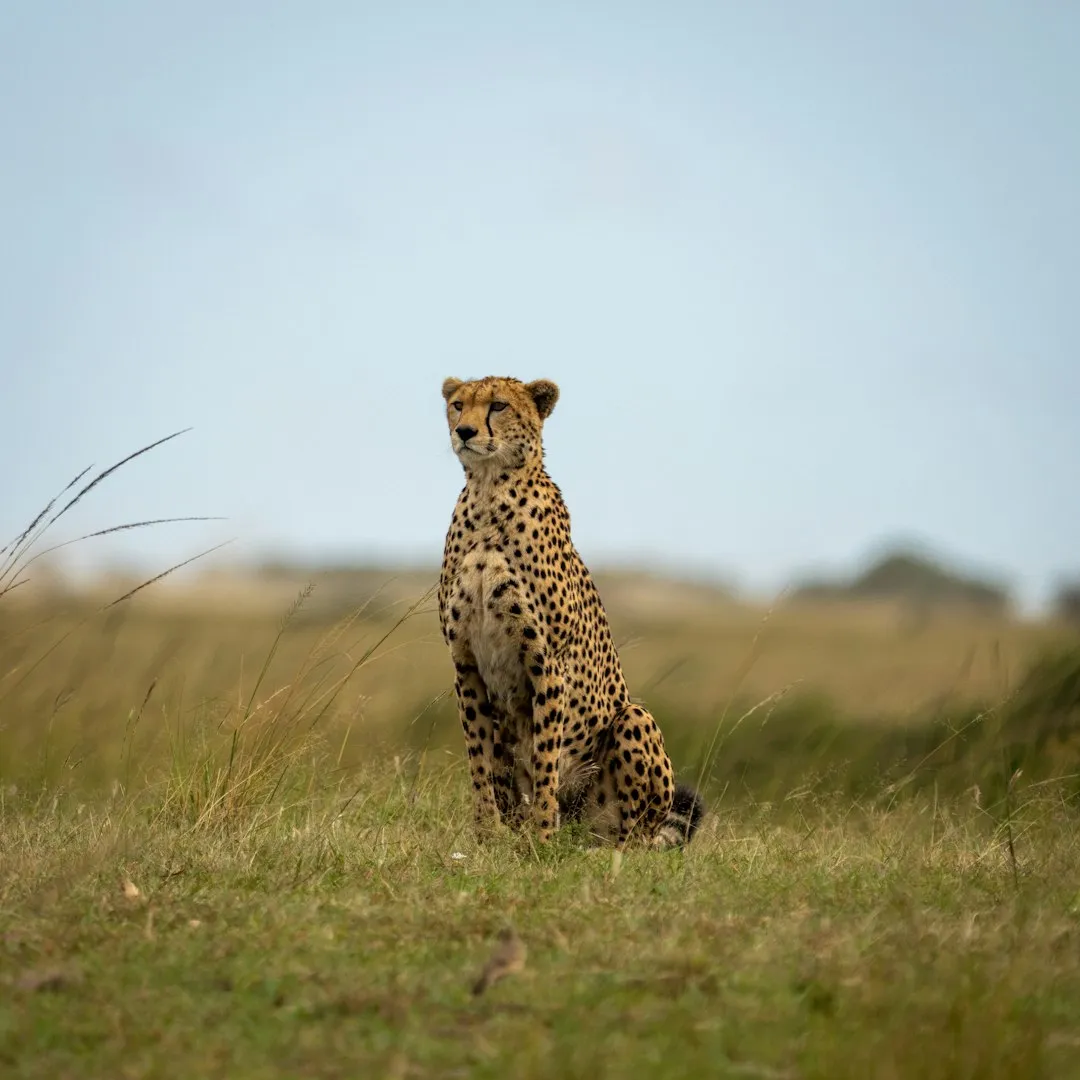
Unlike lions, which tend to hunt primarily at night, cheetahs gravitate toward dusk and dawn to avoid competition with larger predators, and show more pronounced resting behavior at night. Cheetahs are daytime hunters, which makes them a rarer exception among the big cats in terms of when you’re most likely to witness an actual hunt.
Look for cheetahs in open grasslands particularly during early morning and late afternoon when they’re hunting, often perched on termite mounds or elevated spots to scan for prey. During midday, cheetahs sometimes hunt as well, taking advantage of reduced competition from lions and hyenas, which is an interesting exception to the standard midday lull that most safari-goers are warned about.
Leopards: Mostly Nocturnal, Occasionally Surprising
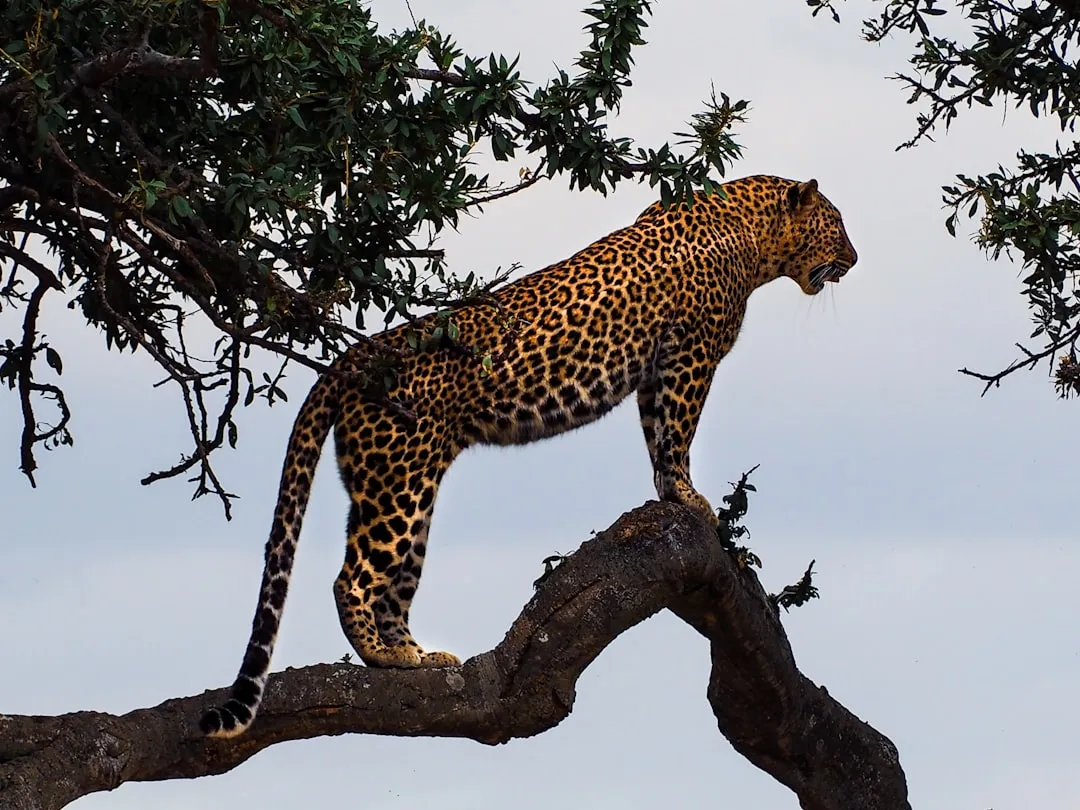
Leopards usually hunt at night but can be spotted dozing on high branches during the day, which makes them one of the most unpredictable sightings on any game drive. Lions and leopards hunt most often at night, which is why prey animals tend to head to waterholes during daylight hours rather than risk an ambush in the dark.
Leopards are present in many parks but elusive, and not a common sighting for most visitors because they are secretive, often nocturnal, and favor dense cover. The best strategy, guides consistently advise, is to scan the forks and horizontal branches of fig and acacia trees during morning drives. A hanging tail is often the first sign you’ll get.
Elephants: Active Around the Clock, with a Midday Pause
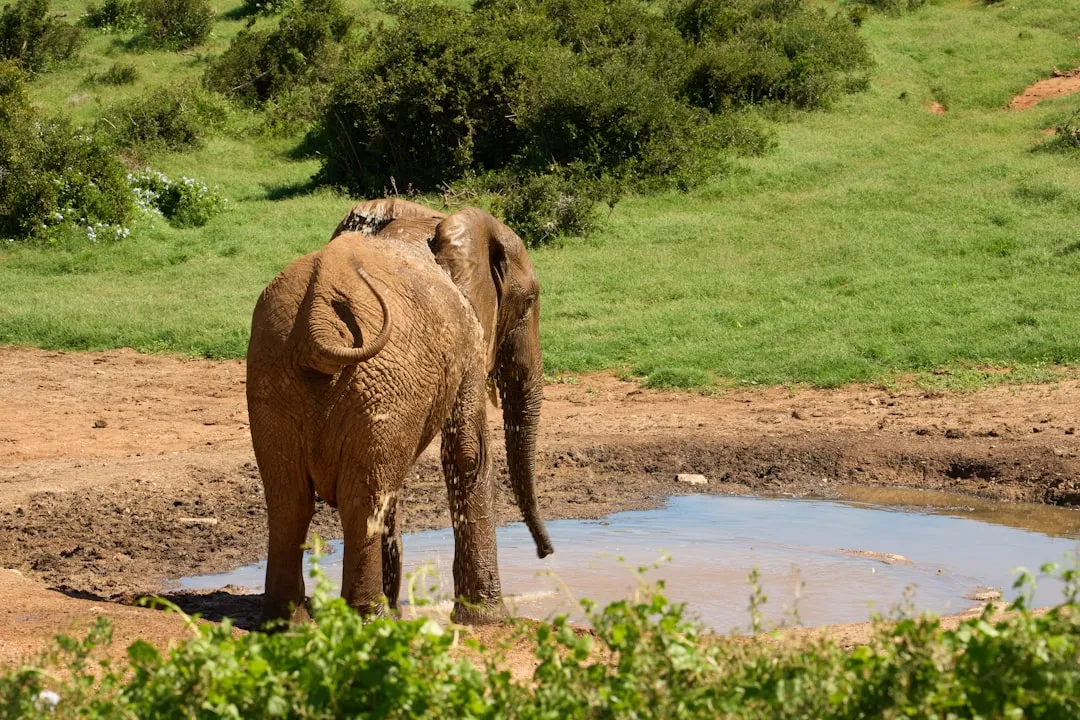
Savanna elephants are active day and night but usually rest during the hottest times of day. They tend to be more active at night during dry seasons and in areas where human disturbance or poaching pressure is higher. This adaptability is part of what makes elephants such a fascinating and resilient species to observe.
Midday can actually be a productive time to visit waterholes, where elephants snorkel and wallow in ways rarely seen during the rushed energy of the morning drive. Watching a family herd interact at a waterhole in the warm noon light, with no other vehicles around, is one of those quietly unforgettable moments that safari guides tend to treasure most.
Hippos: The Night Grazers
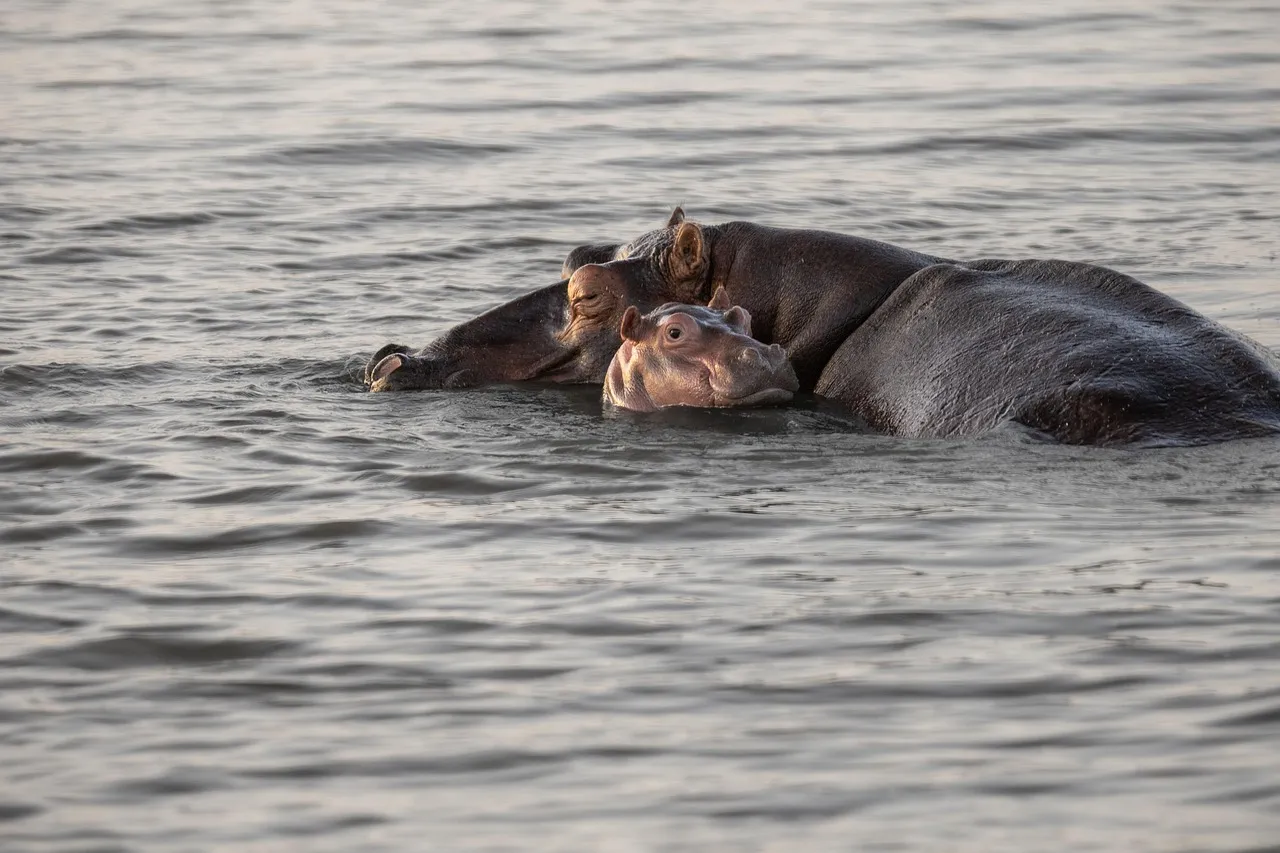
Hippos spend their days lounging in the water in lakes and ponds and come out of the water at night to graze on grass. Hippos spend most daylight hours in the water to stay cool, which is why boat safaris or still waterhole visits tend to yield the most rewarding daytime views of them.
Despite their seemingly placid appearance, hippos are considered the most dangerous mammal in Africa, responsible for the deaths of an estimated 300 people every year. If you’re staying in a campsite near a river or lake, they sometimes wander into camps at night, which is a reminder that the bush operates on its own schedule, entirely indifferent to yours.
The Midday Hours: Not a Dead Zone
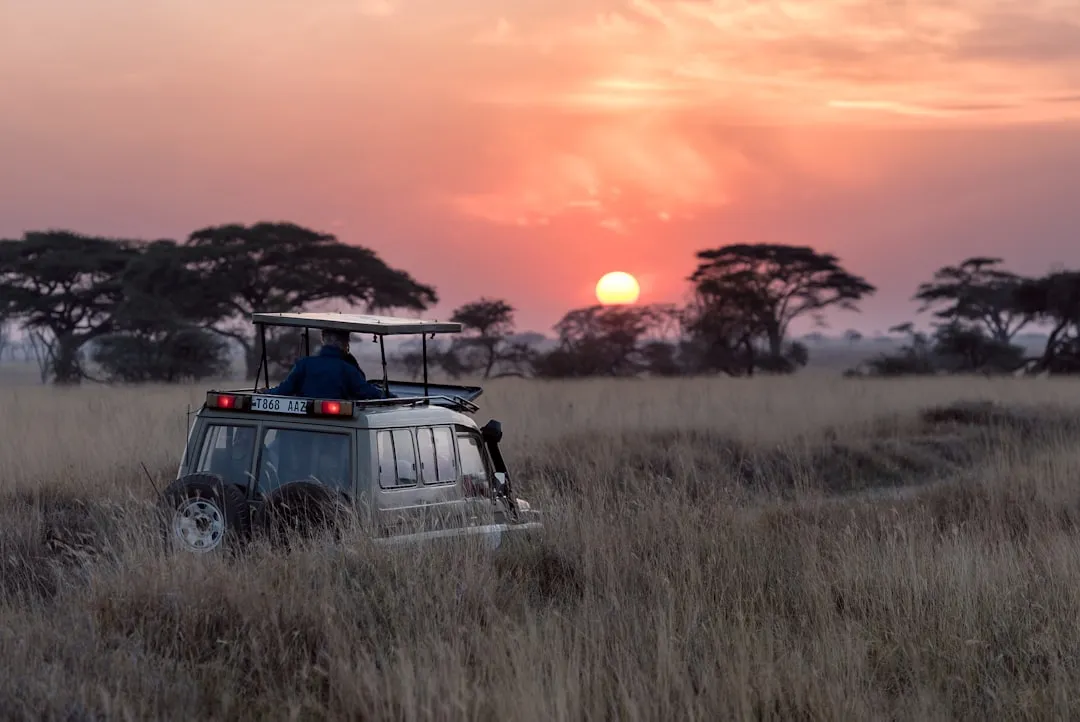
In general, midday is not peak wildlife-viewing time, as most animals retreat sensibly to shade to rest or ruminate, and the harsh overhead sun makes photography more difficult. The period between roughly eleven in the morning and three in the afternoon tends to be when many animals hide from the heat.
To maximize the chance of seeing predators at midday, experienced guides focus on water sources, positioning vehicles near prides and locating cheetahs who are more active during daylight hours than their larger competitors. Because many visitors are back at camp during midday, there’s always the chance of having a special sighting entirely to yourself, which is a genuine reward for those willing to stay out a little longer.
Late Afternoon: The Second Golden Hour
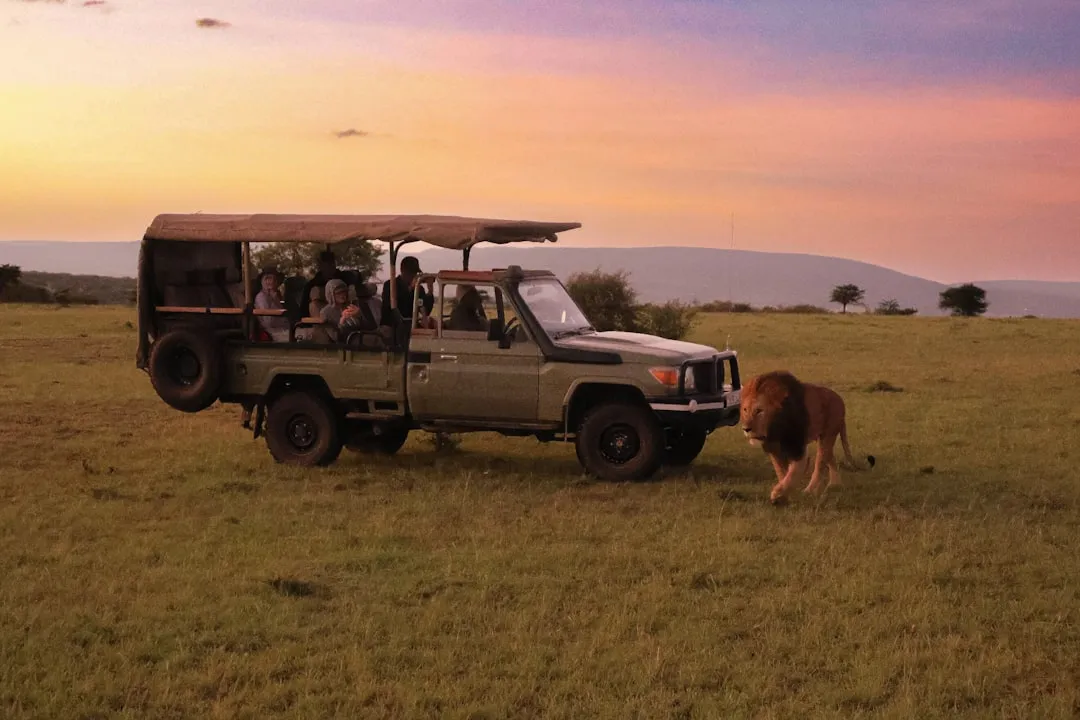
In East Africa, the late afternoon from roughly three in the afternoon until sunset represents another excellent window to see animals, as wildlife becomes active again after the midday heat and light conditions often produce some of the most memorable safari experiences. Predators including lions, leopards, and cheetahs become more active as they begin their hunting patterns, and the late afternoon is particularly conducive to witnessing predator-prey interactions.
Toward dusk, animals make their way to waterholes to drink, in the afternoon to prepare for another night, just as in the morning they seek water after a long night’s activity. A typical day on safari combines two game drives, one at dawn and another in the late afternoon, structured precisely around these windows of peak animal activity.
Night Safaris: A Different World After Dark
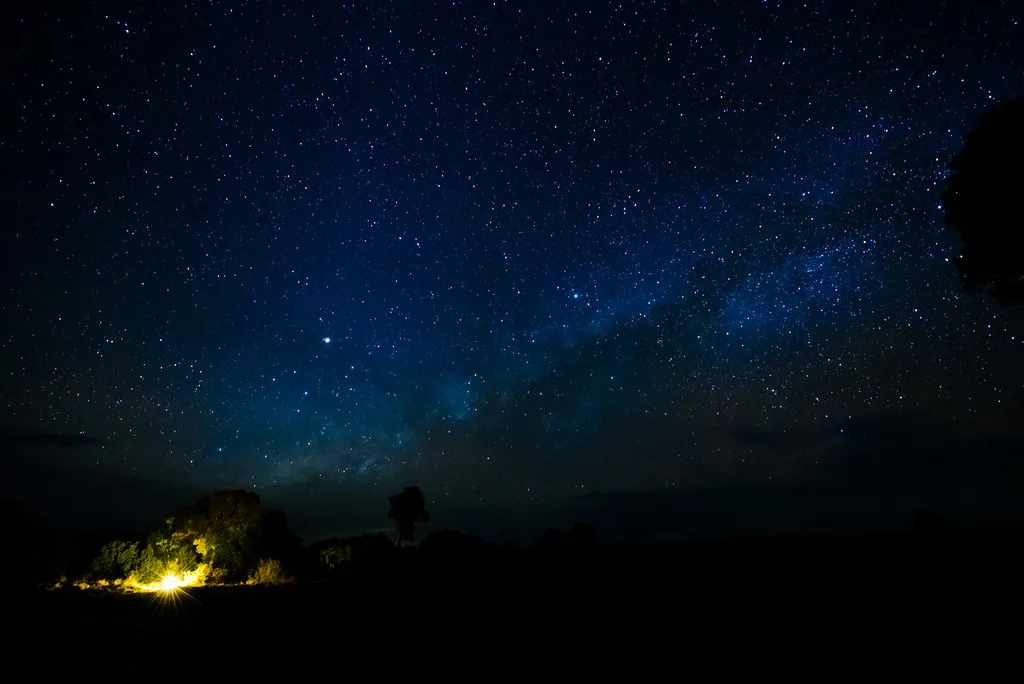
Research on mammal activity using camera traps has found that the majority of mammals surveyed showed activity during the night and twilight hours, accounting for roughly seventy-one percent of recorded images. Night safaris, where permitted by park regulations, reveal a completely different ecosystem in motion. Many of the animals that disappear from view during the day become confident, purposeful presences after dark.
Studies of both African and Asiatic lions reveal steady patterns of nocturnal territorial vocalizations, with occasional roaring in the cooler hours immediately after dawn or just before dusk. Hearing a lion roar from an open vehicle at night, with no ambient light to soften the experience, is one of those sensory moments that reframes everything you thought you knew about wild animals and the landscapes they inhabit.
How Guides Read the Land, Not Just the Clock
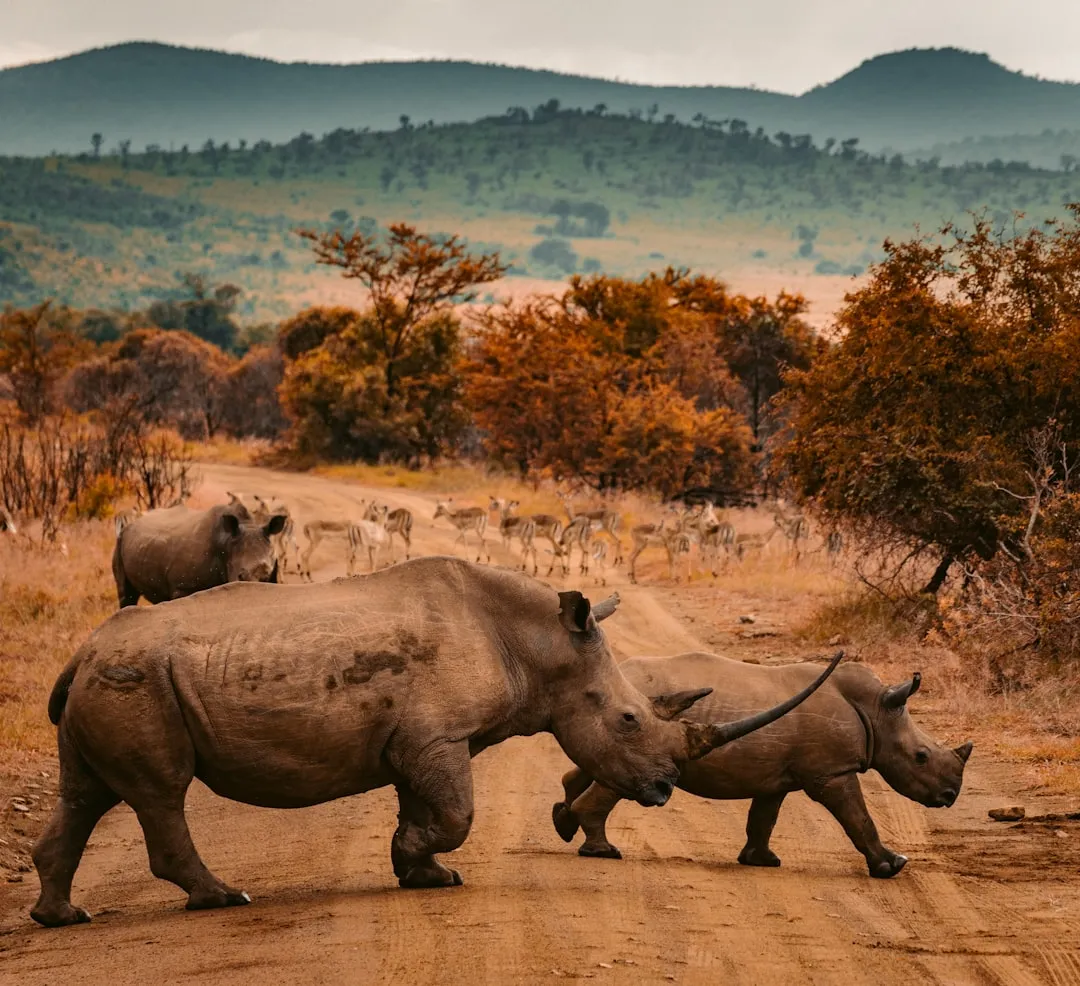
Timing is one of the most crucial factors in organizing a wildlife safari, but the time of day only tells part of the story, since various species have distinct and sometimes unpredictable activity patterns. Seasoned guides layer clock time with terrain, seasonal conditions, waterhole proximity, and behavioral cues like bird alarm calls and tracks in the sand. The clock is a starting point, not a guarantee.
Safari guides encourage visitors to remain attentive and not miss subtle clues, from focusing on resting spots to tracking behavioral signals like bird calls and using binoculars to locate hidden cats. Whether you’re in Kenya, Tanzania, Uganda, or Rwanda, knowing when to go on safari can greatly enhance your experience, and the optimal times depend on both the environment and the natural behavior of each species. A great guide doesn’t just drive you to animals. They teach you how to look at the whole system.
The Takeaway
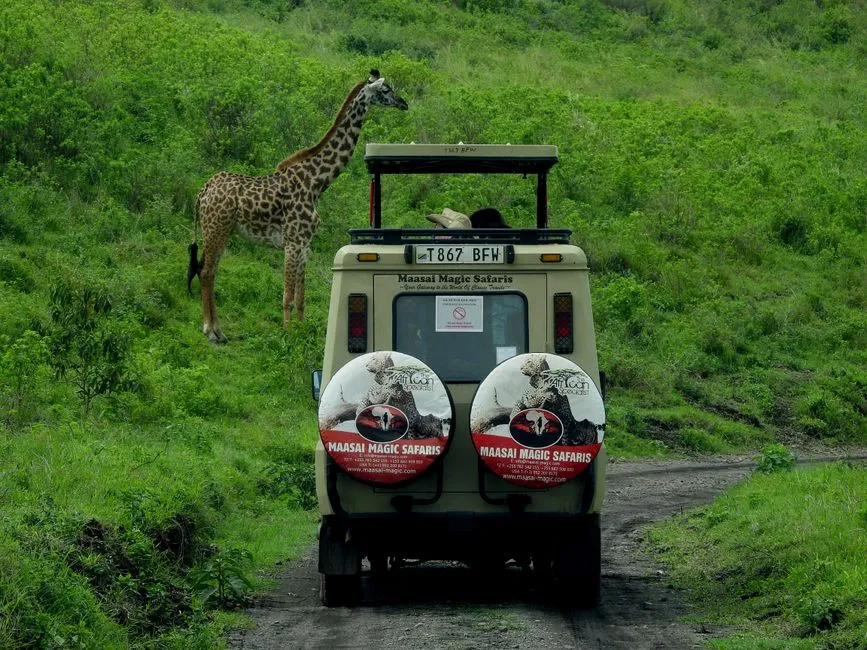
The African bush doesn’t follow a rigid timetable, but it does follow patterns, and those patterns are deeply readable once you understand what to look for. Early morning and late afternoon remain the most reliably productive windows across nearly all species, grounded in the basic biology of temperature regulation and predator-prey dynamics.
What makes a safari truly transformative, though, isn’t just being in the right place at the right hour. It’s arriving with enough curiosity to appreciate the animal that’s doing something unexpected at noon, or the hippo that wanders past your tent at midnight. The wild has its own rhythm, and the wisest thing a traveler can do is simply tune into it.
AI Disclaimer: This article was created with the assistance of AI tools and reviewed by a human editor.