
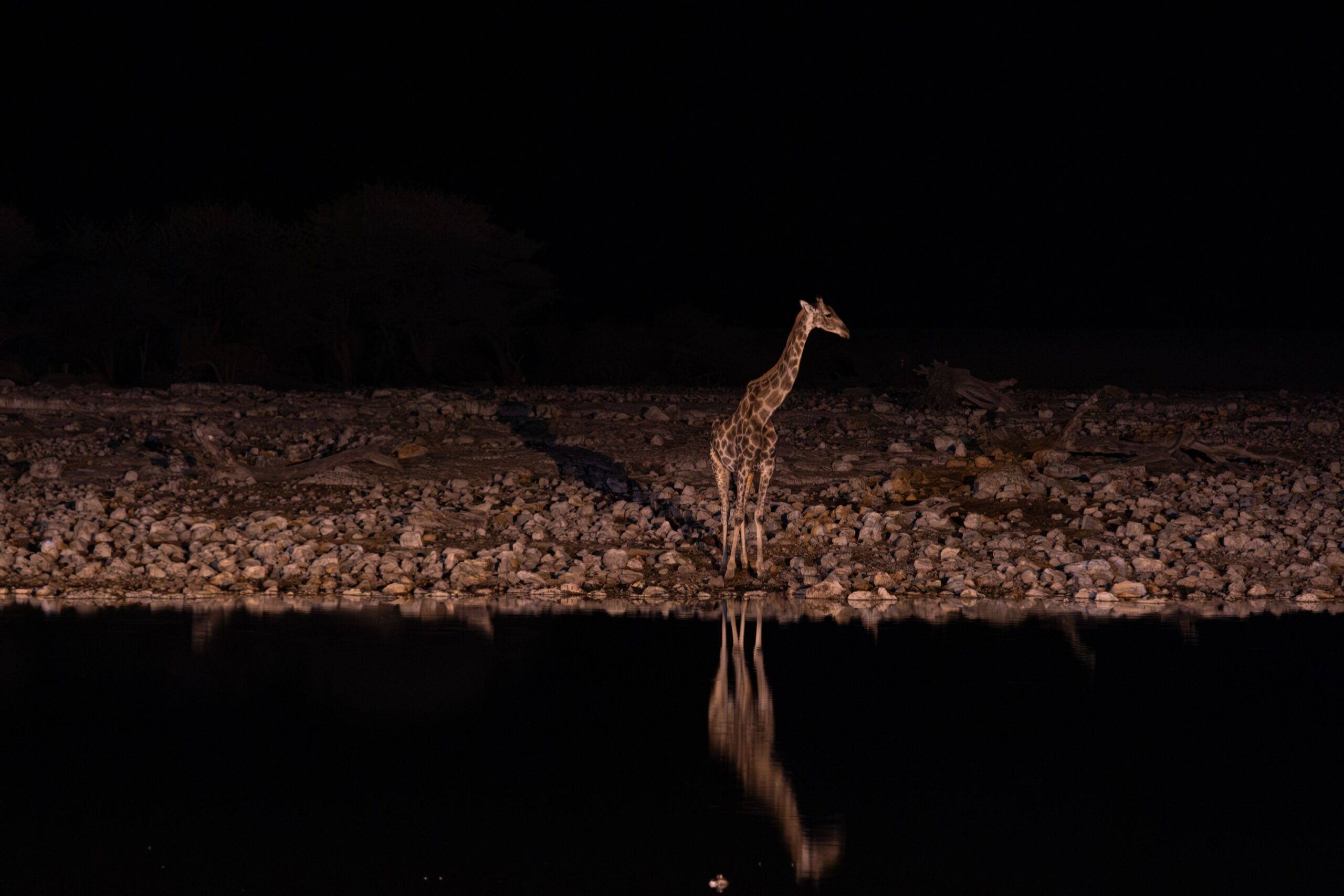

There’s a moment that happens at nearly every safari lodge in Africa, usually just after the welcome drinks have been poured and the last rays of sun are settling over the bush. A staff member stands up and delivers a quiet but serious briefing. Among the standard pleasantries, one instruction carries more weight than anything else: do not walk alone at night.
It sounds simple. It is also, according to experienced guides and camp managers across East and Southern Africa, the rule guests are most likely to underestimate. What follows is a closer look at why that rule exists, what enforces it, and what the African wilderness actually looks like after dark.
The One Rule That Never Changes
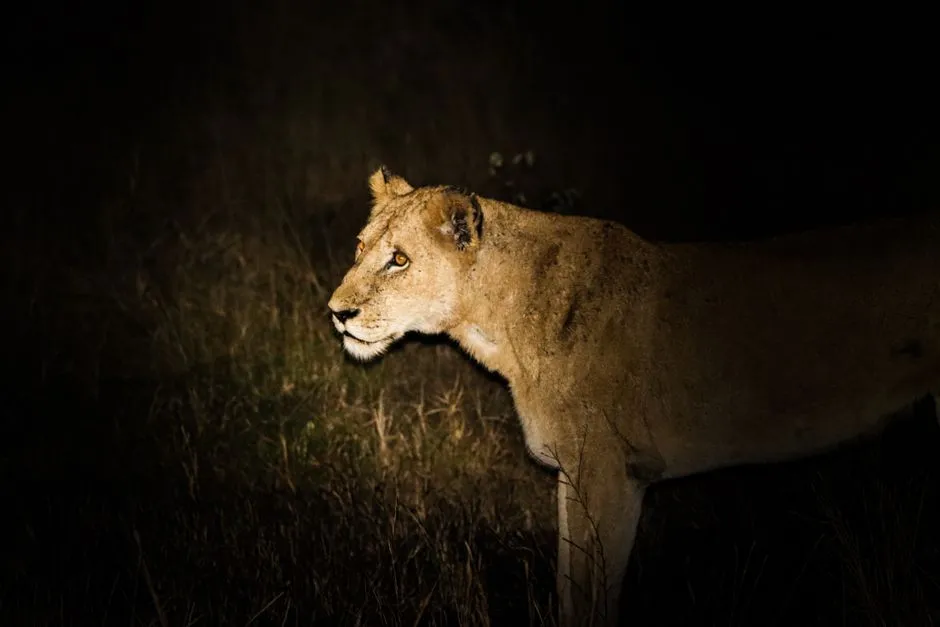
Always walk with an escort when leaving from or returning to your room at night, with no exceptions. That single instruction is repeated at safari properties from the Masai Mara to the Okavango Delta, regardless of the lodge’s size, price point, or fence status. At night, guests are always escorted. This is a simple safety rule, not because danger is common, but because prevention matters.
After dark, wildlife activity often increases around safari camps, and lodges therefore implement clear policies regarding guest movement between rooms and communal areas. The rule is not designed to alarm guests. It exists because the environment around a safari lodge is genuinely different once the sun disappears.
Why the Bush Changes After Sunset
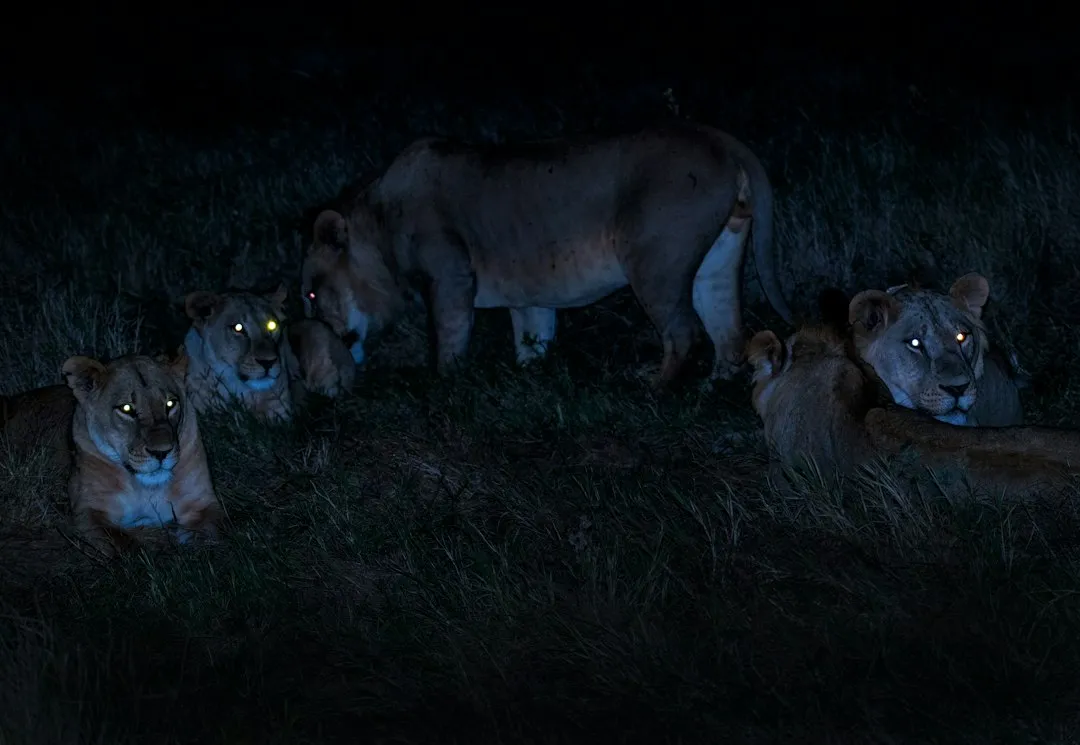
Night introduces the highest exposure: predators are more active, visibility is reduced, and movement is restricted. Animals that spend daylight hours away from camp will often move through sleeping areas after dark, following scent trails, water routes, or grazing lines that existed long before any lodge was built. Elephants and buffaloes are impossible to see after dark, even a few meters away.
Safari camps are often surrounded by natural habitats rather than conventional residential neighborhoods. Animals may move through pathways, gardens, and open spaces without warning. At night, limited visibility makes it difficult to recognize wildlife or judge distances. This is the landscape guests are navigating when they slip out alone to use the bathroom or grab something from the dining area.
The Hippo Factor That Most Guests Don’t Expect
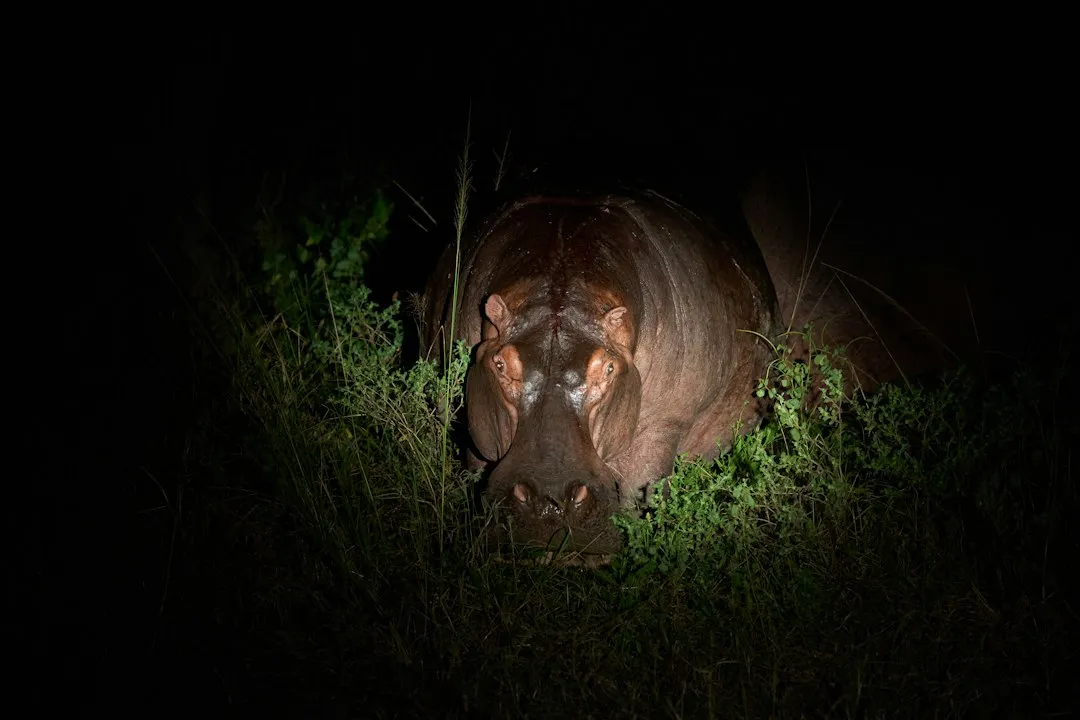
Hippos spend substantial time in water during the day but may move onto land at night to feed. Safari lodges near rivers, lakes, and channels may therefore experience hippo movement after dark. This is far more common than most first-time safari guests anticipate. Hippos are especially important to consider because they often leave the water at night to graze.
The numbers behind this are genuinely sobering. Hippos are responsible for an estimated 500 human deaths per year in Africa, more than lions, leopards, buffalo, and crocodiles combined. They are highly territorial, move faster than most people expect at up to 30 mph on land, and give very little observable warning before charging. A guest walking an unlit path at night has essentially no way of knowing one is nearby.
The Askari System: Who’s Actually Watching
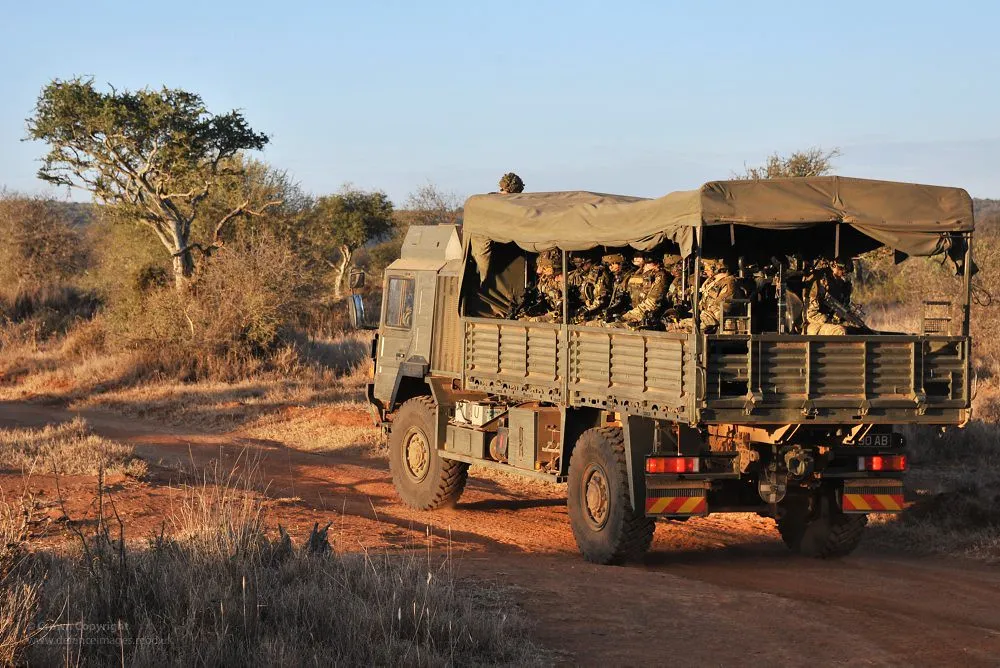
Every reputable camp in Kenya runs on the same basic system: no fences. Instead, they use trained night guards called askaris. Askaris patrol set routes between tents through the night, often walking a loop every 20 to 30 minutes. These are not ceremonial positions. Askaris carry torches powerful enough to pick up eyeshine at a significant distance and know the movement patterns of local wildlife intimately.
On arrival, every guest gets a safety briefing. The rule is simple: after dark, you do not walk between your tent and the mess area alone. You call for an escort, usually by radio or by using a horn or whistle left in your tent. An askari walks you there with a torch. Each guest tent has a torch and radio for communication with staff, and staff are stationed strategically throughout the camp to ensure guests can sleep peacefully knowing an experienced professional is watching over things.
What Happens When an Animal Won’t Move
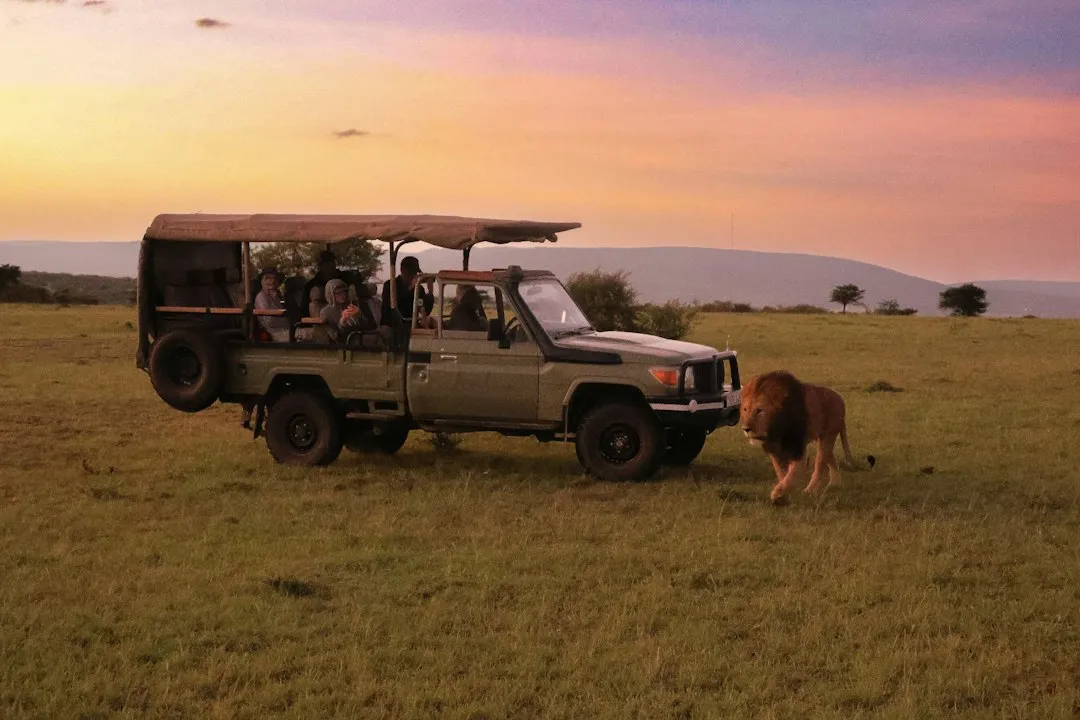
If you leave your room and notice a large animal nearby, do not attempt to pass it. Return to your room if it is safe to do so and contact lodge staff. Most guests never face this situation, but camp managers prepare for it as a matter of routine. Rooms often have two-way radios to call for an escort, and some lodges even have air horns to scare an animal away and sound the alarm.
When even an escort is not sufficient, lodges have a fallback. Experienced guides will bring a vehicle around to collect the guest rather than risk a walk past a problem animal. Visitors may be escorted by trained staff using torches or vehicles, particularly in unfenced environments where animals may pass nearby. The system is layered and practiced, not improvised.
Food Storage: The Rule That Protects the Camp, Not Just the Guest
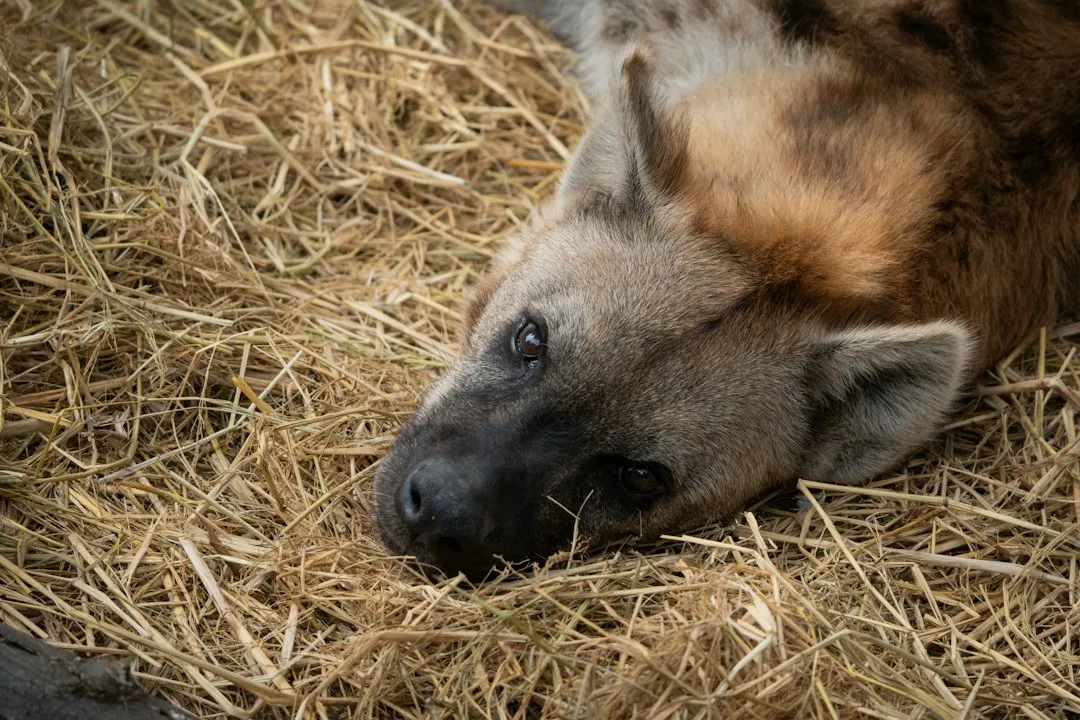
Food storage is the single most important camp rule. Every item of food, cooked, raw, or packaged, must be sealed inside a locked vehicle before guests sleep. This applies equally to snacks in tent pockets and leftover meals near the cooking area. Hyenas are the most persistent camp visitors in Serengeti and Ruaha campsites and are motivated by food smell alone. A hyena that detects food accessible outside a vehicle will return repeatedly and become progressively bolder.
Guests should not keep any food, including snacks or sweets, inside safari tents. This rule often surprises guests who assume a wrapped energy bar poses no risk. The reasoning is ecological as well as practical. Lodges and campsites suffer the consequences of guests who attract animals, as those animals then become accustomed to humans, leading to danger for all involved.
Keep Your Tent Zipped: The Detail That Matters More Than You Think
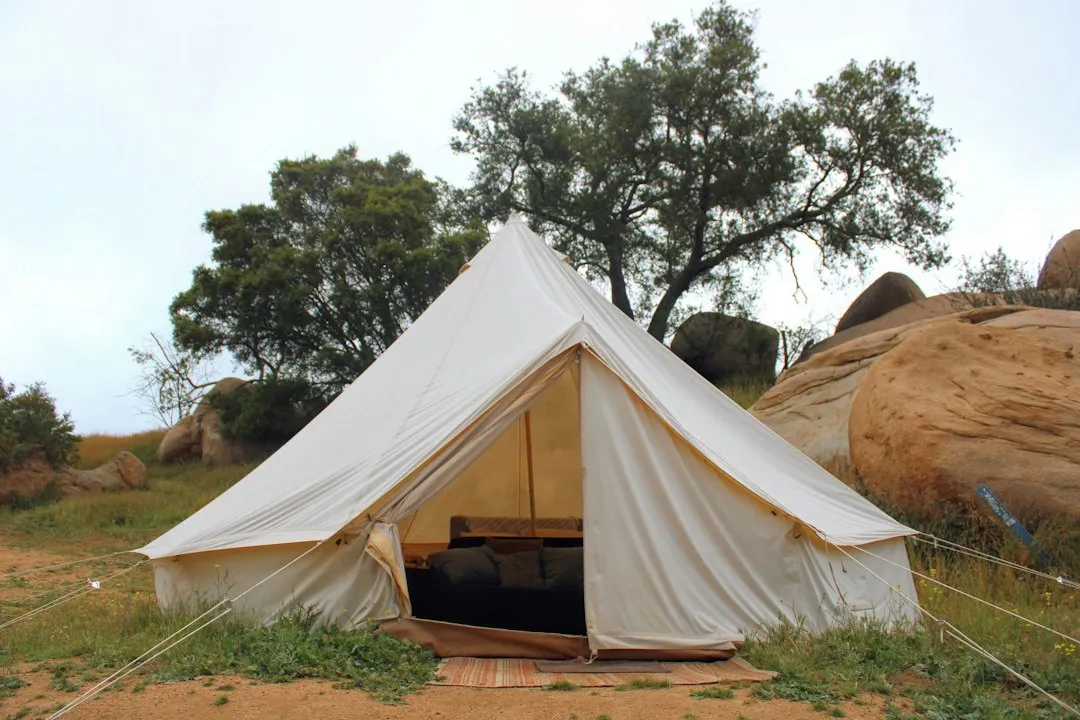
If you’re staying in tented accommodation while on safari, ensure flaps and doors remain zipped. This prevents insects, snakes, and curious animals from entering. The instruction sounds almost too obvious to mention, but staff at camps across Tanzania and Kenya note that this is one of the most commonly ignored details, especially on warm nights. Animals including hyenas can enter a tent with an open zip.
Zip your tent or close your door at all times. Animals are curious, especially baboons who associate humans with food. Baboons in particular are fast, intelligent, and entirely comfortable ransacking a tent in under a minute. Baboons and vervet monkeys are the real troublemakers at many camps, and they come for food, not people. Keeping the zipper closed is one of the few camp rules that is actually its own complete protection.
How to Behave If You Encounter Wildlife on a Night Walk
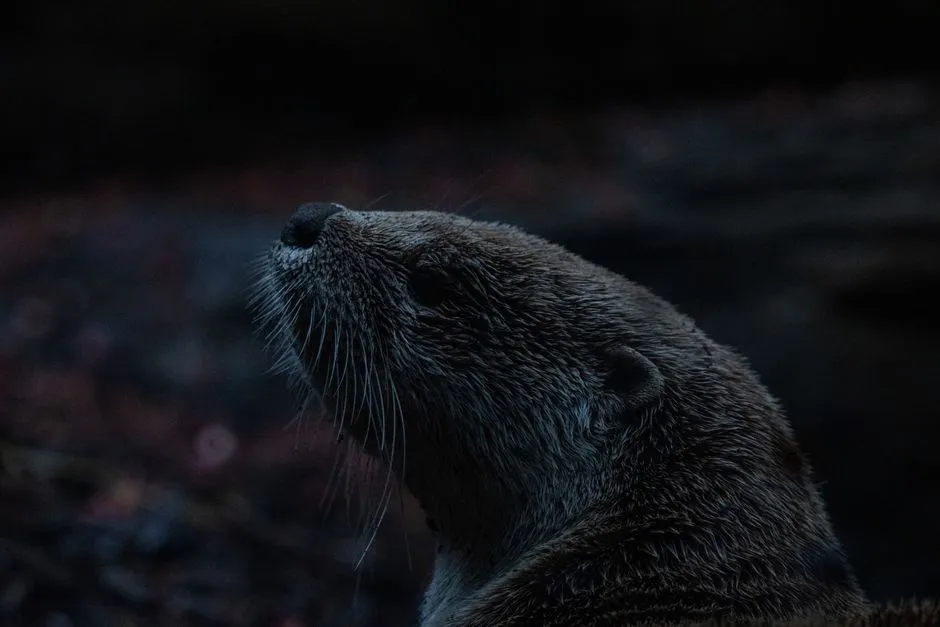
Do not run. Running triggers the pursuit instinct in lions, leopards, and other predators. This is the single most important rule in a sudden encounter. Standing still and facing the animal, then waiting for a guide’s signal, is always the correct response. Never run. Never turn your back on a predator.
If you leave your room and notice a large animal nearby, do not attempt to pass it. Return to your room if it is safe to do so and contact lodge staff. Do not approach for photographs. That last point deserves emphasis. The instinct to reach for a camera during a wildlife encounter is powerful, but a nighttime encounter near camp is not a photographic opportunity. It is a situation requiring calm, deliberate retreat.
The Arrival Briefing Is Not Optional Listening
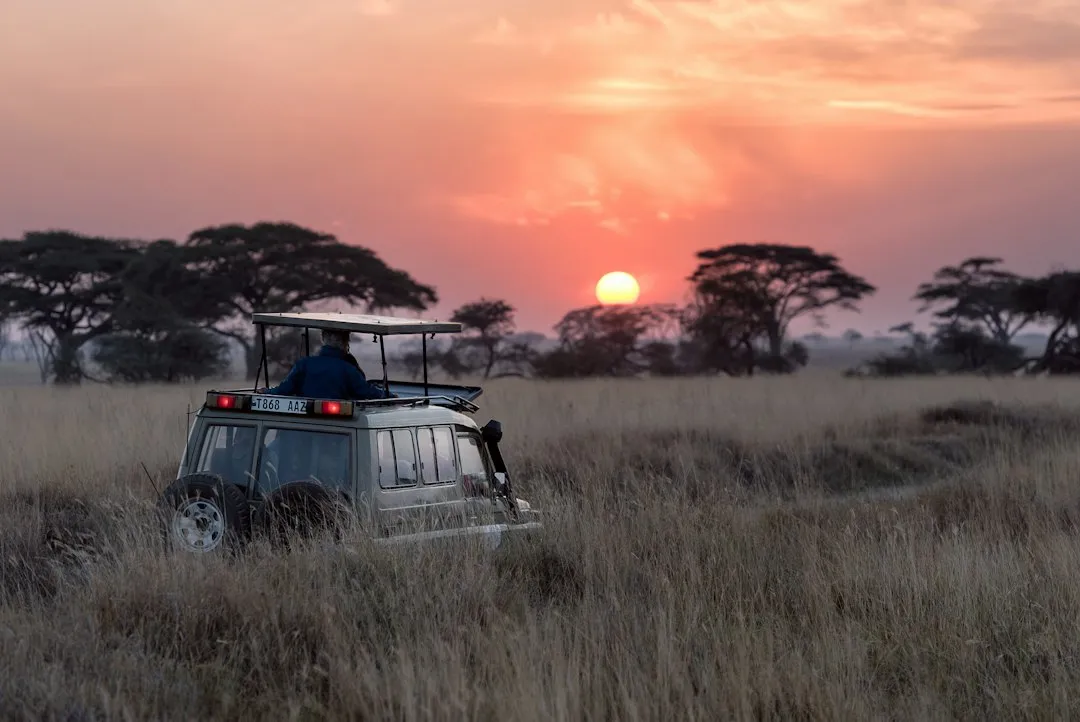
These procedures are explained during arrival briefings and reinforced throughout the stay. Guests quickly become familiar with lodge routines, including when to request an escort and how to move safely within camp boundaries. The briefing is typically short and friendly in tone, which can make it easy to treat as background noise. Experienced guides say that is almost always the wrong approach.
Follow camp rules: listen carefully to safety briefings and respect the guidelines provided. The Masai Mara, for example, is a highly controlled safari environment where safety is built around experienced guides, structured camps, and strict behavioral protocols. The system works precisely because it is consistent and because staff take it seriously even when guests do not.
Fenced Versus Unfenced: Understanding What You’ve Booked
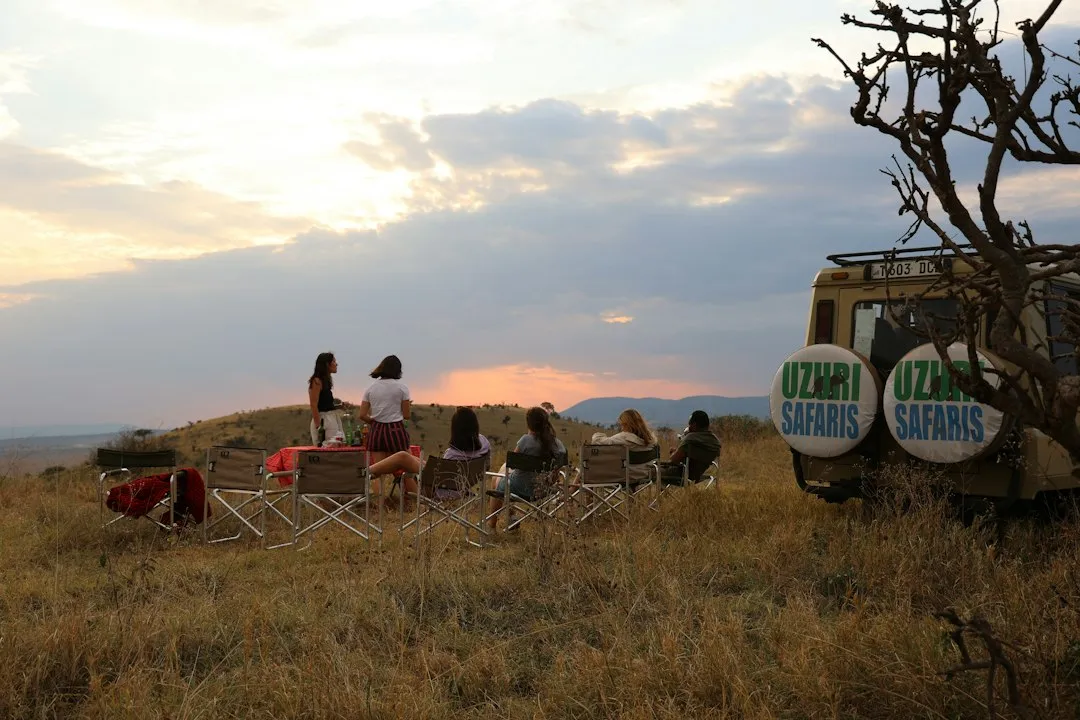
Some travelers are surprised to learn that not all safari camps are fenced. Both fenced and unfenced setups are carefully managed to ensure guest safety, and the choice often comes down to the kind of experience you are looking for. Unfenced camps offer something fenced ones simply cannot: the unfiltered sounds and presence of the African bush right outside your tent canvas. Unfenced camps provide a truly immersive experience; guests may hear the exciting sounds of lions calling or elephants grazing in the distance at night.
In unfenced camps, animals can move through camp areas, including near tents. However, incidents are rare because camps are designed with awareness of wildlife movement. Guests are instructed on safe behavior and often escorted after dark to reduce exposure. The rarity of serious incidents is not accidental. It reflects decades of professional management, guide training, and the consistent application of the same core rule: no one walks alone after dark.
The Quiet Wisdom Behind a Simple Instruction
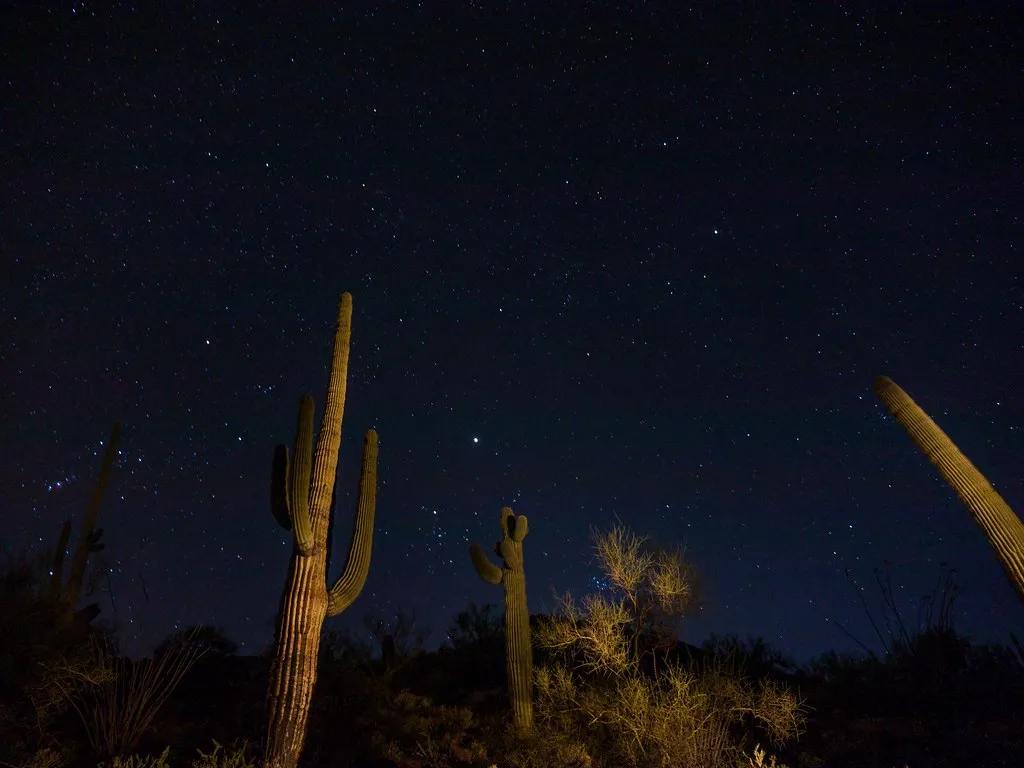
Serious predator incidents inside a properly run camp are rare enough that operators can usually name every one that happened in their area. Most guides working with 15 years of experience on trips have never had a guest injured by a wild animal in camp. That safety record exists because the rule about not walking alone at night has been taken seriously, generation after generation of guides, staff, and guests.
The nighttime escort rule is one of those rare travel guidelines where the reasoning and the instruction are perfectly aligned. The bush is genuinely beautiful at night. The sounds of distant lions, the silhouette of an elephant passing the treeline, the unfamiliar chorus of insects: all of it is part of what makes a safari stay so memorable. Evening experiences such as dinners under the stars or fireside gatherings take place within controlled areas where staff remain present, allowing guests to enjoy the magic of the African night while maintaining a secure environment. The rule doesn’t diminish the experience. It’s what makes it possible.
AI Disclaimer: This article was created with the assistance of AI tools and reviewed by a human editor.