
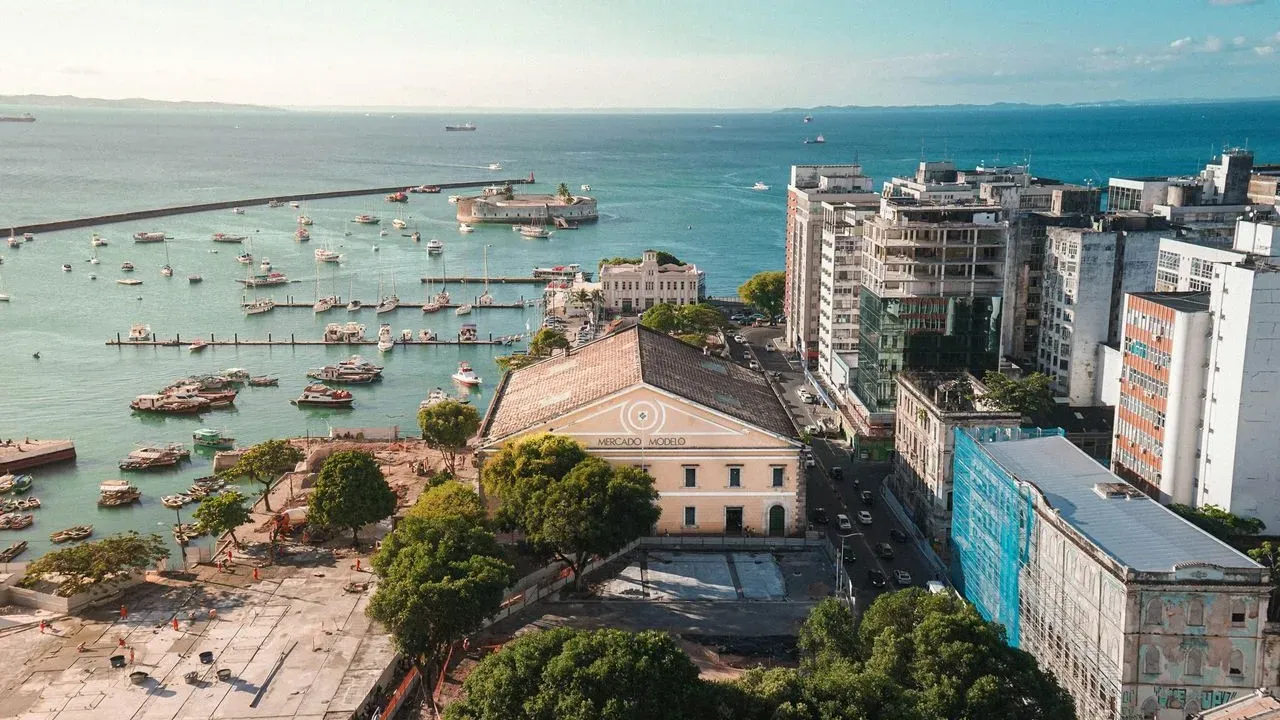

Salvador sits on Brazil’s northeastern coast as a city where history and daily life intertwine in vivid detail. Its colonial architecture, painted in bright hues, frames neighborhoods that have long served as centers of Afro-Brazilian culture. Music drifts from doorways and plazas, while kitchens turn out dishes that reflect centuries of tradition and exchange. Travelers who arrive ready to listen and taste often find the experience lingers long after they leave.
The Historic Core of Pelourinho
The neighborhood known as Pelourinho forms the preserved heart of Salvador’s old city. Cobblestone lanes wind past churches and pastel buildings that date back to the colonial era. Restoration efforts have kept the architectural character intact while allowing local residents and artisans to maintain their presence. Walking these streets at different times of day reveals layers of activity, from morning markets to evening gatherings.
Many visitors begin here because the area concentrates so much of the city’s visible heritage in one walkable district. Guided tours led by local historians offer context on the buildings and the communities that shaped them. The setting rewards slow exploration rather than rushed checklists.
Deep Roots in Afro-Brazilian Heritage
Afro-Brazilian traditions shape Salvador’s identity in ways that extend far beyond performance or display. Religious practices such as Candomblé remain active in temples and homes throughout the city. These customs arrived with enslaved Africans and evolved over generations into distinctive expressions of faith, music, and community life. Respectful visitors often learn the basic protocols before entering any sacred space.
Local museums and cultural centers present this history through objects, oral accounts, and contemporary art. Markets sell handmade items tied to these traditions, from textiles to ritual objects. Engaging with artisans directly supports the continuation of these practices in their original context.
Flavors That Tell a Story
Salvador’s kitchens blend African, Portuguese, and Indigenous influences into a cuisine that stands out even within Brazil. Dishes such as acarajé, a fritter made from black-eyed peas and filled with savory toppings, appear at street stalls and family tables alike. Moqueca, a seafood stew simmered in dendê oil and coconut milk, reflects the coastal setting and the ingredients long available in the region.
Many restaurants and home cooks source ingredients from nearby producers, keeping flavors tied to the seasons. Cooking classes led by local families provide insight into techniques passed down through generations. Sampling these foods in their home setting adds depth to any itinerary.
Music That Moves Through Every Corner
Sound defines Salvador as much as its architecture. In Pelourinho and beyond, rhythms from samba, axé, and other styles fill public spaces on most evenings. Street musicians and organized groups perform without stages, turning sidewalks into temporary venues. The energy draws both residents and visitors into spontaneous participation.
Festivals throughout the year amplify this musical life, though smaller, everyday performances often reveal the most authentic connections. Listening to how different generations interpret the same songs offers a window into ongoing cultural evolution. Many travelers leave with new playlists and a stronger sense of how sound carries memory in this city.
Practical Steps for a Respectful Visit
Planning around local rhythms helps visitors move with the city rather than against it. Early mornings suit quieter exploration of historic sites, while evenings align with music and markets. Learning a few Portuguese phrases opens doors that remain closed to those who rely only on translation apps.
- Support community-led tours and workshops whenever possible.
- Choose accommodations that work with neighborhood residents rather than displacing them.
- Carry cash for small vendors and artisans who keep traditions alive.
- Observe photography etiquette, especially near religious or private spaces.
These choices turn a trip into an exchange that benefits the places and people encountered along the way.
Salvador invites travelers to slow down and notice how culture lives in ordinary moments. The city rewards those who arrive curious and depart changed by what they have heard, tasted, and seen.
AI Disclaimer: This article was created with the assistance of AI tools and reviewed by a human editor.