
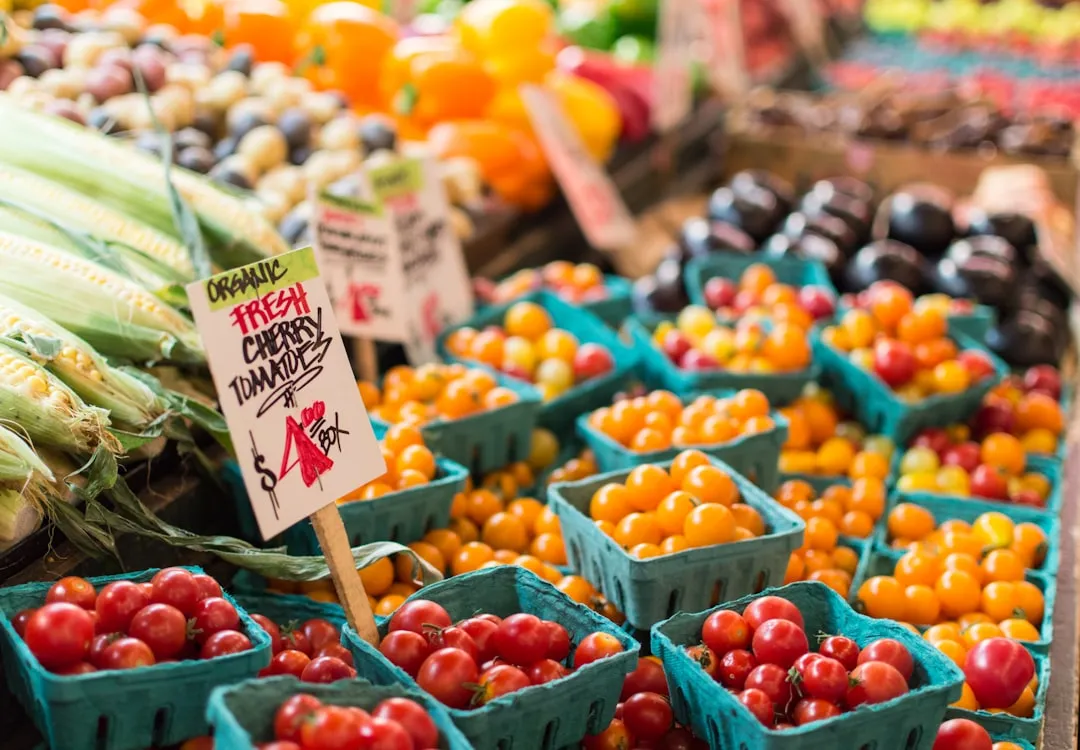

There are places in a city that carry weight beyond what’s visible. They absorb decades of ordinary life – the smell of fresh produce at dawn, the sound of a child asking to see where their parents work, a grandmother’s hands shaping pottery – and hold it all. San Antonio’s Historic Market Square is one of those places.
It occupies just three blocks along West Commerce Street downtown, yet it contains more than 300 years of a city finding itself. The architecture, the families, the food, the folklore – all of it layered together in a way that no museum exhibit could fully replicate.
A Plaza Born from a Royal Gift
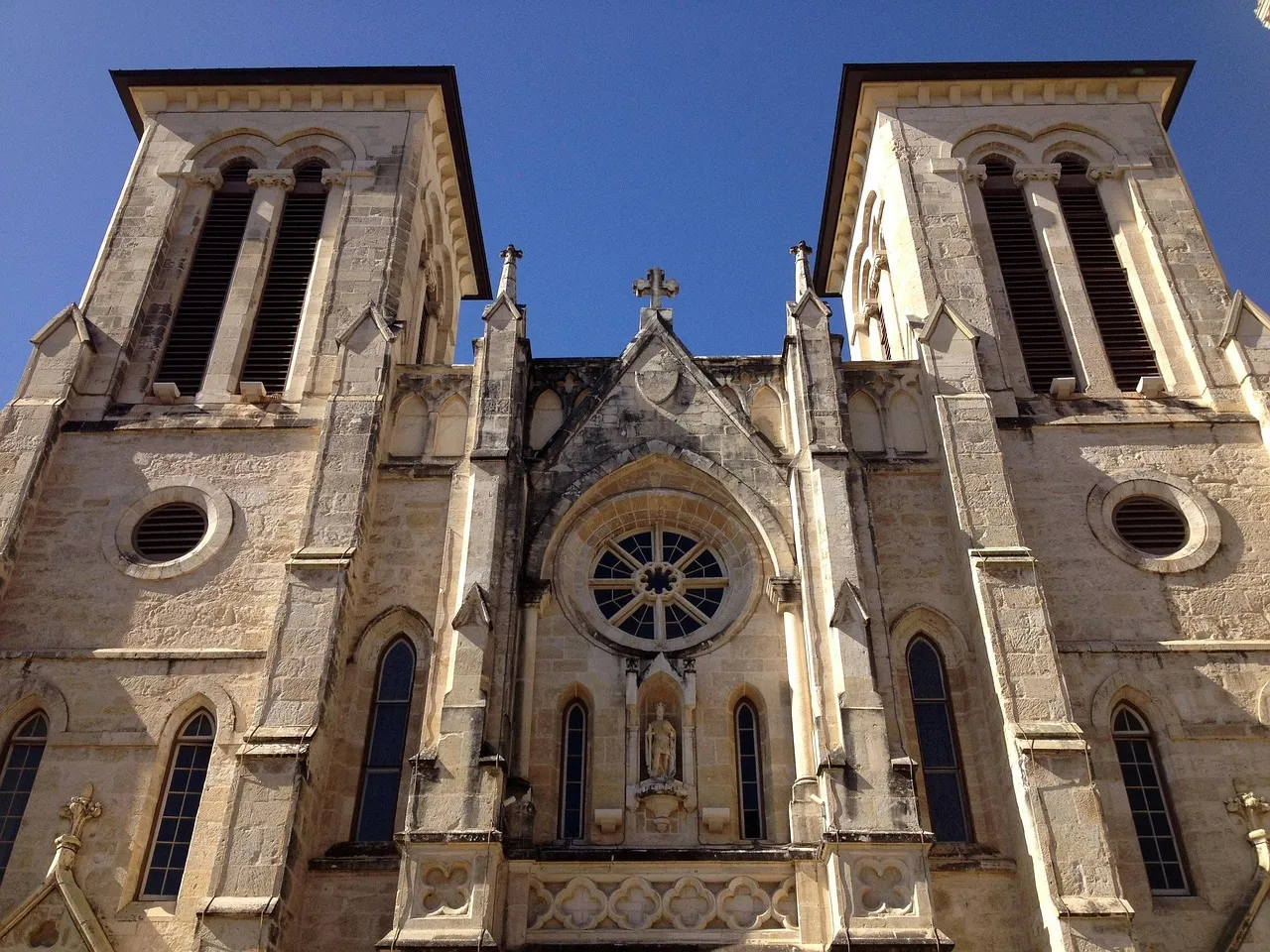
The market’s origins trace back to 1730, when King Philip V of Spain gifted the original Plaza de Armas to San Antonio’s settlers “for their use and entertainment,” establishing one of the city’s earliest lively marketplaces for fresh produce, meats, and local goods. That founding act – land given for communal life rather than private gain – set the tone for everything that followed.
For more than a century, the area between West Commerce and Dolorosa streets has been home to some kind of market or plaza. The square has never really stopped being a gathering place. It has simply changed its shape around a persistent human impulse to come together and trade.
From Haymarket Plaza to El Mercado
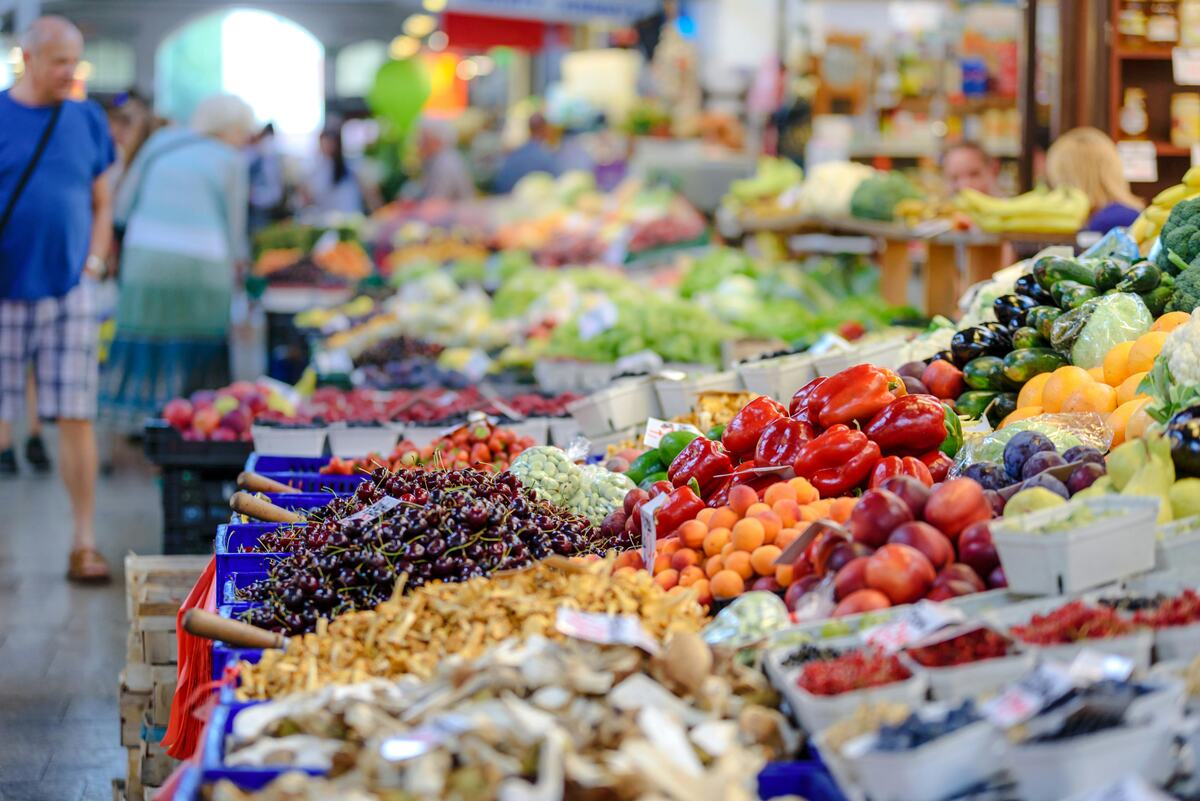
The “El Mercado” building was built as a Works Progress Administration project during 1938 to 1939 after the existing municipal market house was torn down. The new building was originally named the “Municipal Truck Market,” but locals commonly called it the “Farmer’s Market,” as farmers sold their produce straight from their trucks inside the open-air building.
In the 1950s, the rise of chain grocery stores further eroded the market’s role as a primary destination for fresh produce, prompting surviving vendors to shift from selling local goods like strawberries and watermelons to importing Mexican crafts and curios such as hats, belts, and pottery. That pivot turned out to be a defining moment. What could have become a slow fade instead became a transformation.
Market Square, built on old Haymarket Plaza and Paschal Square, the 19th century farmer’s market, was renovated between 1976 and 1978. The renovation gave the square its present form and opened a new chapter for the vendors who remained.
The Largest Mexican Market in the United States
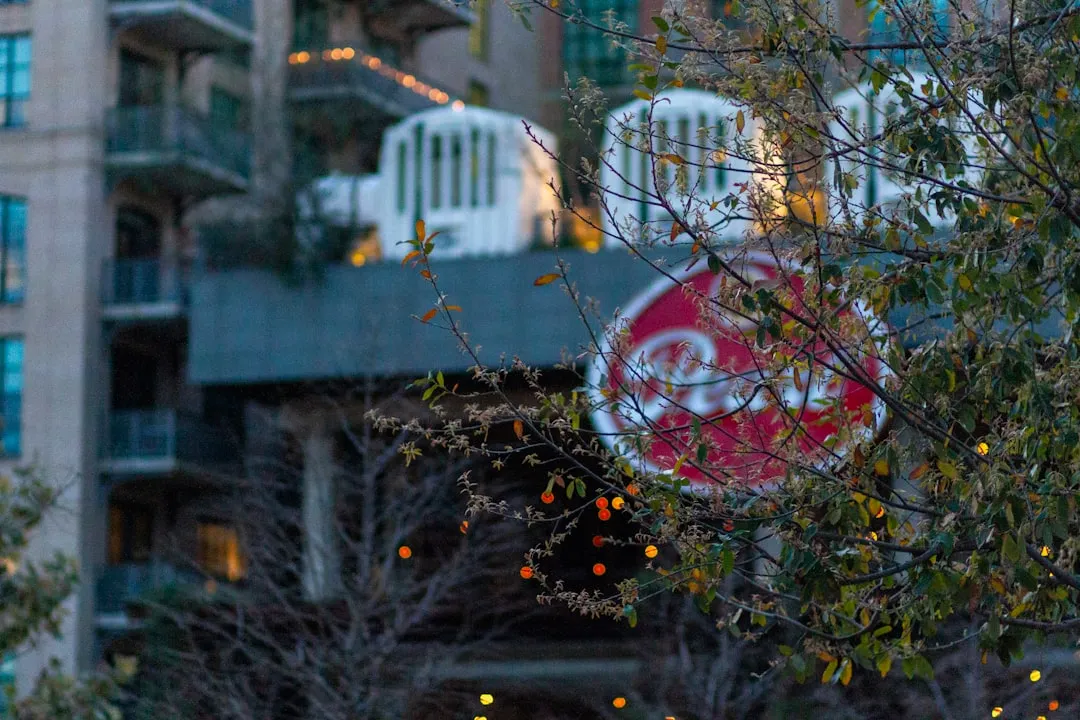
A three-block outdoor plaza lined with shops and restaurants in downtown San Antonio, Historic Market Square is the largest Mexican market in the United States. The El Mercado and the Farmer’s Market Plaza boast more than 100 locally owned shops and stalls.
The El Mercado section has 32 specialty shops and the Farmer’s Market Plaza section has 80. Beyond the indoor spaces, on the outdoor plaza, up to 24 working artisans and 13 food vendors hold puestos. The sheer density of what fits into three blocks is striking once you start counting.
Historic Market Square has been in the heart of San Antonio since the 1890s and is one of the largest Mexican markets in the country. The colorful and vibrant year-round market sits 859 miles north of Mexico City and 156 miles from the Mexican border town of Laredo, and is a center of celebration for holidays and events like Cinco de Mayo, Día de los Muertos and Fiesta.
The Numbers Behind the Foot Traffic
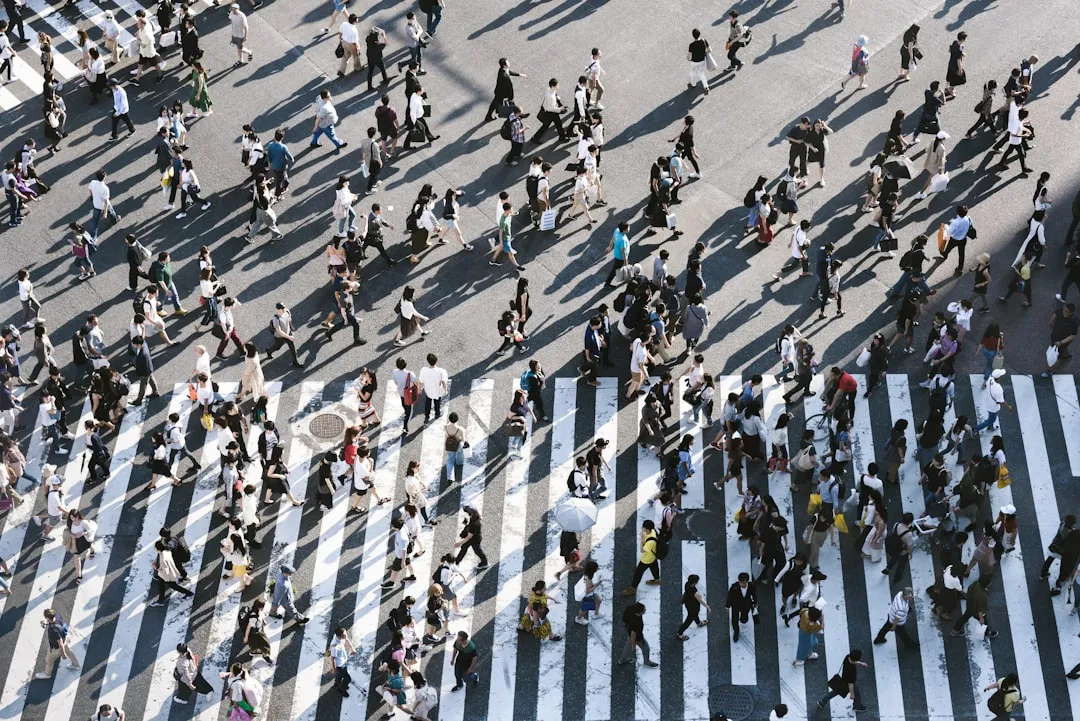
Market Square is the third-most visited location in the Alamo City and boasts dozens of shops and events. That ranking matters in a city that draws millions of tourists to the Alamo and the River Walk each year.
According to Visit San Antonio, more than 1.8 million people visited Historic Market Square between August 2022 and July 2023. In March and April alone, more than 600,000 people typically visit for Fiesta events. Those Fiesta months alone can account for roughly a third of the entire annual visitation, which gives some sense of how culturally anchored the square is to the city’s calendar.
The Architecture of Memory
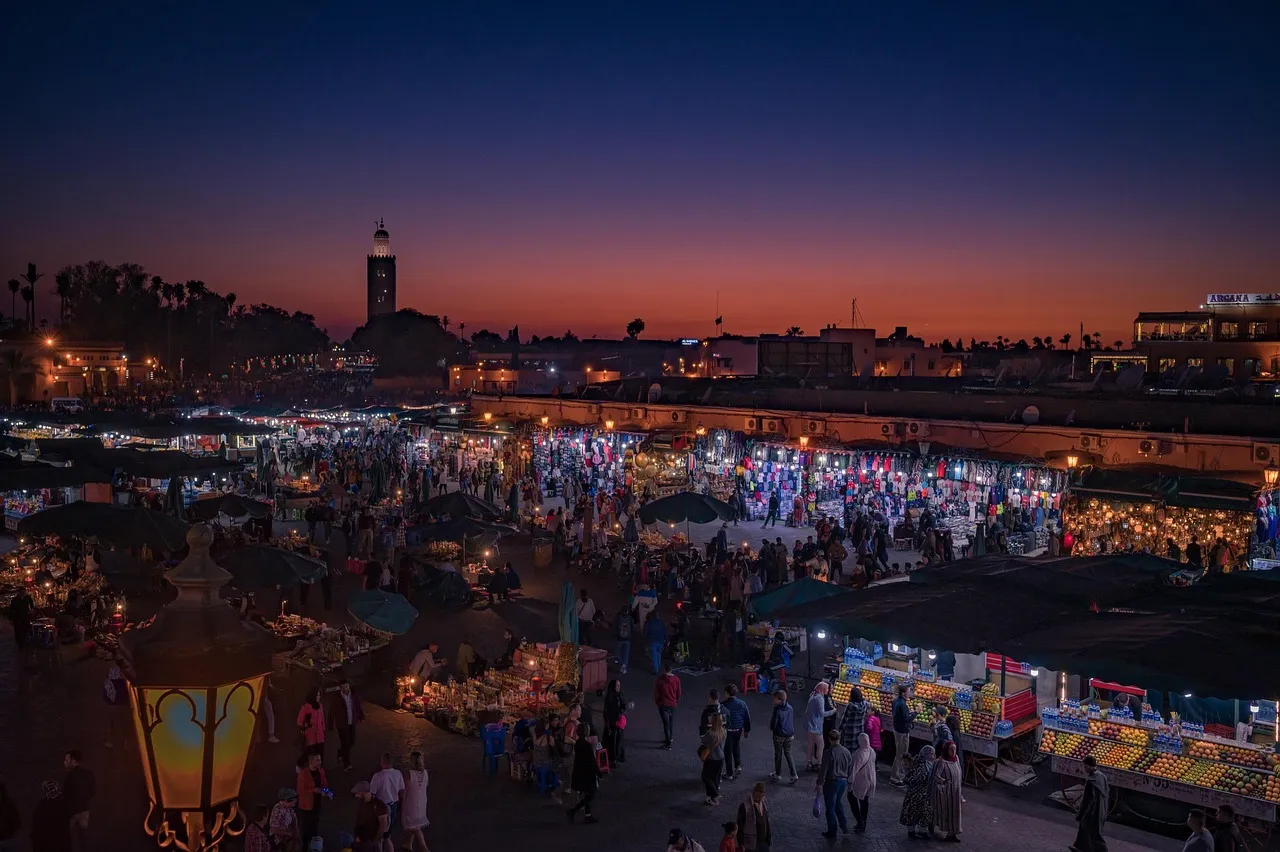
The architecture of Market Square predominantly embodies Spanish Colonial Revival influences, characterized by adobe-like stucco facades, red-tiled roofs, and wrought-iron details on balconies and railings, which echo the area’s 19th-century Mexican heritage and were emphasized during the 1970s revitalization efforts. These elements create a cohesive, low-scale environment limited to three-story heights to preserve the historic plaza’s intimate feel.
Ornamental features such as arcades along the plaza edges dating to the late 19th century further enhance the pedestrian-friendly design originally established when the market relocated to its current site in the 1890s. Walking through the square, the proportions feel deliberate – intimate rather than monumental, which is a quality that outdoor markets increasingly struggle to maintain.
The brightly colored paper cutout decor that adorns much of Historic Market Square is called “papel picado,” which roughly translates to “perforated paper.” It is one of those details visitors remember long after leaving.
Mi Tierra: A Café That Became an Institution
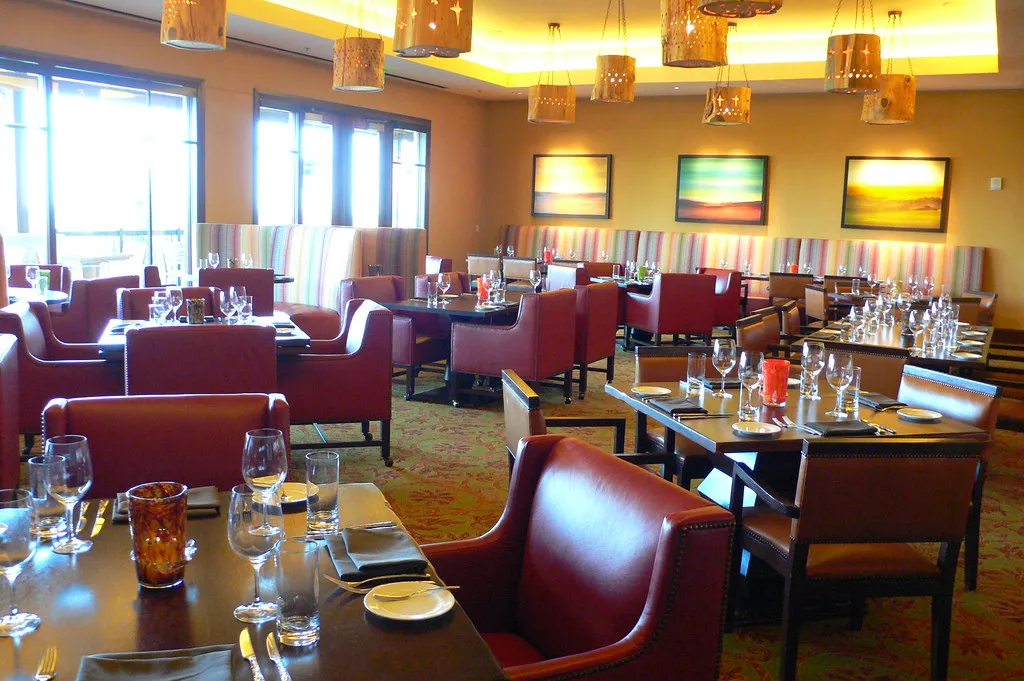
In 1941, Pete Cortez purchased Mi Tierra, a three-table café. It has since grown into a 500-table restaurant. Few business stories in San Antonio’s downtown carry that kind of scale, and even fewer are still run by the same family.
As Mi Tierra has remained a constant on Market Square, third-generation owner Pete Cortez has provided a personal account of the restaurant’s history. His grandfather, an immigrant from Guadalajara, grew Mi Tierra from a three-table café into a storied institution, and also advocated for the Market’s redevelopment when it and his business were threatened with demolition.
From various food stalls in the Farmer’s Market building to the around-the-clock operation of Mi Tierra Café and Bakery, and the charm of La Margarita Restaurant and Oyster Bar, there is a diverse gastronomic range. Mi Tierra never closes. That small fact has become part of the market’s identity.
The Families Who Stayed
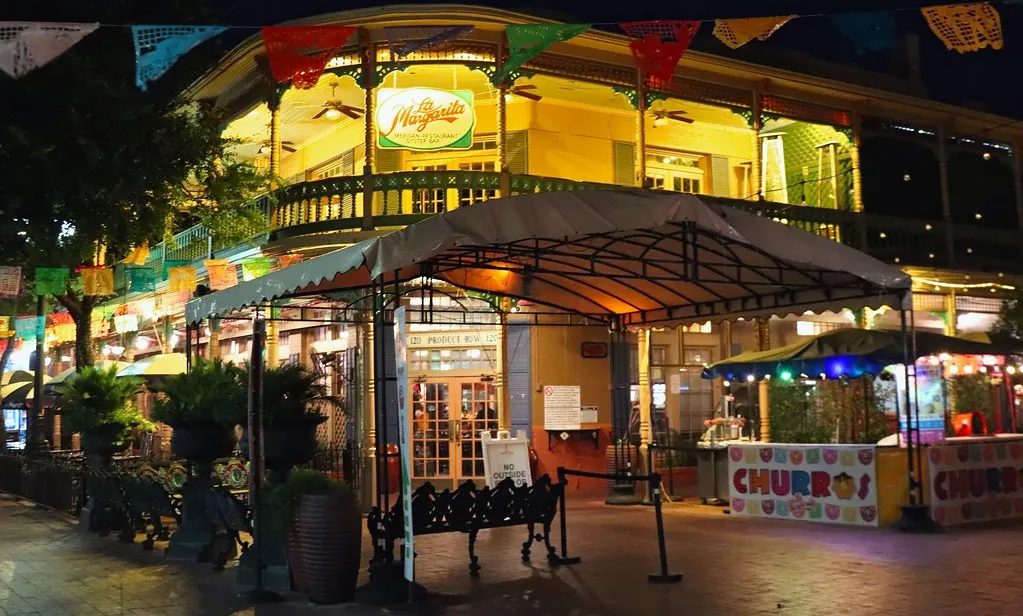
At least six families of the original group that held puestos at San Antonio’s revered market before its 1976 redevelopment still run businesses there generations later. Many of them are children and grandchildren of original shop owners, and they aren’t sure if the next generation will carry on the businesses their predecessors worked so hard to build. Without them, they worry that a slice of San Antonio’s culture may be slipping away.
Standing at the counter of Little Mexico Imports in the same 998-square-foot puesto his family has held since 1976, Jaime Herrejon remembered the days he began working in the business at only eight years old. His story is not unusual at Market Square. Several families carry identical arcs, stretching from grandparents selling produce to grandchildren weighing whether to carry it all forward.
Many families in the 1950s and 1960s would purchase spots to sell produce or home goods. The market’s current roster of vendors is, in many cases, a direct continuation of those mid-century decisions.
Art, Culture, and Centro de Artes
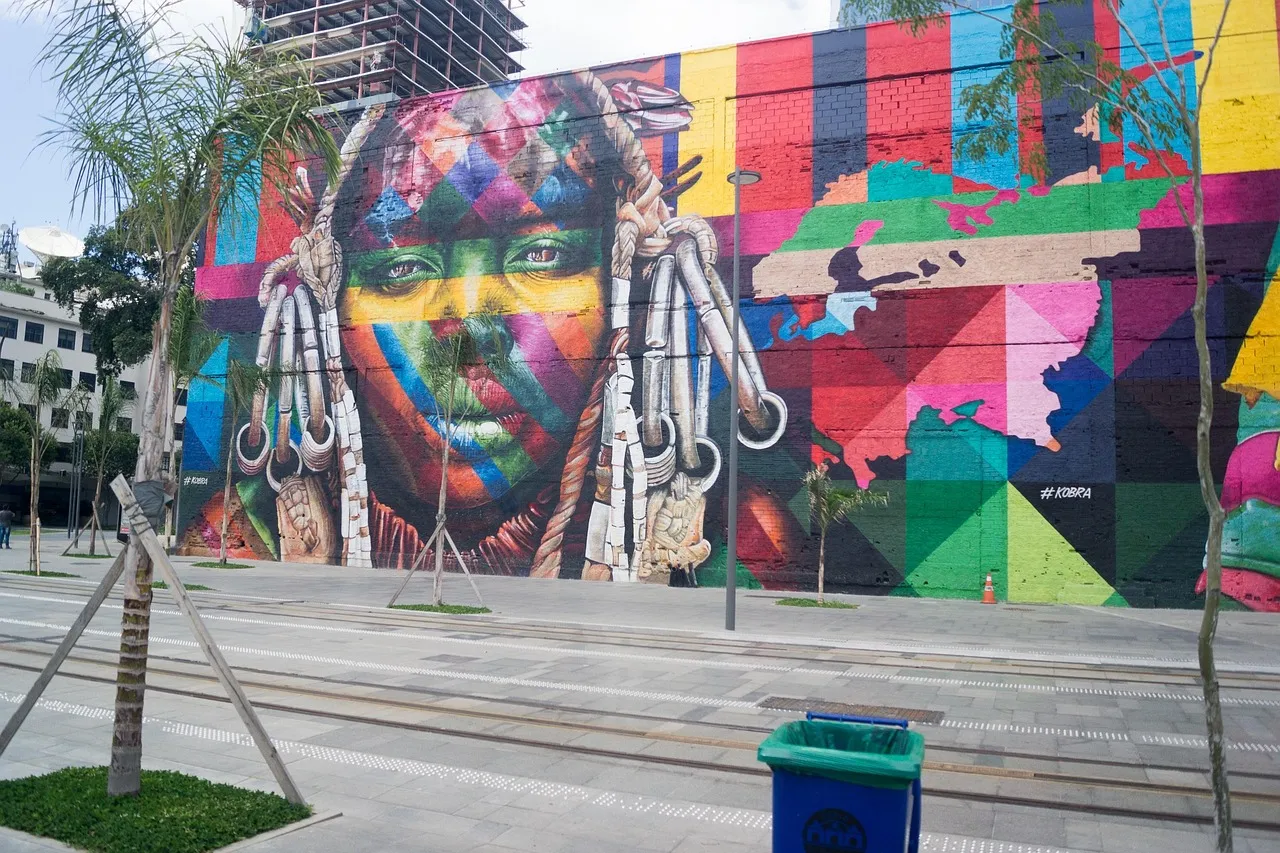
The area known as Market Square is composed of the Farmer’s Market, El Mercado, Centro de Artes del Mercado, and three mall areas along Produce Row and Concho Street known as Mariachi Plaza, Madero Plaza, and Hidalgo Plaza. Each section carries its own personality, which is part of what keeps the square from feeling like a single, packaged experience.
Centro de Artes is a two-story exhibit space that tells the story of the Latino experience in the United States, and it is always free to visit. Centro de Artes presents a full season of solo and group exhibitions and programming annually through an open call managed by the City of San Antonio, Department of Arts and Culture.
Working artists sponsored by the City of San Antonio set up throughout the square, creating and selling handicrafts. Visitors can watch the actual making of things – pottery, paintings, jewelry – rather than simply purchasing finished objects. That transparency is rarer than it sounds.
Renovation, Construction, and What Comes Next
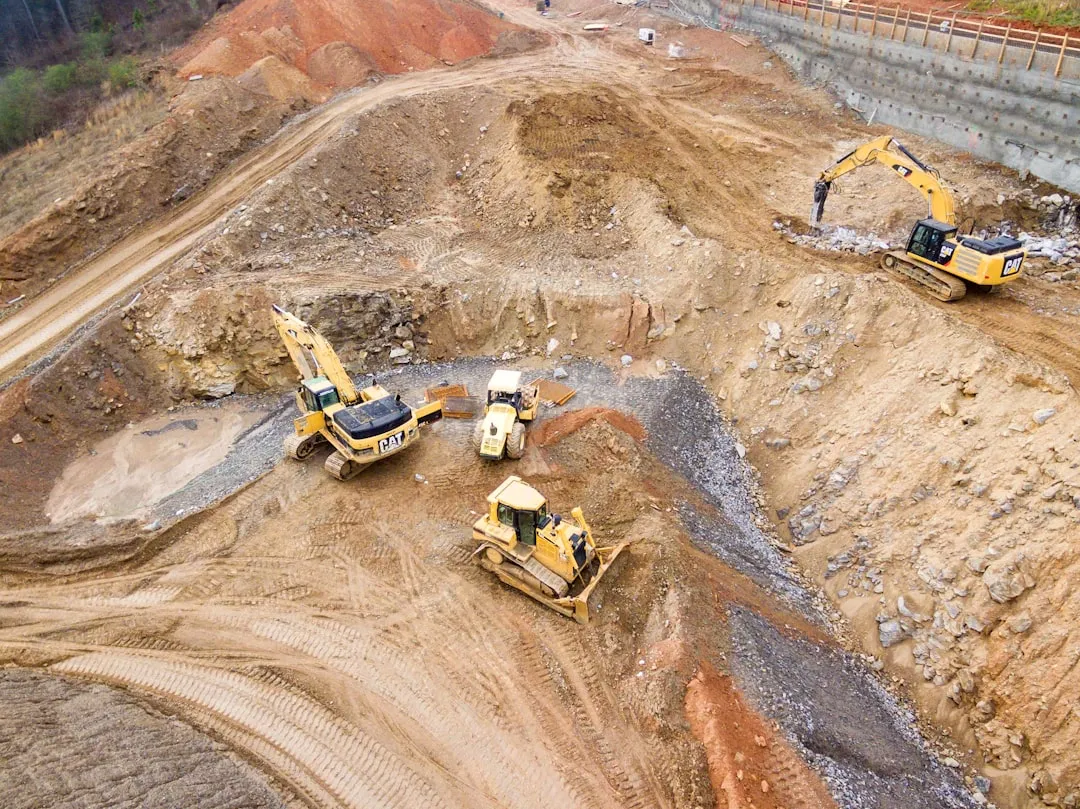
City officials say two street improvement projects, often delayed by utility challenges, should be completed early in 2026 and bring improved roads, sidewalks, lighting, and landscaping. Parts of San Saba Street have begun to reopen around the Zona Cultural, the area around Santa Rosa Street, the Historic Market Square, and Milam Park in downtown.
City Council approved a contract with a General Contractor on August 21, 2025, and prior to the council award, the City engaged Farmers Market tenants to identify the least impactful time to complete the five-month HVAC project. A clear majority of tenants preferred the window of September 2026 through January 2027. Over five million dollars will go toward replacing the HVAC system.
There is no expected long-term displacement of tenants resulting from the project, and the City is working with tenants on potential exterior vending opportunities. The disruption is real, but the intent is to protect the buildings – and the people inside them – for decades to come.
The Question of the Next Generation
Yvette Ramirez, a third-generation vendor and president of the Farmer’s Market Tenant Association, has noted that the market has aging business owners who are aging out of the business, and the goal is to make sure Market Square doesn’t disappear. It is a concern shared quietly across many of the puestos.
The Cortez family, which owns Mi Tierra, is backing a plan called “La Zona Cultural” that would expand the Spanish ambiance all the way from Market Square down to Main Plaza. The family says they feel it is important to connect the west end of downtown with the rest of the city. That vision, if realized, would extend the market’s cultural reach well beyond its current three blocks.
Beyond the vendors, the culture felt at Market Square is Puro San Antonio, something it prides itself on. You can see that pride anytime an event is held, as it usually features Tejano music or Mariachi music on one of the many stages that get set up. The square is still alive in the way that matters most – it is used, debated, and cared about.
Conclusion
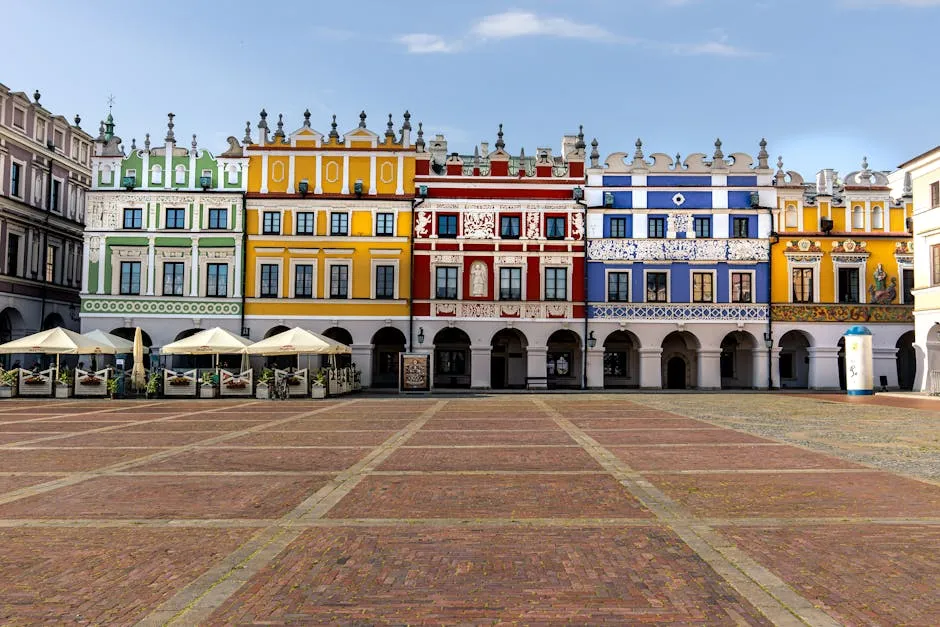
Historic Market Square is not a reconstruction of something that once existed. It is the real thing, still running, still contested, still carrying the weight of families who chose it over other options and stayed. The buildings have changed. The goods have changed. The sounds shift depending on who is playing that weekend. What hasn’t changed is the underlying fact of the place itself – a plaza set aside for people to gather, trade, and recognize each other.
The next few years will test whether that continuity holds. Renovations, generational turnover, and a changing downtown all press on the market from different directions. What the square has going for it is something harder to quantify than visitor numbers or square footage: a genuine history that residents still feel personally. That is not easy to lose, and it is not easy to fake.
AI Disclaimer: This article was created with the assistance of AI tools and reviewed by a human editor.