
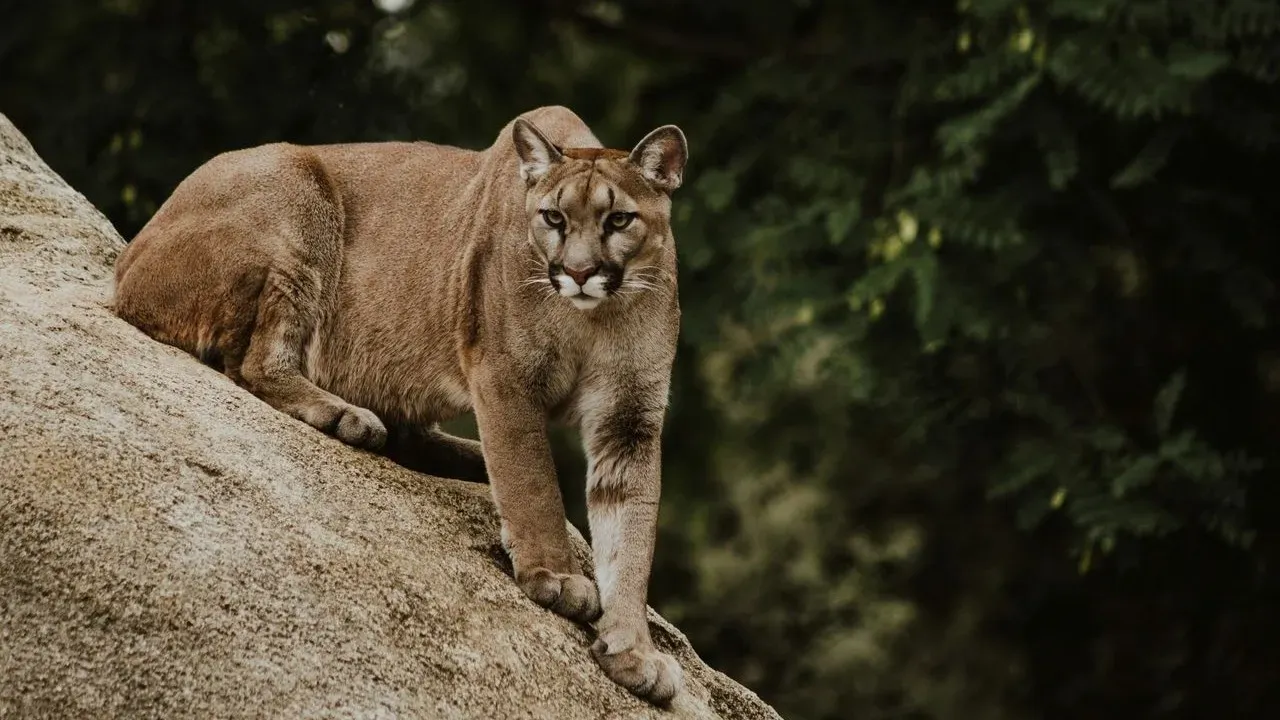

San Francisco sits at the meeting point of dense urban neighborhoods and rugged coastal hills, a geography that occasionally brings its wild residents into closer view. The most recent example unfolded in the Outer Sunset district, where a mountain lion was safely captured hours after it was observed moving through the area on a Friday morning. This marked the second such sighting in the city within two weeks, following an earlier encounter in the Panhandle where another large cat was spotted resting in a tree.
A City Shaped by Its Surroundings
San Francisco’s position on a peninsula surrounded by ocean, bay, and open space creates natural corridors that wildlife can follow. The Outer Sunset, with its proximity to Ocean Beach and the Presidio’s green expanses, sits along one of those pathways. Residents and visitors alike have long appreciated how the city’s layout preserves pockets of habitat even as neighborhoods expand. These same features that draw travelers for their scenic beauty also support the movement of animals that call the broader region home. The recent captures underscore a pattern that wildlife officials have observed for years. Mountain lions, also known as cougars or pumas, maintain territories that can stretch across many miles. When young animals disperse in search of new range, they sometimes pass through developed areas before reaching more remote open space. In this instance, both animals were handled without incident and relocated to suitable habitat outside the city.
What Travelers Can Learn from These Encounters
For visitors exploring San Francisco’s western neighborhoods, the sightings offer a reminder that the city’s appeal extends beyond its famous landmarks. Walking the windswept dunes near Ocean Beach or following trails that connect to larger parklands provides opportunities to appreciate the region’s biodiversity in a respectful way. Local guidelines emphasize simple practices that support coexistence: keeping dogs on leash in natural areas, avoiding leaving food outdoors, and giving any wildlife a wide berth if encountered. These moments also highlight the value of supporting conservation efforts that maintain connected habitats. Organizations working to protect open space around the Bay Area help reduce the likelihood of future conflicts by ensuring animals have room to roam without entering residential zones. Travelers interested in deeper engagement can seek out educational programs offered by city parks or regional wildlife groups that explain how urban planning and habitat preservation work together.
Practical Steps for Mindful Exploration
– Observe from a distance and never approach or attempt to photograph wildlife at close range.
– Stay on designated paths when hiking in areas like the Presidio or Golden Gate Park to minimize disturbance.
– Support local initiatives that fund habitat corridors and wildlife monitoring.
– Share sightings with authorities through established reporting channels so experts can respond appropriately. Such practices allow visitors to enjoy San Francisco’s distinctive blend of city energy and natural beauty while contributing to the long-term health of the ecosystems that surround it. The appearance of these mountain lions serves as a quiet invitation to consider how cities and wildlife can share space thoughtfully. As San Francisco continues to welcome travelers drawn to its unique setting, these encounters reinforce the importance of moving through the landscape with awareness and care.
AI Disclaimer: This article was created with the assistance of AI tools and reviewed by a human editor.