
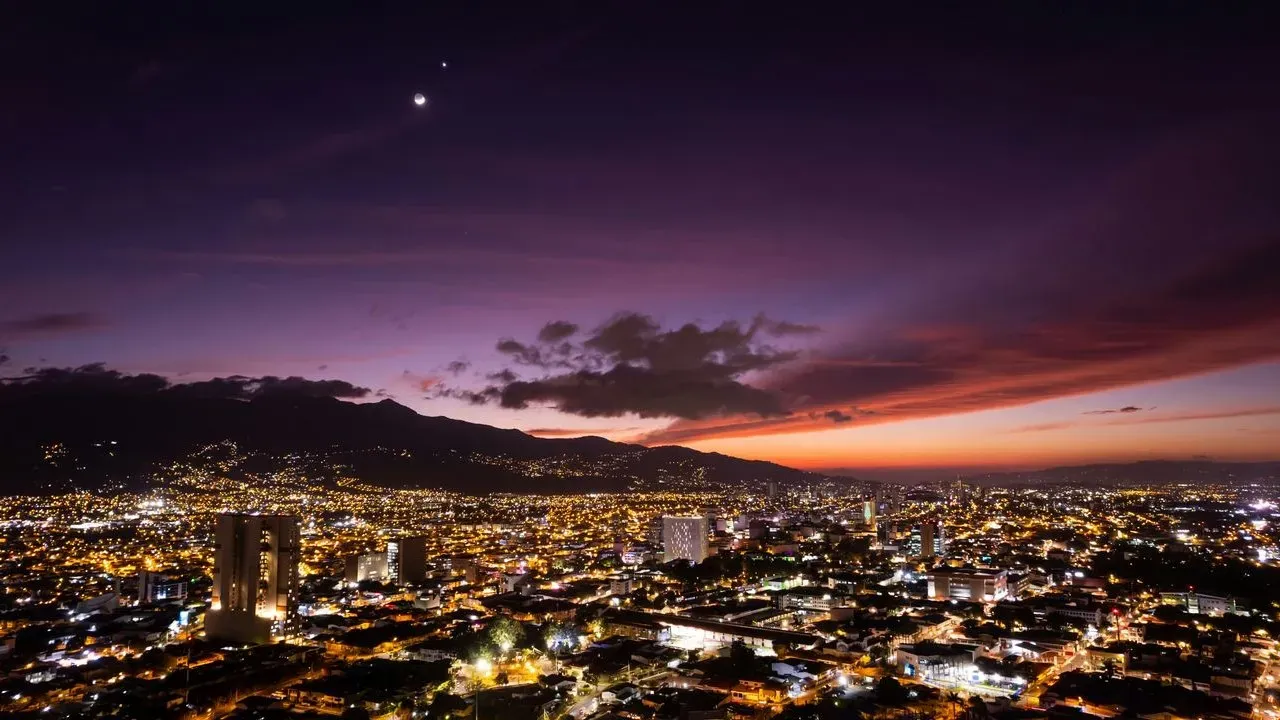

San José sits at the geographic heart of Costa Rica, a position that makes it a natural gateway for visitors arriving by air. Many pass through quickly on their way to beaches or rainforests, yet those who pause discover a capital shaped by daily rhythms, layered history, and local pride. A few days spent here reveal neighborhoods where architecture and conversation unfold at a measured pace, along with markets and institutions that reflect the country’s broader identity.
Neighborhoods That Reward Slow Walks
Barrio Amón preserves early twentieth-century homes now converted into cafés, galleries, and small hotels. Its tree-lined streets invite unhurried exploration, where ironwork balconies and restored facades speak to the city’s architectural past. Travelers who linger notice how the area blends residential calm with creative energy.
Further east, San Pedro pulses with the presence of the University of Costa Rica. Student life spills into bookstores, casual eateries, and open plazas, creating an atmosphere that feels both youthful and grounded. These districts reward visitors who set aside strict itineraries and simply observe the flow of residents going about their days.
Markets That Capture Daily Life
The Central Market remains one of the city’s most vibrant public spaces. Stalls offer everything from fresh produce and spices to handmade crafts and simple meals prepared on site. Walking its aisles provides a direct sense of how locals shop, cook, and socialize.
Nearby plazas and smaller markets extend the same experience on a more intimate scale. Here, conversations with vendors often lead to recommendations for nearby coffee roasters or family-run restaurants. Such encounters turn a routine errand into a window onto everyday Costa Rican hospitality.
Museums That Frame National Stories
The Pre-Columbian Gold Museum displays intricate artifacts that trace indigenous craftsmanship and trade routes across the isthmus. Its collection situates San José within a longer regional narrative rather than treating the city as an isolated modern hub.
The Jade Museum and the National Theater offer complementary perspectives. One highlights mineral artistry and cultural symbolism, while the other showcases a grand performance space that has hosted generations of artists. Together they illustrate how San José serves as both custodian and stage for Costa Rican heritage.
Coffee Traditions and Everyday Logistics
Costa Rica’s coffee heritage is readily accessible within city limits. Roasters and small shops sell beans roasted on site, often at prices that reflect direct relationships with growers. Purchasing a bag here supports local producers while providing a tangible reminder of the countryside just beyond the urban edge.
Practical movement around San José benefits from straightforward choices. Tourist districts remain walkable during daylight hours, and short taxi or ride-share hops connect neighborhoods efficiently. Staying centrally reduces transit time and allows more room for spontaneous stops at parks or corner cafés.
Those who grant the capital a few unhurried days often leave with a clearer sense of the country’s urban character. The experience complements time spent elsewhere, adding depth rather than distraction to any Costa Rican journey.
AI Disclaimer: This article was created with the assistance of AI tools and reviewed by a human editor.