
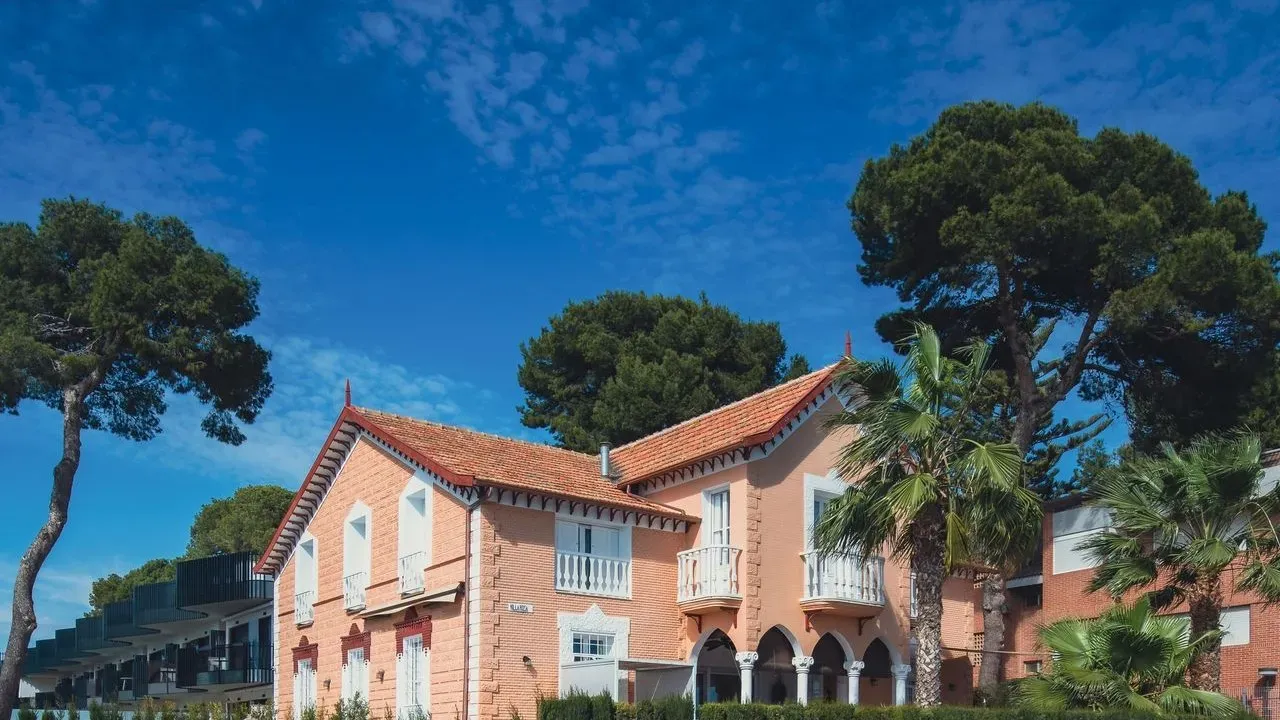

San Marino, California – In a quiet corner of Southern California, a Mediterranean-style villa has regained its original character through a restoration guided strictly by plans drawn more than a century ago. The project highlights how careful attention to historic detail can preserve a sense of place that newer construction often overlooks. Residents and visitors alike have long valued San Marino for its understated residential streets and mature landscaping, qualities that this effort helps sustain.
Why Preservation Matters in San Marino
San Marino sits just east of Pasadena and maintains a distinct identity shaped by early twentieth-century planning. Its tree-lined avenues and period homes reflect a deliberate approach to residential design that prioritized harmony with the landscape. Restoring one of its landmark properties according to the original drawings reinforces that legacy rather than replacing it with contemporary interpretations. The work demonstrates how individual projects can contribute to the broader character of a community. When owners commit to authentic materials and patterns, the result supports the neighborhood’s visual continuity. This continuity, in turn, helps maintain the area’s appeal for those who seek a quieter alternative to more publicized destinations nearby.
Following the Original Blueprints
The restoration began with a close study of the villa’s century-old architectural documents. Every major element, from room proportions to exterior detailing, was cross-checked against those records. This methodical process avoided speculation and kept decisions grounded in the structure’s documented history. Terracotta roofing and stucco finishes were renewed to match the original specifications. Interior woodwork and hardware received similar treatment, with replacements sourced or fabricated to align with period standards. The approach required patience and specialized craftsmanship, yet it produced a result that feels consistent with the home’s first construction.
Tile Patterns Restored With Precision
One of the most visible achievements involved the tile work throughout the house. Original patterns, including those on floors, walls, and accents, were documented and then recreated using compatible materials and techniques. The effort extended to matching colors, sizes, and layouts exactly as they appeared in the early plans. Such attention to surface details often determines whether a historic interior retains its intended atmosphere. By reproducing the tile arrangements faithfully, the project preserved subtle visual rhythms that connect the rooms to their era. The outcome offers a tangible example of how small elements contribute to an overall sense of authenticity.
A Model for Thoughtful Stewardship
Projects like this one illustrate the practical value of investing time in research before construction begins. They also show how private owners can play a role in safeguarding shared cultural assets without turning properties into public attractions. The result is a residence that continues to serve its primary purpose while honoring its past. San Marino benefits when such restorations succeed. They reinforce the community’s reputation for architectural integrity and encourage similar care among neighboring properties. In an era of rapid change, these measured efforts provide a quiet counterpoint that rewards those who appreciate history embedded in everyday surroundings.
AI Disclaimer: This article was created with the assistance of AI tools and reviewed by a human editor.