
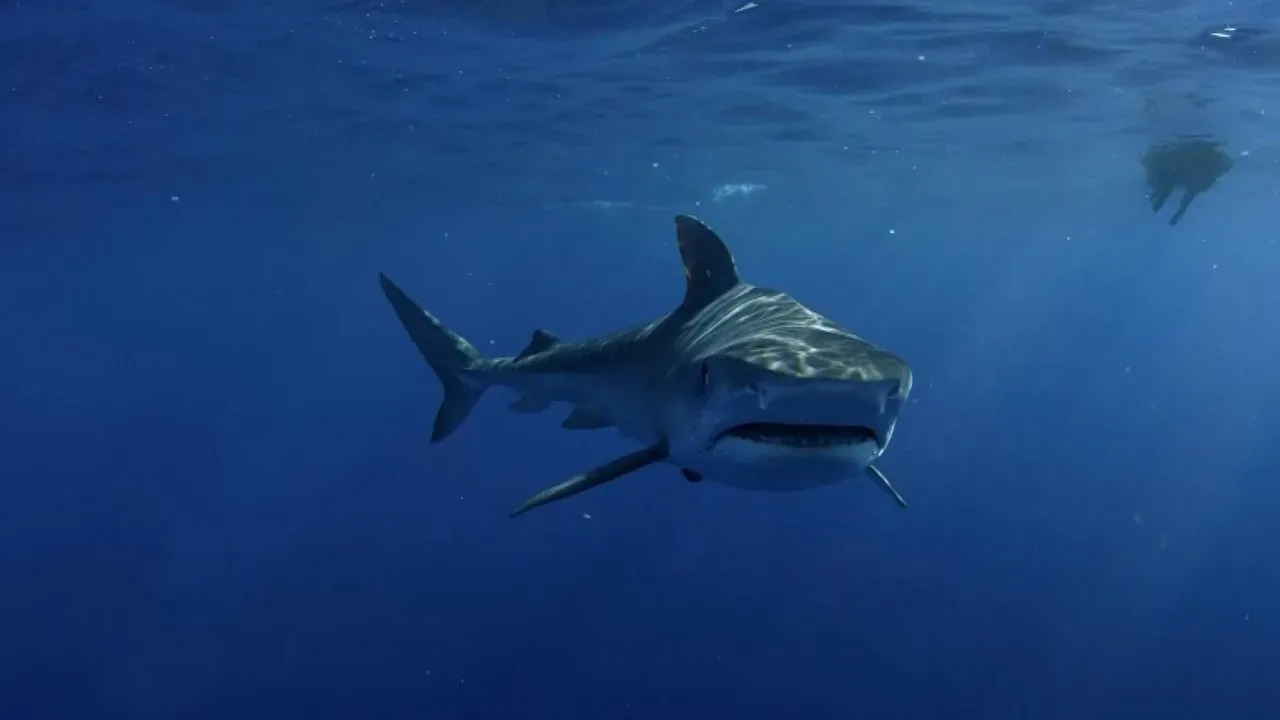

Just beyond the familiar sands of New York’s Hamptons, marine researchers are quietly documenting a vital chapter in the life cycle of several shark species. Their work centers on catching, sampling, and releasing animals that use these coastal waters as a nursery, offering travelers a deeper appreciation for the living ocean that borders one of America’s most celebrated summer destinations. The effort also highlights how local conditions support young predators before they venture farther afield. ([1])
Daily Fieldwork Along the Shore
Teams working from small boats off Southampton focus on sand tiger sharks and other species that frequent the area. Researchers secure each animal briefly alongside the vessel, collect tissue samples, and attach compact tracking devices before releasing it. The process reveals the surprising resilience of these fish, whose skin can resist even surgical tools during handling.
One researcher noted the prehistoric lineage of the animals, observing that their continued presence speaks to long-term adaptation in changing seas. The same waters that draw visitors for recreation also sustain these early-life stages, creating a natural overlap between human leisure and marine habitat.
Tracking Movements Across the Atlantic Coast
Two main types of tags are used. Acoustic devices send signals to receivers along the shoreline, while others record depth and temperature before detaching after several months. Data recovered so far show that many sharks travel long distances, appearing as far south as the Gulf of Mexico before returning the following season.
These patterns suggest the Hamptons serve as a seasonal feeding ground where young animals build strength. The information helps scientists map routes that connect distant regions, underscoring the interconnected nature of the western Atlantic ecosystem.
Shifts in Species Presence and Ocean Conditions
Warmer coastal temperatures appear to be influencing which sharks arrive each summer. In addition to resident species, observers have noted increased sightings of spinner, blacktip, and bull sharks that typically favor more southern waters. These temperate visitors take advantage of abundant prey when conditions allow.
The same warming trend has prompted some young great whites to move northward earlier than in past decades. Researchers continue to monitor how these changes affect the balance between nursery areas and the larger predators that inhabit cooler waters farther north.
Conservation Lessons from the Coast
Historical overfishing once reduced local shark populations, yet recent protections have allowed gradual recovery. Great whites, in particular, reach maturity only after two decades or more, so sustained safeguards remain essential for long-term stability.
By sharing findings with the public, the research team hopes to replace outdated perceptions with a clearer picture of these animals as integral parts of a healthy marine system. Visitors who learn about the work often leave with greater respect for the unseen life just offshore.
Traveling Responsibly Near a Living Nursery
Those drawn to the Hamptons for its beaches and villages can also support the broader ecosystem through simple choices. Staying informed about local marine guidelines, avoiding single-use plastics, and choosing operators who follow low-impact practices all contribute to the same waters that sustain the sharks.
The research reminds travelers that the coastline is more than a scenic backdrop. It is an active habitat where scientific observation and everyday appreciation can coexist, offering a quiet invitation to look beneath the surface on any future visit.
AI Disclaimer: This article was created with the assistance of AI tools and reviewed by a human editor.