
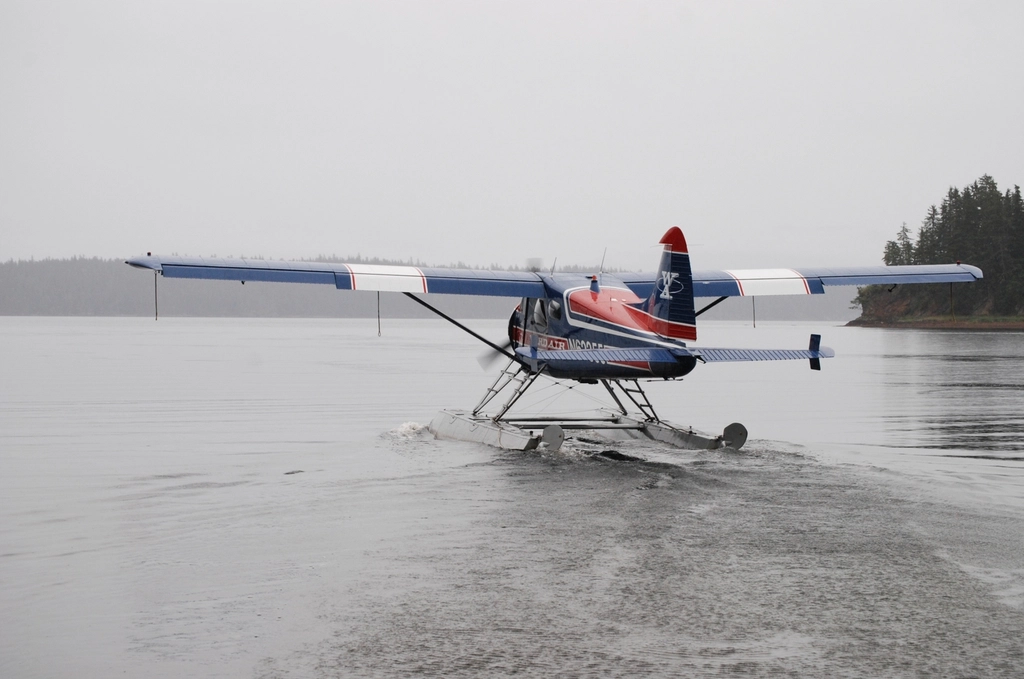

There’s no control tower, no painted centerline, and no flat, predictable surface waiting below. Every time a seaplane pilot sets up for a water landing, they’re making a series of rapid, high-stakes judgments that experienced land pilots almost never have to think about. The water shifts, the light deceives, and what looks smooth from altitude can turn out to be anything but.
Understanding how seaplane pilots think about landing selection is fascinating, whether you fly or not. It reveals just how much skill, reading, and real-time problem solving goes into every single approach.
The Pre-Landing Reconnaissance Circle
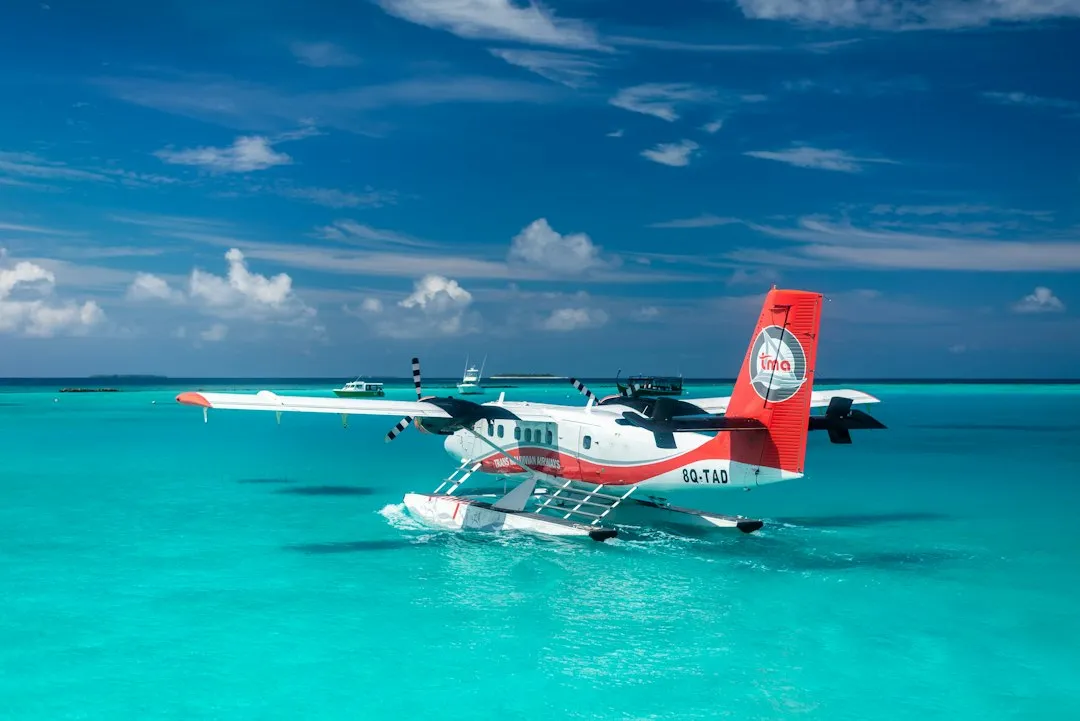
It’s standard practice for seaplane pilots to circle the area of intended landing and examine it thoroughly for obstructions such as pilings or floating debris, while also noting the direction of movement of any boats that may be in or moving toward the intended landing site. This isn’t optional caution, it’s a core part of the skill set. The circle gives the pilot a full 360-degree view of what they’re about to commit to.
Unlike land airports where obstruction heights are regulated and tall structures are well marked, this is simply not the case with most water landing areas. Pilots must stay alert for towers, cranes, powerlines, and the masts of ships and boats on the approach path. What looks clear from one angle can hide a hazard from another, which is exactly why the overhead pass matters so much.
Reading the Wind from the Water’s Surface
Understanding where the wind is coming from and what it’s doing to the water is known as “reading the water,” and it’s crucial to seaplane operations. While listening to nearby weather reports can help, pilots must also look for cues in the air, on the ground, and on the water to determine the exact wind direction.
Most established seaplane bases are equipped with a windsock, but if one isn’t available, pilots can still determine wind direction before landing. Boats lying at anchor with no strong tides or currents will weathervane and point into the wind. Sea gulls and other water fowl usually land facing the wind. Smoke, flags, and the set of sails on sailboats also provide a fair approximation of wind direction.
When wind velocity is appreciable, streaks parallel to the wind form on the water’s surface, and during strong winds these streaks become distinct white lines. Experienced pilots learn to read these patterns almost instinctively, the way a sailor reads a changing sky.
Assessing Water Depth and Surface Conditions
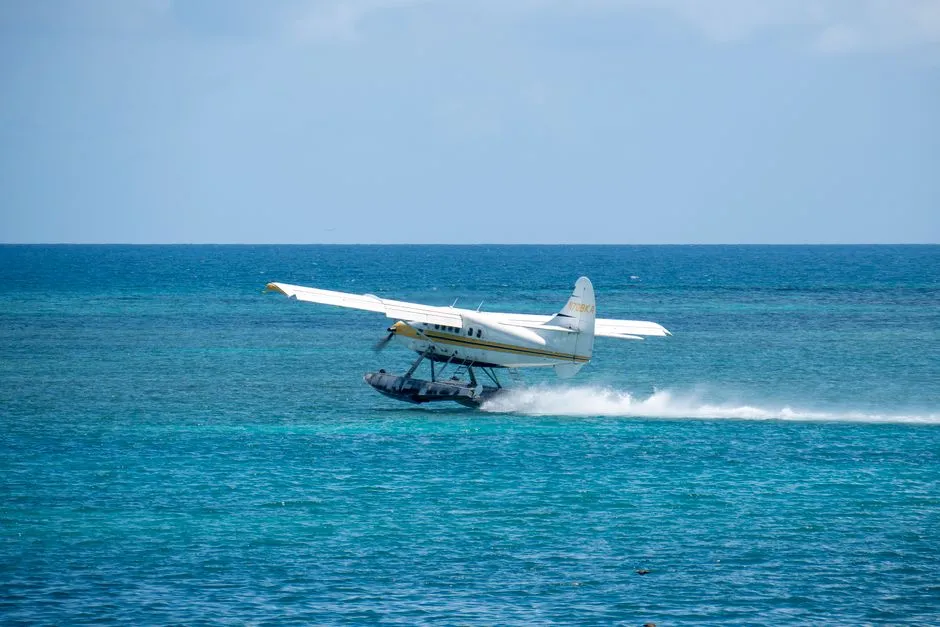
Landing a seaplane requires careful thought about the body of water chosen and the conditions present. Pilots must assess water characteristics, navigate challenging surfaces, and prepare for potential emergency scenarios during water landings.
Factors like depth, width, and surface conditions are crucial in the selection process. A minimum depth of around 50 cm is generally considered safe for many seaplanes. Other important considerations include the presence of obstacles like boats, docks, or submerged rocks. Shallow water can mean a hard, damaging contact that no amount of pilot skill can completely absorb.
Finding the Smoothest Patch of Water
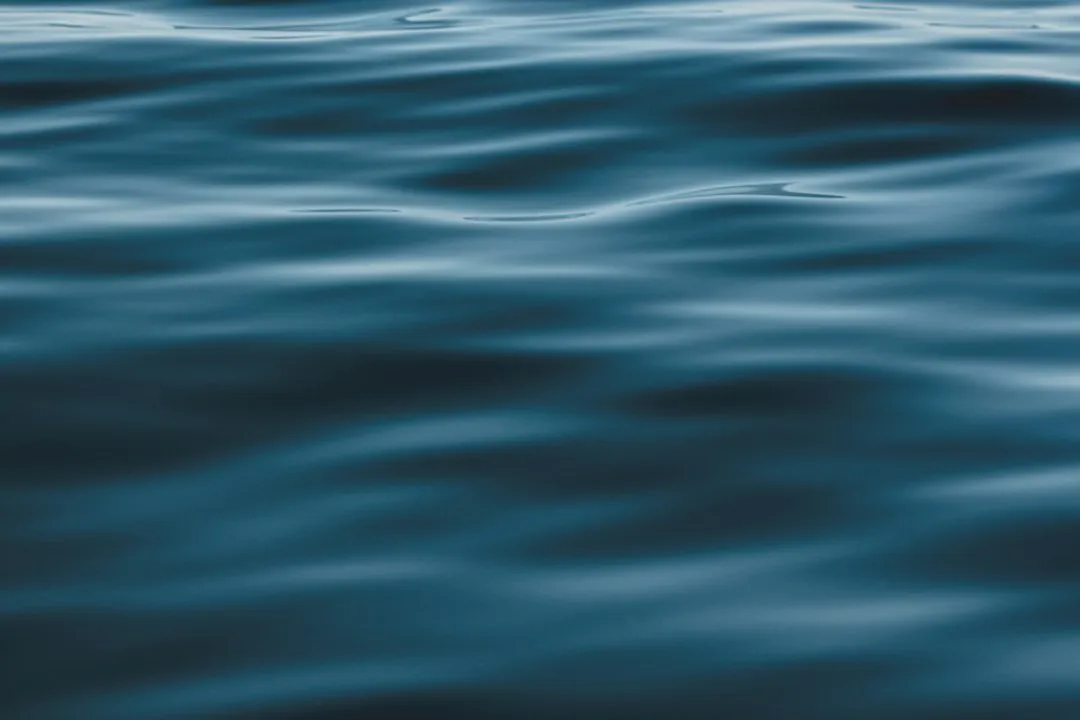
Except in glassy water conditions, it’s generally best to plan to land on the smoothest water available. When two swell systems overlap, some waves reinforce each other and create higher peaks, while others cancel each other out and leave smoother areas. It’s often possible to avoid the larger waves entirely and land on those calmer patches.
To minimize the likelihood of rough water impact, pilots look for a protected cove or harbor when available. The windward side of a lake tends to have smoother water, while the lee side of a larger body of water will have bigger waves, since the wind has more time and distance to act on the surface. Knowing where to position on a lake isn’t luck, it’s applied weather knowledge.
The Glassy Water Problem
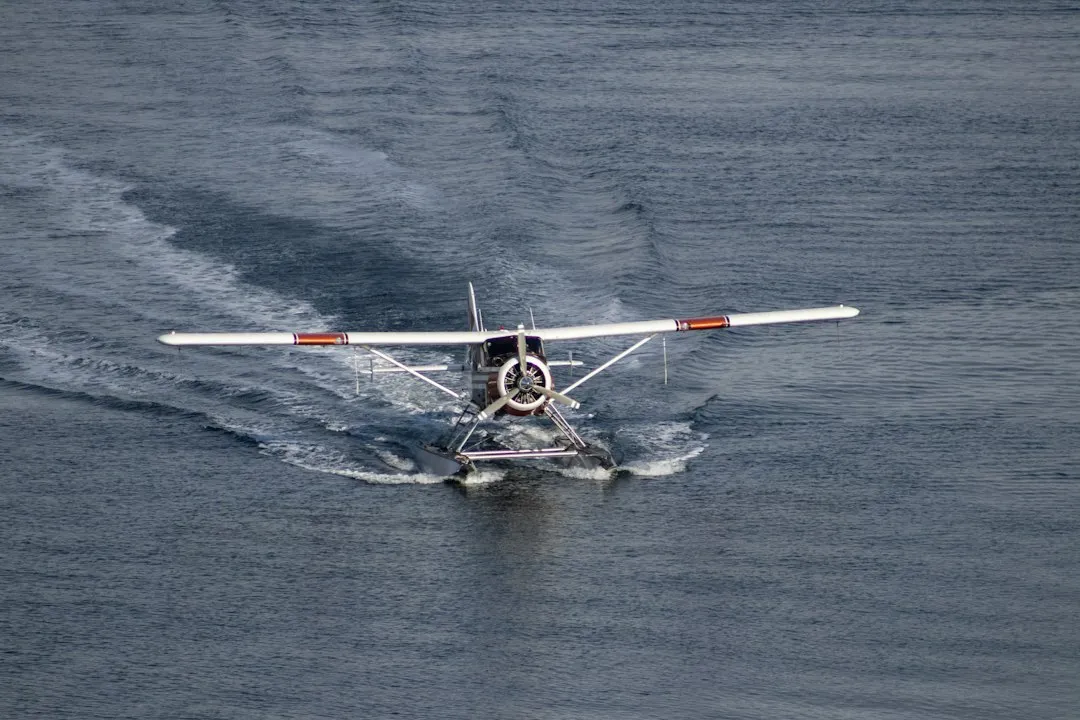
Under calm wind conditions, a smooth water surface presents a uniform appearance from above, somewhat like a mirror. This eliminates visual references for the pilot and can be extremely deceptive. If waves are decaying and setting up certain patterns, or if clouds are reflected from the surface, the resulting distortions can be confusing even for experienced seaplane pilots.
The most dangerous glassy water condition occurs when the surface is so clear that the pilot ends up looking at the bottom of the river or lake rather than at the water’s surface itself. A glassy water landing is always a power-on approach, initiated roughly 100 to 150 feet above the water, with the pilot flying parallel and close to shore to maintain a height reference.
Glassy water landings typically consume a considerable amount of landing area. This is precisely why the worst-case scenario for a seaplane pilot is a heavily loaded aircraft landing on a short lake in glassy conditions.
Swell Direction and the Landing Heading Decision
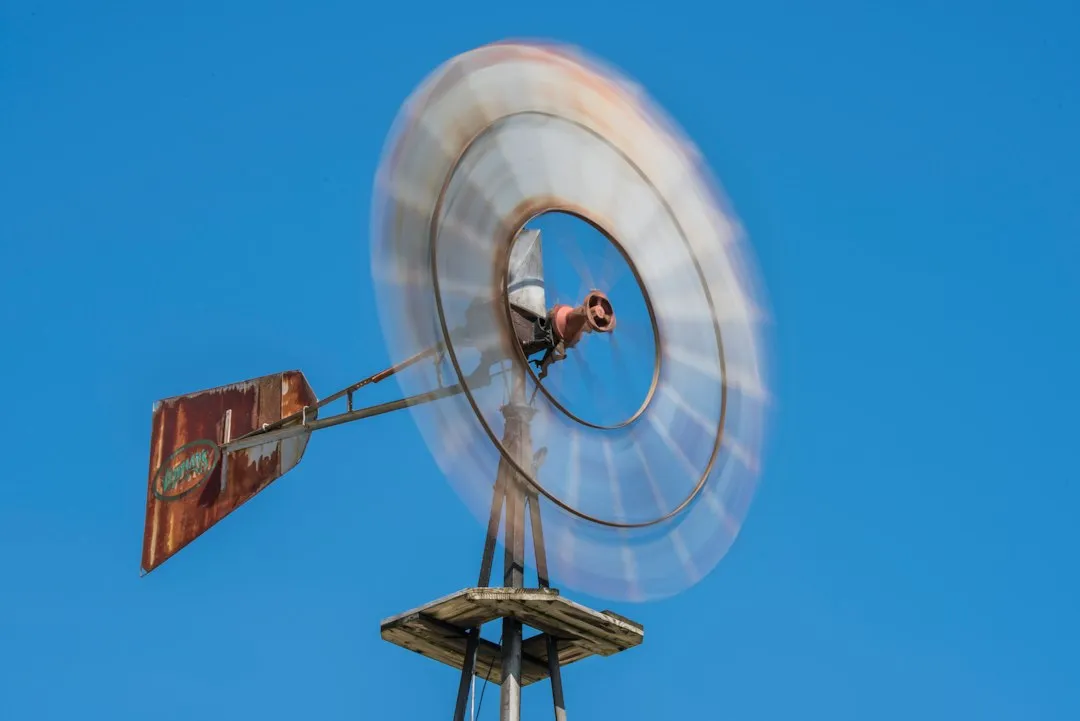
When landing on a swell system with large, widely spaced crests more than four times the length of the floats, the best landing heading parallels those crests while maintaining the most favorable headwind component. In this situation, it makes relatively little difference whether touchdown occurs on top of the crest or in the trough.
Wind and water conditions are the two major factors that differentiate water landings from land landings. Landing into the wind is generally preferred, but sometimes a compromise with swell direction becomes necessary. Getting that balance right takes experience, and occasionally, a bit of nerve.
Downwind landings on rough water or in strong winds should be avoided altogether. When a high swell height-to-length ratio exists, a crosswind takeoff or landing should not be attempted. A downwind landing should never be attempted when wind velocities are high, regardless of swell direction.
Watching for Boats and Traffic
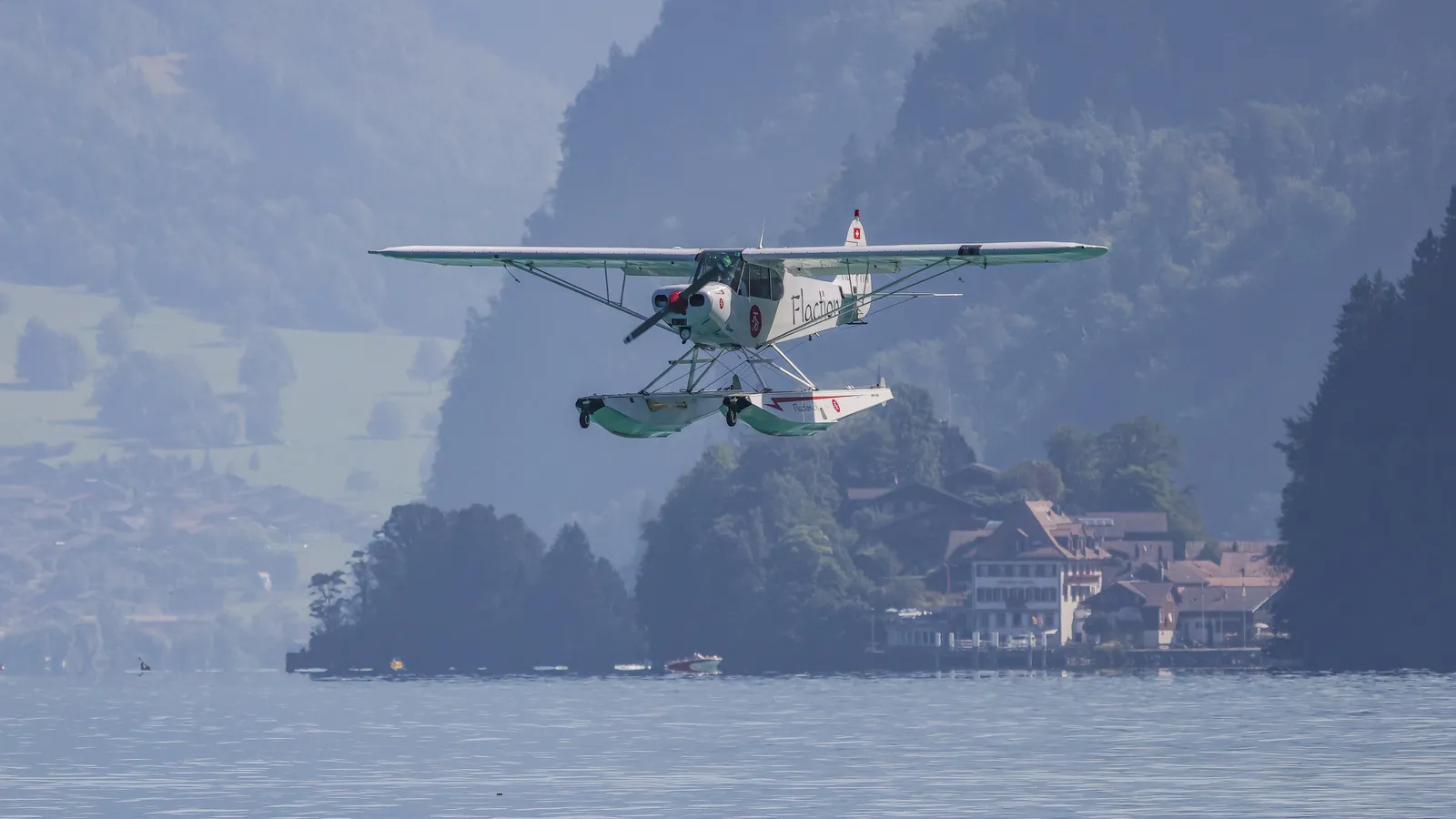
Federal Aviation Regulation 91.115 places collision avoidance responsibility on the seaplane pilot. The pilot must select a landing spot, direction, and timing that avoids converging paths with any vessel in the area.
Encountering boat wakes while taking off or landing can cause serious damage to a seaplane. The pilot may need to delay a takeoff or landing in order to allow those wakes to fully dissipate before proceeding. A boat crossing your intended path at the wrong moment isn’t just an inconvenience, it’s a genuine safety threat.
Sun Glare and Approach Heading

When selecting a landing heading, pilots are trained to chart all observed variables and determine headings that will prove safest while taking advantage of winds where possible. Descending to around 100 feet for a final evaluation, flying various headings, and noting which one makes the sea appear most favorable is standard technique. The heading that looks smoothest and corresponds with the safest criteria is chosen.
Pilots must also consider the position of the sun. Glare on the water during final approach can make a particular heading an unsafe option, regardless of how favorable the wind or swell might be. Experienced pilots factor this in during the reconnaissance pass, not during the final moments of descent.
Knowing When to Abort and Go Around
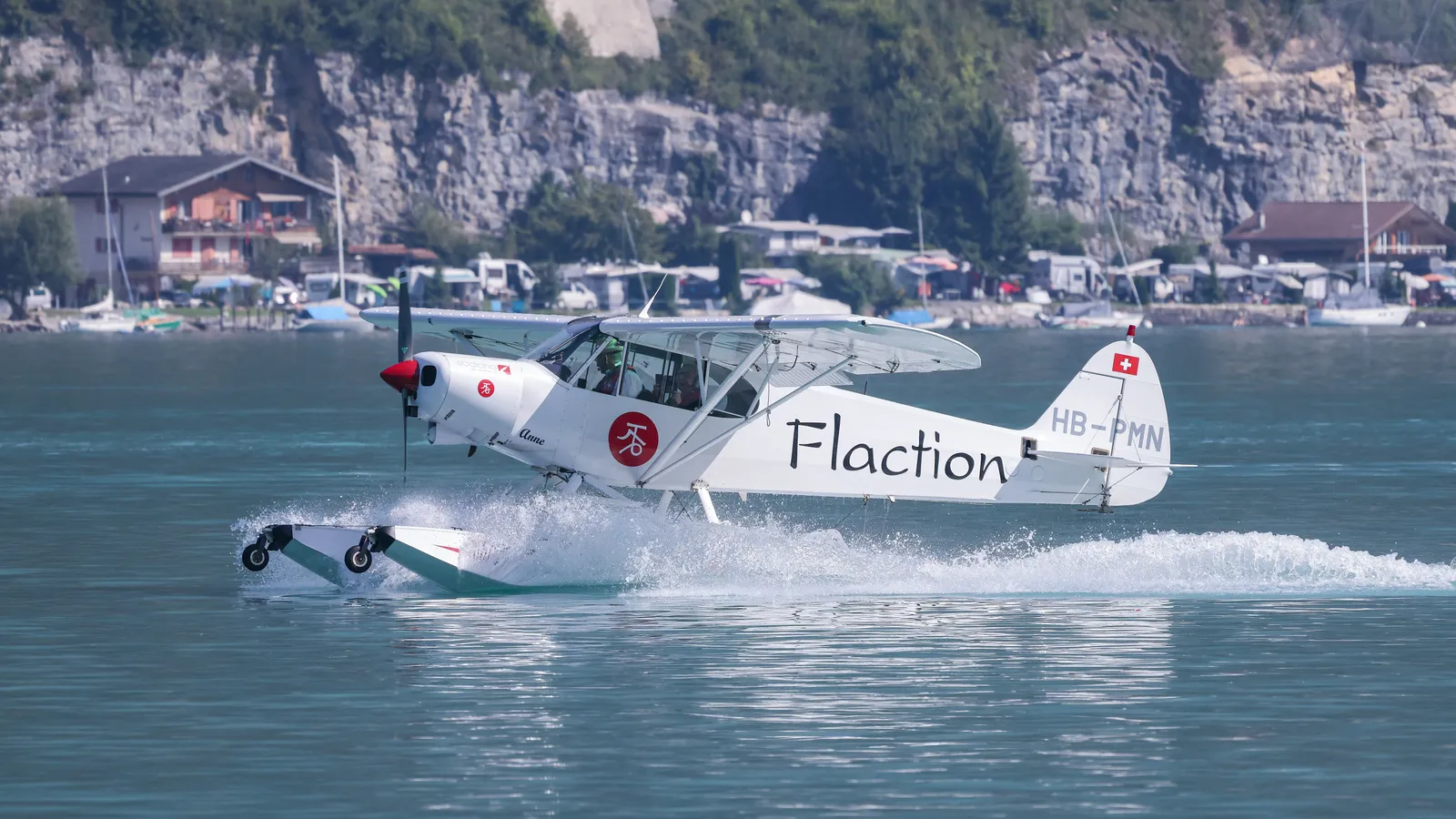
A go-around should always be the considered option if waves or wind make the landing unsafe. Pilots are trained to recognize this decision point early rather than continuing a committed approach into deteriorating conditions.
One effective technique in questionable conditions is to level off just above the water surface and increase power sufficiently to maintain a flat attitude until conditions appear more acceptable, then reduce power to touch down. If severe bounces occur, the correct response is to add power and lift off to search for a smoother landing spot. Pride has no place in that moment. The water always has the final say.
Planning a safe, conservative path for a go-around before ever beginning the approach is considered fundamental best practice in seaplane operations. The pilot who walks away from a difficult approach with the aircraft intact has made the right call, every time.
Legal Access and the Water Landing Directory
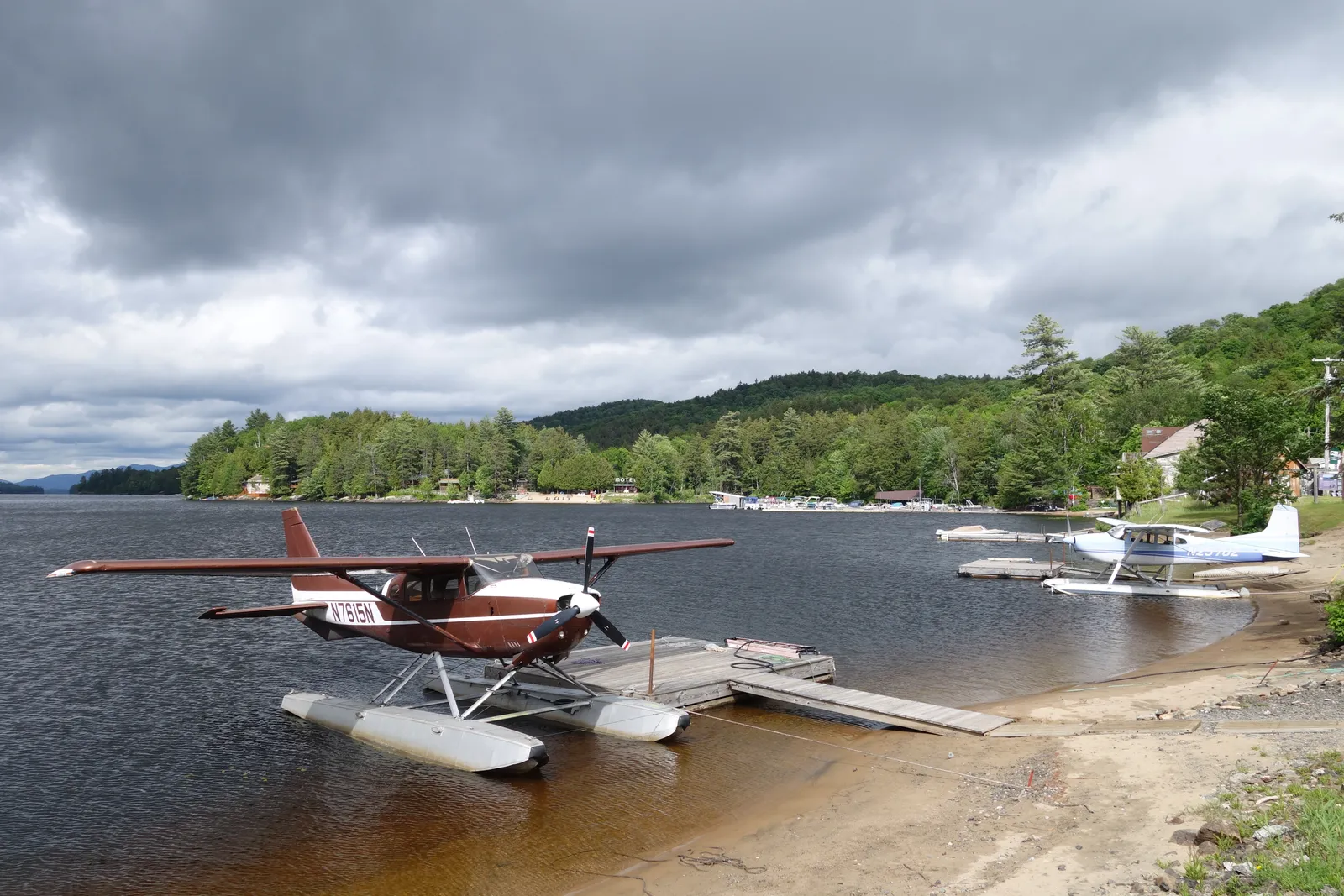
In a very broad sense, seaplanes may land on any open navigable waterway, or on private water with the owner’s permission. Some publicly-owned waters are open, some are closed, and others carry various restrictions. Pilots can’t simply point at any lake or river and declare it fair game.
The Seaplane Pilots Association maintains a nationwide Water Landing Directory to help pilots determine the status of a particular body of water. Even so, the best way to be certain about a proposed landing area is to call ahead and verify with whoever controls or owns that water.
Reviewing waterway status means checking whether it is open for landing, closed, or restricted, with statuses that take into account seasonal changes, local restrictions, and environmental factors. The directory also highlights any aquatic invasive species concerns that pilots need to be aware of. Good pilots treat that directory like a preflight checklist: non-negotiable before going somewhere unfamiliar.
A Skill Set Like No Other
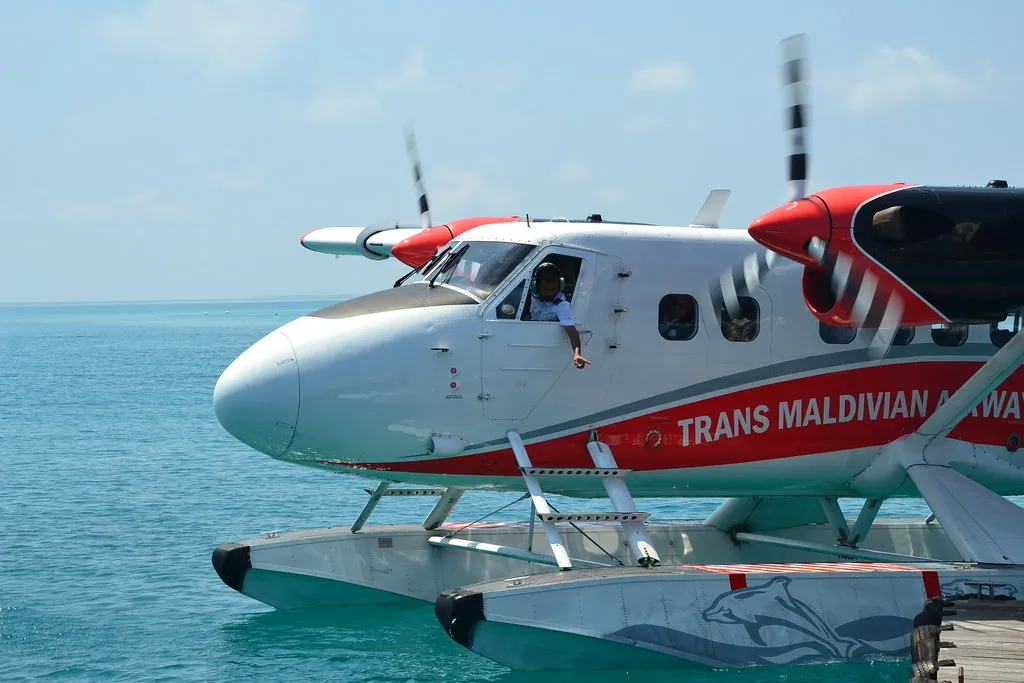
Seaplane flying sits in a category of its own within aviation. The judgment calls required before, during, and after every water landing represent a kind of environmental literacy that takes years to develop properly. There’s no autopilot for reading a lake at dawn, no algorithm that tells you whether the glare off that cove will compromise your depth perception.
What seaplane pilots do, water landing after water landing, is a reminder that some of the most demanding aviation skills are also the least visible to passengers sitting comfortably in the cabin. The calmness you see up front reflects an enormous amount of study, practice, and quiet, continuous observation happening at every moment of the flight.
AI Disclaimer: This article was created with the assistance of AI tools and reviewed by a human editor.