
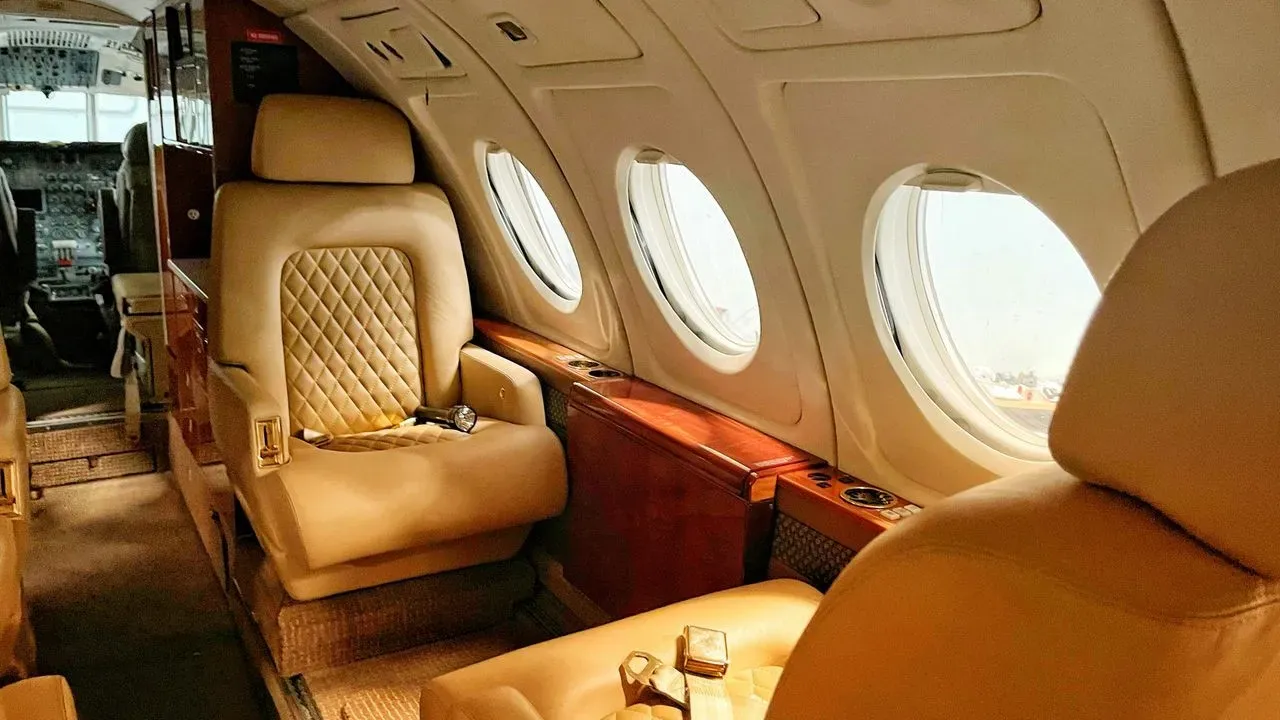

Travelers in the Pacific Northwest have a new option for short regional hops that avoids the usual airport routines. SeaPort Airlines operates scheduled flights on small turboprops between general aviation airports, where passengers can arrive shortly before departure and board without standard TSA screening. The service began expanding its routes in 2025 and 2026, connecting cities such as Seattle, Spokane, and Portland through smaller facilities that sit closer to urban centers. ([1])
Regulatory Framework Behind the Experience
SeaPort operates under Part 135 of Federal Aviation Administration rules, which cover carriers using aircraft with nine or fewer passenger seats. This classification allows the airline to follow different security protocols than larger commercial operators. Staff still monitor for safety issues such as hazardous materials, yet the process does not involve metal detectors or formal identification checkpoints at the gate.
Legal experts note that TSA requirements for these flights depend on factors including airport layout and aircraft specifications. The result is a streamlined boarding sequence that still meets federal standards for the type of operation. Passengers report that the approach feels more like a private charter than a typical airline flight, though the service remains fully scheduled and open to the public.
Current Routes and Recent Expansion
SeaPort launched scheduled service between Seattle’s Boeing Field and Spokane’s Felts Field in March 2026. Flights to the general aviation area near Portland International Airport started in May 2025, reviving an earlier route that ran from 2008 to 2016. Seasonal service also reached Redmond, Oregon, during the summer months.
Each leg typically lasts about one hour. The small aircraft land at facilities that often sit nearer to city centers than major commercial airports, which can reduce ground transportation time and cost for travelers. Pilots greet passengers directly in modest terminals, weigh bags, and load them into the rear of the plane before departure.
Passenger Profile and Pricing Patterns
Business travelers make up a large share of SeaPort’s customers, including executives, contractors, and project managers who need to reach job sites across the region. Many value the ability to book last-minute seats at rates comparable to major carriers while avoiding long security lines and paid parking. Advance fares can run slightly higher than those on larger airlines, yet the overall door-to-door time often proves competitive.
Groups such as corporate finance teams have tested the service for its convenience, noting free parking at the smaller airports and shorter rides into downtown areas after landing. The nine-seat Pilatus PC-12 turboprops provide a quiet cabin experience with a private-jet atmosphere, though the focus remains on reliable regional connectivity rather than luxury amenities.
Practical Considerations for Travelers
Each passenger may bring up to 50 pounds of baggage, including a small pet carrier, at no extra charge. There are no restrictions on liquids beyond standard safety checks performed by airline staff. Flights operate with a pilot and co-pilot who provide a brief safety orientation before takeoff.
The model suits travelers who prioritize efficiency on short routes and accept the limitations of small aircraft, such as weather sensitivity and fewer daily departures. As awareness grows, demand has increased, yet the airline continues to emphasize its role in serving communities that benefit from direct access to nearby general aviation fields.
AI Disclaimer: This article was created with the assistance of AI tools and reviewed by a human editor.