

There’s a quiet habit that separates the well-traveled from the merely frequent flyer. It doesn’t involve upgrading to business class or mastering packing cubes. It’s something simpler, and honestly, more important: taking the time to understand the place you’re about to visit before you ever step off the plane.
Cultural research isn’t a niche concern for anthropology enthusiasts. It’s a practical tool, a gesture of respect, and increasingly, a legal necessity. The world’s most thoughtful travelers have always known this. Here’s what the data and experience tell us about why they’re right.
The Gap Between Good Intentions and Actual Knowledge

By 2025, an impressive 93% of global travelers say they want to make more sustainable travel choices and have, to some extent, acted on that desire. That’s a meaningful shift in attitude. Yet intention doesn’t always translate into preparation.
For the first time, more than half of travelers are now conscious of tourism’s impact on local communities, as well as the environment, while 57% of travelers feel that tourism has a positive impact overall where they live, though they also highlight real challenges including traffic, littering, overcrowding, and a rising cost of living. The gap between wanting to travel well and actually doing the groundwork matters enormously.
Researching customs before you go is the most direct way to close that gap. It converts goodwill into genuine action.
Local Customs Aren’t Just Suggestions – Sometimes They’re Law

Many travelers focus on safety, scams, and budgets, yet one of the most common reasons tourists lose money abroad is surprisingly simple: clothing. Around the world, local governments enforce dress codes tied to religion, tradition, or public order, and these rules often carry real financial penalties. What seems normal or harmless to visitors can be viewed as disrespectful or locally disruptive.
Vatican City enforces a strict dress code rooted in religious respect. Visitors entering St. Peter’s Basilica or the Vatican Museums must cover shoulders, knees, and midriffs. Shorts above the knee, sleeveless tops, and short skirts are prohibited for all genders. While police fines are uncommon, tourists are frequently denied entry and lose prepaid tickets worth between $20 and $35.
Ignorance is not a valid legal defense in Spain. Following the massive anti-tourism protests of 2024 and 2025, national and regional authorities have cracked down hard on disruptive behavior. These aren’t isolated stories. They reflect a broader pattern across dozens of popular destinations worldwide.
The Real Meaning of a Cultural Faux Pas

A cultural faux pas is a social blunder that violates the unwritten rules, customs, or values of a particular culture. In a travel context, it refers to behaviors that are normal or neutral at home but offensive, disrespectful, or inappropriate in your destination country.
Holding hands as a couple is broadly acceptable in most places, but kissing, embracing, or other displays of affection in public can attract serious disapproval and, in some countries, legal consequences, in conservative societies across the Middle East, India, and parts of Southeast Asia. In more liberal countries, even modest public affection may draw looks.
Punctuality, too, is a form of respect in cultures where time is treated as a finite and precious resource. In Germany, Japan, and Switzerland, arriving even five minutes late for an appointment can be seen as inconsiderate or unprofessional. These norms aren’t arbitrary. They’re expressions of deeply held values, and visitors who understand them make a much stronger impression.
Dress Codes: A Practical Case Study in Why Research Saves You
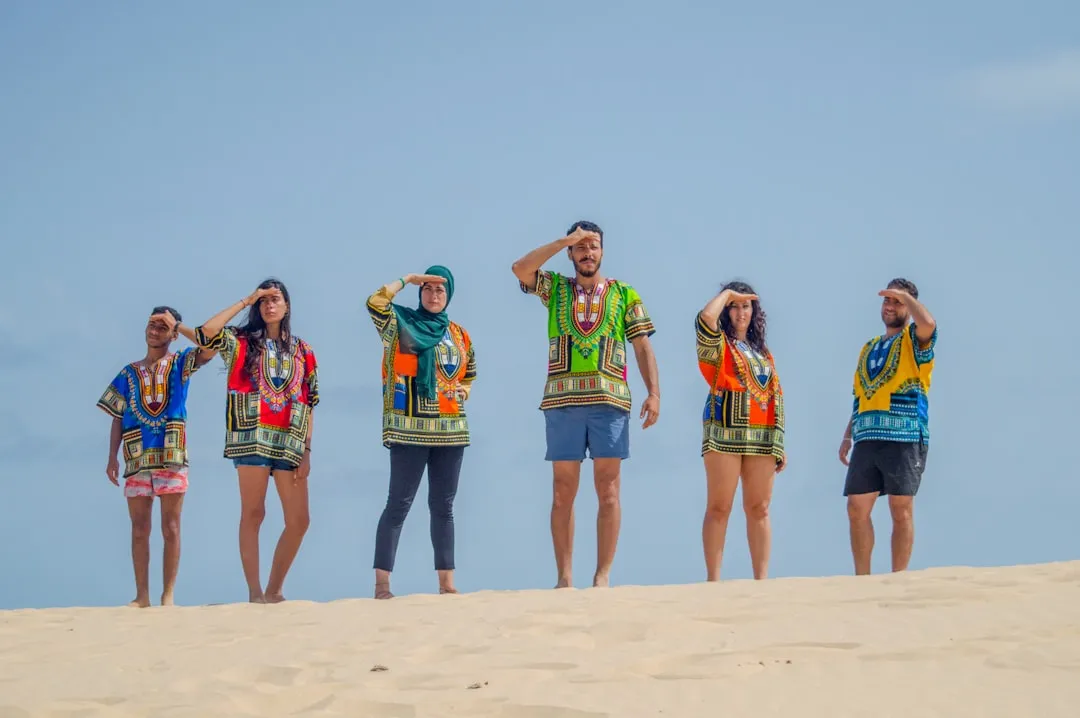
Some countries enforce strict dress codes rooted in cultural, religious, or political traditions. Wearing the wrong outfit can lead to fines, refusal of entry to certain sites, or even legal trouble. This is one of the most concrete and avoidable travel mistakes a person can make.
Barcelona has taken a firm stance against tourists wandering the city in beachwear. Walking through streets, restaurants, or shops while shirtless or wearing bikinis is illegal outside designated beach zones. The rule exists to protect residents from disruptive mass-tourism behavior.
Turkey is a country with a rich history, unique culture, and strict laws. Each year, regulations for tourists and foreigners become stricter, and ignorance of local norms can lead to fines, deportation, or even criminal liability. A few minutes of research before departure can spare travelers from all of it.
Anti-Tourism Protests Are a Signal Worth Heeding

The summer of 2024 was the first year in which global tourism was expected to set records since the coronavirus pandemic. Wandering surged rather than leveling off, driven by lingering revenge travel, digital nomad campaigns, and so-called golden visas blamed in part for skyrocketing housing prices.
Anti-tourism protests emerged, intended to shame visitors as they dine or, as in Barcelona in July, douse them with water pistols. The demonstrations reflected locals using the power of their numbers and social media to pressure destination leaders to manage the issue better.
Some locales are now encouraging what they call “quality tourism,” generally defined as more consideration by visitors toward residents and less drunken behavior, disruptive selfie-taking, and other questionable choices. A traveler who arrives culturally informed is already practicing quality tourism before they’ve even unpacked.
What the Data Says About Authentic Experiences
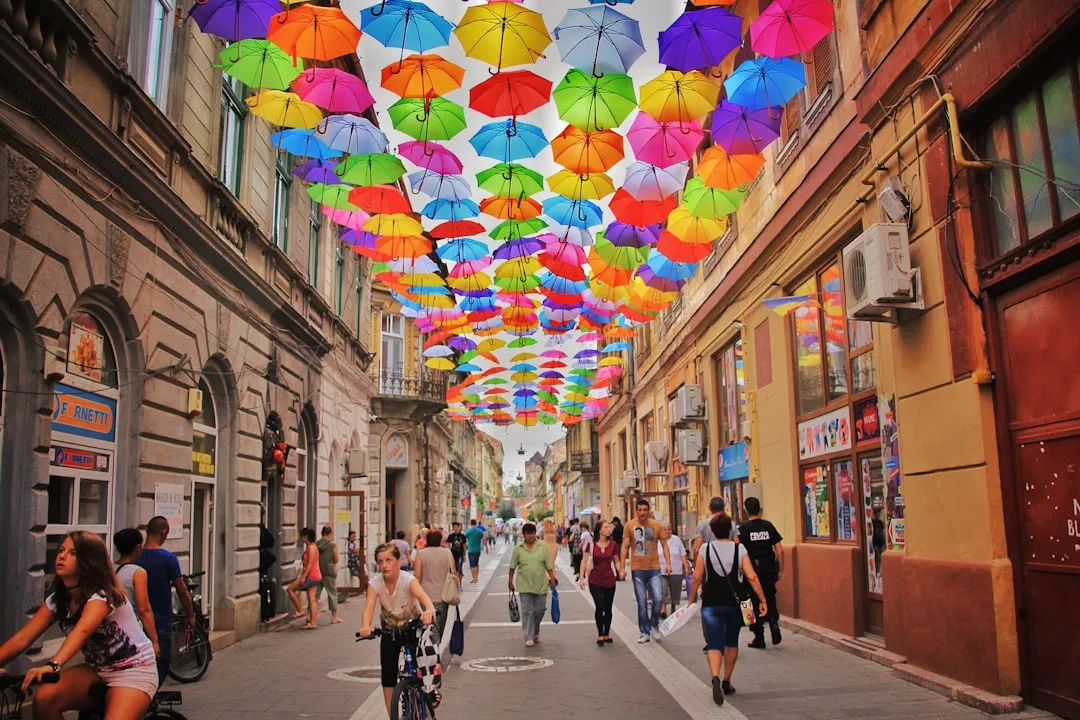
Travelers are increasingly committed to supporting the economies of the destinations they visit, with nearly three quarters wanting the money they spend to go back to the local community, and 77% seeking authentic experiences representative of local culture.
Authenticity, though, is a two-way relationship. Meaningful travel experiences are accessible to those who take the time to learn about and respect local traditions. Tourists who invest time in learning about regional traditions, social norms, and communication styles can navigate their journeys with greater empathy and insight. When culturally informed, they are better able to engage with locals, prevent misunderstandings, and turn their vacations into meaningful experiences.
How Cultural Sensitivity Protects Local Communities

Over-tourism challenges the sustainability of destinations and raises concerns about the well-being of local communities and the preservation of cultural and natural heritage. It is intricately linked to economic growth, societal changes, and environmental sustainability, making it a genuinely multifaceted issue.
Tourism becomes transformative when it genuinely supports and respects local communities. By practicing cultural sensitivity, travelers can help preserve indigenous traditions, create meaningful economic opportunities for residents, and establish a foundation of mutual respect. This approach keeps local cultures intact while enhancing economic circumstances for local inhabitants.
Central to responsible tourism is the recognition that culture and nature are not dispensable commodities but rather invaluable assets that give meaning to a destination’s identity. Travelers who internalize this idea bring something genuinely useful to every place they visit.
The Shift Toward Cultural Awareness Is Measurable and Growing

Since first conducting research on consumer attitudes about traveling more sustainably in 2016, Booking.com has since surveyed nearly 230,000 travelers in 35 markets. The latest data from 2025 shows a clear shift in traveler perceptions of what sustainability actually encompasses.
Back in 2016, fewer than half of global travelers believed they traveled more sustainably. By 2025, 93% say they want to make more sustainable travel choices and have, to some extent, done so. That’s a remarkable ten-year trajectory. Cultural sensitivity has become part of the mainstream travel conversation, not a niche consideration.
Tourism is a global phenomenon that bridges cultural divides, yet it is also shaped profoundly by the diverse cultural identities of those who travel. Researchers examining tourist behavior across cultures draw on frameworks like cross-cultural psychology and Hofstede’s cultural dimensions to understand how those differences play out on the ground.
Knowing Before You Go: The Practical Upside

Travelers should research the political and social climate of their destination before departure. Understanding local attitudes can help visitors navigate conversations and interactions more smoothly. This applies not just to geopolitical awareness but to everyday interactions: how to greet someone, whether to tip, how to behave in a market.
Traveling abroad often means respecting local customs, including dress codes. In many countries, failing to adhere to clothing regulations can result in fines, denied entry, or public embarrassment. From religious sites to government buildings and cultural landmarks, rules are strictly enforced to maintain tradition, decorum, and local values.
The practical upside of pre-trip research is straightforward: fewer surprises, smoother entry to sites, warmer interactions with locals, and a trip that’s memorable for the right reasons. It costs nothing but a little time.
The Connection Between Cultural Respect and Meaningful Travel

Tourism has immense potential to foster human connections, strengthen local economies, and safeguard essential natural and cultural resources. Yet destinations worldwide are increasingly challenged by climate change, overtourism, and the rapid pace of globalization, making responsible tourism more critical than ever.
Travel connects people, and connectivity can foster tolerance and nurture intercultural understanding. Residents, in turn, adopt new perspectives and learn new languages through contact with foreign visitors. That exchange only works well when both sides come to it with openness and a measure of knowledge about the other.
Research in ecotourism contexts has found that a positive attitude driven by cultural alignment plays a dominant role in shaping traveler intention. Studies underscore the strategic importance of embedding cultural narratives and ethical values into the travel experience itself. Put simply: travelers who understand local culture tend to engage more meaningfully and leave a lighter footprint.
A Quiet Habit with Far-Reaching Consequences

The case for researching local customs before you travel isn’t built on one dramatic story or a single statistic. It’s built on the accumulated weight of many small, real moments: a traveler denied entry to a temple because of a sleeveless shirt, a meal turned awkward by an unknowing gesture, a neighborhood protest aimed at visitors who never stopped to wonder how their presence was landing.
Globally in 2025, traveling more sustainably remains important for most travelers, with the vast majority citing it as a genuine priority. Cultural respect sits at the heart of what that actually means in practice. It’s not a grand statement. It’s a habit.
The seasoned traveler knows that the most rewarding journeys start not at the airport but at the desk, with a few honest questions about the place they’re about to be a guest in. That curiosity, more than any luggage or itinerary, is what makes travel genuinely worth doing.
AI Disclaimer: This article was created with the assistance of AI tools and reviewed by a human editor.