
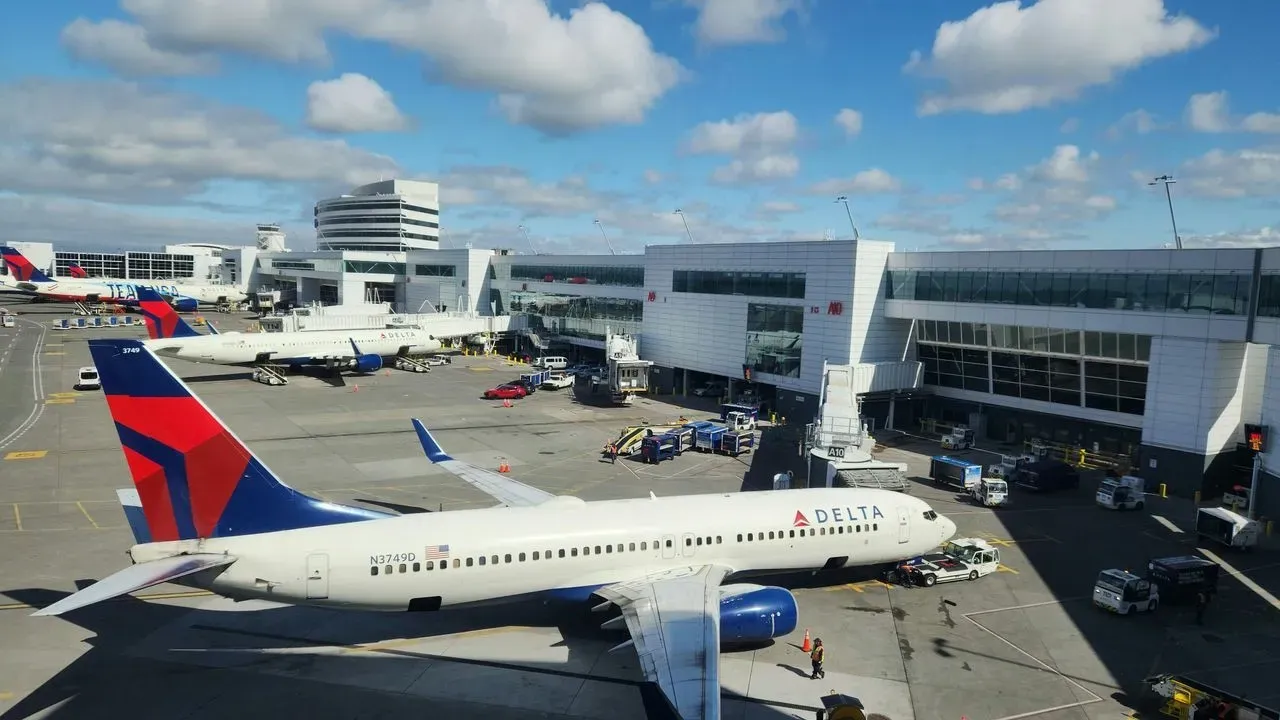

Seattle-Tacoma International Airport continues to strengthen its role as a key gateway on the West Coast. Both Delta Air Lines and Alaska Airlines maintain significant operations there, and each is investing in new services and facilities that stand to benefit passengers. The developments reflect steady growth in a market large enough to support multiple carriers.
A Growing Gateway in the Pacific Northwest
Seattle serves as a natural launch point for travel across the Pacific and beyond. The airport handles a steady flow of domestic and international passengers, many of whom value convenient connections and comfortable facilities. Delta and Alaska each bring distinct strengths to the hub, with Delta offering an established long-haul network and Alaska building on its regional roots. ([1])
Recent statements from Delta leadership emphasize a cooperative outlook. Chief Executive Ed Bastian noted that the market can accommodate both carriers without requiring one to dominate. This approach allows each airline to focus on its own expansion plans while sharing the same busy terminal environment.
International Routes Taking Shape
Alaska Airlines is accelerating its long-haul ambitions following its acquisition of Hawaiian Airlines and the arrival of new aircraft suited for extended flights. Next summer the carrier plans to introduce service to Athens and Paris, adding to its existing European options. Executives have outlined a target of at least 15 long-haul destinations from Seattle by the end of the decade, with particular attention to Asia as a major opportunity.
Delta already operates routes from Seattle to several Asian cities, including Shanghai and Taipei, along with European destinations such as Amsterdam and Barcelona. The airline has responded to new announcements from its competitor by adding its own service to Rome. These parallel moves are expanding the range of direct international options available to travelers based in or passing through the Pacific Northwest.
New Lounges and Onboard Comfort
Passenger experience is also receiving attention through upgraded facilities on the ground. Alaska is developing a new premium lounge called the Aurora Lounge at SeaTac, designed to complement its growing international network. Delta opened its own Delta One Lounge at the airport last year, providing a dedicated space for eligible customers on long-haul flights.
Both carriers are also enhancing the onboard product on key domestic routes. Alaska intends to introduce lie-flat seating on select transcontinental flights, while Delta continues to refine its premium offerings. These improvements aim to make longer journeys more restful and appealing for a wider range of travelers.
The combined effect is a noticeable lift in amenities at a single airport. Passengers can expect more choices in seating, dining, and relaxation areas as the new facilities open and existing ones mature. Such investments often translate into smoother connections and greater comfort during layovers or before departures.
What Expansion Means for Passengers
More routes and better facilities generally lead to greater flexibility when planning trips. Travelers gain additional direct flights to Europe and Asia, reducing the need for connections elsewhere. The presence of two active carriers also tends to support competitive scheduling and service levels over time.
Delta has described the situation as one of coexistence rather than exclusive control. This measured stance aligns with the practical reality that Seattle’s market continues to grow. As both airlines pursue their respective goals, the airport stands to offer an increasingly complete set of options for leisure and business travelers alike.
Key points for travelers
- Alaska plans new flights to Athens and Paris next summer.
- Delta maintains established routes to Asia and Europe from the same airport.
- New and upgraded lounges are arriving from both carriers.
- Long-term targets point to expanded international service through 2030.
Over the coming years, these parallel investments are likely to make Seattle an even more convenient and comfortable place to begin or continue a journey. Passengers stand to benefit from the added routes, refreshed facilities, and the simple fact of having meaningful choices at one well-connected hub.
AI Disclaimer: This article was created with the assistance of AI tools and reviewed by a human editor.