
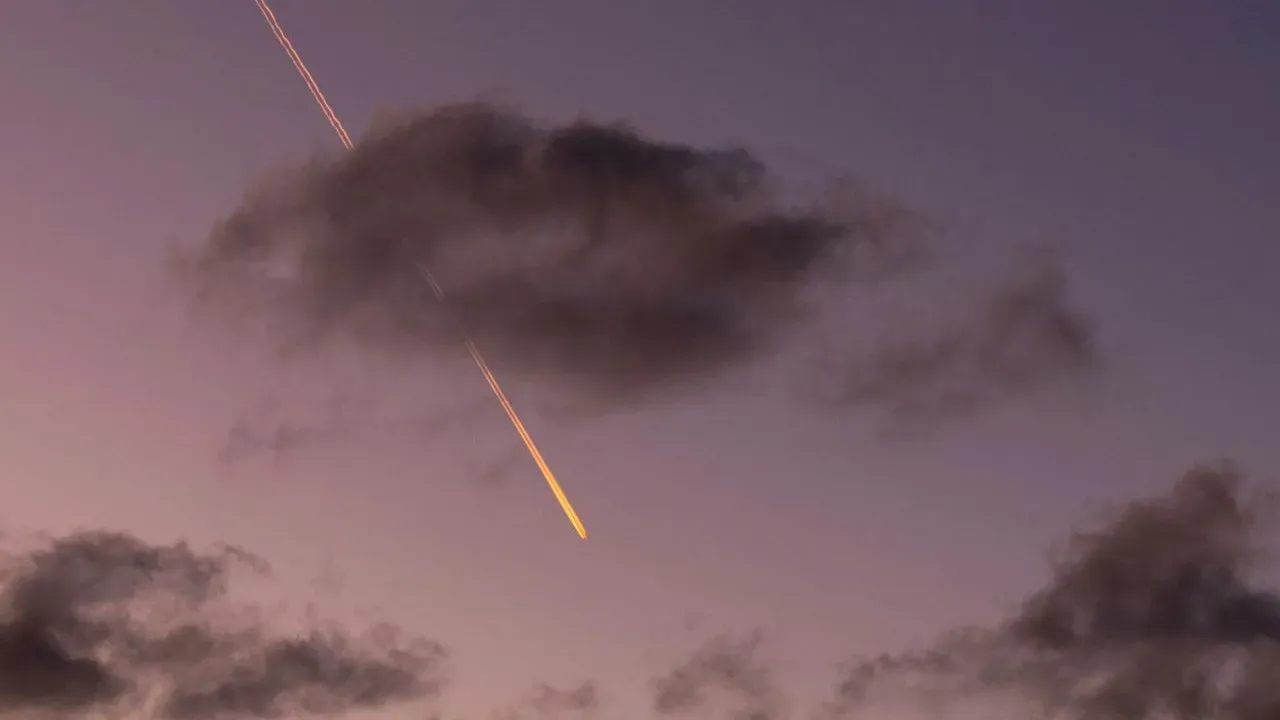

Springfield, Mo. – Footage from Greene County security cameras recorded a fireball blazing across the night sky over Springfield during the annual Taurid meteor shower. The streak appeared on Friday night, Nov. 13, the day after the Northern Taurids were predicted to peak. Fireballs are far less common than ordinary shooting stars, which gives a recording like this one a particular significance for local sky watchers ([1]).
A rare streak in a familiar shower
Most meteors are tiny fragments that burn out in a flash. Fireballs come from much larger pieces of debris, and ([2])reports that they range from roughly marble-sized to about the size of a small boulder. Some of these brighter events can outshine Venus, and their trails may linger in the air for seconds or even minutes.
The Taurids have earned a reputation for this kind of drama. Bill Cooke, who leads NASA’s Meteoroid Environment Office, has described the shower as rich in bright fireballs, though not especially numerous. As he put it, “There are not many of them, but when you see one, you’ll remember it” ([2]).
Why the Taurids produce bright fireballs
The shower traces back to Comet Encke. Earth passes through material associated with that comet each year, producing two overlapping streams that astronomers call the Southern and Northern Taurids. The Southern stream was predicted to peak on Nov. 5, while the Northern stream was predicted to peak on Nov. 12, placing the Springfield sighting just after that second maximum ([3]).
Expectations for the shower are modest. Under ideal dark conditions, the Taurids typically produce about five meteors per hour, and in most years only about 1 percent of them are fireballs ([3]). Because Taurid meteors move comparatively slowly as they enter the atmosphere, their brighter trails tend to stay visible for longer than those of many faster showers ([2]).
- The Northern Taurids were predicted to peak on Nov. 12, 2026.
- Under dark skies, the shower typically yields about five meteors per hour.
- Fireballs make up a small share of Taurid meteors, roughly 1 percent in most years.
Watching the sky with care
For anyone hoping to see a fireball of their own, timing and location matter more than equipment. Fox2 has noted in earlier Taurid coverage that the best viewing comes after midnight, away from city lights, with attention turned toward the southern sky ([4]). A place with an open horizon helps, and eyes need roughly 20 to 30 minutes to adjust to darkness.
Responsible skywatching also means keeping light use to a minimum. Phone screens and flashlights can undo that adjustment, so dimmed displays or red light are considerate choices for companions and for nearby wildlife. Visitors should stay on public land or places where they have permission to be, and leave the site as they found it.
The Springfield recording offers a simple reminder that the sky has its own calendar. A clear night, a quiet spot and a little patience can turn an ordinary evening into a memorable one.
AI Disclaimer: This article was created with the assistance of AI tools and reviewed by a human editor.