

Belgrade, Serbia – The Serbian capital is drawing growing interest from travelers who want more than the usual European itinerary. The city has recently been described as a place coming into its own ([1]), with a construction boom, a lively restaurant scene and a calendar that peaks in 2027. For visitors from the United States, the city is also easier to reach than many expect.
Two rivers and centuries of layered history
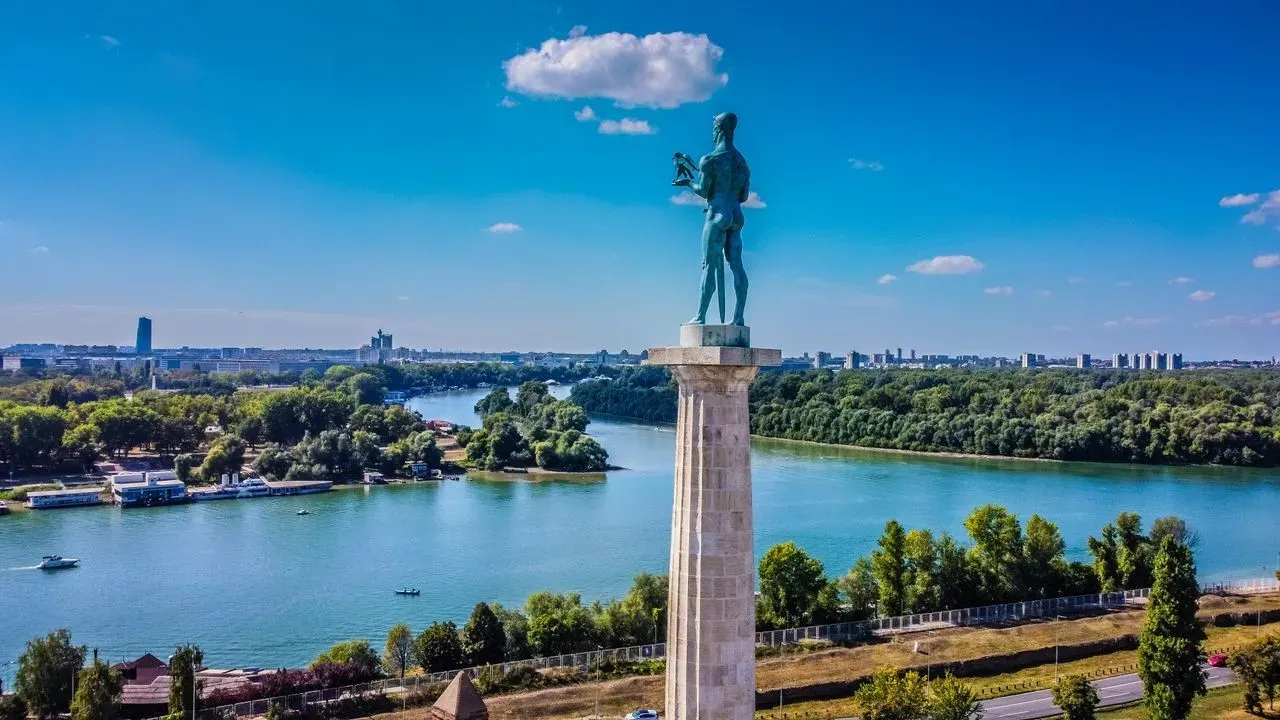
Few capitals sit where two major rivers meet as visibly as Belgrade does. The Kalemegdan fortress overlooks the confluence of the Danube and Sava, and its citadel dates to the third century B.C.E. Over the centuries it has been destroyed, rebuilt and expanded many times, and it has witnessed hundreds of battles. Today the grounds are open to everyone, and the park’s terraces are a favorite place for locals to gather as the sun goes down.
Within the fortress walls, the Victor monument stands as one of the city’s most recognizable landmarks. A short walk away, the Church of Saint Sava rises in brilliant white with a copper dome. It ranks among the largest Eastern Orthodox churches in the world, and its interior mosaics catch the light with flashes of gold. Visitors are welcome to step inside without paying an entry fee.
The city’s modern past is also part of the story. The Museum of Yugoslavia occupies its own small park and serves as a memorial to Josip Broz Tito, the leader who guided the former country for decades. Its complex includes the mausoleum known as the House of Flowers, along with displays on everyday life in Yugoslavia and a wing for temporary exhibitions.
Art, science and an old quarter that still hums
The National Museum offers one of the broadest collections in the region. Its galleries move from prehistoric artifacts and medieval Balkan icons to Italian Renaissance and Flemish paintings, French Impressionists and works by modern Yugoslav artists, including Sava Sumanovic. Plan at least a few hours, since the collection rewards slow looking.
The Nikola Tesla Museum takes a more hands-on approach. A short film introduces the inventor, and demonstrations with Tesla coils bring his work to life before visitors reach a smaller exhibit on his life and personal effects. Guided tours run roughly every 45 minutes and tend to sell out, so arriving early is wise.
Skadarlija, the bohemian quarter near Republic Square, feels like a different era. Its cobbled Skadarska Street is lined with more than a dozen traditional kafane, or taverns. Tri Sesira, or the Three Hats, was a favorite of the Serbian Romantic poet and painter Dura Jaksic, whose statue stands outside his former home nearby. Knez Mihailova, the pedestrian shopping street, is another good stop for crafts made by Serbian artisans.
Planning notes for the cultural circuit
- The National Museum charges about $3 for adults.
- Entry to the Nikola Tesla Museum costs $7.50, and guided tours fill quickly.
- The Museum of Yugoslavia charges $7.50 for adults.
- Kalemegdan Park and Saint Sava Church are free to visit. Some fortress museums charge their own fees and keep separate hours.
Dining from grilled cevapi to modern Balkan cooking
For a city of its size, Belgrade offers a surprisingly varied table. Start with the classics. Cevapi, grilled sausages served with soft bread and ajvar, a red pepper relish, are everywhere, as are sarma, pickled cabbage rolls filled with spiced meat and rice. Cured meats and mountain cheeses round out many menus. Bela Reka is a good place to sample a range of Serbian specialties, many sourced from the restaurant’s own farm in the Homolje Mountains.
Riverside Suvenir pairs traditional cooking with a relaxed setting, serving dishes such as roasted lamb and bacon-wrapped prunes. For a more contemporary take, Iva sits in a courtyard near Saint Sava church and reworks age-old recipes with a modern hand. Diners often order its burek pastries filled with cheese, baked peach, hot pepper and honey, along with confit river pike-perch served with gnocchi. A glass of white from the Fruska Gora region makes a fitting pairing.
Reservations are worth making for S5 by Angie, a fine-dining room tucked into an apartment building in the quiet Zemun district. Guests begin with a cocktail in a parlor lined with a vinyl record collection, then move into a multicourse menu prepared by chef “Angie” Risimic. Prix-fixe prices range from $75 to $150, and a la carte ordering is also available.
Where to stay and how to get around in 2027
Air Serbia offers the most direct route from North America, with flights from Chicago O’Hare and New York JFK to Nikola Tesla Airport. The carrier has also announced twice-weekly service from Miami beginning in May 2027. Travelers should carry some cash, because some drivers prefer it. Taxis can be booked through apps such as Yandex, Pink Taxi Nova and Car:Go, and Uber is not available in the country.
Hotel options are expanding. The St. Regis Belgrade opened in November 2024 in the riverside Belgrade Waterfront district, with 119 rooms and suites, a spa with an indoor pool and a signature bar. The Hyatt Regency Belgrade sits in Novi Beograd, the city’s main business district across the Sava. The Hilton Belgrade is close to Slavija Square and within walking distance of the Tesla Museum and Saint Sava Church. Room rates in the original report began near $148 a night and reached $290 for the St. Regis. A Belgrade InterContinental is also expected to open in early 2027.
The year’s biggest event is Expo 2027, a specialised international exhibition that runs from 15/05/2027 – 15/08/2027 on a site in Surčin. Its theme, Play for Humanity, focuses on the ways in which humanity can use the power of play for building resilience of individuals and communities ([2]). Visitors who plan around the expo can enjoy the city’s trams and buses, which are free to ride within the city center.
Belgrade rewards travelers who take time with it. Its rivers, fortress, museums and tavern quarter offer a clear sense of place, and its restaurants show how traditional cooking is being reimagined. Visiting in 2027 offers a chance to see the capital during a period of visible change, while still leaving room for the unhurried evenings that have long defined it.
AI Disclaimer: This article was created with the assistance of AI tools and reviewed by a human editor.