
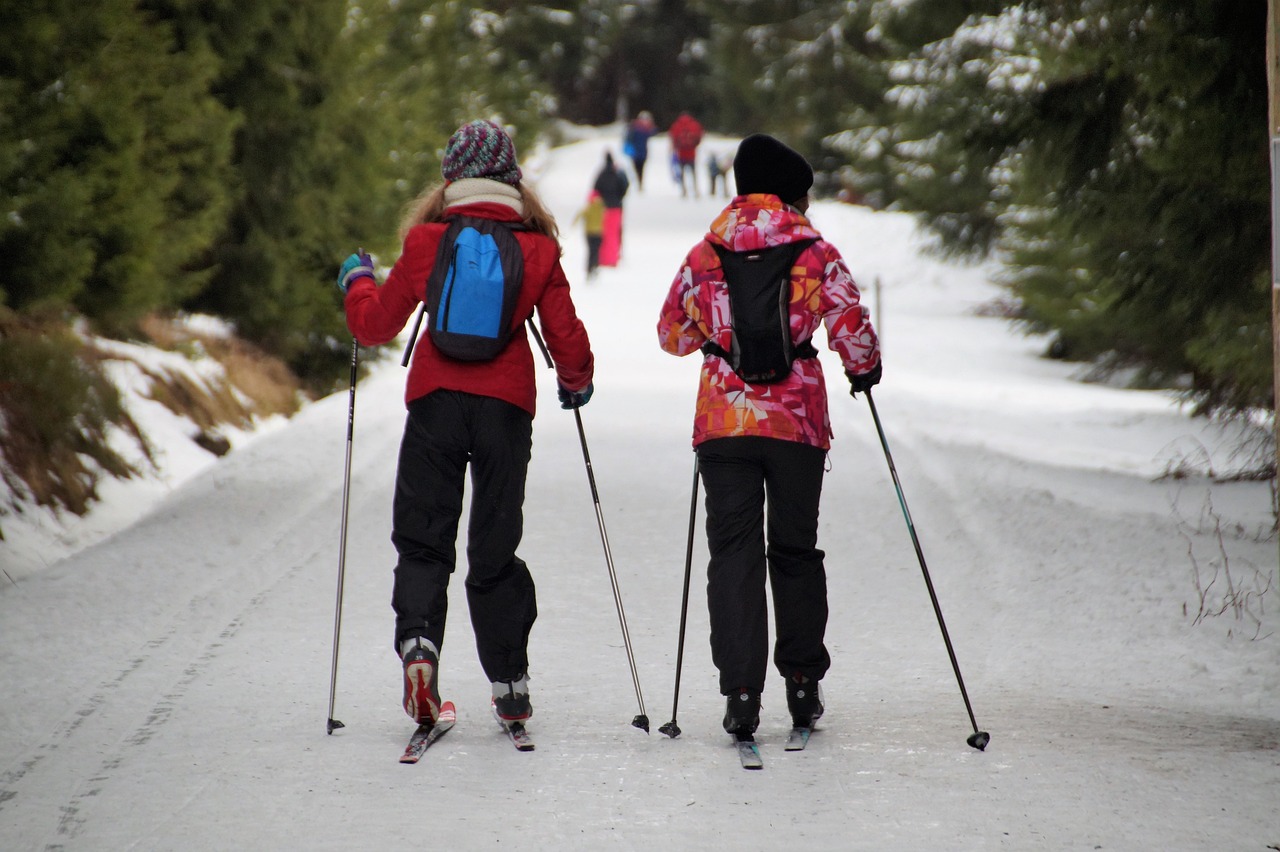

Most first-time skiers spend more time choosing their jacket color than thinking about whether their boots actually fit. That’s a problem, because the boots are arguably the single most important piece of equipment on the mountain. They’re the link between your body and your skis, and when that link is flawed, everything else suffers.
Most skiers hit the slopes in boots that don’t fit, leading to pain, slower progress, and unnecessary injuries. The fix isn’t expensive, and it doesn’t require fancy gear. It’s a simple technique that experienced boot fitters and ski instructors have been quietly relying on for years.
The Scale of the Problem Is Bigger Than You Think
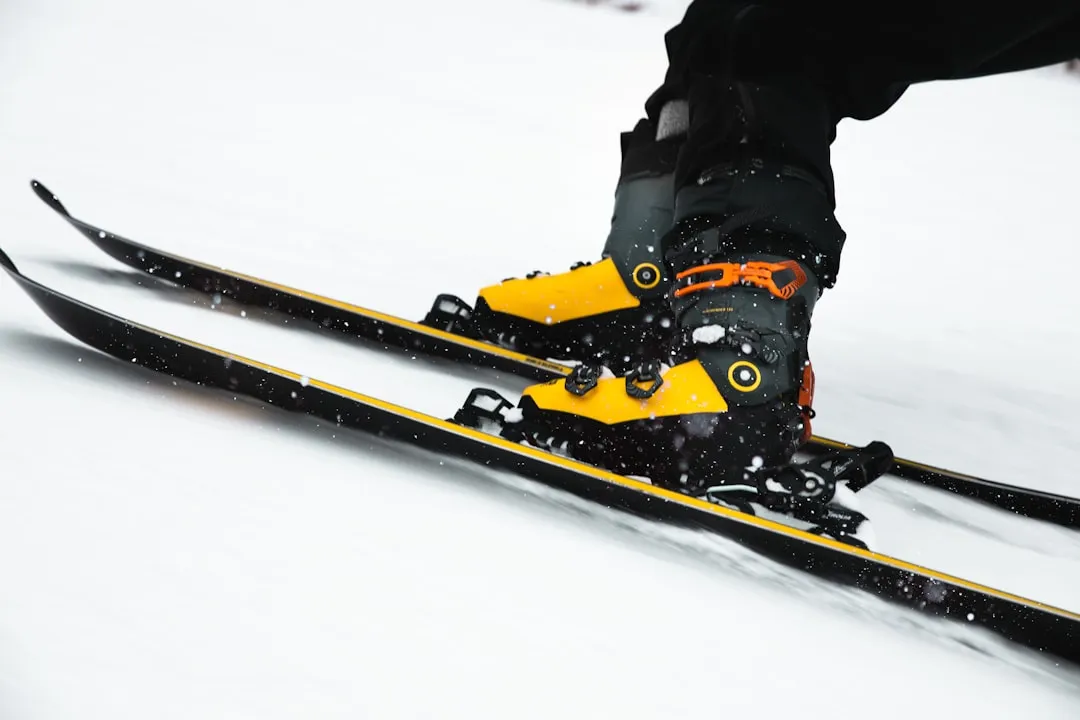
Every year, approximately 600,000 people in the United States experience skiing-related injuries. That’s not a fringe statistic – that’s a genuine public health pattern. Yet a large share of those injuries trace back to something as preventable as poorly fitted footwear.
Beginner skiers with zero to two years of experience account for roughly 45 percent of all ski injuries. Newer skiers haven’t yet built the body awareness to compensate for equipment that works against them, which makes proper fit especially urgent for this group.
Most injuries result from self-inflicted falls rather than collisions, emphasizing the importance of technique. Technique, though, is inseparable from how well a skier’s boot is transferring their movements to the ski beneath them.
Why the Boot Is the Most Underrated Piece of Gear
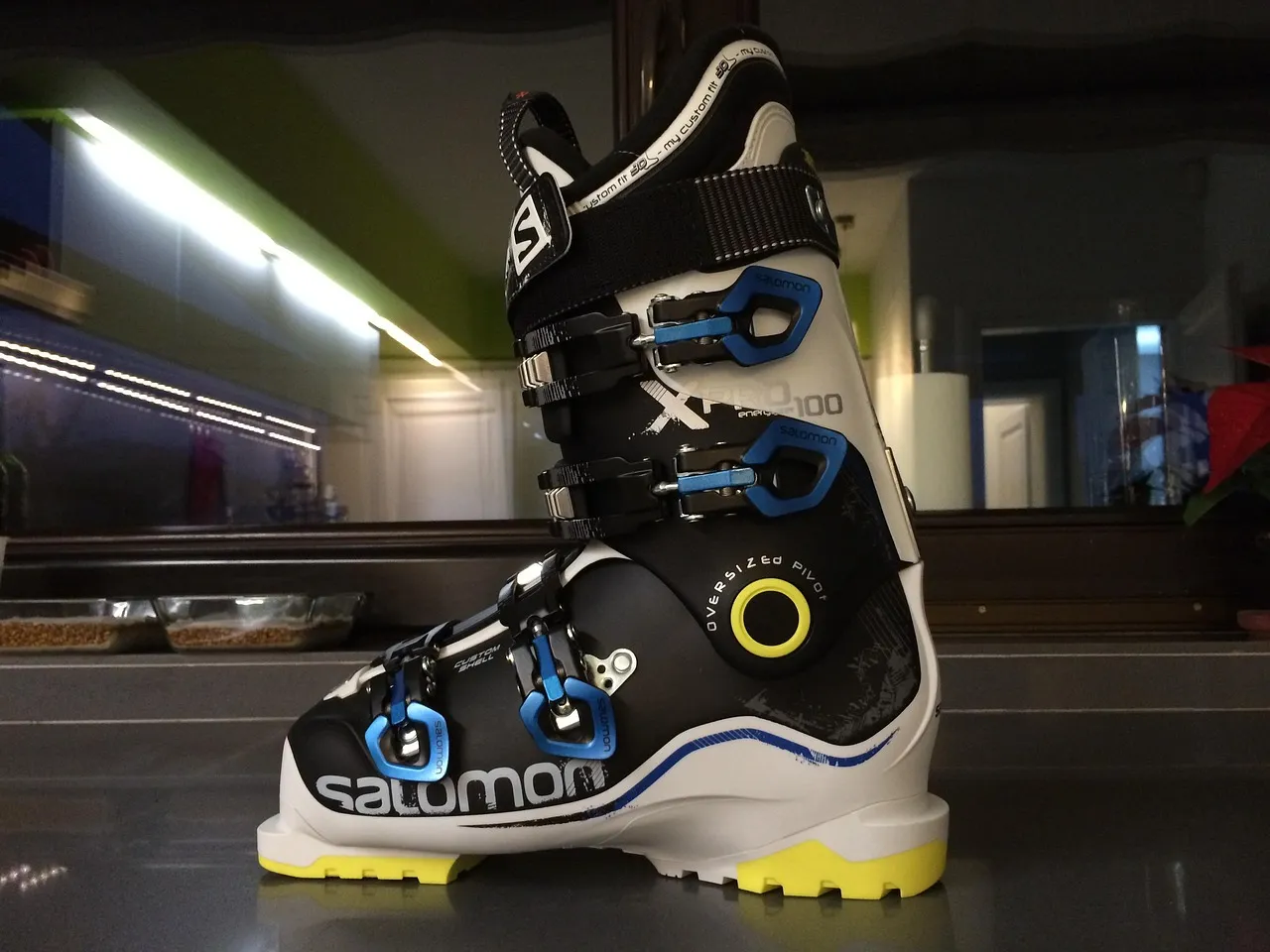
Ski boots are a crucial piece of gear because they not only connect your feet and lower legs to your skis, but if not fitted correctly, they can cause pain that will put a damper on your ski day. For beginners, that pain doesn’t just ruin the experience – it creates compensatory movements that raise injury risk significantly.
It has been estimated that 80 percent of lower extremity injuries, most of which comprise knee injuries, are equipment-related, caused by the ski acting as a lever to bend or twist the leg. This underlines just how much equipment plays a role in keeping you safe.
Research on the skier’s body position, muscular stress, and ground reaction forces, as well as studies on the influence of the boot’s geometry and material properties, can support product development, injury prevention, and the development of skiing technique. In other words, the science has been building for decades – the boots matter enormously.
The Shell Fit Check: The Trick Most Beginners Never Learn
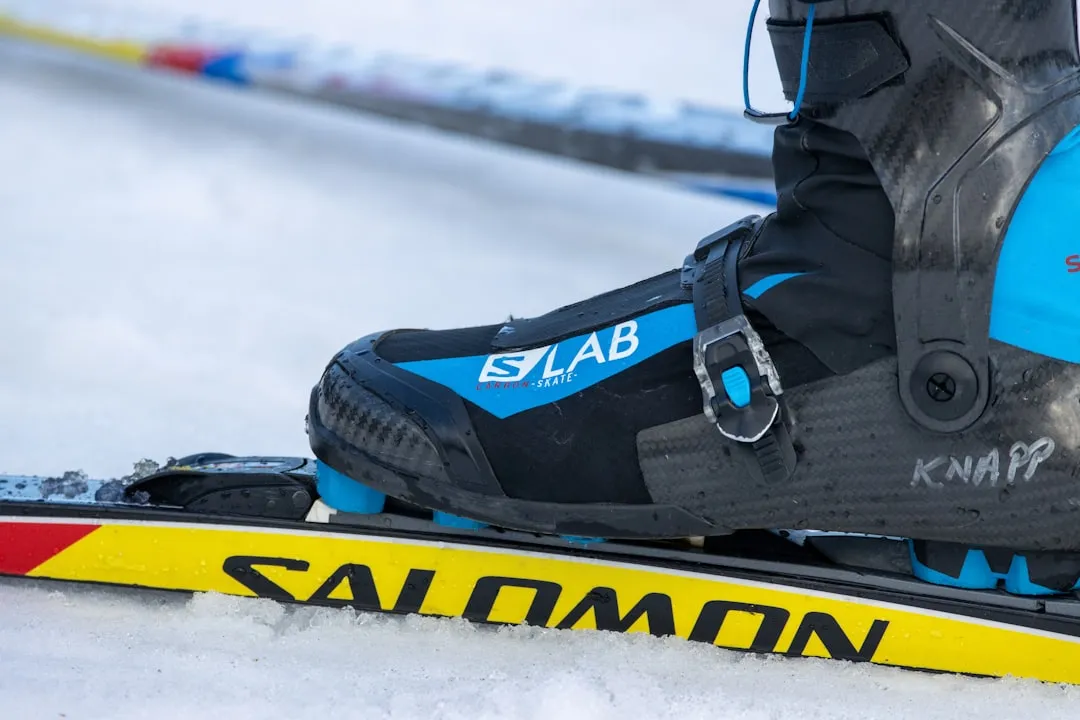
The technique that ski instructors consistently point to is called the shell fit check. It sounds technical, but it takes about two minutes and anyone can do it before stepping onto a slope. To confirm the fit of a ski boot, the most accurate method is the shell fit. While liners compress over time, making the fit looser, the shell size remains constant.
To check shell fit, remove the liner and put your foot in the shell. Slide your foot forward until your big toe touches the front. At that point, a finger to a finger-and-a-half of space between your heel and the shell will give you a good snug fit when the liner is reinserted.
Nothing beats a proper shell fit. The basic steps are to put your foot into the bare shell and slide your toes forward until they barely touch the plastic. Then, check the forefoot width. If the sides of your feet are barely grazing the plastic, that is usually a good, all-around fit.
Too Big Is Actually More Dangerous Than Too Tight
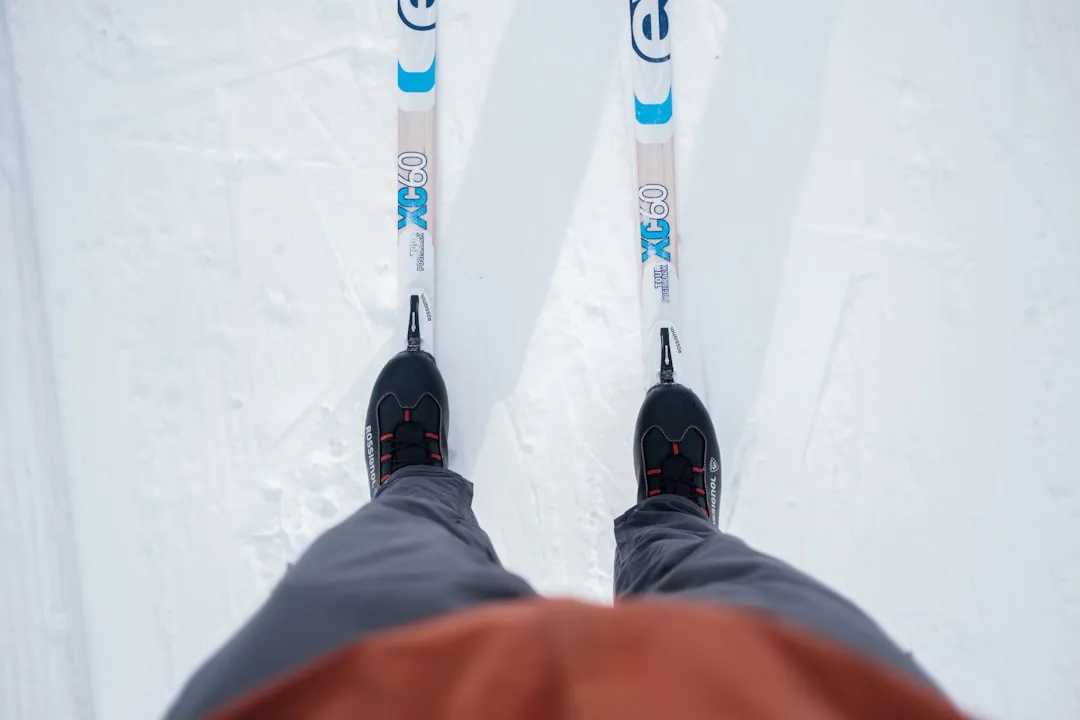
Many beginners assume that a little extra room in a ski boot is a good thing, like buying shoes with space to breathe. On the slopes, the opposite logic applies. Boots that are too big can lead to pressure points and ultimately poor ski technique because you won’t have a good connection between your feet and your skis. Most experts agree that it’s better to have a pair of boots that are too small than too big, because boot fitters can always punch or blow out boot shell material to fit problem areas.
Buying a boot that’s too big can be painful and cause injuries. In extreme cases, oversized boots can cause ankle sprains and bone breaks. Oversized boots also hinder skiing and promote fatigue. You’ll find yourself in the “backseat,” clawing your toes and tightening your thigh muscles and hamstrings to maintain stability and control.
How Liner Compression Fools You Into the Wrong Size
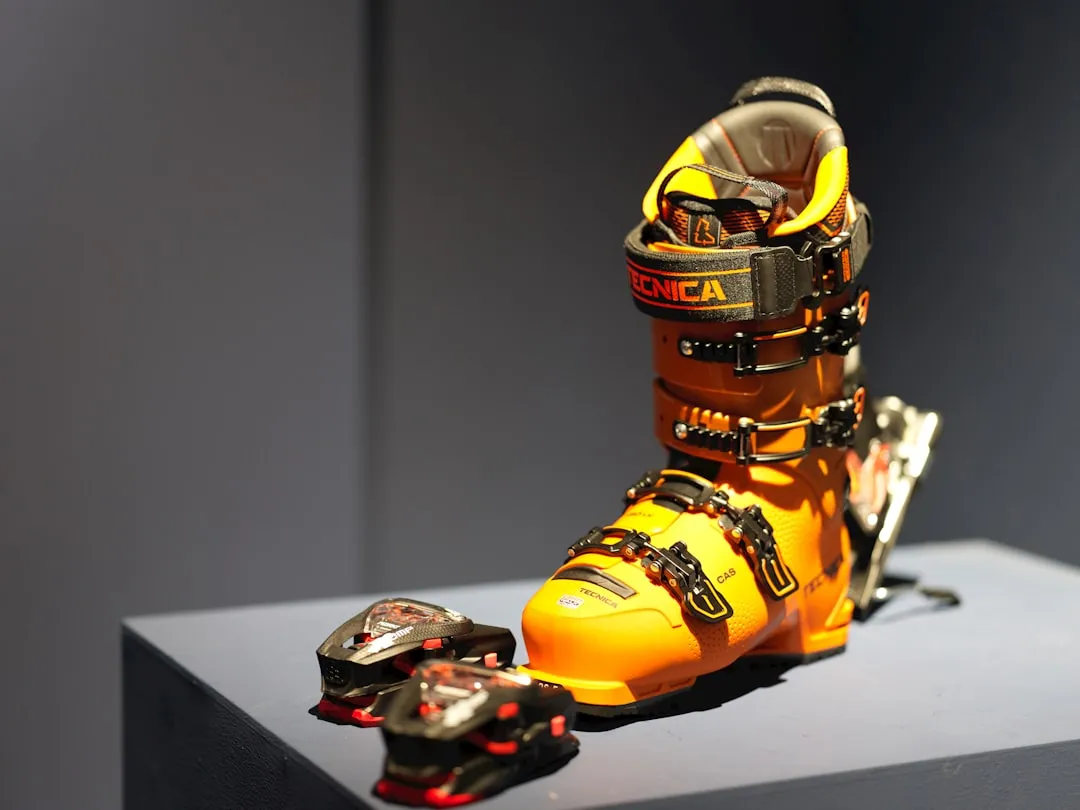
One of the most common reasons beginners end up in the wrong boot is that they judge fit by how a brand-new boot feels, without accounting for liner compression. Ski boot liners will pack out, meaning compress, about 5 to 10 millimeters during the first 10 to 15 days of skiing. The shell fit accounts for this compression.
Your liner will pack out and become roomier with use. Most initially feel short and tight but compress to comfortable levels after being skied as few as two runs. This is why a boot that feels snug on day one is often perfect by day three.
If your foot is just grazing a size, try the smaller size first. Yes, it might feel a bit tighter than what you’re used to, but once that boot breaks in, it’ll fit perfectly, giving you the control and comfort you want. Resisting the impulse to size up is one of the most practical things a beginner can do.
Understanding the Mondopoint System Saves Confusion
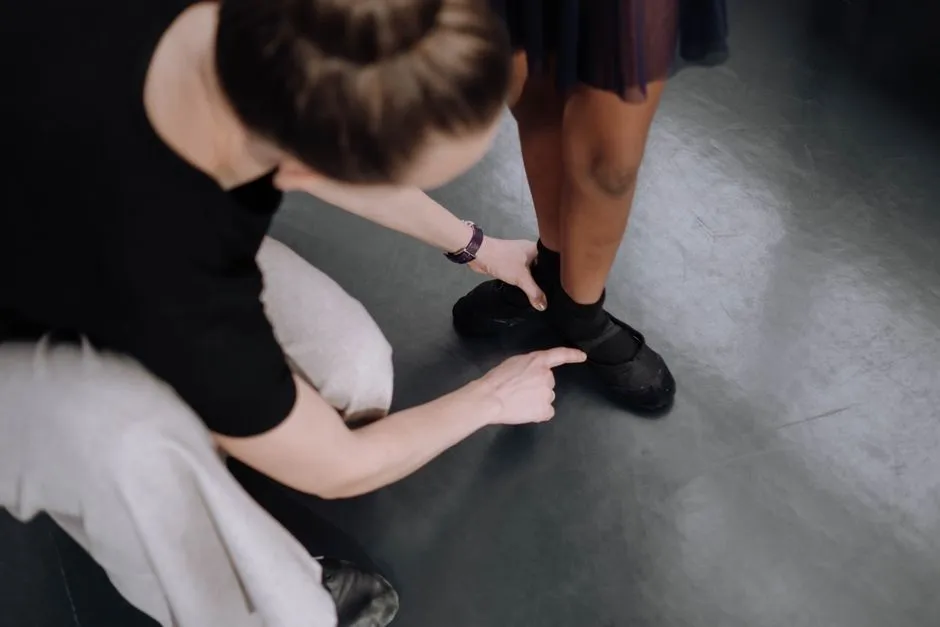
Ski boot sizing doesn’t follow the same logic as everyday shoes, and that’s where a lot of confusion starts. A good ski boot fit starts with finding the right size for your foot. Downhill skiing boots use an international sizing system called Mondopoint, which is based on your foot length in centimeters.
Your ski boot size will typically be one to two sizes smaller than your regular street shoe size. That gap surprises many first-timers who automatically grab a familiar number off the shelf. This is normal and correct – ski boots should fit snugly without movement.
The best approach is to have your foot measured at a store that sells ski boots, though you can also do this at home. Either way, knowing your actual foot length in centimeters before walking into any shop is a simple step that prevents a lot of downstream problems.
Boot Sole Abrasion Is a Hidden Risk Factor
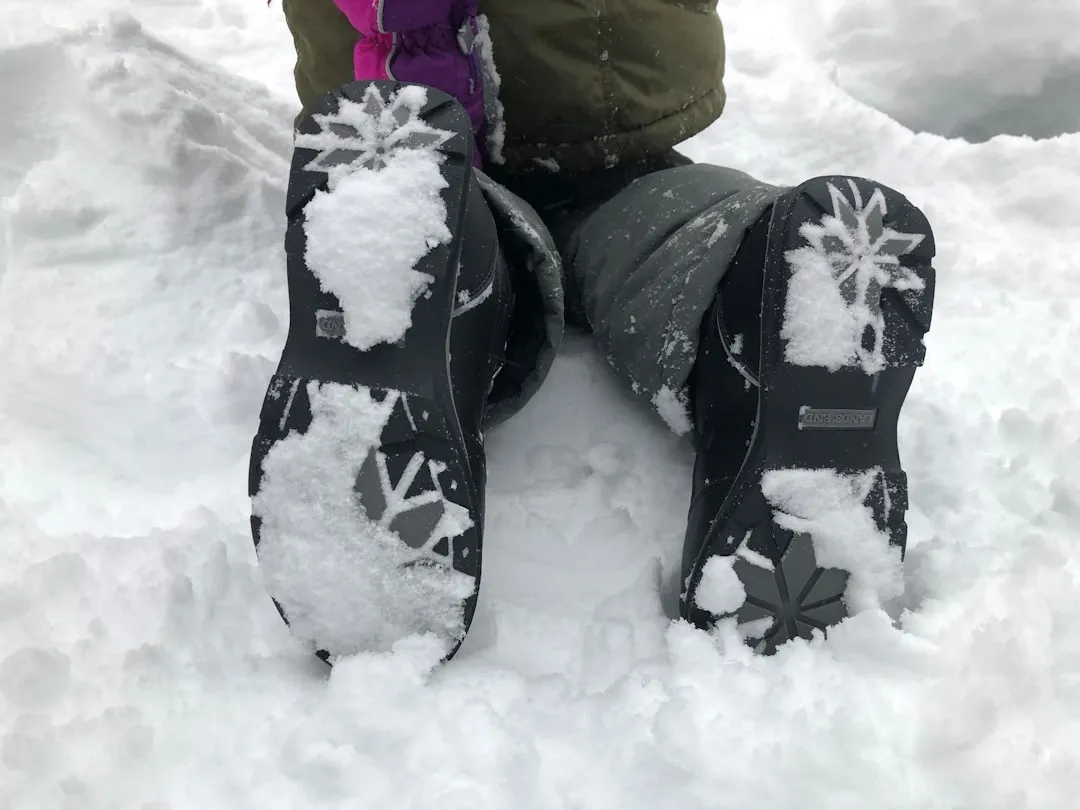
Most skiers never think about the condition of their boot soles. It turns out they should. A study published in the Scandinavian Journal of Medicine and Science in Sports examined recreational skiers and found a notable connection between boot sole wear and knee injury risk. Ski boot sole abrasion seems to be an independent risk factor for an ACL injury among female and male recreational skiers.
Therefore, regularly checking the equipment, especially the ski boot soles, may importantly contribute to the prevention of knee injuries in female and male skiers. This is particularly relevant for anyone renting boots season after season, where sole wear is rarely monitored.
There are several reasons for ski boots to cause abrasion, among them excessive walking on ski boots on surfaces different from snow, often the streets or parking areas of ski resorts. A simple habit – putting on boot covers when walking to the lift – can genuinely protect your knees.
Flex Rating and Ability Level Cannot Be Ignored
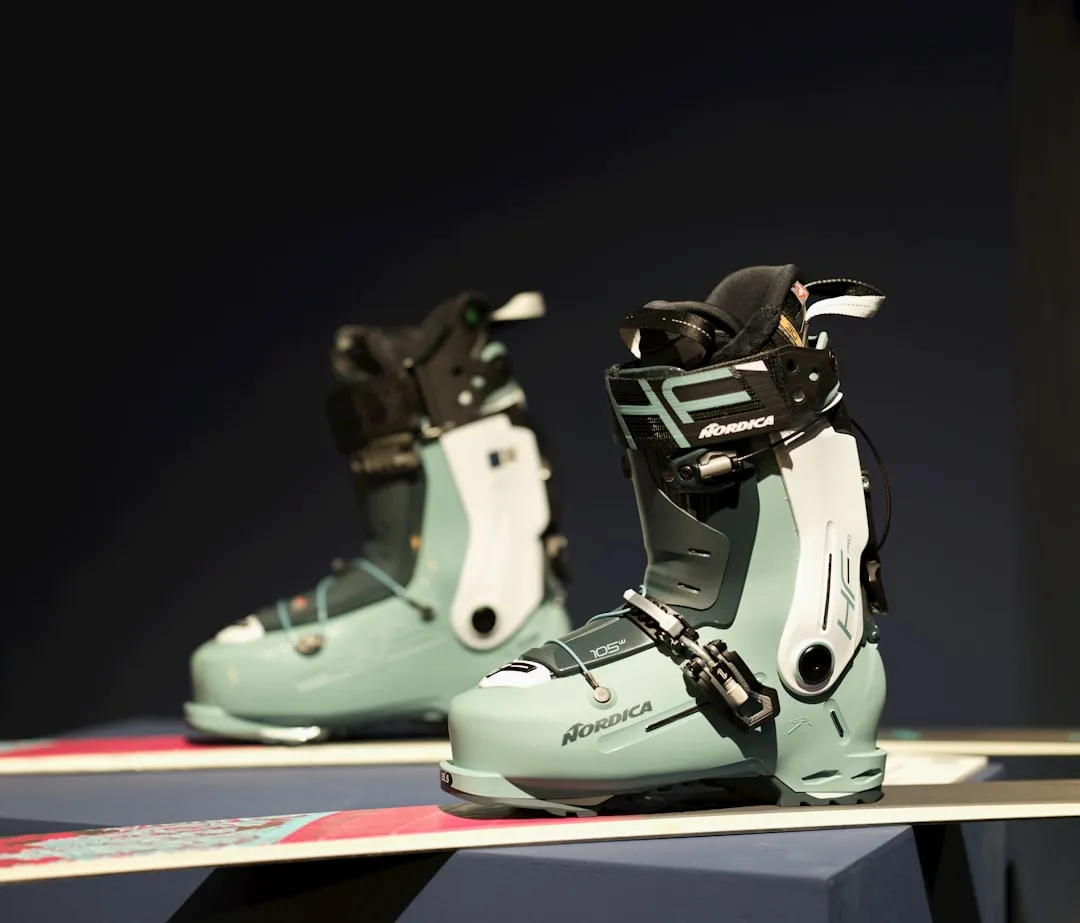
Even a perfectly sized boot can create problems if the flex rating doesn’t match the skier’s ability. Flex refers to how much resistance the boot offers when you lean forward. A boot that’s too stiff for a beginner restricts movement and contributes to falls; one that’s too soft offers no meaningful control. One common mistake is overestimating or underestimating your ability level. Either way, you could end up with the wrong boot model or flex. Being upfront with a boot fitter means you’ll end up with a boot that’s the correct flex for your ability, size, and weight.
Boots not only have to match your skill level, they must mate with your foot and leg shape. This is why two skiers of the exact same foot size might need completely different boots.
Heat Molding and Custom Fitting Technology Are Now Widely Available
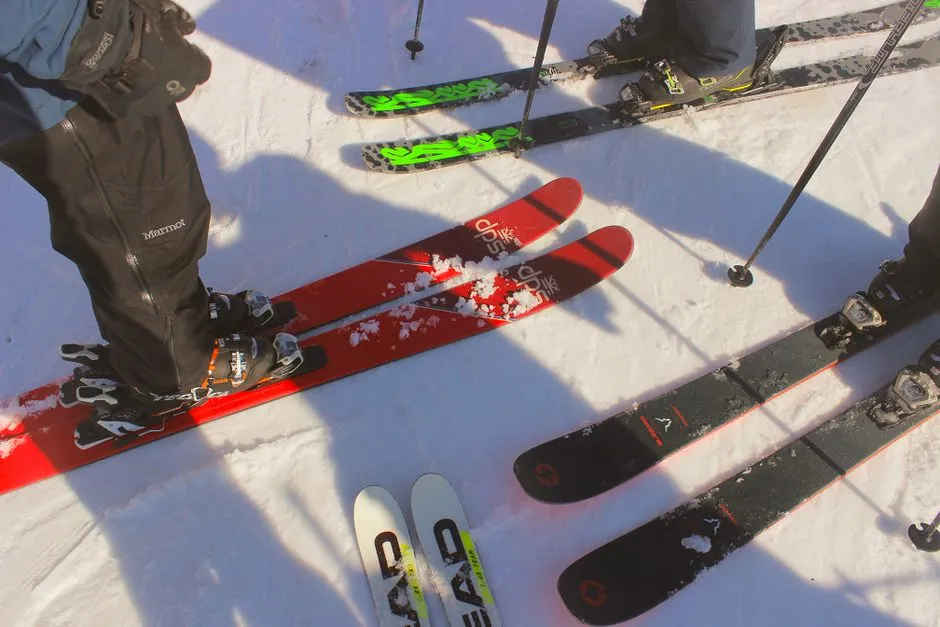
For skiers who want a more precise fit without going fully custom, thermally moldable liners and custom shell shaping have become increasingly accessible. In October 2024, Tecnica Group expanded the use of its C.A.S. Custom Adaptive Shape boot fitting technology across additional alpine boot models, enabling shell customization at the retail and distributor level.
This development highlights how fit precision has become a measurable performance parameter, influencing return rates, comfort scores, and long-term brand loyalty. Nowadays, fit innovation is the major differentiator of boot systems.
In February 2024, the BOA Fit System announced that its dual dial alpine ski boot platform would be adopted by several major brands for the 2024 to 2025 season, including extended offerings from K2 and Fischer. These developments mean that even recreational beginners now have access to fitting options that were once reserved for competitive skiers.
What to Do Before Your Next Ski Day
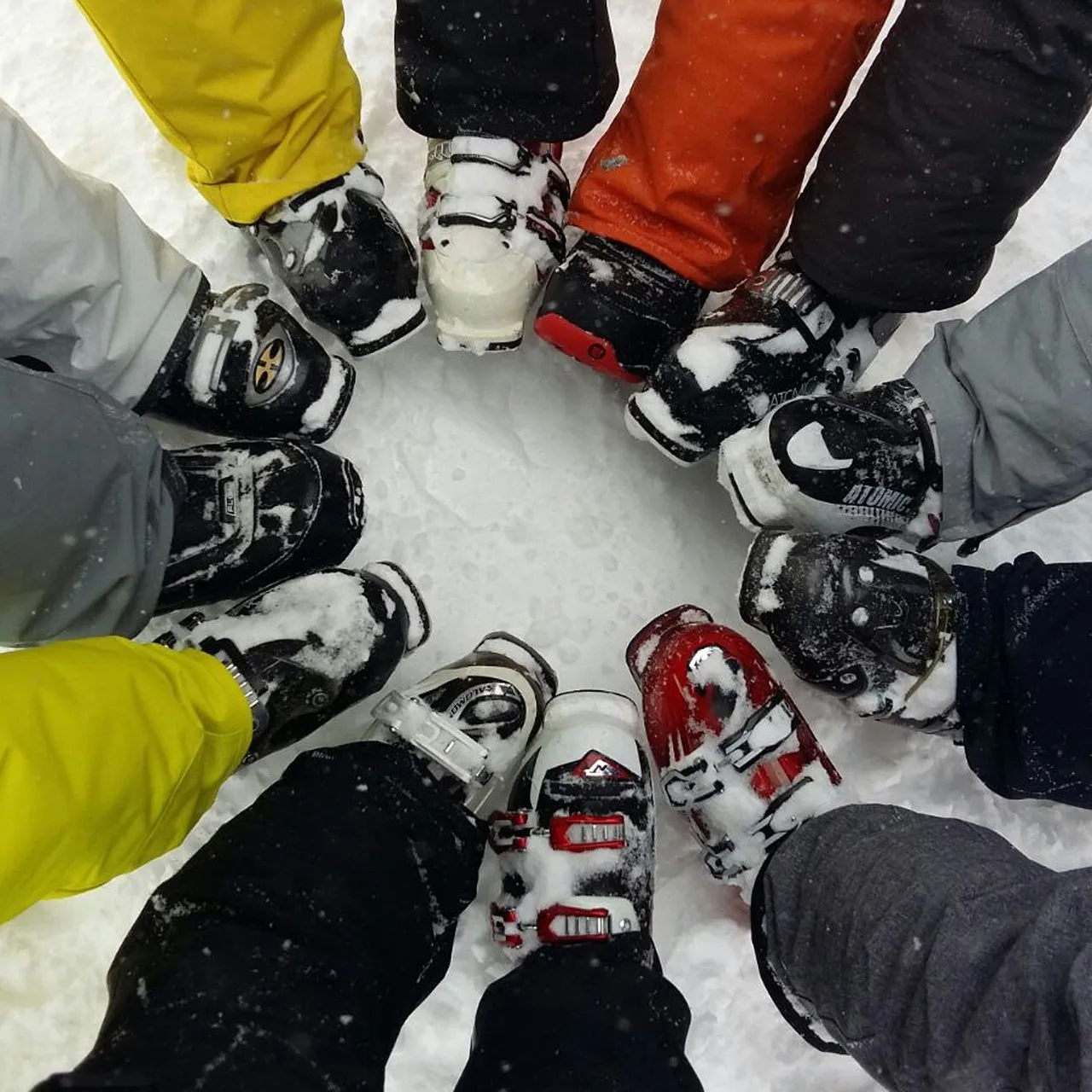
If you’re heading out this season, the checklist is simpler than most people expect. Get your foot measured in centimeters. Ask to do the shell fit check before committing to any boot. Tell the shop assistant your actual ability level honestly, not aspirationally. The ultimate goal of your ski boot is to completely surround and support your foot. If there’s a mismatch of key areas, the boot can’t do its job properly.
Recent developments in skiing equipment and prevention measures have reduced the frequency and severity of skiing-related injuries. Taking the time for a proper shell fit is one of the simplest ways to be on the right side of that trend.
If you’re renting, inspect the soles for wear before clipping in. And if the boots feel excessively loose after the first day on the slopes, ask the shop to reassess rather than tolerating the slop. A small adjustment at the shop is far easier than a trip to the emergency room.
The Takeaway
Boot fitting isn’t glamorous, and it rarely comes up when people talk about their ski trips. Yet the evidence points to it consistently as one of the most controllable factors in beginner safety. The shell fit check costs nothing and takes minutes. Using it before your next ski day is one of the most straightforward decisions you can make on a mountain that’s full of variables you can’t control.
Proper boot fit won’t make you an expert overnight. What it will do is give your feet, ankles, and knees a fair chance. On the slopes, that’s a meaningful head start.
AI Disclaimer: This article was created with the assistance of AI tools and reviewed by a human editor.