
1. High-SPF Sunscreen
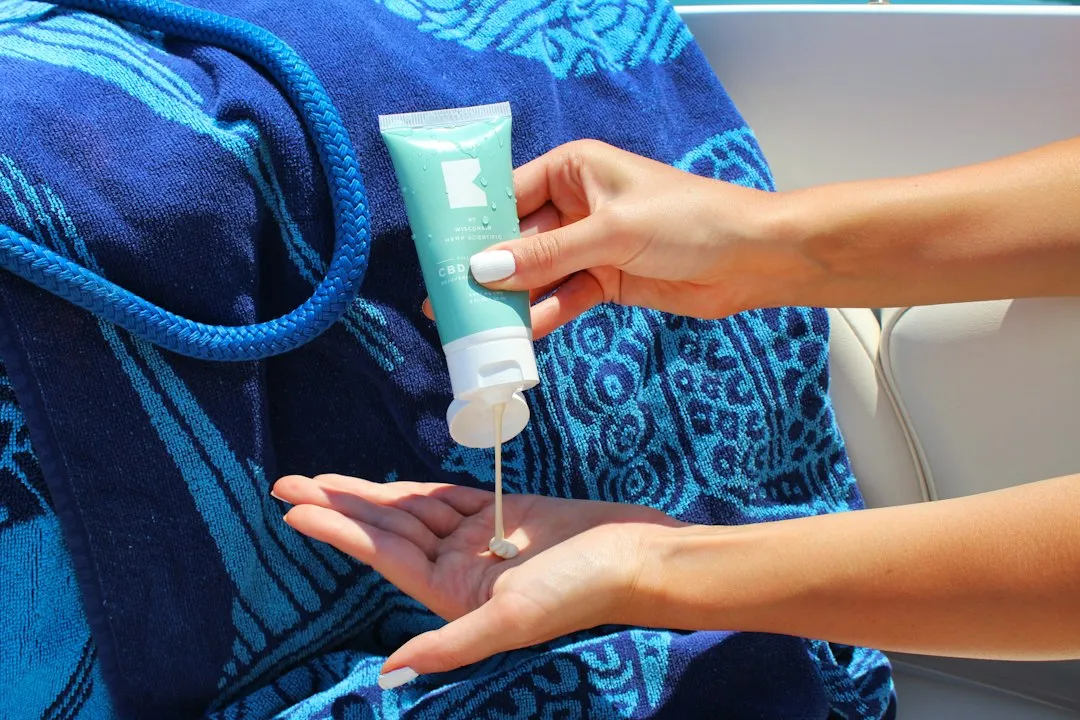
Sunscreen is, without question, the item ski instructors mention most often. You can still risk sunburn in the winter, and ski slopes are particularly risky, even on cloudy days. The cold air creates a convincing illusion that your skin is safe, but the science tells a different story.
At altitude, UV intensity increases by about four to five percent with every 1,000 feet of elevation, and snow reflects up to 80 percent of UV rays back onto your skin. That means your face is being hit from both above and below simultaneously. It’s deceiving: you’re getting significantly more sun exposure than a summer day at sea level, but the cold makes you less aware of it.
A proper skiing skincare routine includes broad-spectrum SPF 50 applied before you hit the slopes, reapplication every two hours, and a recovery routine post-ski. Compact, pocket-sized sunscreen is easy to carry and simple to reapply at the top of a lift. It’s a small item with a genuinely outsized impact on your comfort and long-term skin health.
2. Proper Ski Socks (Not Regular Ones)
Investing in good quality ski socks can make all the difference to your ski holiday. Thin merino wool ski socks are the recommended choice. Many beginners pack whatever socks they already own, often thick cotton ones, and they pay for it with blisters and numb toes by midday.
Wool or synthetic ski socks, worn one pair at a time, help avoid bulk inside the boot. That last detail matters more than it sounds. Double-layering socks inside ski boots actually restricts circulation and makes your feet colder, not warmer. One well-chosen pair of merino wool socks is far more effective than two pairs of regular ones.
3. Moisture-Wicking Base Layers (Not Cotton)
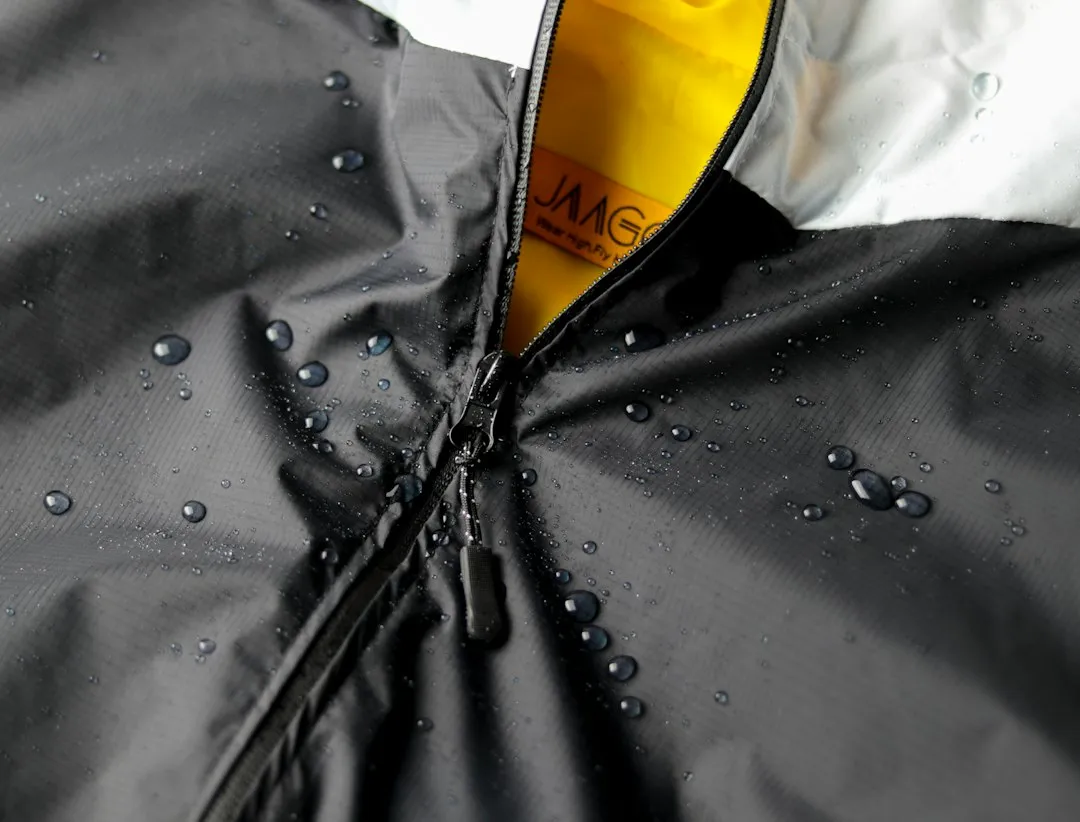
The base layer sits directly on your skin and its job is to keep your body dry and absorb the sweat. Preferred materials are merino wool or synthetic sports fabric. Cotton holds moisture and stays wet against your skin, which can make a cold day genuinely miserable.
Your base layer should consist of warm thermal tops and bottoms, followed by a fleecy or thick mid layer for insulation, and finally an outer layer aimed at keeping you dry rather than warm. Throwing on a waterproof jacket and trousers on top ensures you remain dry, while your underlayers keep you warm. The system only works when each layer does its specific job. Beginners often underestimate how much they’ll sweat during a lesson.
4. SPF Lip Balm

Chapped, cracked, sunburned lips are a remarkably common complaint among first-time skiers. When you’re out skiing or snowboarding, UV rays hit you twice, directly from above and reflected off the ground. This intense exposure can lead to unexpected sunburns, particularly on the face and under the chin, areas that many people forget to protect.
SPF-recommended lip balm is an essential that belongs in every ski jacket pocket, alongside pocket-sized sunscreen. The cold, dry air at altitude strips moisture quickly, and hours of wind and sun compound the damage. An SPF lip balm costs almost nothing and takes up no space. It’s one of those items instructors have to quietly mention to their students mid-lesson, every single week.
5. A Neck Gaiter or Buff
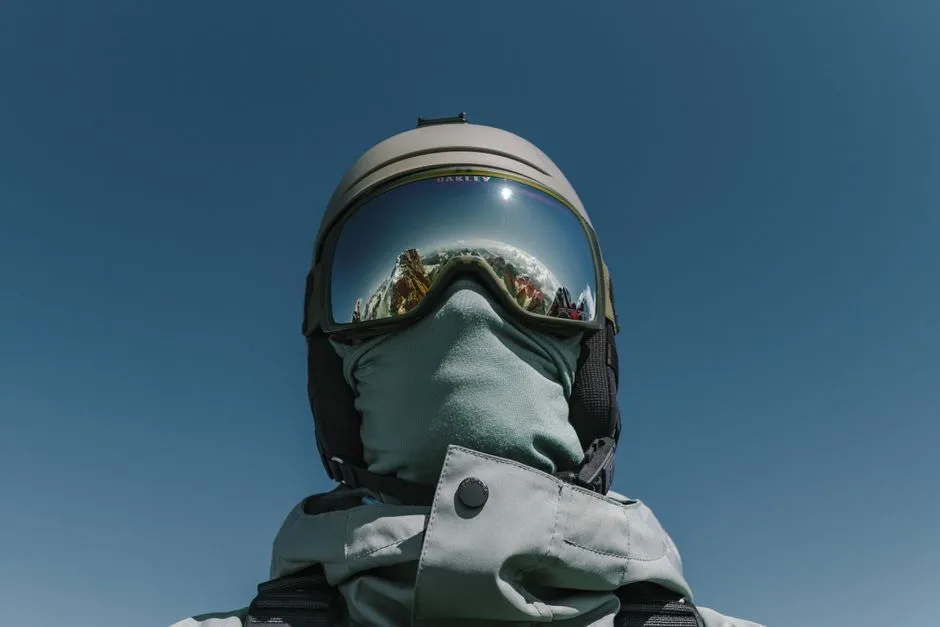
Many people often forget about the neck, and keeping it warm is an important priority on the slopes. A neck gaiter bridges the gap between your helmet and jacket collar, blocking the cold air that would otherwise funnel down your back when you lean forward on skis. It sounds minor until you’re riding a chairlift with wind cutting straight through that gap.
Buffs are great at keeping your chin and throat warm, without the fear of them flying off the way a scarf might. Two to four of them make a solid choice for a week of skiing. They’re lightweight, packable, and double as a face cover on particularly cold days. Beginners rarely put this on their initial packing list, even though it addresses one of the most uncomfortable sensations on the mountain.
6. Waterproof, Insulated Gloves or Mittens
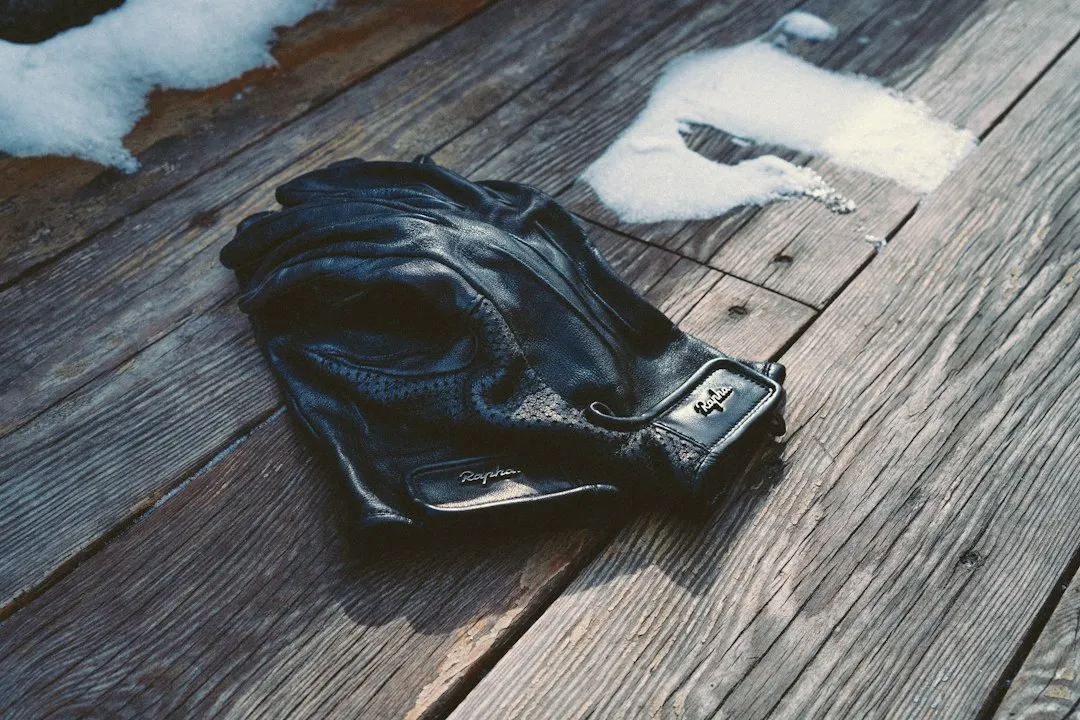
Waterproof and insulated gloves or mittens are essential for maintaining warmth on the slopes. Many beginners arrive with thin fashion gloves or simple knit ones, which soak through within an hour of falling in the snow. Once your gloves are wet, the rest of your day becomes a cold and frustrating endurance test.
Look for a waterproof rating of at least 10,000 mm on both your gloves and outerwear. For beginners who fall more frequently, waterproofing is not a luxury. Mittens tend to keep fingers warmer than individual-finger gloves, though dexterity with poles is slightly reduced. Either way, the key word is waterproof.
7. A Small Backpack or Bum Bag

A small rucksack or bum bag is ideal for carrying a bottle of water, a snack, and layers in case you get too hot. If you prefer not to have a rucksack, a bum bag keeps the small essential items accessible and is less likely to impact your skiing stance. Beginners often plan to just stuff things in their jacket pockets, which works until the pockets fill up with sunscreen, lip balm, gloves, and a phone.
A small backpack rounds out the essential gear list for beginners precisely because the mountain demands more than you’d expect. Snacks matter when you’re burning energy all morning. Water matters even more. Having a compact bag that distributes the weight properly means you’re not fishing around your jacket mid-slope.
8. Hand and Toe Warmers

Hand and toe warmers are listed as optional extras, described as perfect for extra cold days. In practice, beginners almost always wish they had them, particularly on their first day when they haven’t yet figured out how to regulate their body temperature on the mountain. Staying still during an instructor demonstration can get cold very quickly.
These small chemical warmers are inexpensive and can be slipped inside gloves or boots before you head out each morning. They’re not something available at every mountain convenience shop, so packing a few from home is the smarter move. Once you’ve tried them on a crisp morning, they become non-negotiable.
9. Goggles with the Right Lens
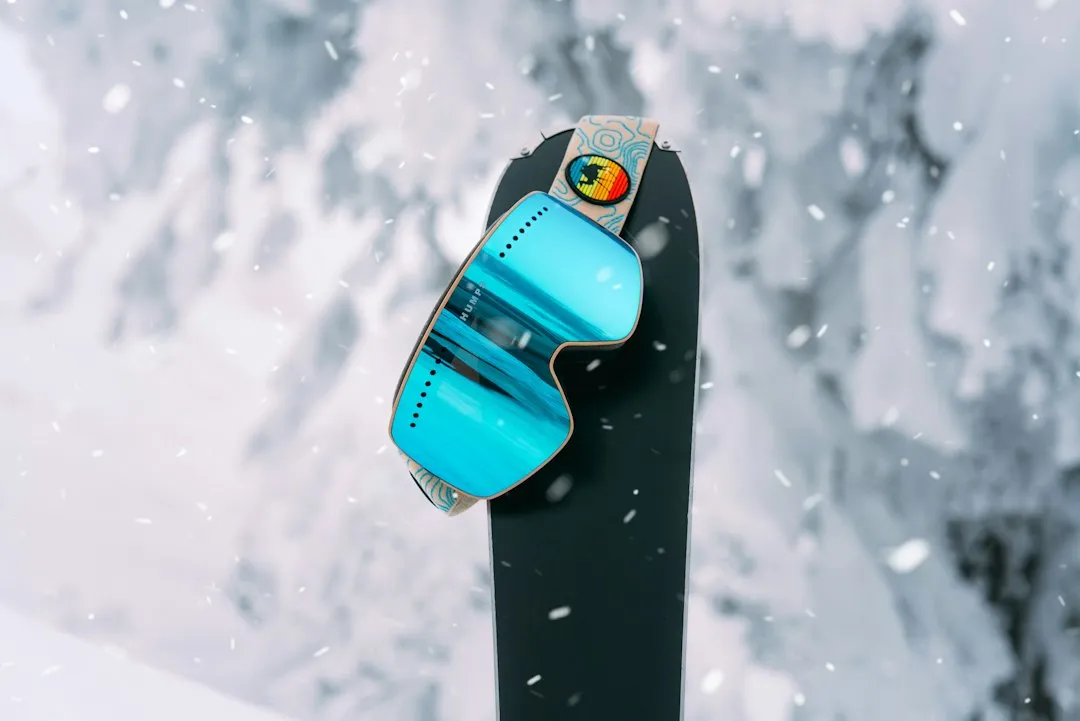
Goggles with appropriate lenses for the light conditions are safety equipment that should never be considered optional, regardless of skill level or chosen terrain. Beginners sometimes bring sunglasses instead, or pack goggles without considering that lens tint matters depending on whether the day is bright, overcast, or somewhere in between.
A good pair of goggles with 100% UV protection ranks among the must-have skiing essentials. Flat-light days, which are common in many European and North American resorts, can make it nearly impossible to read the terrain without the right lens. A darker lens for bright sun and a lighter, rose-tinted one for low light is the combination most instructors quietly recommend to their beginner groups.
10. A Reusable Water Bottle

A lighter, thinner reusable recycled plastic bottle tends to work better for skiing than the heavier metal variety. Hydration is something beginners consistently underestimate in cold environments. You don’t feel as thirsty in freezing temperatures as you do in summer, but physical exertion on the slopes means your body needs water throughout the day regardless.
Snacks, a water bottle, and on-slope extras all belong on the slopes packing checklist, according to instructor-backed resources. The combination of dry mountain air, altitude, and physical activity depletes your hydration faster than you’d expect. A collapsible bottle can even be stored in your jacket pocket, making it easy to sip between runs without slowing your group down.
The Bigger Picture
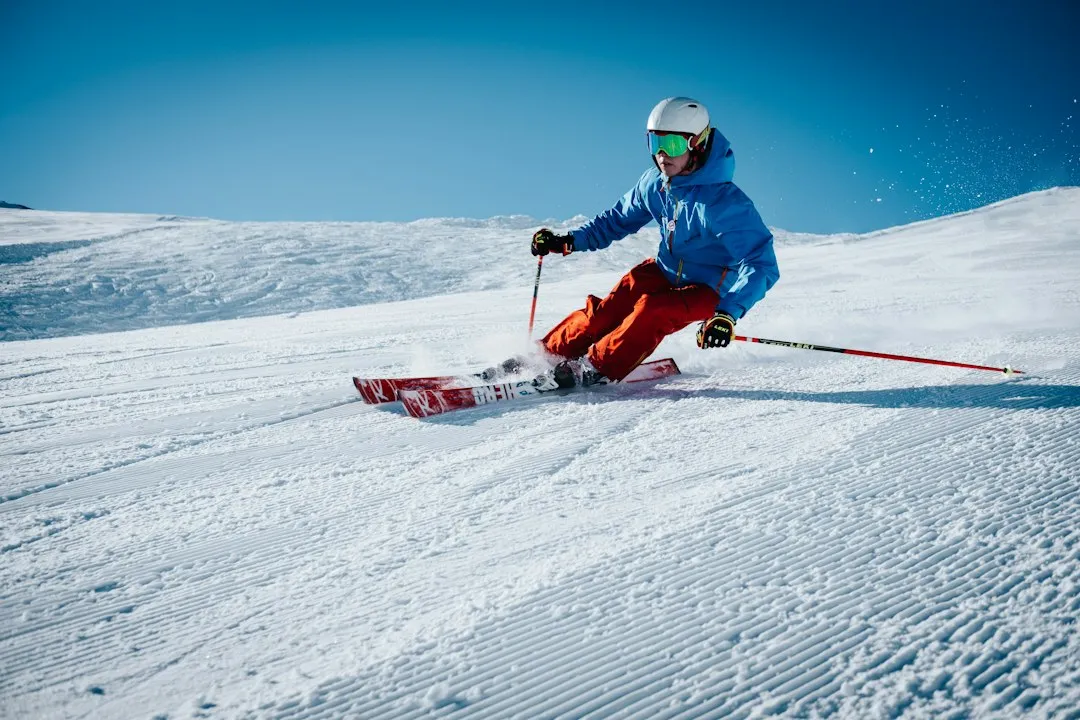
The things ski instructors flag most often are rarely dramatic or expensive. They’re the small, practical items that experienced skiers pack automatically, without thinking, because they’ve felt the consequences of leaving them behind at least once. Sunscreen, proper socks, SPF lip balm, a neck gaiter: none of these will make you ski better, but all of them will make the experience feel far more manageable.
The mountain has a way of quickly revealing what you’ve forgotten. A little extra attention during packing means your focus on the slopes stays where it belongs: on learning, not on discomfort.
AI Disclaimer: This article was created with the assistance of AI tools and reviewed by a human editor.