

There’s a quiet kind of knowledge that lives at the top of a gondola station. The people who load chairs and monitor queue lengths every single day see patterns that most skiers never notice. They know exactly when the lines swell to 40 minutes and exactly when you can walk straight onto a chair without breaking stride.
The 2024-25 ski season logged 61.5 million visits across U.S. resorts, the second-highest number ever recorded. With that kind of traffic becoming the new normal, knowing when to ski is no longer a nice-to-have. It’s genuinely the difference between a great day and a frustrating one.
The 8 AM Window Is More Valuable Than Most Skiers Realize
Try arriving at the resort about 30 minutes before the lifts open, and you’ll find the shortest lift lines and least crowded runs during the first two hours of the morning. This isn’t a secret, but it’s consistently underused because most vacationers don’t want to rush breakfast.
Holiday weekends are manageable when you’re on the mountain by 8 AM, skiing groomed runs while everyone else is still eating breakfast. The first hour after opening is genuinely close to the mountain-to-yourself experience that resort marketing promises.
The 10 AM to 2 PM Window Is the One to Avoid
The 10 AM to 1 PM stretch is the dead zone on busy days. Most skiers leave the lodge between 9:30 and 10 AM after rental pickups and lesson check-ins, and lines typically peak around 11 AM and stay long through lunch.
At places like Vail on a busy Saturday in February, lift queues can hit 45 minutes, and rental shops at Breckenridge have been known to reach capacity by 8:30 AM. That mid-morning surge is real, and it’s predictable.
The Lunch Hour Is a Hidden Gift
The counterintuitive move is to ski hard from 8 to 10 AM on empty groomers, then take your own lunch break from 11:30 AM to 1 PM when everyone else is in the lift queue, and head back out by 1:15 PM when crowds thin. It sounds almost too simple, but it works reliably.
The math is straightforward: when a third to nearly half of guests head indoors to eat, chairs open up. Staying on the hill during the traditional lunch window is one of the most consistent strategies that experienced mountain regulars use across resorts worldwide.
The Last 90 Minutes Before Closing Are Deeply Underrated
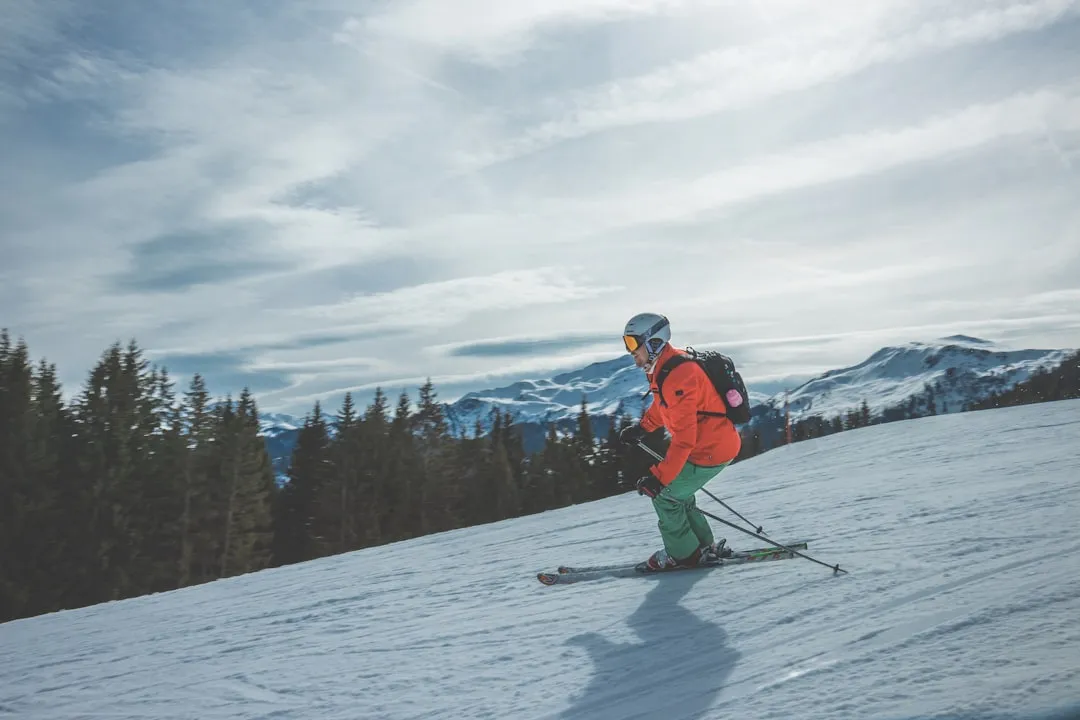
The shortest lines and least crowded runs also return during the last two hours of skiing each day. Families with young children head in around 2 to 3 PM, and the mountain gradually quiets from there.
The final 90 minutes before closing often feels like a private mountain, and groomers get re-set on many runs mid-afternoon. If you have the legs for it, staying late is one of the most rewarding things you can do on a busy ski day.
Midweek Skiing Changes Everything
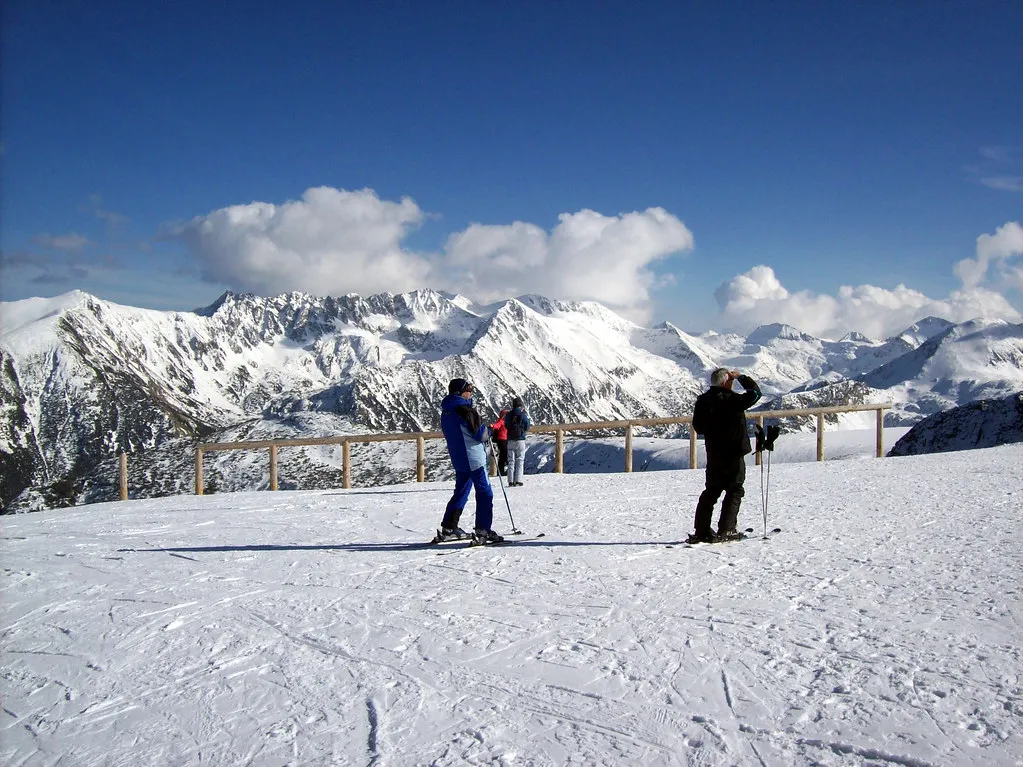
The same mountain on a Tuesday feels like a completely different place. According to resort traffic data analyzed by ski industry researchers, weekday visitation at major Colorado resorts runs roughly 30 to 50 percent lower than weekend peaks.
Early January through early March, minus the holidays, is generally considered the best time to ski: it’s peak powder time and the slopes are less crowded. Mid-January through the first week of February in particular is consistently the quietest stretch of the season.
The Mid-Morning Secondary Lift Window
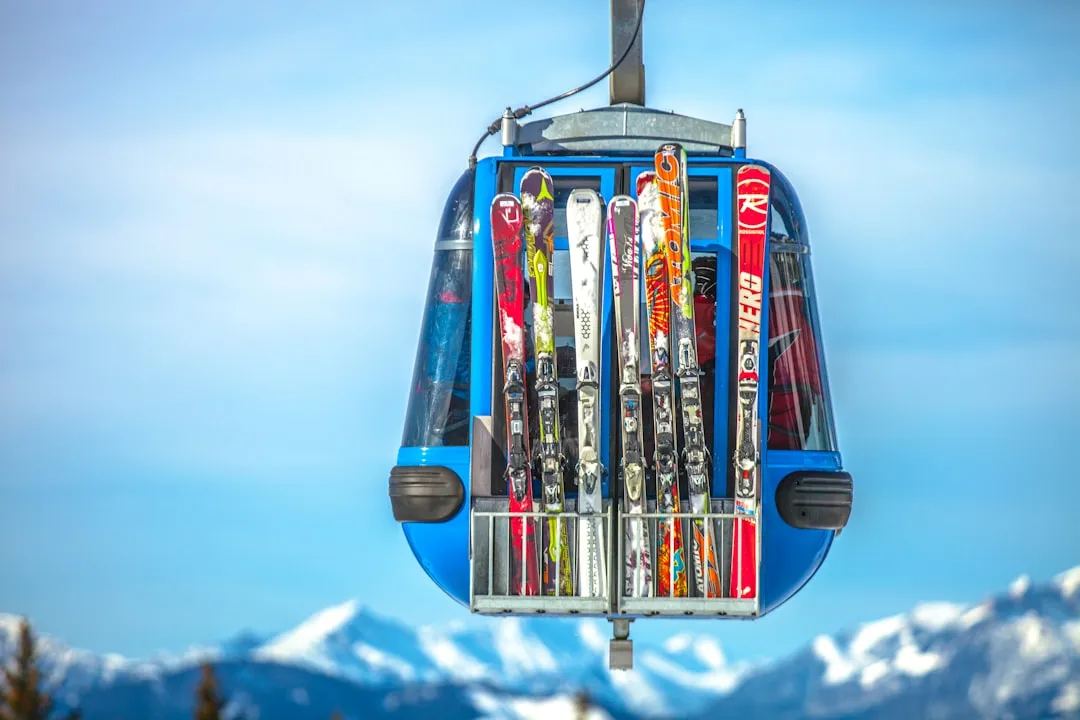
Once the early wave of skiers spreads across the mountain, lift lines on secondary chairs often drop to near nothing between about 9:30 and 11:30 AM. This is the window to explore terrain you might otherwise skip, the far edges of the trail map, less obvious lifts, and gladed runs.
Beyond the central lift of major resorts lie overlooked lifts and slopes on the periphery. These lesser-known areas often escape the attention showered on the main lift, and they typically have shorter queues while leading to pristine, often untracked snow.
Gondola Opening Time Is a Specific Trap
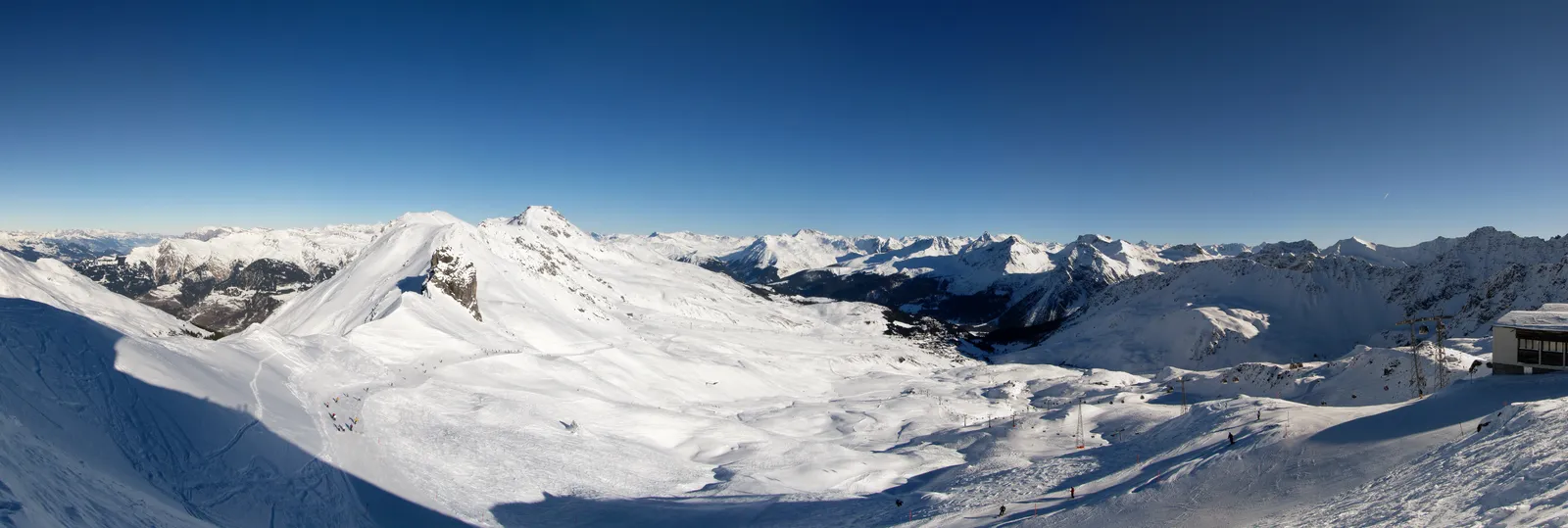
Gondola queues are typically at their busiest right when the mountains open, around 8:30 AM, which is also when ski lessons tend to start. One option for non-early-risers is to skip that period entirely and go for late-morning or early-afternoon laps instead.
Getting to the lift closer to lunchtime and enjoying afternoon laps while others refuel is a viable strategy that seasoned Whistler locals use regularly. The gondola rush at opening is real, and it’s densest precisely when new and infrequent visitors tend to arrive.
Powder Days Have Their Own Crowd Logic
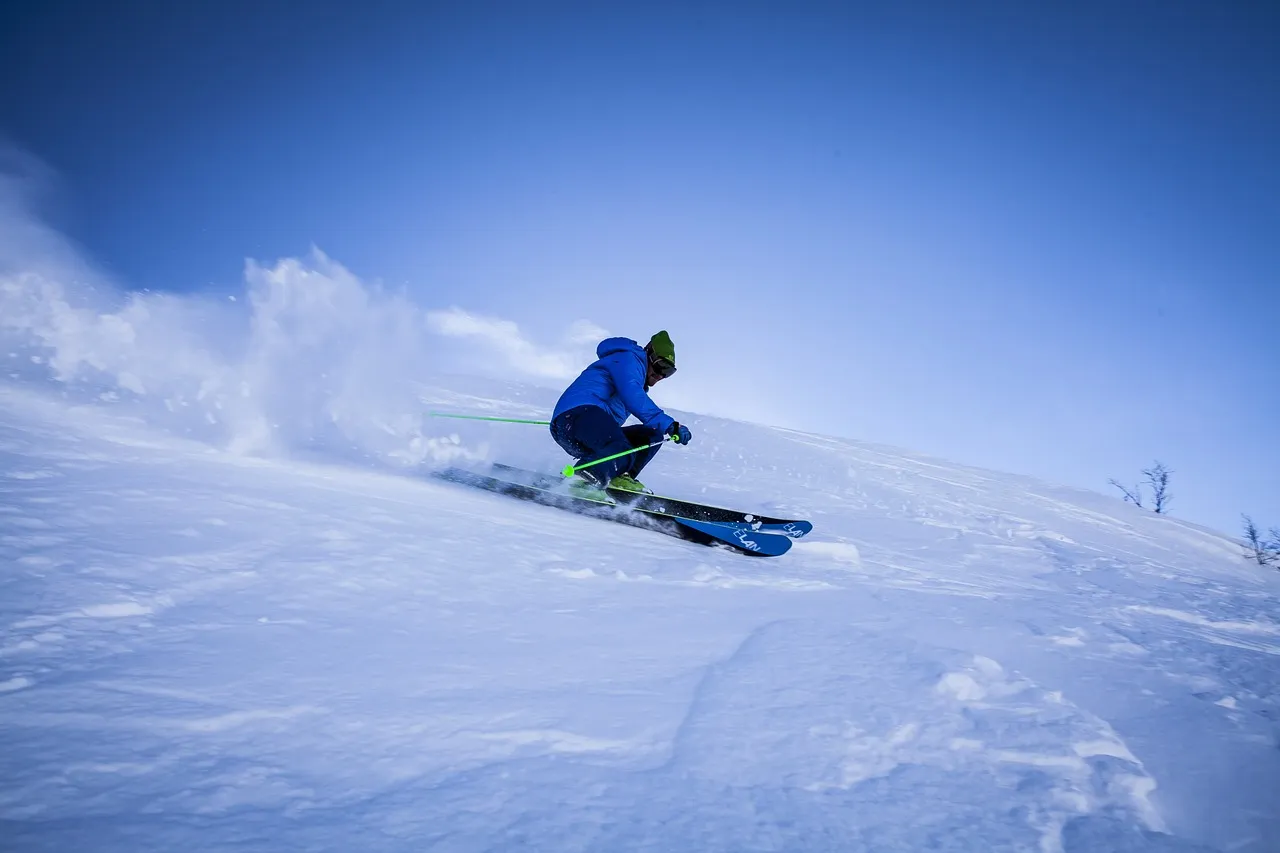
On powder days, once one area gets tracked out, guests will flock to another, and if a new terrain zone opens up after avalanche mitigation, nearly the whole mountain tends to converge there. Knowing this lets you move in the opposite direction.
Most skiers’ legs aren’t as strong as they think, and a lot of people are exhausted by midday on a powder day, which leaves a noticeably quieter resort in the afternoon. On those days, lower lifts are often ignored because everyone is so focused on the alpine terrain.
Technology Is Making Real-Time Timing Much Easier
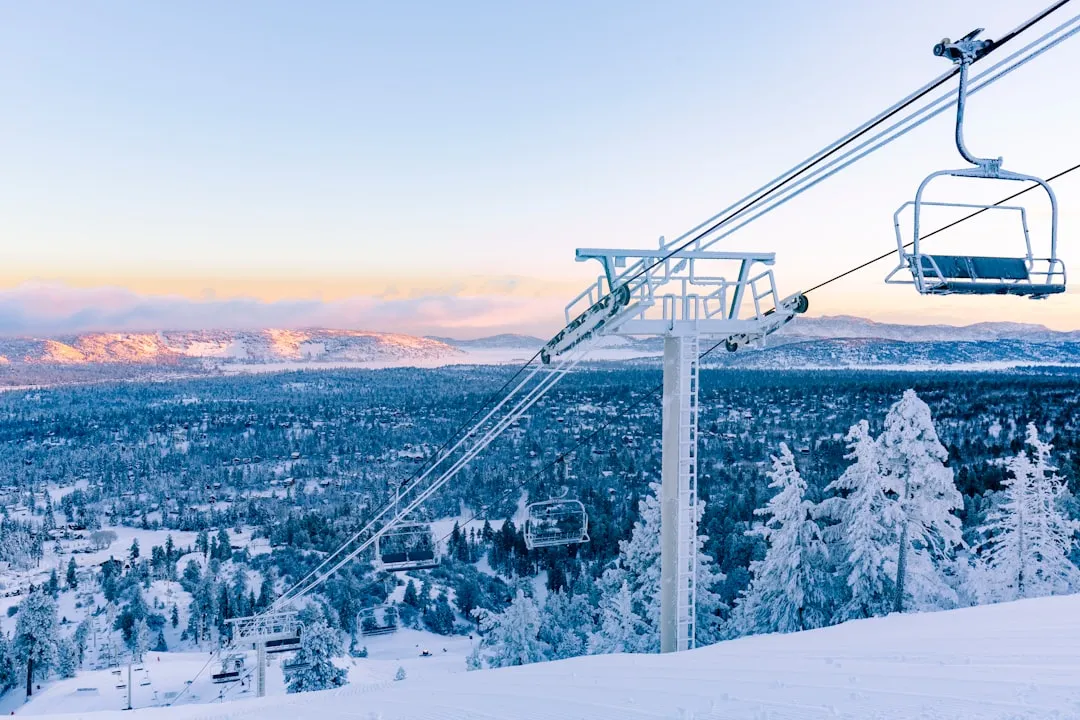
Most major resorts now publish live wait times through their trail map apps, making it possible to find the chair with the shortest queue and work outward from there. This has genuinely changed how informed skiers navigate a busy mountain.
Mont Tremblant in Quebec has a large electronic board at the top of the mountain showing the average current wait time at each lift alongside a trail map, so guests can make more educated decisions about where to ski next. Tools like these, increasingly common across major resorts, reward guests who think strategically rather than defaulting to the nearest lift.
Holiday Periods Follow Predictable Crowd Calendars

The days after Christmas through New Year’s, around Martin Luther King Jr. Day, and around Presidents Day are generally considered the three peak-season windows. Lines during these periods are long by any measure, but they still follow the same daily rhythm of morning surges and afternoon lulls.
Since 2021, the U.S. resort industry has counted four of its five busiest seasons ever, which means holiday timing has become more consequential than it was a decade ago. Planning around these windows, or at least within them strategically, matters more than ever.
Smaller Resorts Offer a Different Kind of Relief
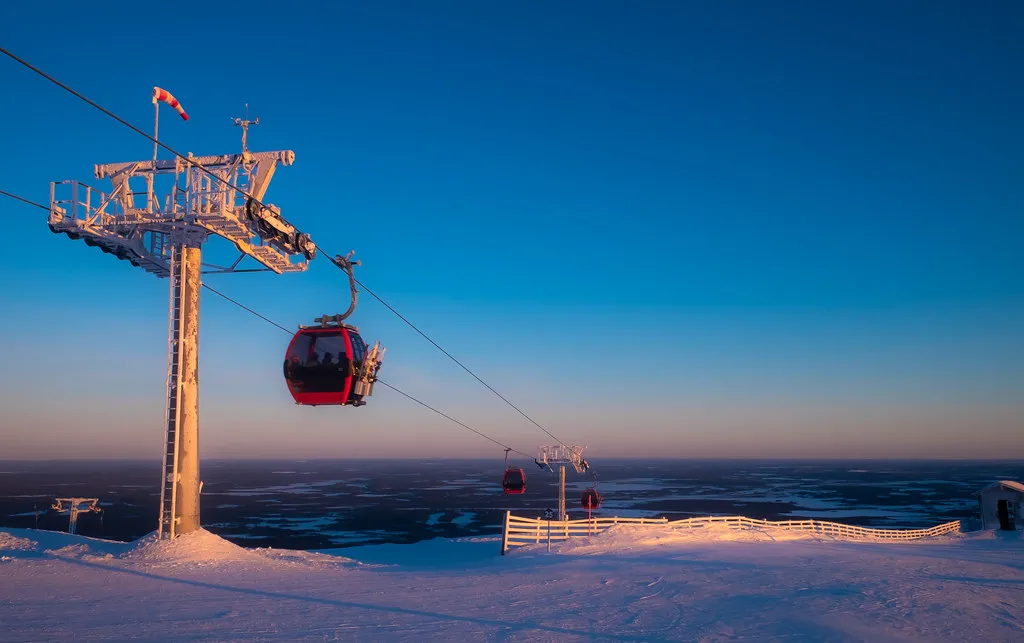
Smaller, local resorts can offer an experience that rivals their larger counterparts, but with much shorter wait times. They rarely appear in the lift-line complaints that circulate on social media every February.
Roughly twelve percent of resorts globally see about 73 percent of all skier visits. That concentration is exactly why the remaining resorts can feel refreshingly uncrowded even during peak season. If your priority is time on snow rather than mountain scale, a lesser-known resort visited on a Tuesday morning is hard to beat.
The Takeaway
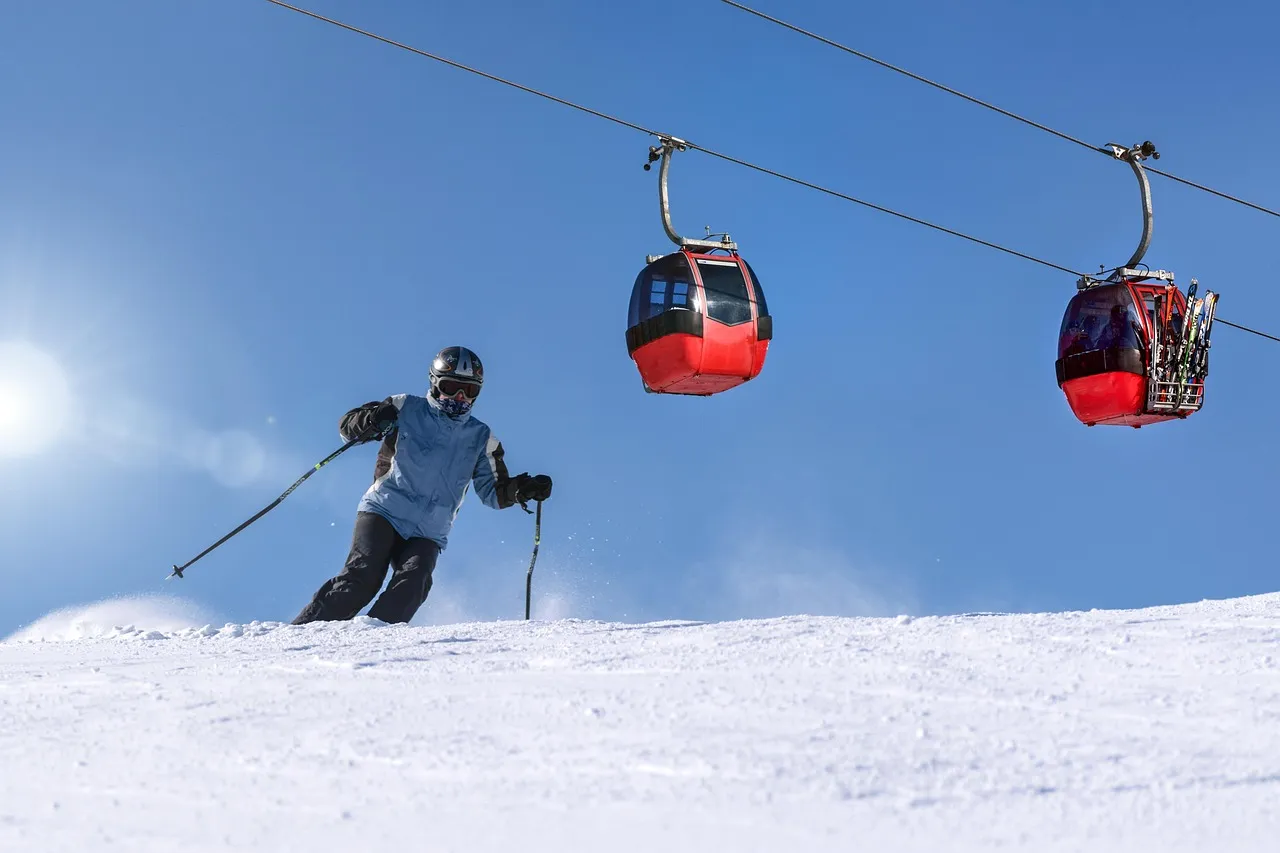
The single time slot that consistently delivers the shortest lift lines, across resort types and crowd levels, is the first two hours after opening combined with the afternoon window after 2:30 PM. Crowds peak between 10 AM and 2 PM, then thin noticeably after 2:30 PM as families head in.
The difference between a great ski day and a miserable one often comes down to which day of the week you choose, not which resort. Timing is a skill, and the people who work those lifts every day already know it. Now you do too.
AI Disclaimer: This article was created with the assistance of AI tools and reviewed by a human editor.