
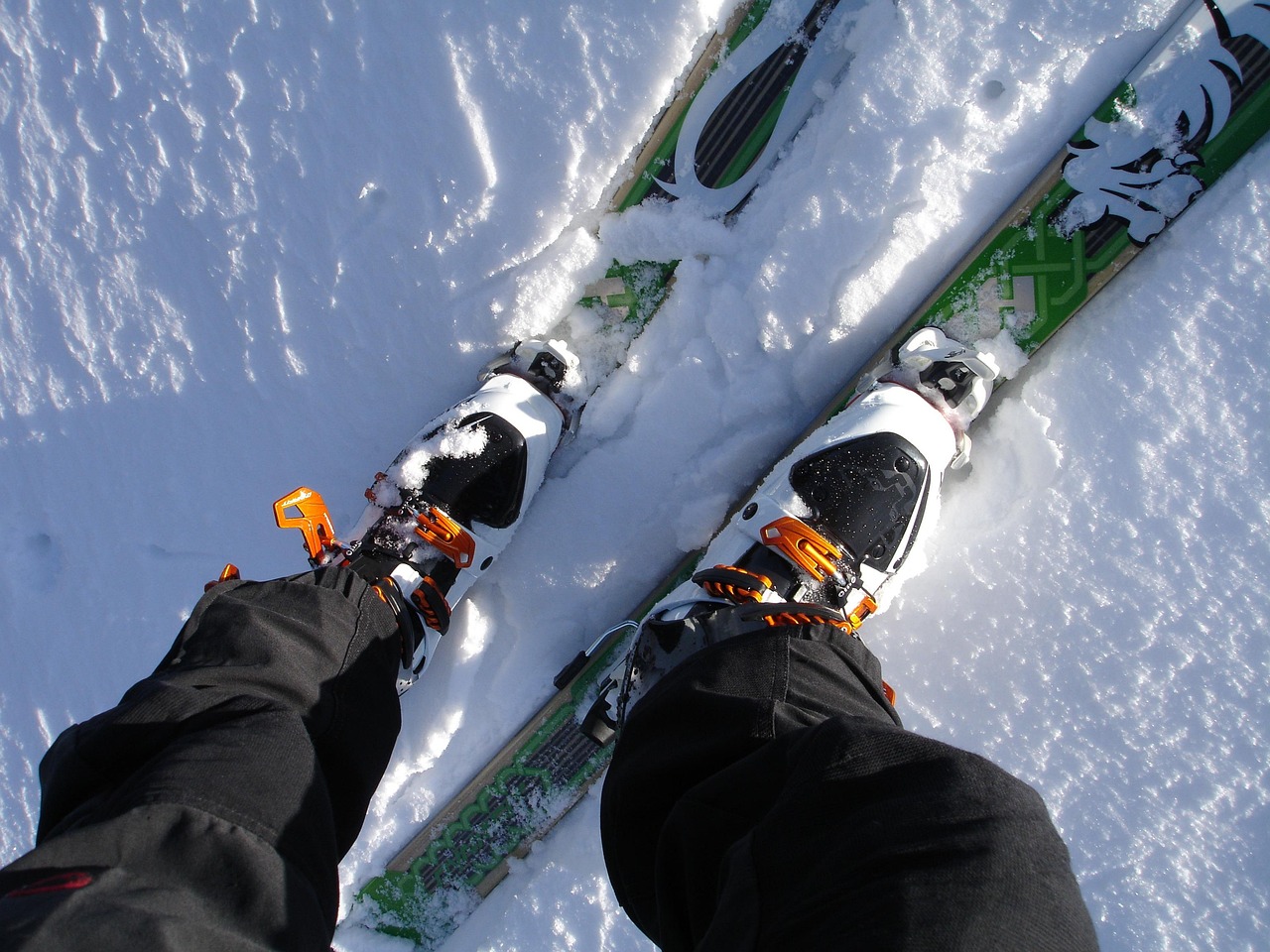

Every season, the same pattern plays out on mountains across North America and Europe. Tourists arrive excited, well-equipped on the outside, and completely unprepared for what the terrain actually demands of them. Ski patrol teams watch it happen daily, from their vantage points at the top of lifts and along the treeline, and the patterns are rarely random.
The numbers are sobering. The 2024 to 2025 season witnessed a historic peak in mountain traffic, with 61.6 million skier visits, and the record crowd volume coincided with a devastating spike in trauma, the highest number of catastrophic injuries reported in more than a decade. The root causes, however, go well beyond crowded slopes. Here are the ten most telling slope mistakes that ski patrol say cut trips short year after year.
Choosing a Run That’s Way Above Your Skill Level
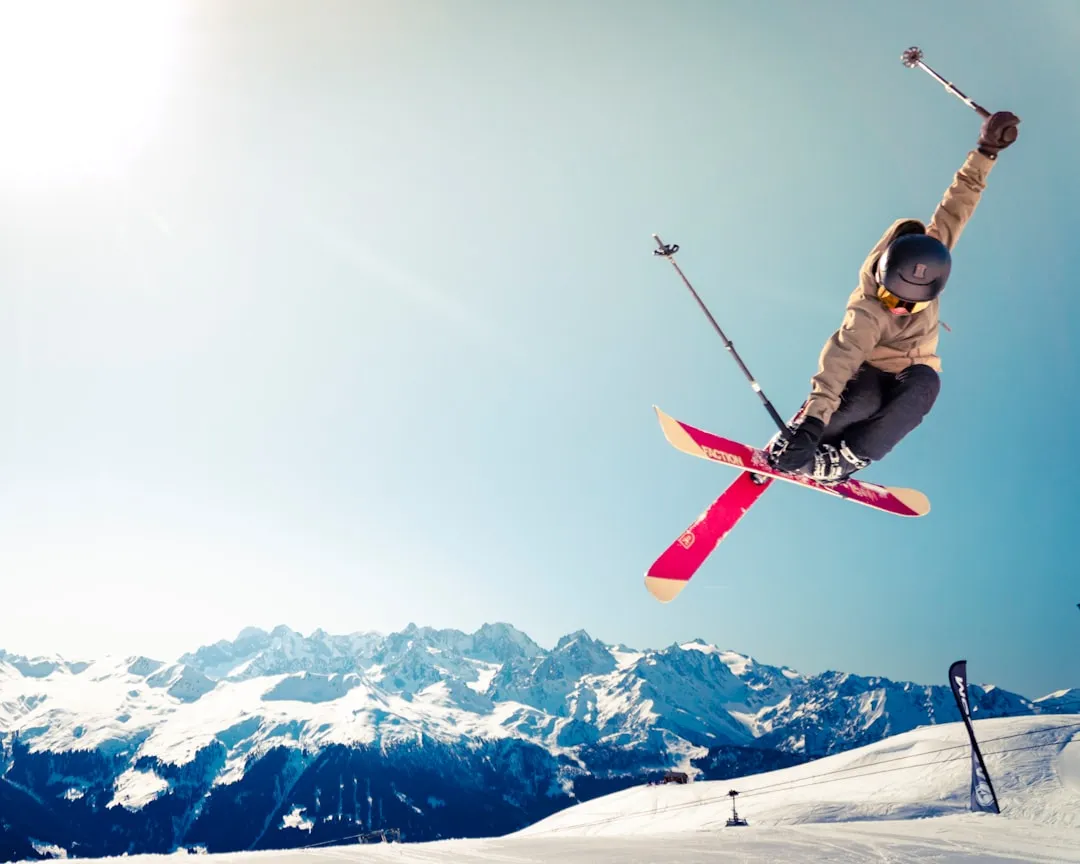
Experienced mountain staff consistently point to terrain misjudgment as one of the most destructive decisions a tourist can make on day one. The excitement of a new resort, combined with social pressure from a more capable group, pushes people onto runs they genuinely cannot handle. Staying within your skill and fitness levels is one of the most essential safety habits on the mountain, and you should ski or ride only where you are comfortable, without letting friends talk you into places that will get you into trouble.
Roughly three out of five ski injuries occur on intermediate blue slopes, with about three in ten happening on beginner green runs, and only about one in ten on advanced black runs. That statistic surprises most people. The belief that serious injuries only happen on expert terrain is one of the most persistent myths in skiing.
Inexperienced skiers with zero to two years of experience carry a risk of injury two and a half times higher than more seasoned riders, a figure documented in studies published in JAMA Network Open. Respecting the trail rating system is not timid. It’s the most intelligent thing a tourist can do on day one.
Skiing to Exhaustion Instead of Knowing When to Stop
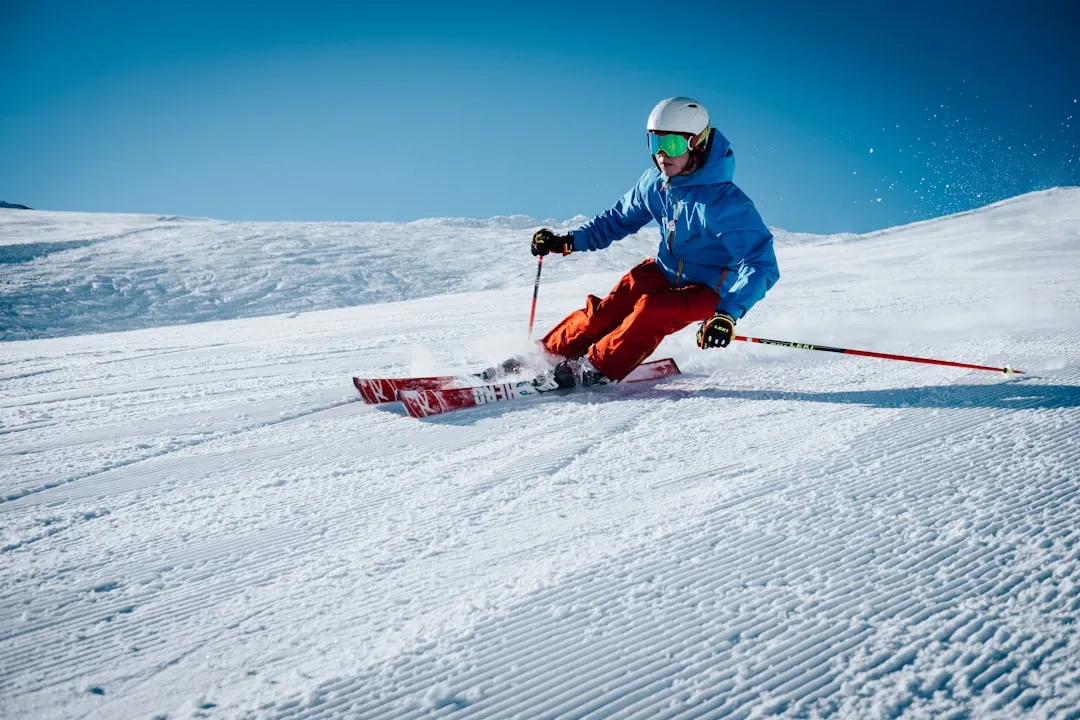
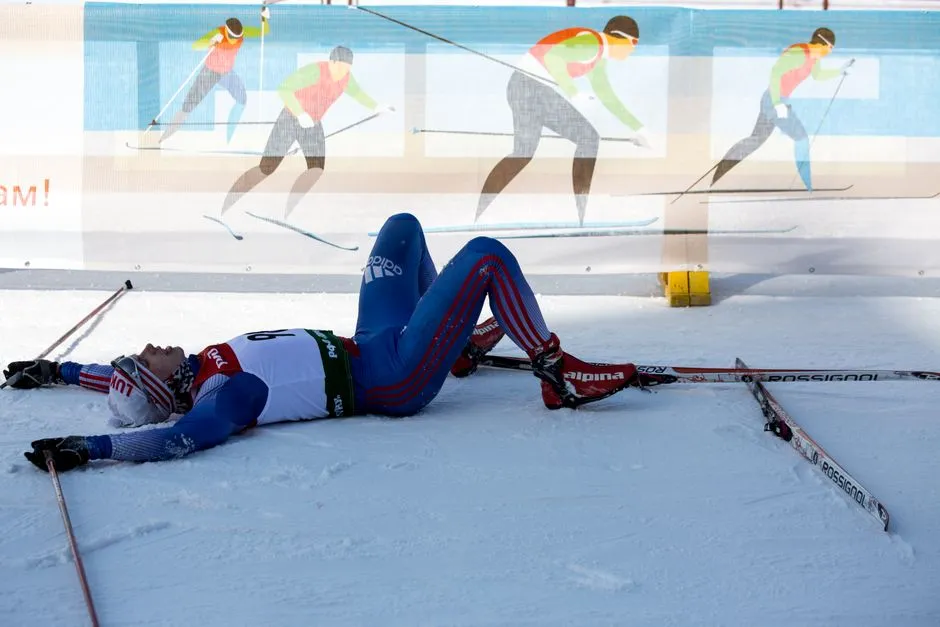
One consistent trend in ski patrol and emergency department data is the so-called “last run” effect. Injuries increase in the afternoon as fatigue sets in, muscles tire, coordination and reaction time decline, balance becomes less precise, and skiers may move faster than their reflexes can safely manage.
Fatigue affects your reflexes and decision-making, increasing the risk of accidents, and the clearest advice is to listen to your body and end the day before you are too tired to ski safely. Most tourists feel they need to extract maximum value from an expensive lift ticket by skiing every possible run until the lifts close. That instinct is understandable and regularly counterproductive.
According to University of Colorado physiology professor Robert Mazzeo, fatigue is one of the primary causes of falls, which are in turn the major cause of injuries on the slopes. The mountain is not going anywhere. Taking a long break in the early afternoon and finishing a few hours earlier is one of the simplest injury prevention choices available to any skier.
Skipping the Warm-Up on Cold Mornings
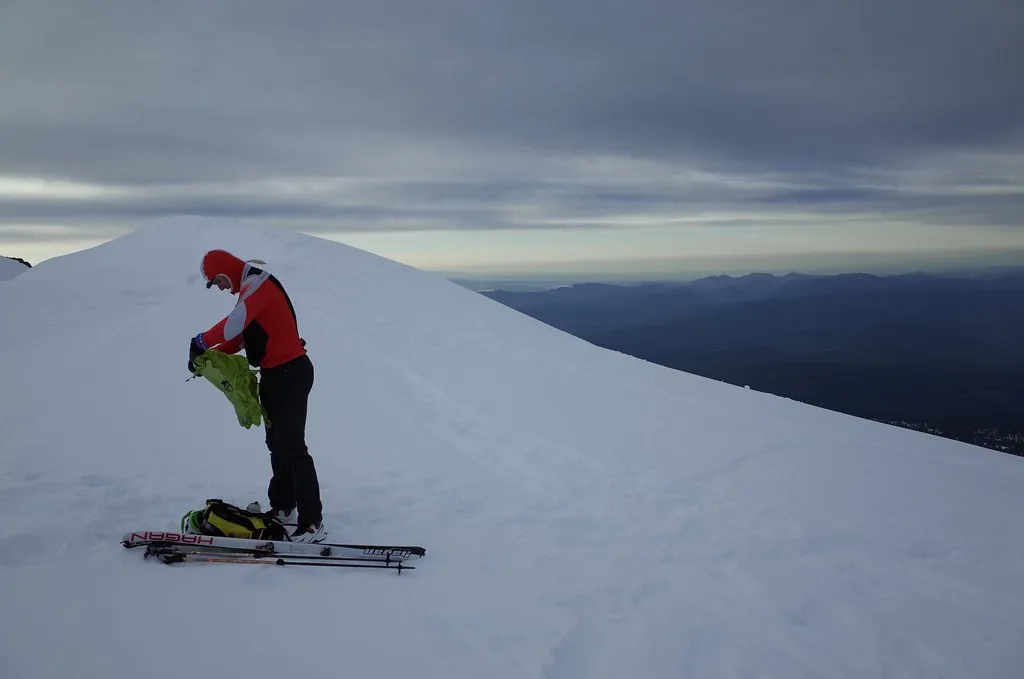
Many resort tourists roll off the gondola and immediately chase the steepest pitch on the mountain, still stiff from a cold morning and perhaps a late night in the lodge. Warming up properly before hitting the slopes is a genuine injury prevention measure, because cold muscles, ligaments, and tendons are measurably more susceptible to injury.
Checking weather and slope reports before skiing is also important, including monitoring the forecast for snow conditions, temperature changes, and visibility levels, avoiding skiing during icy mornings or whiteout conditions without sufficient experience, and understanding how different conditions affect terrain.
Starting easy is not wasted time. A gentle first run at slower pace warms the body and gives you a realistic read of the day’s conditions before committing to anything more demanding.
Ignoring the “Intermediate Trap” on Blue Runs
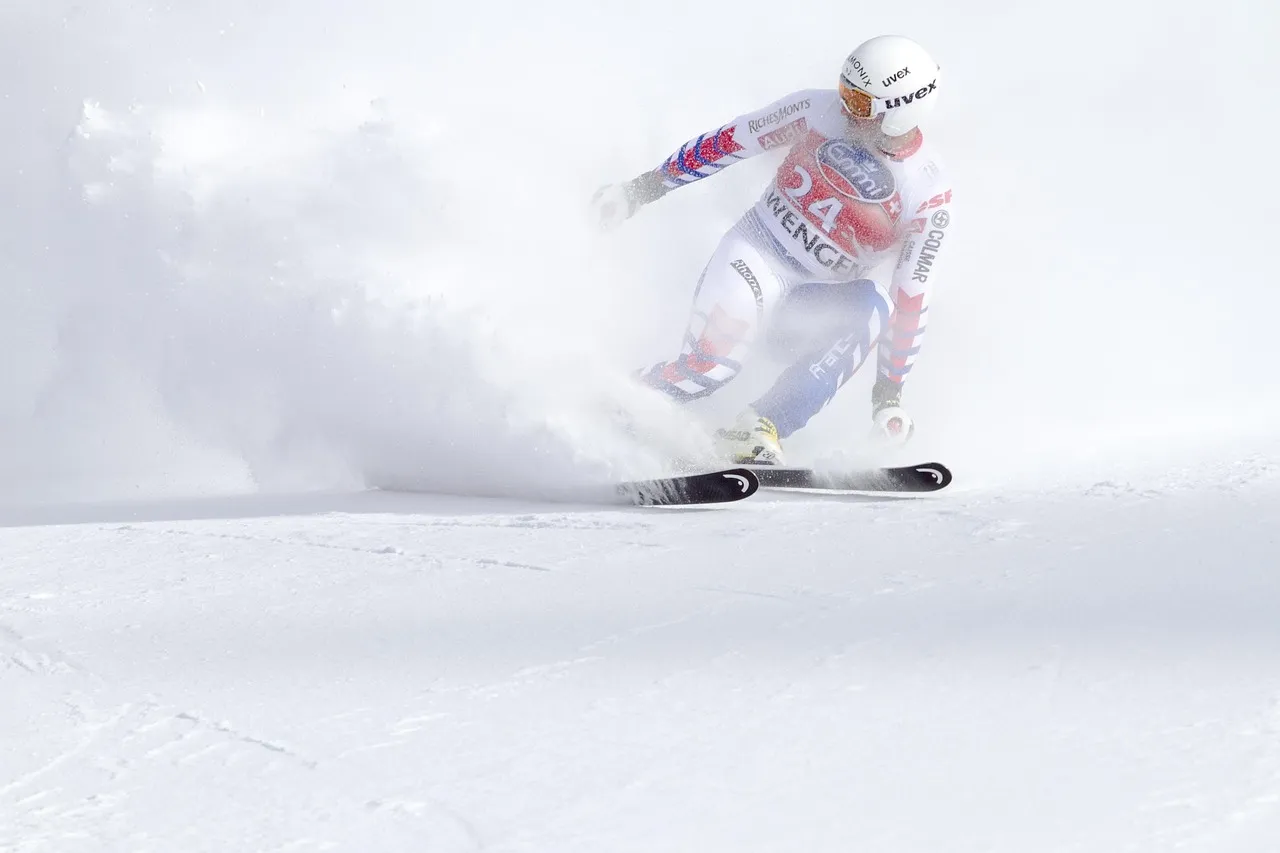
The intermediate level is where the data consistently shows the highest concentration of serious incidents. Of the fatal accidents recorded in the 2023 to 2024 season, 19 occurred on the most difficult intermediate terrain and one on freestyle terrain. Tourists who have recently graduated from beginner runs often carry a false confidence that has not yet been tested by genuinely challenging snow or speed.
Overconfidence among intermediate skiers increases injury risk by roughly 2.2 times compared to more measured riders at the same ability level, according to verified skiing injury data. The jump from green to blue feels manageable right until conditions shift, ice appears, or a faster skier appears from around a blind corner. Many accidents are preventable when participants maintain control, follow slope safety rules, and stay within their ability level.
Colliding with Trees by Skiing Off-Piste Without the Right Skills
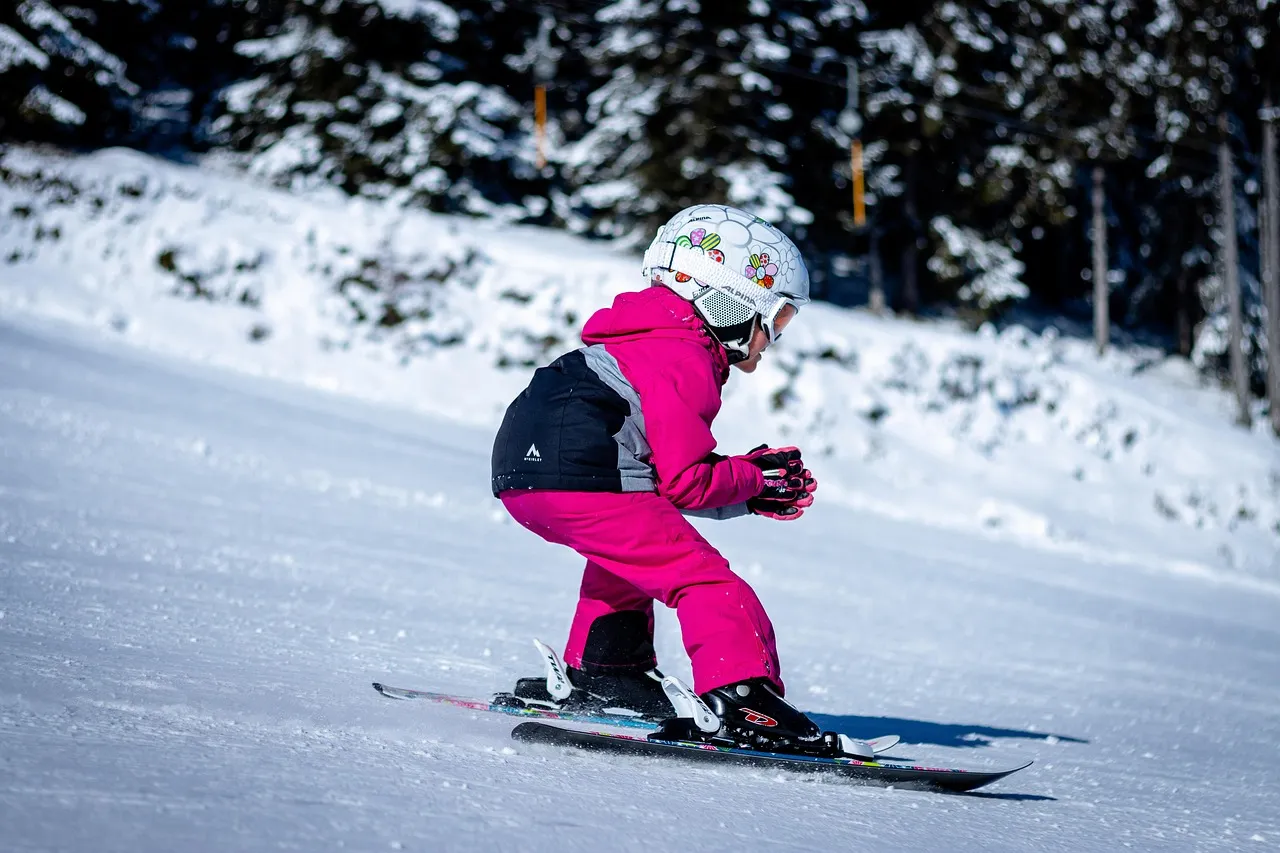
The treeline is one of the most tempting and most dangerous spaces on any mountain. While many assume the majority of fatalities are caused by head injuries from falls, experts say the most common cause of death is actually skiers hitting trees at high speeds. That particular fact shifts the picture considerably for anyone who romanticizes a quick detour into the trees.
Collisions with trees were the major cause of fatalities in the 2023 to 2024 season, accounting for nearly half of all deaths. Even the most advanced helmets offer limited protection at high speed against a fixed object. Tree skiing is linked to roughly more than a quarter of lower leg fractures according to compiled ski patrol log data.
Patrol teams regularly urge recreational tourists to treat tree runs with a level of respect usually reserved for black diamond terrain, regardless of how inviting the fresh powder between the pines looks from the groomed trail.
Mismanaging Equipment, Especially Binding Settings
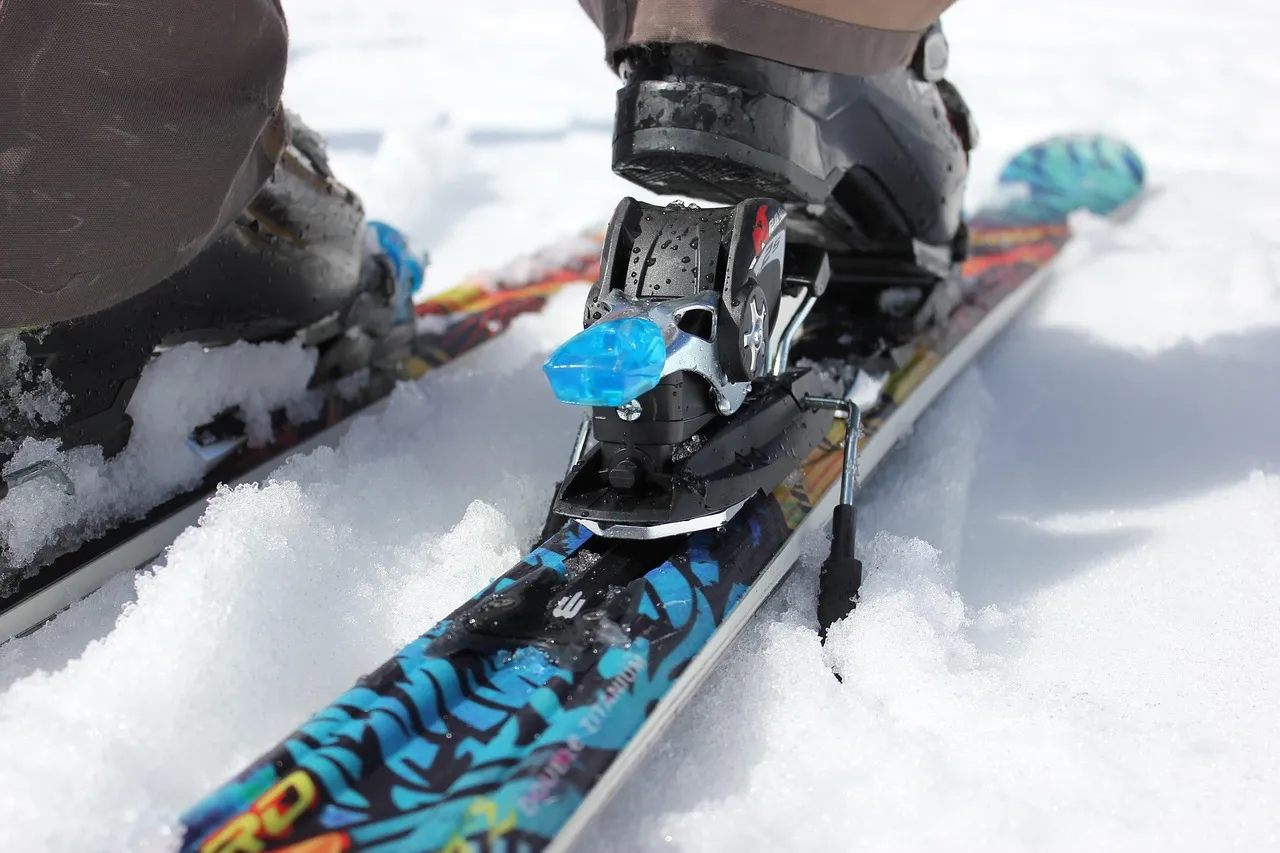
Bindings are the mechanical safety net between a skier’s boot and the ski. When they are set incorrectly, that safety net disappears. Any binding that operates beyond its normal specifications can fail to release in critical moments, raising the danger of serious injury, and if set too loose, a skier might lose a ski unexpectedly in dangerous terrain.
Since the introduction of short, shaped carving skis in the late 1990s, the overall injury rate in alpine recreational skiing has declined, but the nature and severity of knee injuries has changed, with the anterior cruciate ligament now the most commonly injured major structure. Tourist skiers who rent equipment without asking for a proper DIN setting check, or who use last season’s personal bindings without a service check, are taking on a risk they probably don’t realize is there.
As you get ready to hit the slopes, check your skis or snowboard and ensure your equipment functions properly, because malfunctioning bindings can ruin your day, and having a local shop do a function test is straightforward and worthwhile.
Skiing Impaired After Lunch at the Mountain Restaurant
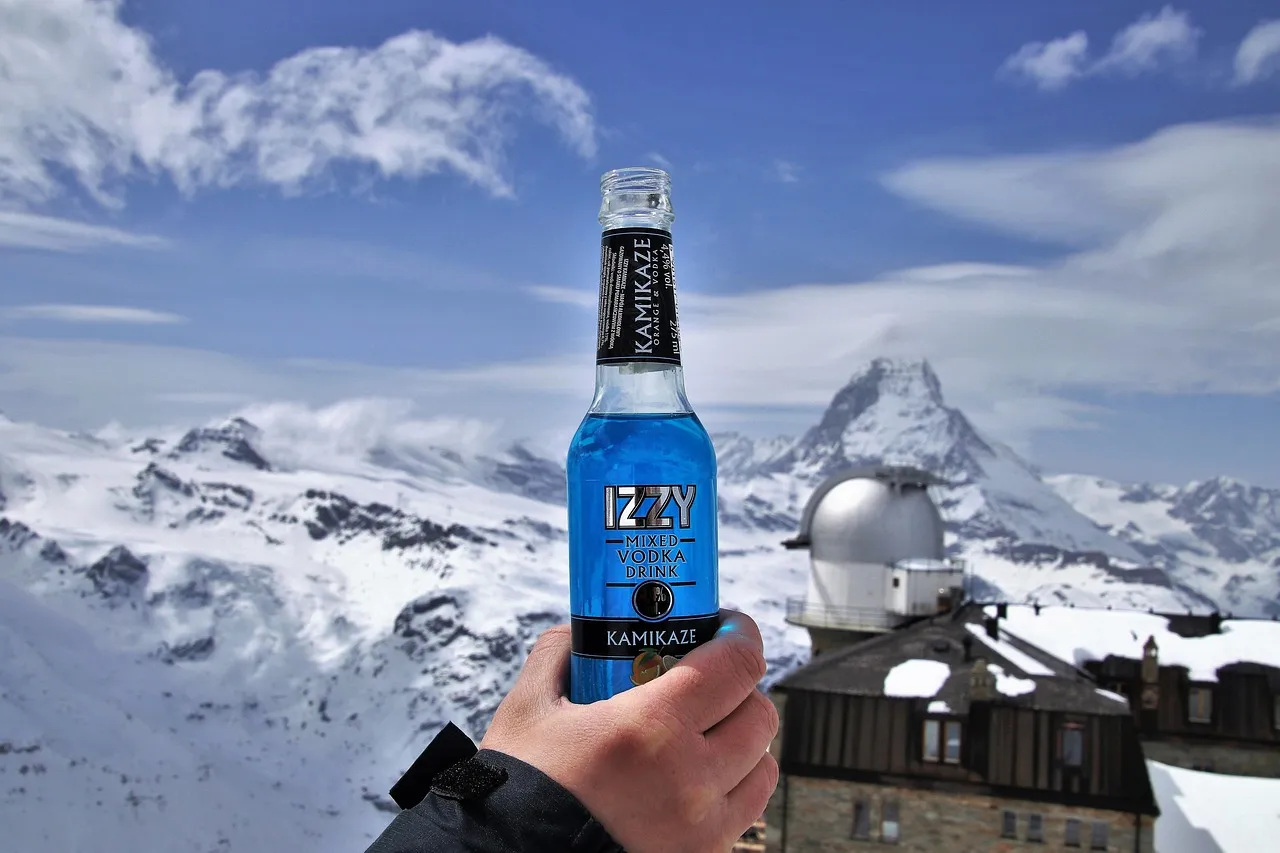
Apres-ski culture is a genuine and beloved part of mountain life. The problem begins when that culture bleeds into the actual skiing hours rather than following them. Alcohol contributes meaningfully to injury risk, and even a beer at lunch can impair coordination, judgment, and reaction time in ways that are amplified at altitude, with trauma data consistently showing alcohol involved in a disproportionate number of skiing injuries, particularly collisions.
Avoiding skiing or riding while impaired by alcohol or drugs is among the most important safety considerations on any mountain, because even small amounts affect balance, reaction time, and judgment, and many accidents happen specifically on final runs when reduced focus and exhaustion combine.
Not Wearing a Properly Fitted Helmet, or Wearing One Incorrectly
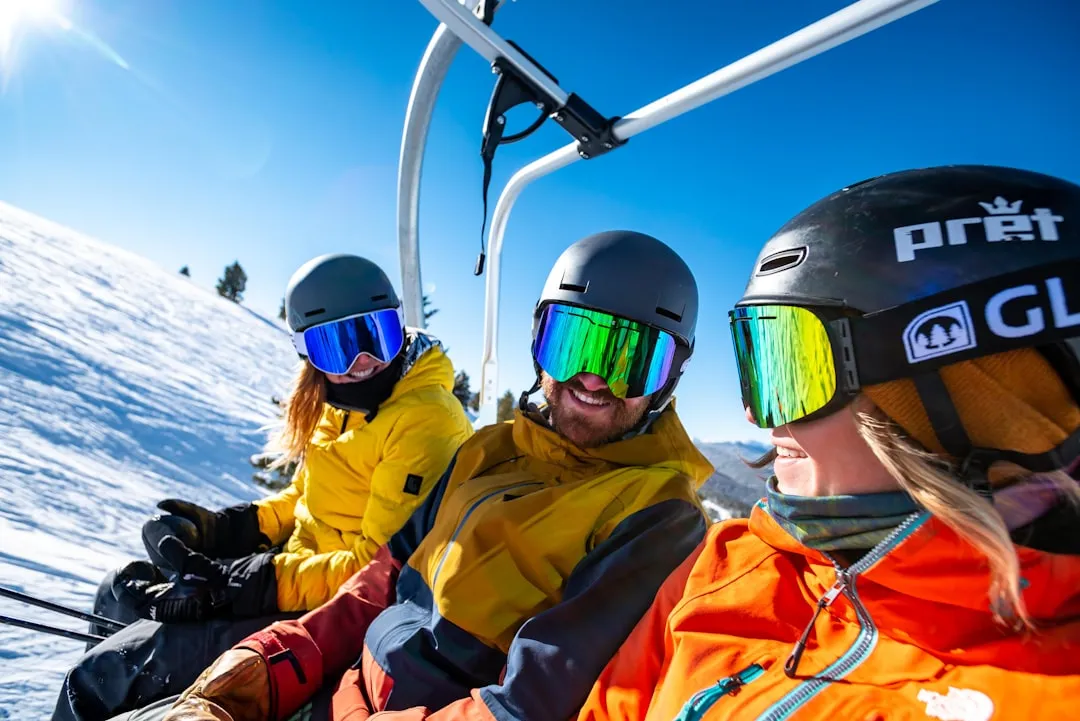
Helmet adoption has improved significantly in recent years, which genuinely shows in the data. Helmet use significantly reduces the risk of head injuries in skiing by between 22 and 60 percent, and the majority of skiers and snowboarders, around 87 percent, did wear helmets during the 2023 to 2024 season. The challenge now is not adoption so much as proper use.
A helmet with a loose or improper fit reduces its protective efficacy by roughly 40 percent, a figure that underlines how critical proper fitting is. Many tourists try on a rental helmet, feel a basic sense of snugness, and assume that’s sufficient. Ski patrol see helmets sitting too far back on foreheads, with loose chin straps, on a regular basis. Both minor and major head injuries are common regardless of skiing and riding ability, and wearing a properly fitted helmet significantly reduces the risk of injury out on the slopes.
Losing Situational Awareness on Busy Runs
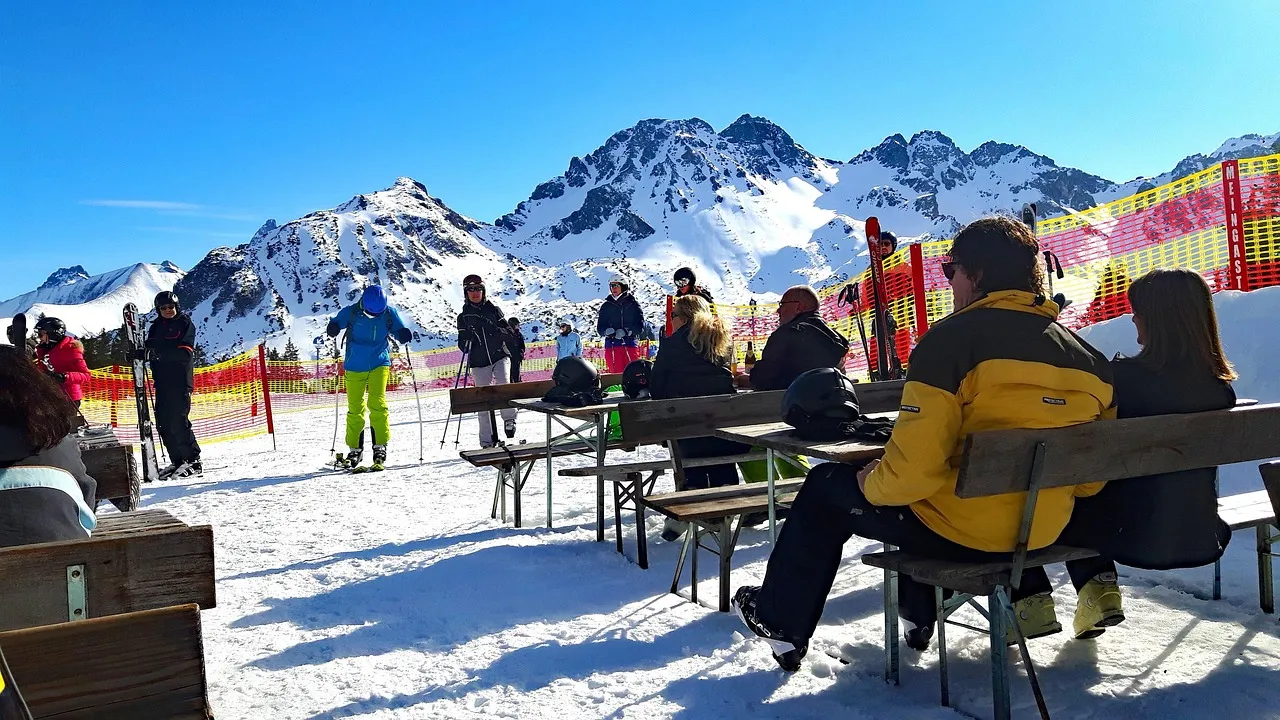
Crowded slopes create a uniquely unpredictable environment, especially during peak holiday periods. Many accidents occur not because of the sport itself but due to the actions of other skiers and snowboarders, including reckless speed, loss of control, or failure to follow slope etiquette, and these incidents can lead to serious injuries with lasting consequences.
Phone distraction has been identified as a contributing factor in roughly one in ten collisions on the slopes. A skier who is checking a trail map on their phone, or who is wearing headphones loud enough to miss the sound of faster skiers approaching from behind, is a hazard to everyone around them. Loss of control is one of the most common causes of ski accidents, especially on busy runs where conditions and traffic can change quickly, and speed should be adjusted based on visibility, snow conditions, terrain, and the number of skiers around you.
Group skiing increases collision odds by roughly 45 percent compared to skiing individually, partly because social dynamics within groups often lead to reduced individual awareness of other mountain users.
Skipping Lessons and Assuming Natural Ability Is Enough
Perhaps the most consistent observation shared by ski patrol teams is that tourists who skip professional instruction are the ones most likely to develop dangerous habits that eventually catch up with them. Poor instruction and skier inexperience, alongside bad conditions and damaged equipment, account for a large share of slope injuries according to the National Ski Areas Association.
Professional instruction is not just for beginners, and even seasoned skiers benefit from a refresher or advanced technique course, especially when learning powder, moguls, or terrain park features, with certified instructors able to improve form while reinforcing safety best practices.
First-day skiing has been associated with up to 50 percent higher injury rates compared to subsequent days on the mountain. That figure alone makes a case for at least a half-day lesson at the start of any ski holiday, not as an admission of weakness, but as a straightforward investment in making the rest of the trip possible.
The Takeaway
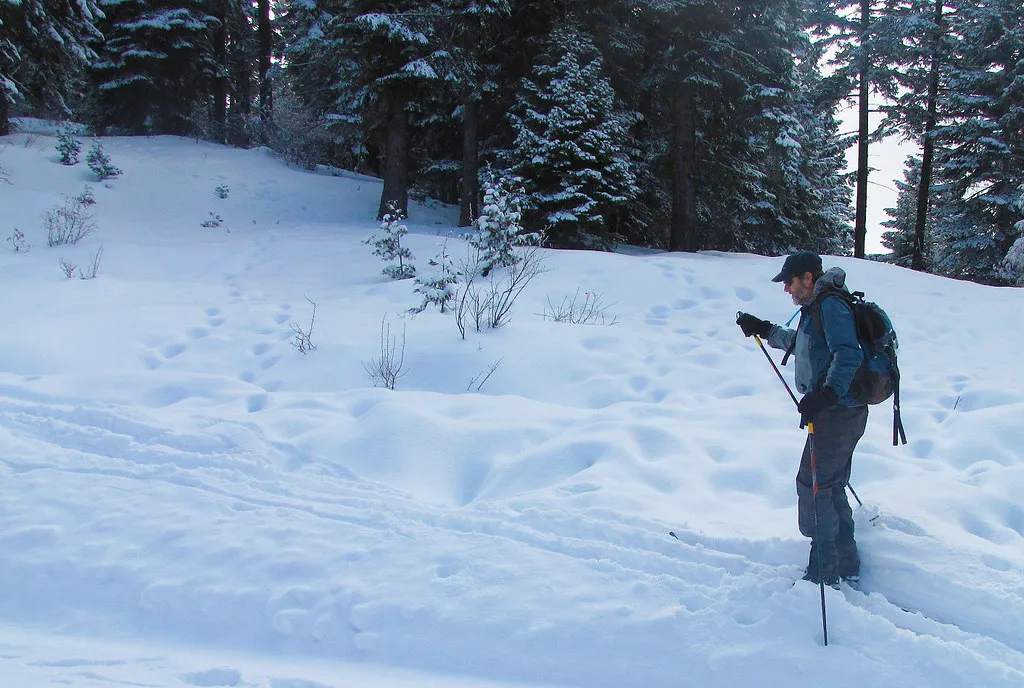
The mountain does not change its nature for tourists. It presents the same terrain, the same physics, and the same margin for error regardless of how expensive the gear is or how long someone has been planning the trip. The 2024 to 2025 season saw 63 catastrophic injuries on U.S. ski slopes, a significant increase over the industry’s ten-year average.
What ski patrol see most often is not bad luck. It is avoidable decisions made in the first few hours of a trip that define whether a skier finishes the week on the mountain or in a clinic. To ski safely is to humbly accept that a well-tuned machine, a conditioned body, and a prudent respect for your own limits are your best defense against a mountain that is equal parts winter playground and statistically unforgiving environment.
The skiers who make it to the last run of the last day are almost never the boldest ones. They’re the ones who paid attention, took their breaks, and chose their terrain honestly from the start.
AI Disclaimer: This article was created with the assistance of AI tools and reviewed by a human editor.