

There’s a quiet art to sleeping well on a moving train. Most passengers board, find their berth, and hope for the best. Experienced riders know better. The people who actually hold the keys to a more comfortable overnight journey aren’t the booking systems or the ticket agents – they’re the attendants who work the cars through the night, long after most passengers have closed their eyes.
Sleeper train travel is genuinely having a moment. According to market research, the global sleeper train travel market stood at roughly 34.7 billion USD in 2024, reflecting a robust resurgence in demand for overnight rail journeys worldwide. With that growth comes a new generation of travelers learning, sometimes the hard way, what separates a restless night from a genuinely restorative one. The answers, it turns out, often start with a single well-placed request at boarding.
Ask for the Lower Berth – Before Someone Else Does

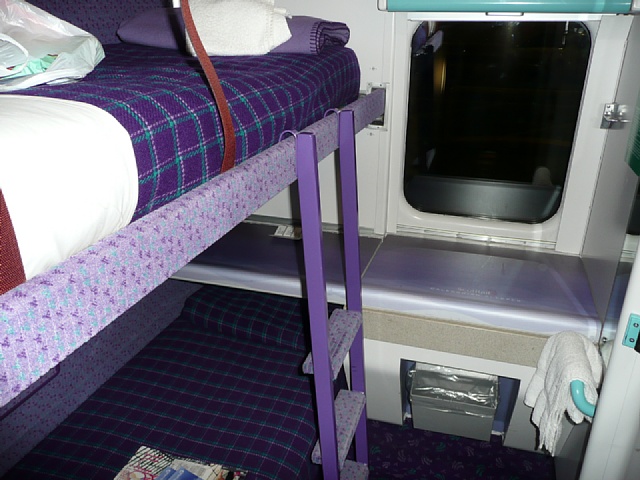
The lower bunk is the most consistently requested sleeping position on any overnight train, and for good reason. Tickets are typically priced slightly cheaper for upper berths than for the more desired lower berths, which tells you everything about how passengers feel about the climb. Getting to the lower berth early matters – simply mentioning your preference directly to your attendant at boarding, not just at the booking stage, can make the difference when assignments have flexibility.
Climbing a ladder in a moving train car at night is harder than it looks, even for people who feel steady on solid ground. Attendants notice this quickly, and in shared or multi-berth rooms, one passenger sometimes has to ask the other to swap. Being direct about the request early, rather than waiting until midnight, keeps things smooth for everyone involved.
Request Your Bed Turndown at a Specific Time

This is one of the least-known practical upgrades on any sleeper service. Most passengers assume bed turndown just happens automatically. It doesn’t. Attendants typically let passengers know when they plan to turn in, then ask what time each guest wants their bed made up and later put away. Giving a precise answer rather than a vague one means the attendant can plan their rounds efficiently, and you get a made bed waiting for you exactly when you want it.
Attendants who’ve worked sleeper cars for years know that many passengers move slowly getting settled for the night, so many will convert the room from daytime seats into a made bed while the passenger is still at dinner, without ever being asked. The simple act of communicating your intended schedule removes all the guesswork from both sides.
Mention a Special Meal Request Well in Advance
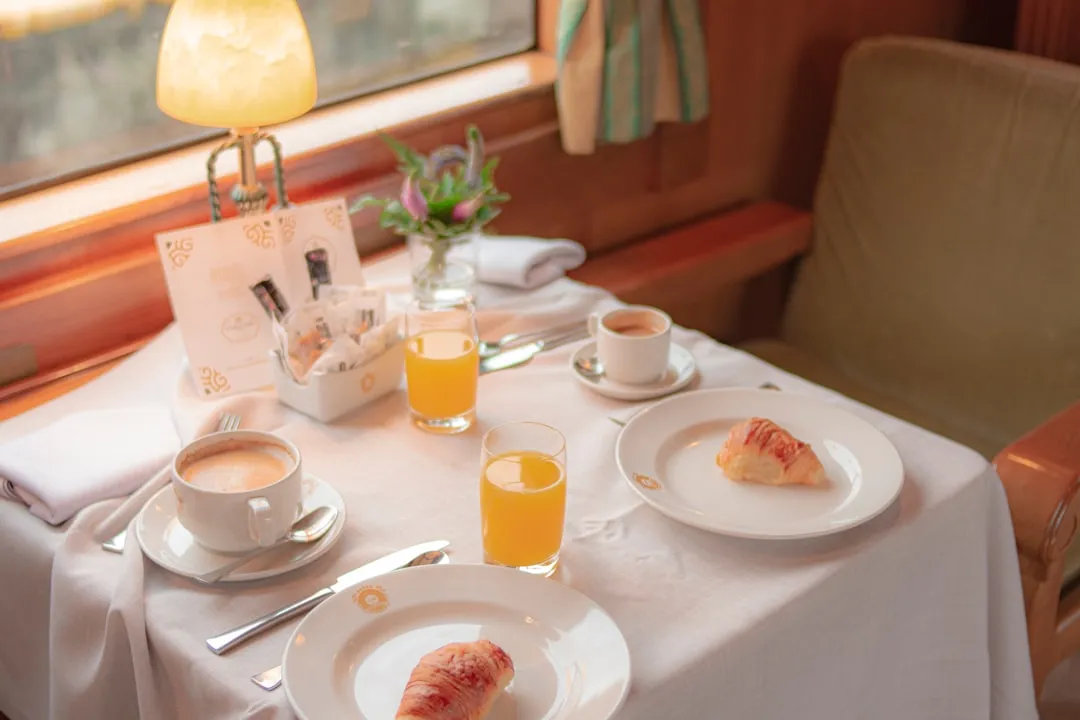
Food on overnight trains is more customizable than most passengers realize, but the window to ask is tighter than you’d expect. Special requests for meals on services like Austria’s Nightjet – for example, a gluten-free breakfast – need to be sent to the catering provider at least 72 hours before departure. That’s a detail buried deep in the booking process, and most first-time riders miss it entirely.
Deluxe cabins and luxury suites often include complimentary meals served in your room or a dining car, while budget classes usually have access to a café car. Knowing which tier you’re in ahead of time lets you plan accordingly and ask the attendant exactly what’s available to you rather than discovering the options only after the kitchen has closed.
Specify a Wake-Up Time for Early Arrivals
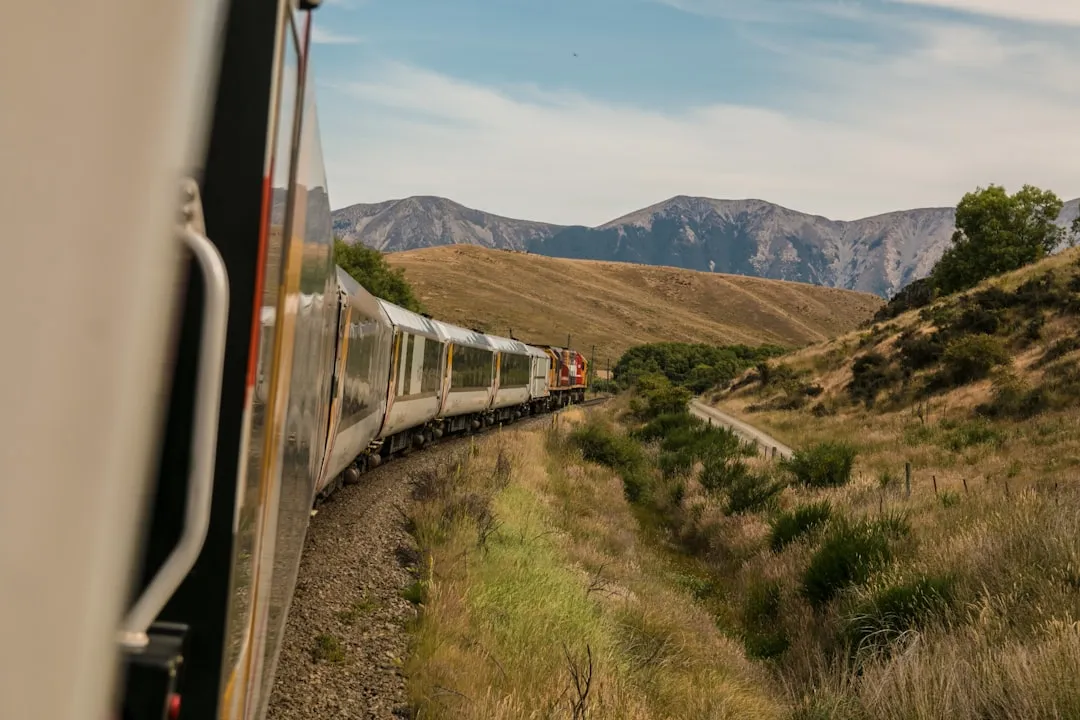
Overnight trains often pull into destinations during the early hours, sometimes before five in the morning. If you don’t communicate when you need to be up, your attendant has no reliable way of helping you catch your stop. Many experienced riders ask for a personal knock from the attendant, treating it like a hotel wake-up call, and most attendants on well-run services are genuinely happy to oblige.
A typical overnight journey starts with an evening departure, passengers settle in, perhaps visit the dining car, and return to their cabins to sleep. The morning can feel disorienting, especially on routes that cross time zones or arrive before sunrise. A confirmed wake-up arrangement removes one of the most stressful unknowns of overnight rail travel.
Ask About the En-Suite Cabin Upgrade at Boarding
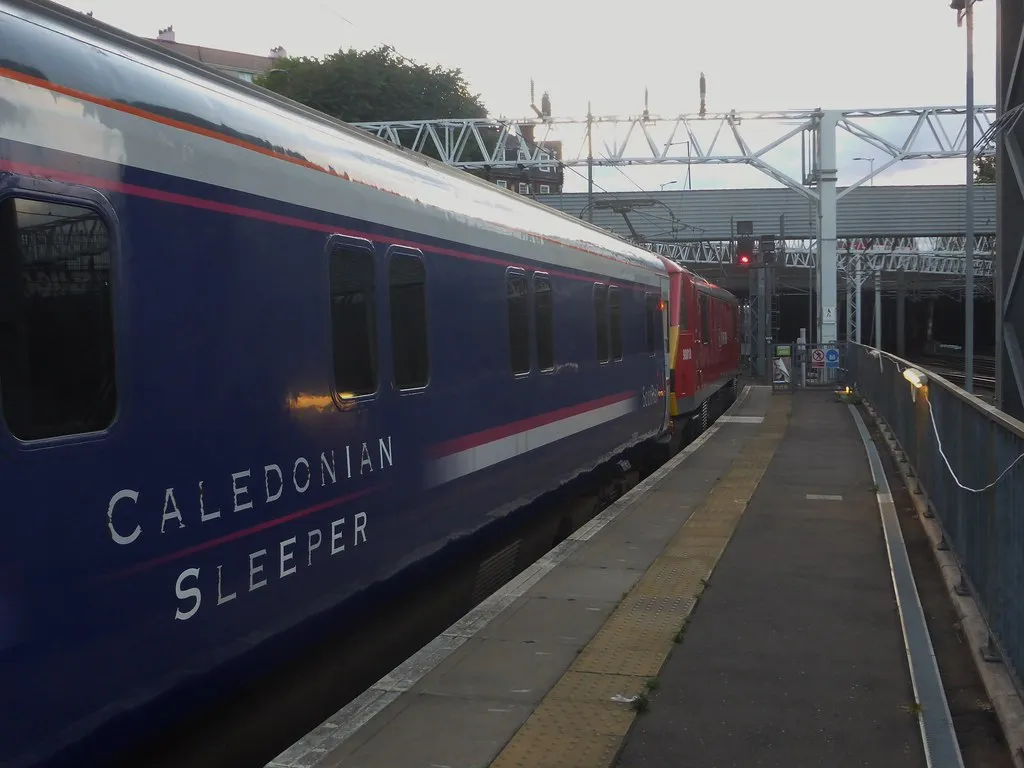
Most travelers assume that the cabin class on their ticket is fixed. In practice, availability shifts right up until departure, and the attendant or station agent often knows what’s still open. If you’d like to upgrade to a cabin with a toilet and shower, asking in advance or at boarding allows staff to check if the upgrade is available on your route at an additional price. It’s a straightforward conversation that many passengers simply never have.
Many sleeper trains will sell out of cabins a long way ahead of departure, especially during peak summer and autumn. Where trains offer en-suite cabins, these will be even more limited – not all cabins will be en-suite. The earlier you ask – ideally during booking, with a follow-up question at boarding – the better your chances of securing one of the more comfortable private setups.
Request Temperature Adjustments Thoughtfully

Sleeper cabins can run cold overnight, particularly on long European or North American routes. The temperature control question is a delicate one, because it affects more than just your cabin. Asking attendants to turn off the entire car’s air conditioning isn’t appropriate – you won’t be the only passenger aboard, and others may prefer the cooler temperature. A more effective approach is to ask specifically about the controls within your individual cabin or compartment.
Sleeper cabins can run cold overnight, and attendants who’ve worked the same route for years will often nudge the climate controls in a passenger’s room slightly warmer before turndown, especially once they notice someone reaching for every blanket in sight. It’s a judgment call, not a policy. Simply letting your attendant know you tend to sleep cold, early in the journey, is enough of a prompt for attentive staff to act on it quietly.
Ask Which End of the Car Is Quietest
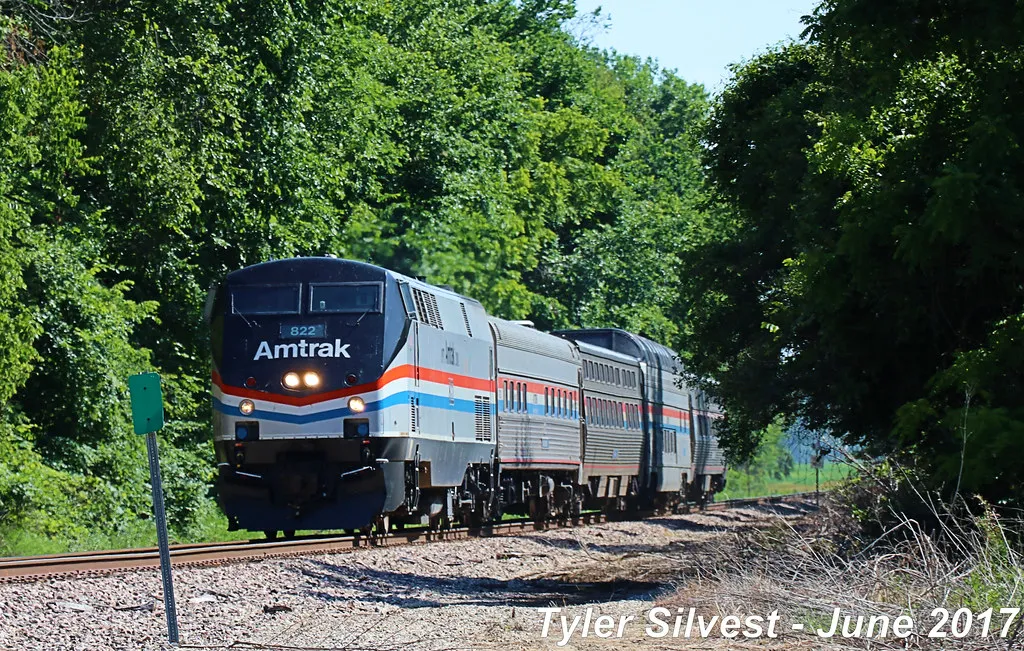
Overnight train travel is eco-friendly, efficient, and even a little romantic, but one thing sleeper trains usually are not is quiet. If you end up sharing a room with other passengers, noise from talking, rummaging, or devices is almost guaranteed. What most passengers don’t realize is that the physical position of your cabin within the carriage also affects how much corridor noise you’ll hear through the night.
Attendants who’ve worked the same routes repeatedly know exactly which cabins sit near the toilet, the vestibule door, or the dining car connection – all significant sources of foot traffic after midnight. Asking directly which compartment tends to be quietest is a practical, easy request that costs nothing and can meaningfully improve your sleep quality. Temperature and bunk type aren’t the only variables worth asking about – for passengers with a genuine need for quiet, it helps to know what’s available in terms of sleeping options before settling in.
Communicate Passport Needs on Cross-Border Routes
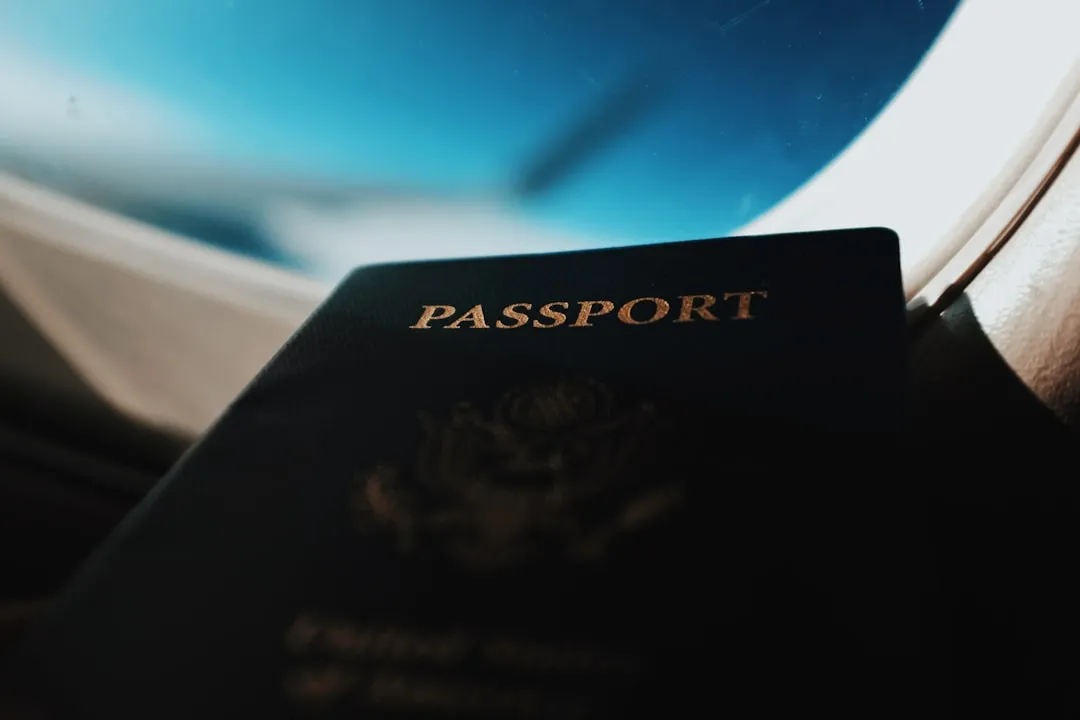
For international sleeper journeys, border crossings in the middle of the night are a reality that catches many passengers off guard. Crossing a border overnight is rarely the peaceful experience people expect. Attendants who regularly work international routes know the approximate crossing times and can alert you in advance so you’re not startled awake by an officer at your cabin door at two in the morning.
Mentioning to your attendant that you’d appreciate a heads-up before a border check is a completely reasonable request. It allows you to keep your passport in an accessible spot rather than buried at the bottom of your bag, and it means the crossing happens with minimal disruption to your sleep. Small logistics like this are exactly the kind of thing experienced attendants manage quietly every night.
Ask About Snacks and Drinks Before the Café Car Closes

You will often be able to purchase snacks and drinks from your sleeper attendant, and many sleeper trains feature restaurant cars where you can tuck into full meals or snacks. The complication is timing. Dining cars typically close well before the train reaches its final overnight stretch, and passengers who ask too late often find their options limited to whatever they packed themselves.
Passengers can place an order with train attendants for drinks and warm or cold snacks using the menu in the compartment, which is a feature many riders overlook entirely. Asking your attendant at boarding what the food and drink service schedule looks like that evening – including when last orders are taken – means you won’t be searching for something to eat at eleven at night with nothing available.
Tip Early and Be Specific About Your Needs
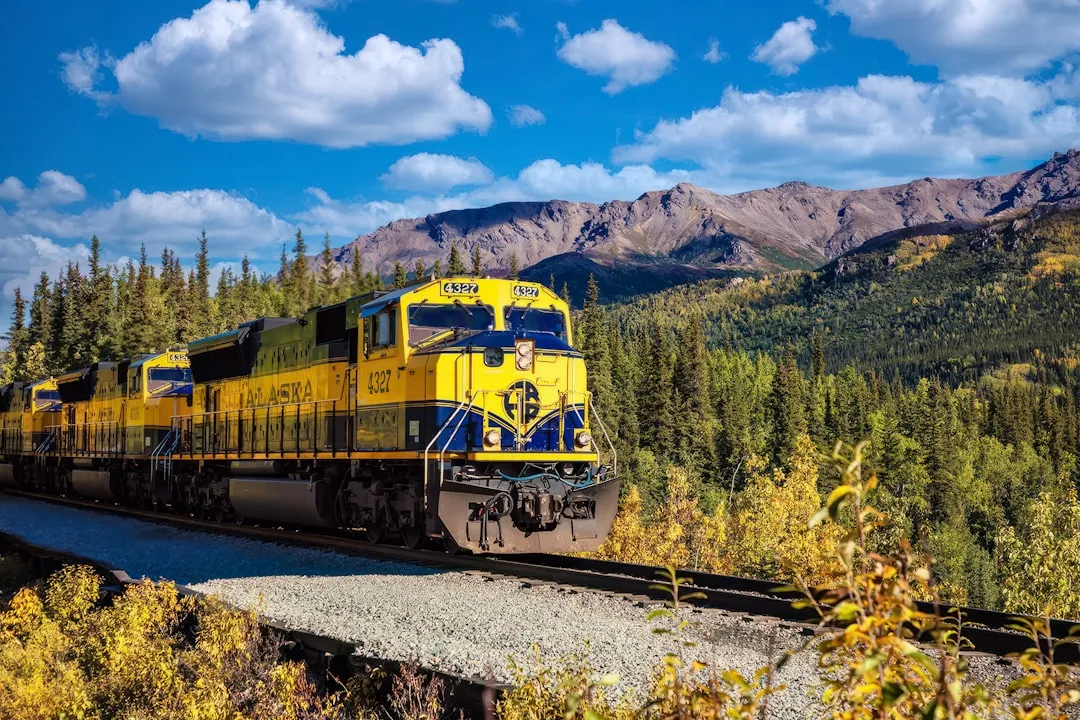
Experienced sleeper train riders tend to have one habit in common: they introduce themselves to the attendant early and communicate their specific needs upfront. What separates regulars from rookies isn’t money or luck – it’s a set of small, almost invisible habits that staff say they can spot within the first ten minutes of boarding. Tipping at the start of the journey rather than at the end signals that you understand the attendant’s role and value their service.
A standard tip runs around five dollars per room, per night for basic attendant service, with roughly double that for extra requests like items fetched from the lounge car. Many regulars tip part of it upfront, then settle the rest at the end. Beyond the monetary gesture, what matters most is a brief, clear conversation at the start: what time you’d like your bed made, whether you run cold, what stop you’re getting off at, and whether you’d like a wake-up. That one exchange, handled well, does more for your overnight comfort than any amenity upgrade ever could.
The Takeaway
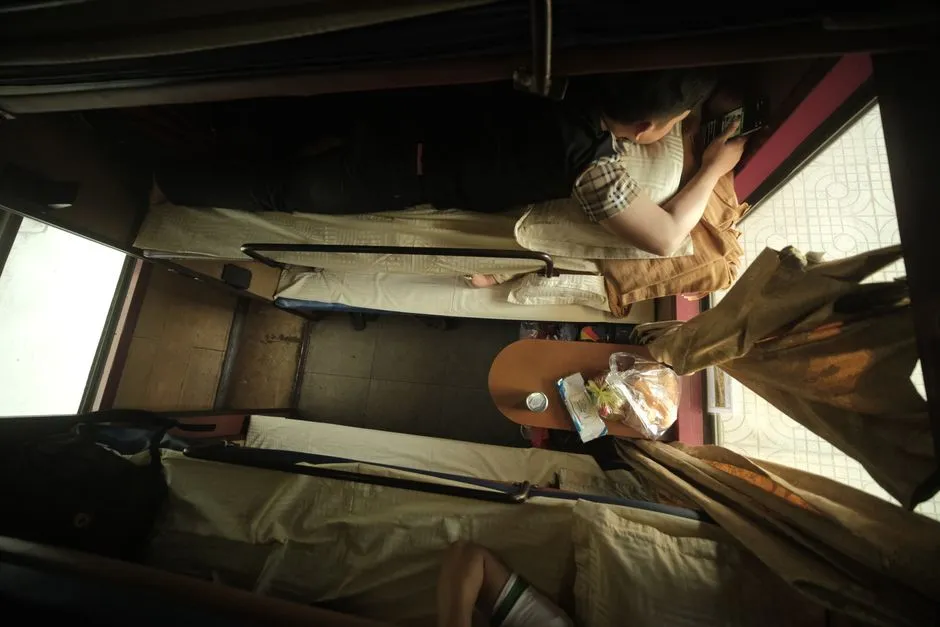
A sleeper train cabin is a small, shared world with its own logic and its own rhythms. The people who navigate it best aren’t necessarily the ones with the most expensive ticket. Sleeper trains are highly recommended for adaptable travelers who view the journey as part of the adventure. That mindset, combined with a few well-timed, specific requests to your attendant, is what genuinely upgrades the night.
The revival of overnight rail is well underway. Several new and revived night train routes launched in 2024 and 2025, and more routes are on the horizon for 2026 as rail operators plan to connect dozens of cities with comfortable overnight links. More people will be sleeping on trains in the coming years than at any point in recent memory. Knowing how to ask the right questions when you board puts you well ahead of the crowd.
AI Disclaimer: This article was created with the assistance of AI tools and reviewed by a human editor.