
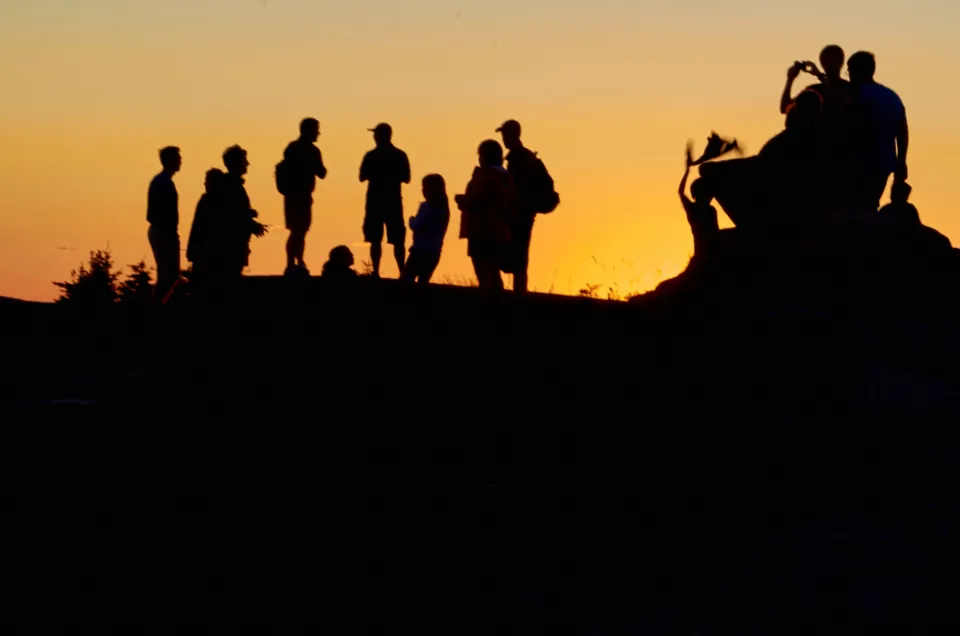

There is something genuinely humbling about reaching a ridge line where the air grows thin and the horizon stretches farther than you imagined possible. High-altitude hiking draws millions of people every year to mountain trails across every continent, and that pull is entirely understandable. What catches many hikers off guard, though, is how quickly the body starts to work against them once elevation climbs past a certain threshold.
The mountains are not forgiving of poor preparation. Understanding what actually happens inside your body at altitude, and what you can do about it, is the difference between a memorable adventure and a dangerous one.
Know Where Altitude Illness Begins
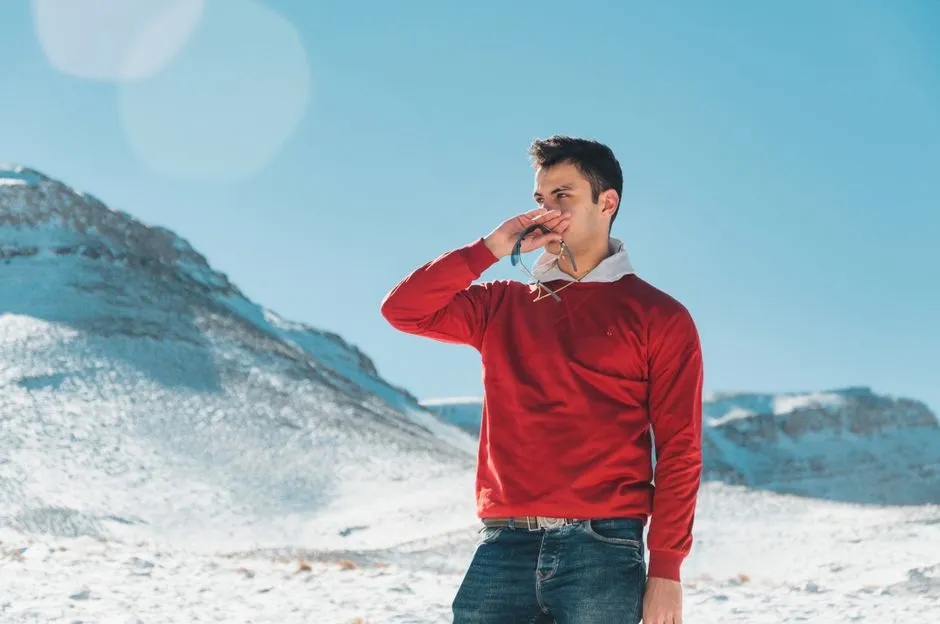
Travel to elevations above 2,500 meters is associated with the risk of developing one or more forms of acute altitude illness, including acute mountain sickness (AMS), high altitude cerebral edema (HACE), and high altitude pulmonary edema (HAPE). These are not rare edge cases reserved for extreme mountaineers. They can affect anyone who ascends too quickly, regardless of fitness level.
AMS can affect up to roughly one in four individuals visiting high-altitude locations. Symptoms include headache, nausea, dizziness, and fatigue, which can range from mild to severe. Recognizing these symptoms early is as important as any gear you carry.
Although unacclimatized individuals are at risk of high-altitude illness when ascending above 2,500 meters, acute altitude illness can present at lower elevations due to a high degree of variability in individual responses. This is worth keeping in mind: your own response to elevation is not entirely predictable in advance.
Ascend Gradually – This Is Non-Negotiable
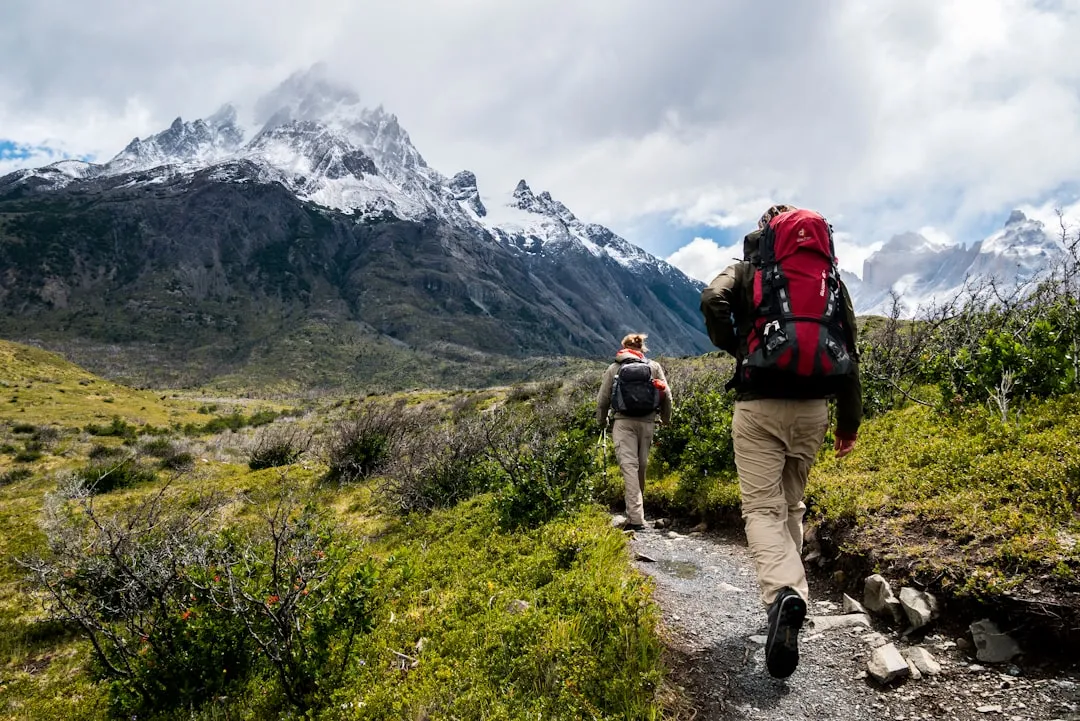
The approach to prevention of AMS and HACE should be a function of the individual’s risk profile, and the first priority should always be ensuring gradual ascent to the target elevation. No supplement, no medication, and no level of fitness can fully replace the simple discipline of going up slowly.
Acclimatizing for a minimum of two to three nights at roughly 2,450 to 2,750 meters before proceeding higher is markedly protective against AMS. The Wilderness Medical Society recommends avoiding ascent to a sleeping elevation above 2,750 meters in a single day, and ascending at a rate of no greater than 500 meters per night in sleeping elevation once above that threshold.
The AMS risk steeply increases with the rate of ascent and is highest when flying directly to high-altitude destinations, with research showing that it can affect nearly all unacclimatized people using air transport to altitudes close to 4,000 meters. If your route involves flying to a high base point, building in rest days before you begin hiking is essential.
Understand the Role of Sleep Elevation

Travelers can meaningfully lower their risk by sleeping one night at an intermediate altitude. For example, sea-level residents traveling to Colorado resort areas above 2,800 meters can reduce their risk by spending one night in Denver at approximately 1,600 meters first. The principle here is simple: your body adapts during rest, not during movement.
Acclimatization improves sleep, increases comfort and sense of well-being, and improves submaximal endurance. Maximal exercise performance at high elevation will always be reduced compared to that at low elevation. Accepting a reduced performance ceiling is part of hiking safely at altitude, not a sign of weakness.
There is some evidence that good sleep patterns and adequate hydration can help prevent symptoms of altitude sickness. This makes sleep quality a genuine safety factor on a multi-day mountain trip, not just a matter of comfort.
Hydration Is More Complex Than You Think
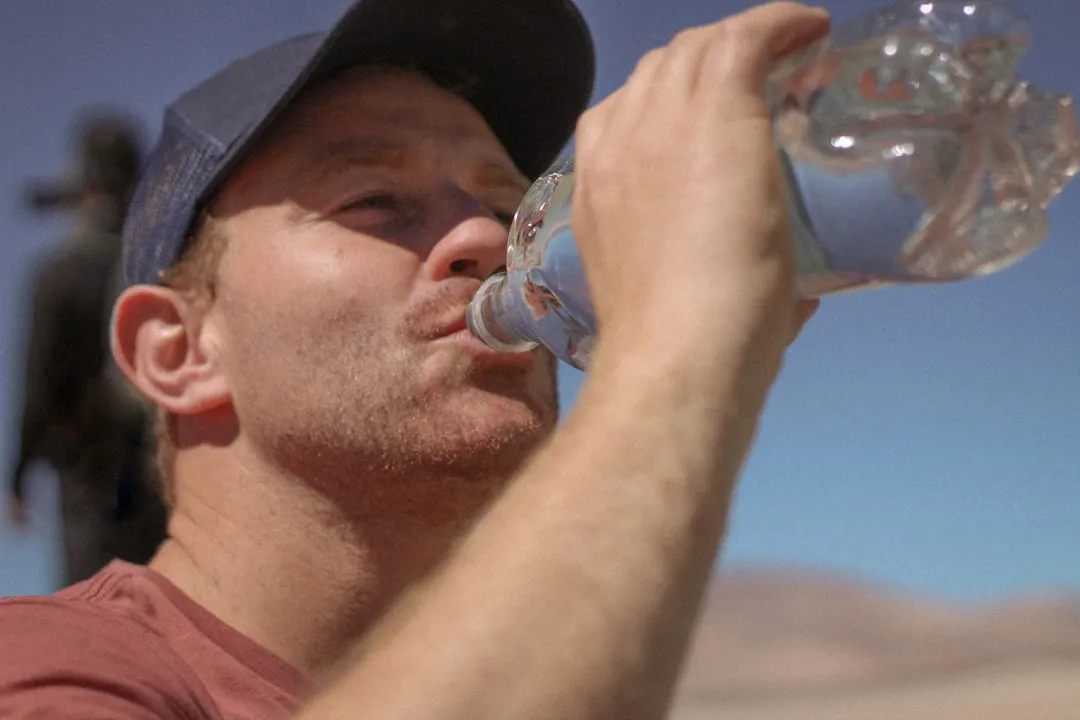
Fluid needs at altitude run around three to five liters daily, which is a significant amount, especially if you generally struggle to drink enough. The dry, cold air at elevation accelerates fluid loss in ways that are easy to underestimate when temperatures feel moderate.
Fluid turnover increases sharply from hyperventilation and cold diuresis at altitude. Experts recommend four to five liters per day, including sodium at roughly 0.5 to one gram per liter, to offset losses that can occur from low-mineral glacier water. Plain water alone may not be enough.
Some studies have shown that drinking a carbohydrate and electrolyte-containing beverage is more effective at hydrating than water alone at altitude. You need extra fluids because of increased fluid loss through respiration and sweat in dry air. Dehydration and electrolyte losses are often underestimated at altitude and can lead to cognitive impacts on judgment. That last point carries real safety implications on technical terrain.
Fuel Your Body Strategically at Elevation
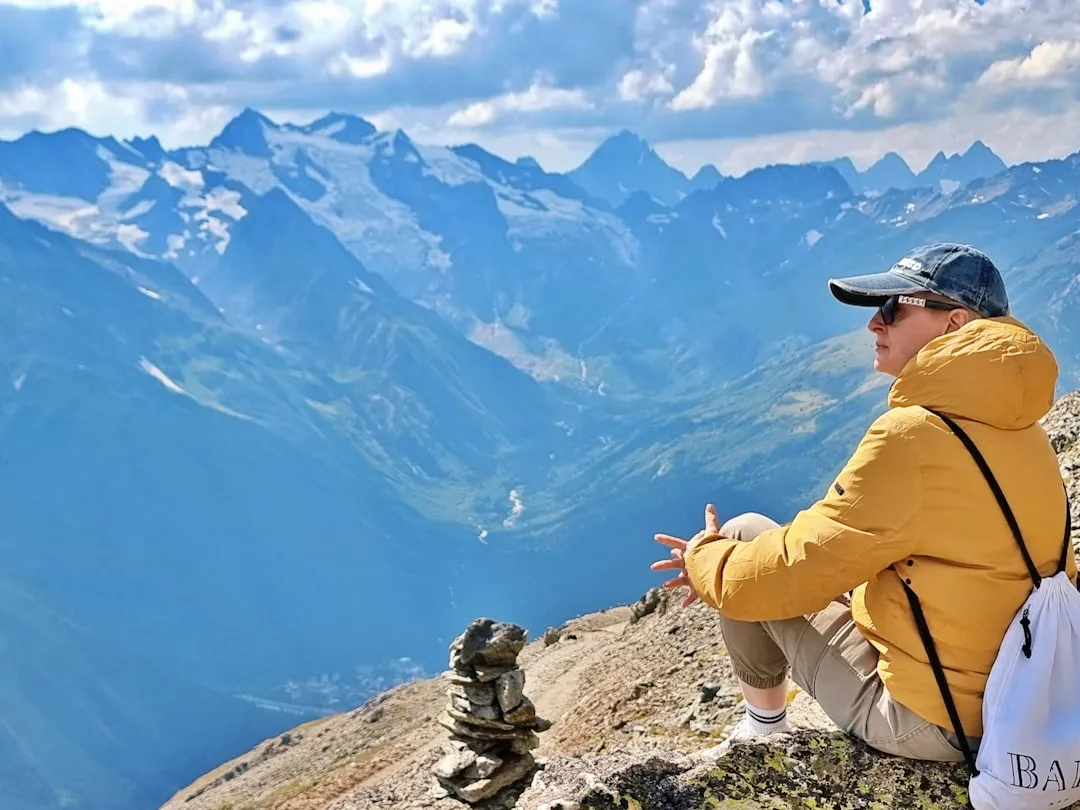
Staying and climbing in high mountains above 2,500 meters involves changes in diet due to poor access to fresh food, lack of appetite, food poisoning, environmental conditions, and physiological changes. Appetite suppression at altitude is a well-documented phenomenon, and it creates a nutrition gap that hikers often fail to anticipate.
Energy expenditure at high altitude can exceed 10,000 calories per day for strenuous mountaineering, while intake often falls below 3,000 calories. The result is rapid body-mass loss, reduced muscle function, impaired recovery, and cognitive decline. Even for day hikers on less demanding routes, the caloric gap is real and worth addressing proactively.
It is important for mountaineers and high-altitude hikers to include rich sources of iron in their diet before and during an expedition. Pre-altitude blood tests about four to six weeks prior to a trip are recommended to allow a more precise assessment of iron and ferritin levels, so that appropriate supplementation can be started roughly two weeks before altitude exposure if necessary. This kind of preparation is straightforward but rarely discussed outside medical circles.
Recognize When to Consider Medication

Current best practices for preventing altitude sickness include gradual ascent, allowing time for acclimatization, and avoiding strenuous activity during the first days at high altitude. Pharmacological prevention typically involves the use of acetazolamide or dexamethasone, which have been shown to be effective in reducing the incidence and severity of symptoms.
If travelers are unable to ascend gradually due to logistical factors, pharmacological prophylaxis can be considered. Preventive medications are generally not necessary in low-risk situations but should be considered in addition to gradual ascent for moderate to high-risk situations. This is not a shortcut that replaces acclimatization. It is a supplementary tool for specific circumstances.
In rare cases, life-threatening forms of high altitude illness, namely HAPE and HACE, may occur. Early recognition is essential, as the mortality of untreated HAPE or HACE is extremely high. Any hiker with a history of altitude illness should speak with a physician before planning a high-altitude trip.
Protect Yourself from Intense UV Radiation
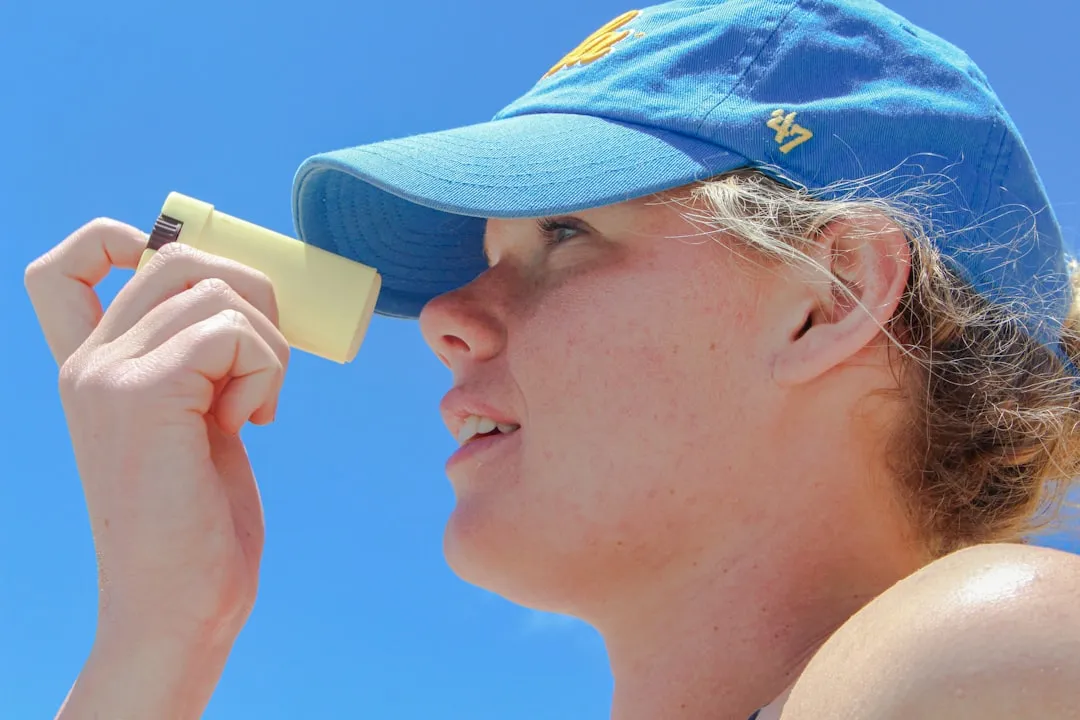
High-altitude environments expose travelers to cold, low humidity, increased ultraviolet radiation, and decreased air pressure, all of which can cause health problems. UV exposure at elevation is one of the most consistently underestimated hazards on mountain trails.
According to the Skin Cancer Foundation, UV radiation exposure increases four to five percent with every 1,000 feet above sea level. At 10,000 feet, your skin is being hit with roughly 40 to 50 percent more UV radiation than at sea level. The atmosphere thins at higher altitudes, meaning there is less air to absorb and filter UV rays before they reach your skin.
Fresh snow reflects up to 90 percent of UV radiation, creating a double-exposure scenario where hikers receive UV rays from both direct sunlight and reflected bounce. This explains why mountaineers can develop severe sunburns on typically shaded areas like the underside of their chin. Sunscreen should be reapplied every two hours, especially when sweating heavily.
Dress for the Mountain’s Specific Demands
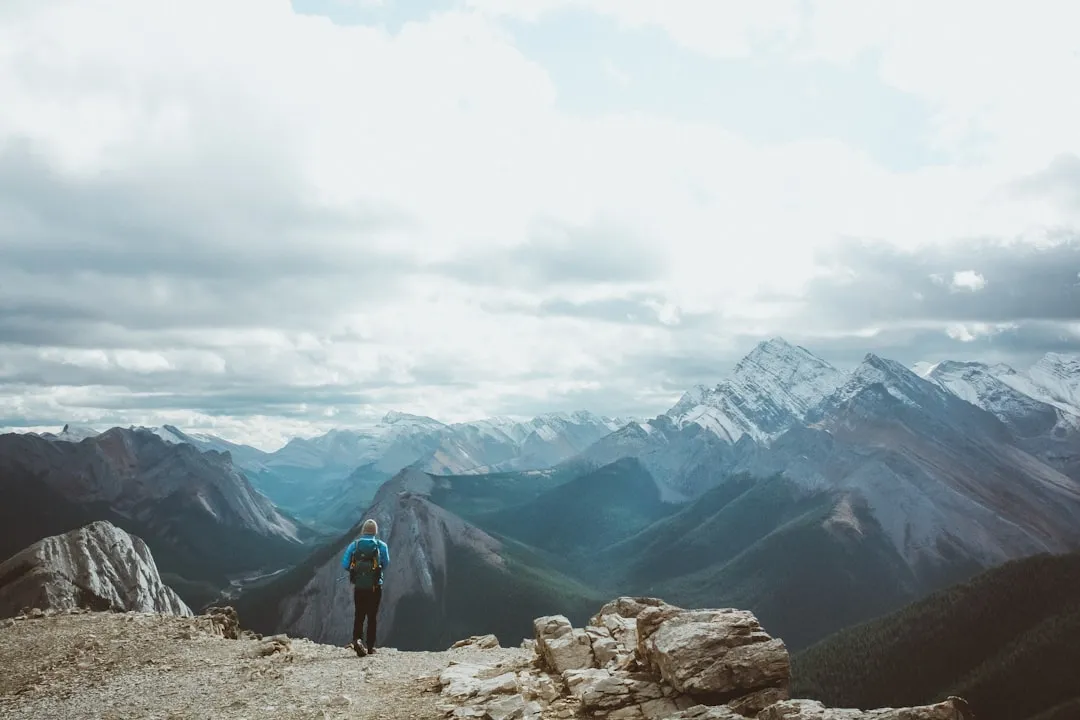
High altitude regions are characterized by harsh conditions including rough terrain, natural hazards, and limited hygiene and health care, all of which contribute to risk. Exposure to hypoxia, cold, wind, and solar radiation are typical features of the high altitude environment. Your clothing needs to address all of these simultaneously.
Experienced hikers wear UPF-rated apparel, including long sleeves, trousers, and accessories designed to block UV radiation. UPF, or Ultraviolet Protection Factor, measures how much UV can penetrate the fabric. Experts recommend UPF 50 or higher, which blocks roughly 98 percent of UV rays. Layering for warmth should sit on top of this UV-protective base.
The sun’s rays are strongest between 10 a.m. and 4 p.m., and exposure during these hours should be limited even in winter, especially at higher altitudes. Planning your most exposed ridge sections for early morning, when the UV index is lower, is a practical and underused strategy.
Understand Terrain and Accident Risk
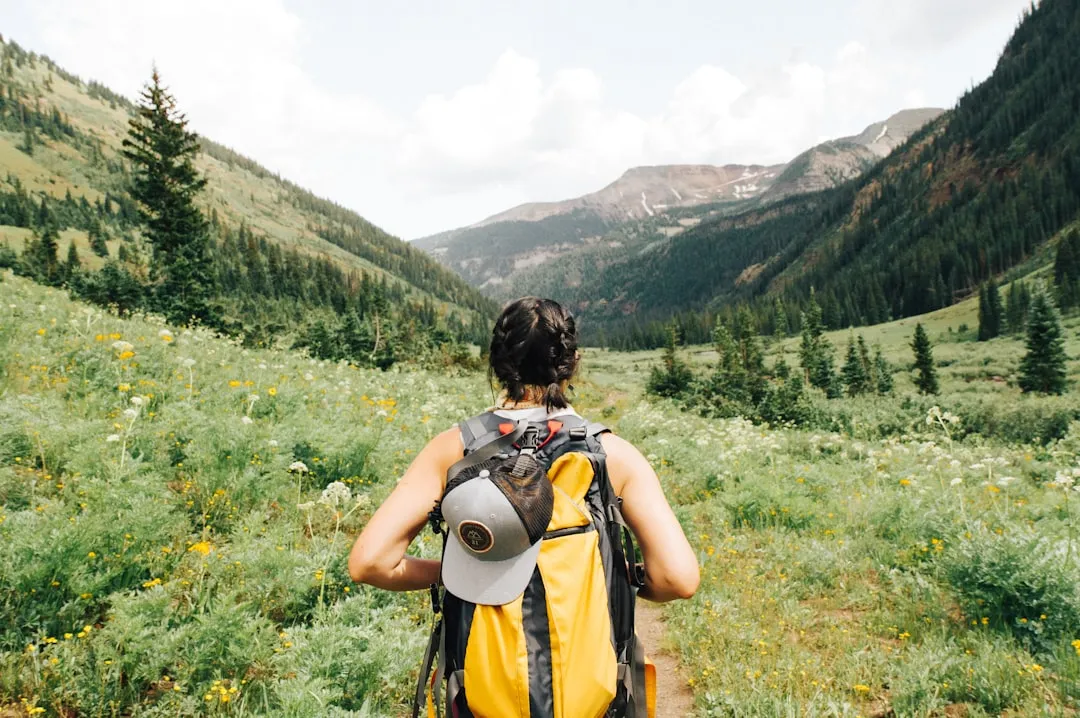
Recent studies have shown that falls and slips are the most common causes of injuries in hiking, accounting for nearly half of all incidents. On high-altitude terrain, where fatigue, reduced oxygen, and cognitive effects of altitude all compound each other, the risk of a misstep increases substantially.
The prevalence of accidents and emergencies varies dramatically depending on the mountain climbed, the route chosen, weather conditions, ascent profile, mountaineering experience, fitness, and health status of mountaineers. This is why route research and honest self-assessment before departure are genuinely safety-critical activities, not just helpful suggestions.
A traveler’s risk for developing altitude illness is influenced by three main factors: elevation at destination, rate of ascent, and exertion. Managing all three simultaneously, rather than focusing on just one, is the core of smart high-altitude planning.
Use Technology Thoughtfully as a Safety Tool

Acute mountain sickness can be a debilitating condition. With next-generation monitoring tools, hikers and mountaineers will be able to make better-informed decisions before the onset of more severe symptoms. Research institutions including the U.S. Army Research Institute of Environmental Medicine have been developing wearable-based AMS alert systems that monitor physiological metrics in real time.
Research teams have been working toward transitioning these tools into civilian use, with civilian applications expanding beyond their original military purpose. Wearable devices that track heart rate and sleep quality at altitude can serve as early-warning systems when combined with the hiker’s own awareness of symptoms.
Practical technology also means knowing how to use a downloaded offline map, carrying a personal locator beacon on remote routes, and checking UV index forecasts before setting out. Creating an itinerary to avoid any occurrence of altitude illness is difficult because of variations in individual susceptibility and terrain. The goal for the traveler might not be to avoid all symptoms of altitude illness, but to have no more than mild illness, thereby avoiding itinerary changes or the need for medical assistance or evacuation. Setting that realistic intention before you leave the trailhead shapes smarter decisions throughout the hike.
A Final Thought Before You Lace Up
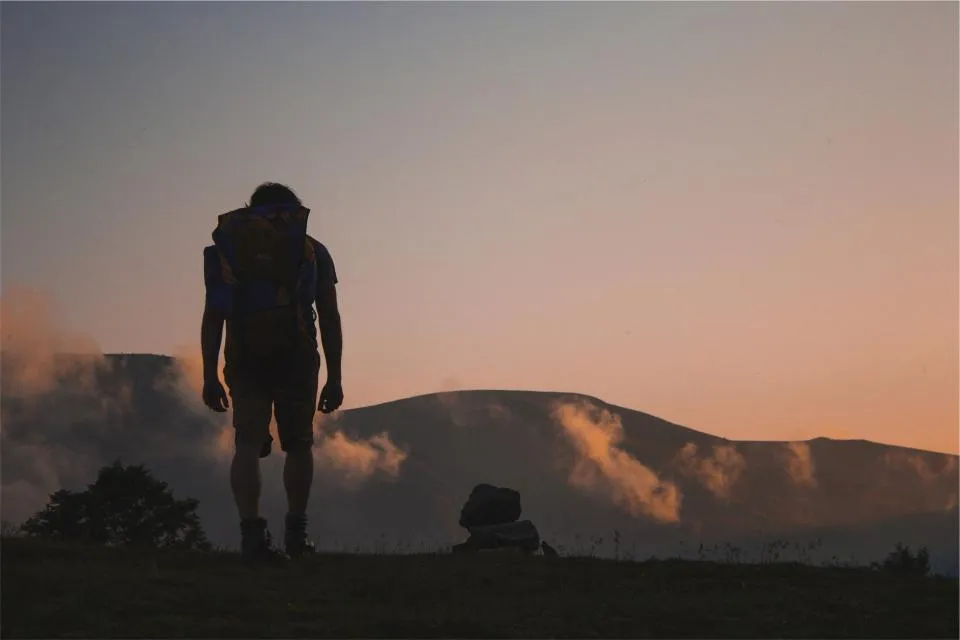
High-altitude hiking rewards patience more than it rewards strength. The body is remarkably capable of adapting to thin air, intense sun, and physical demand, but only when it is given the time and resources it needs. Preparation is not a concession to weakness. It is what allows you to stay out longer, go higher, and return safely.
The mountain will always be there for your next attempt. The hiker who understands their own limits and plans accordingly is the one who keeps coming back to find out what lies beyond the next ridge.
AI Disclaimer: This article was created with the assistance of AI tools and reviewed by a human editor.