
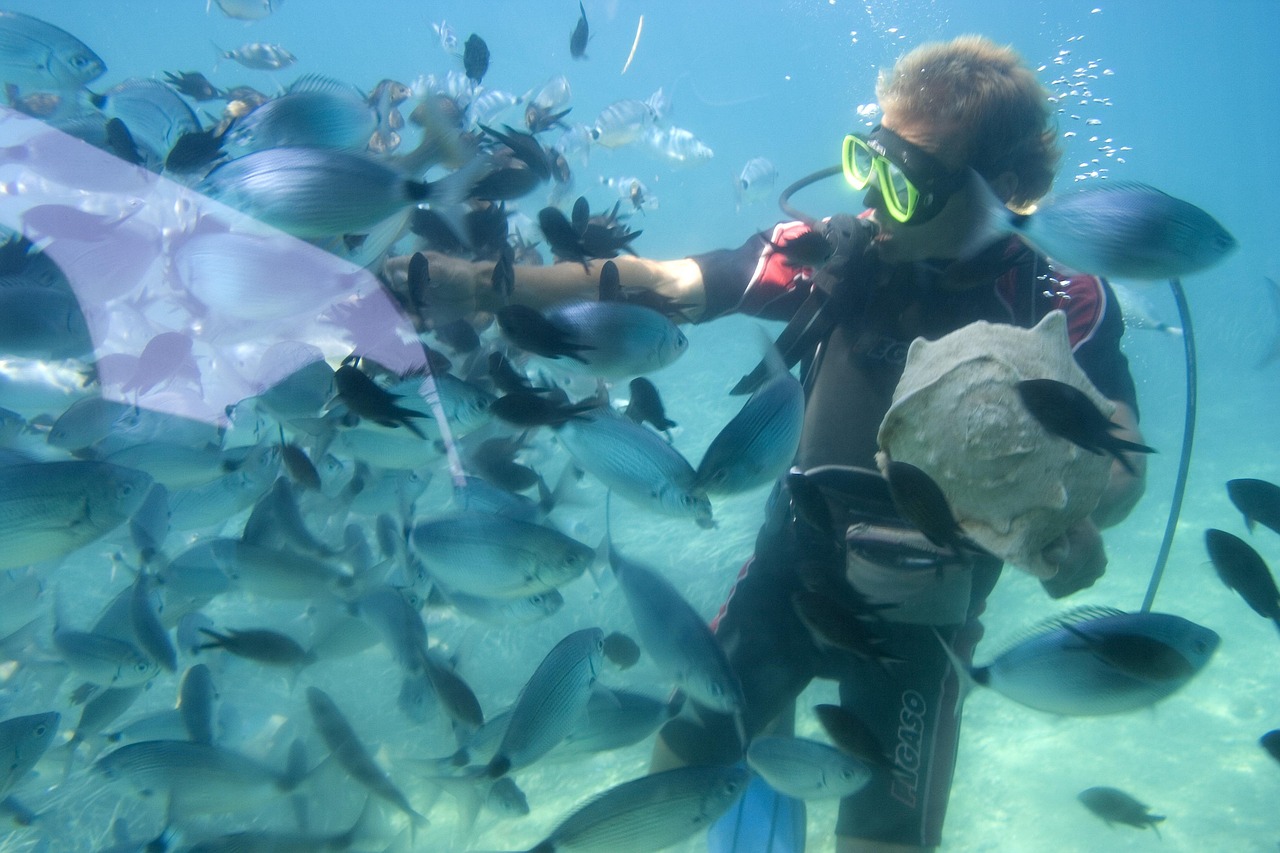

Most people think finding calm water for snorkeling is just a matter of luck, or maybe the right destination. In reality, experienced snorkel guides know that calm water starts with the right entry point, and that knowledge isn’t obvious from the beach. Where you step in matters more than most visitors ever realize.
The difference between a stressful first snorkel and a truly magical one often comes down to a single decision: exactly where and how you enter the water. Guides who lead sessions day after day develop a sharp eye for this, reading beach geography, wind, and tide in a way that takes years to learn. Here’s what they consistently say about finding that elusive calm entry point.
Protected Bays and Volcanic Craters Create the Calmest Natural Entries
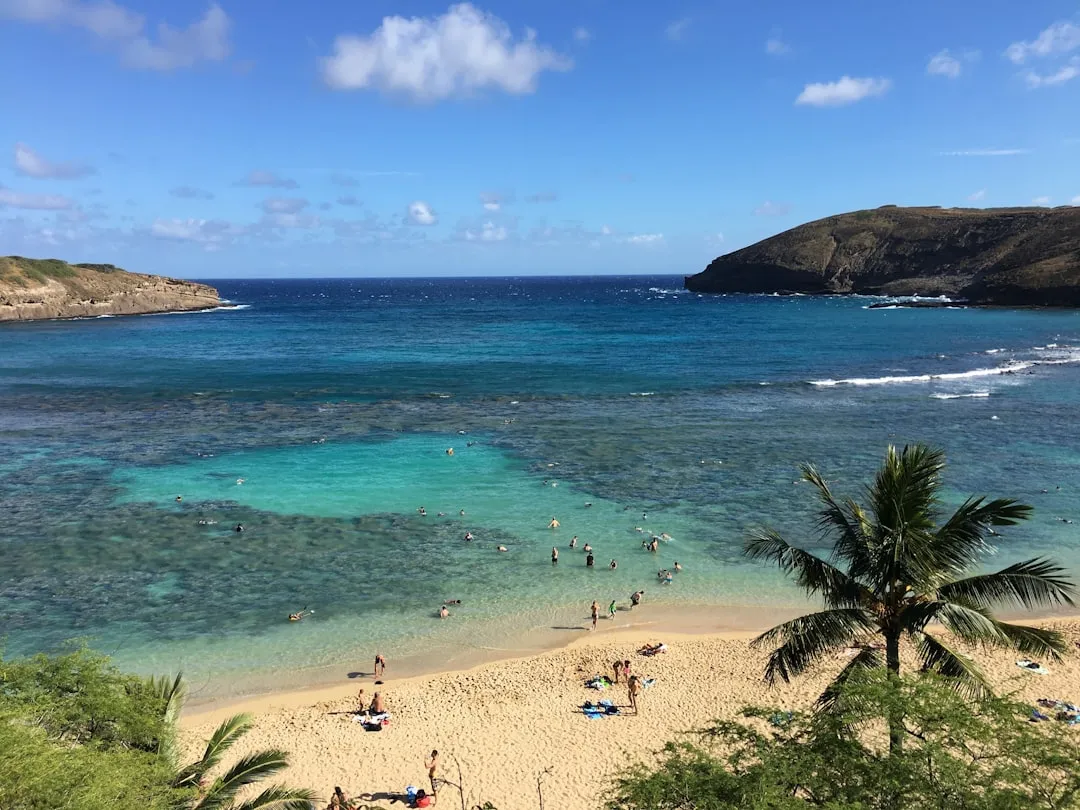
The best beginner snorkeling spots share a few important qualities, and calm waters are essential. Think lagoons, sheltered bays, or coral-fringed islands that break the swell. When ocean energy has nowhere to travel except directly at you, even modest waves feel disruptive. The goal is always a geography that does the work before you even arrive.
At Hawaii’s famous Hanauma Bay, a volcanic crater forms a near-perfect arc around the beach. The bay’s outer reef takes the brunt of ocean swells, so the inner shallows where everyone snorkels stay calm even on days when the rest of Oahu’s south shore is moving. That’s not coincidence. It’s geology working in your favor.
Hanauma Bay works so well for first-timers because the reef sits inside a protected crater. That shape blocks a lot of open-ocean chop, so the water often feels calmer than other shore snorkel spots on Oahu. Guides consistently point to this type of enclosed shape as the single most reliable indicator of a calm entry.
Morning Is When the Water Wins Every Time
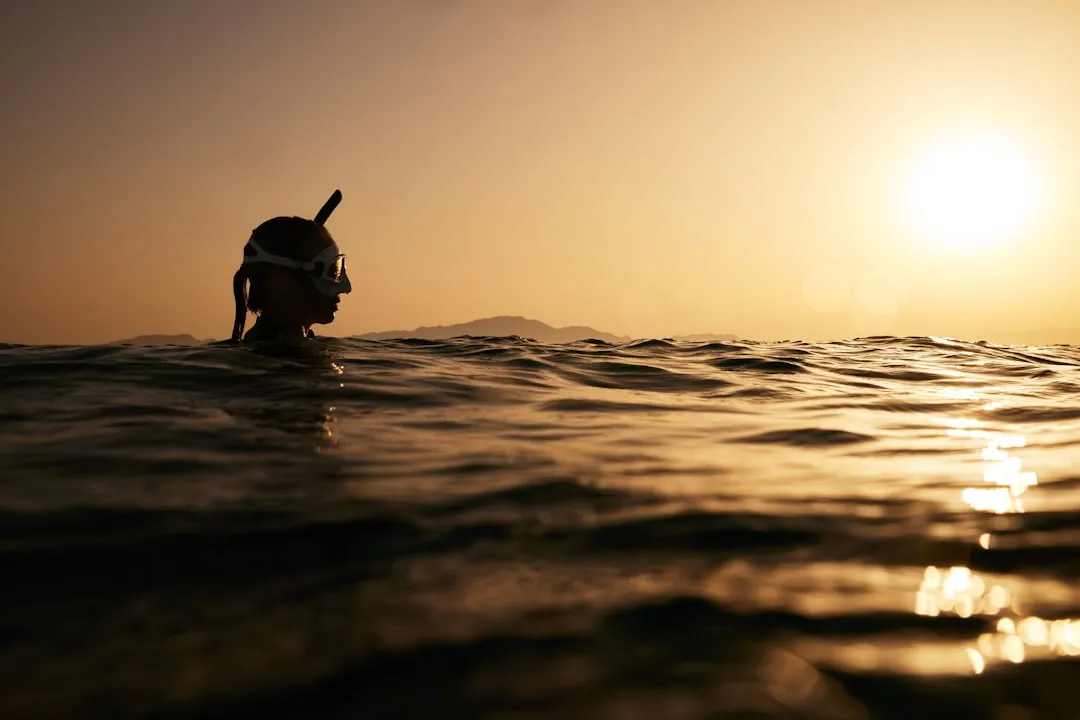
For casual shore snorkelers, morning gives you the cleanest trade-off. The water is usually calmer, and fish tend to move more naturally before the beach gets busy. The ocean’s surface hasn’t yet been disturbed by afternoon trade winds, boat wakes, or the churn of a hundred swimmers.
A 2026 guide calls June through September the sweet spot for better conditions, while another source recommends sunrise to about 10 a.m. or late afternoon when winds and crowds are lower. Most guides agree: if you’re flexible on timing, the earliest window is almost always the most rewarding one.
Tide, swell, and wind change the mood fast. A beach that looks gentle at sunrise can turn lively by late morning. This is something guides see constantly. The same stretch of sand that felt glassy at 7 a.m. can feel entirely different just two hours later.
Reading the Water Before You Step In
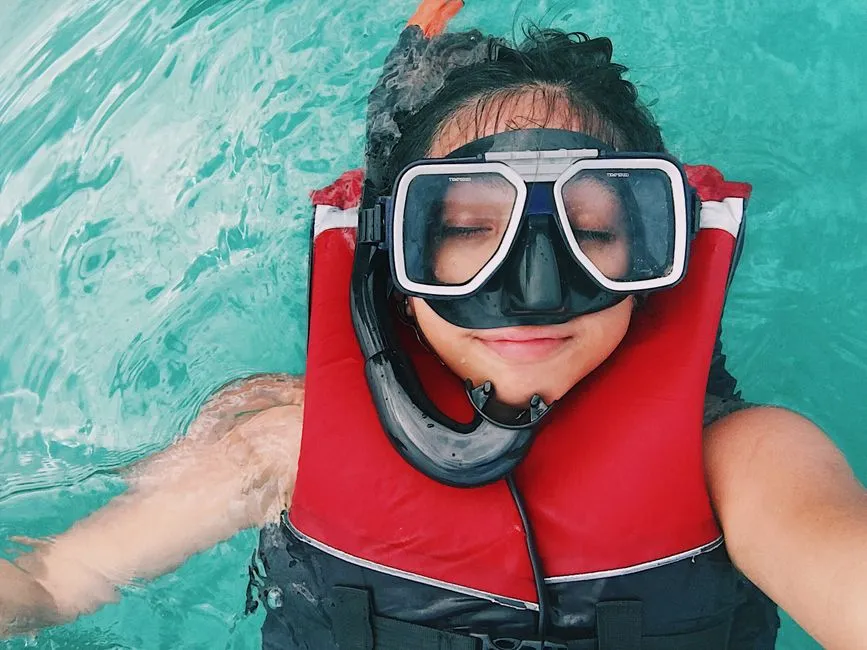
One of the most important skills for safe snorkeling is learning how to “read” the water before you ever get in. This means evaluating wave height, current direction, and tide cycles, as well as identifying safe entry and exit points. It takes practice, but the fundamentals are accessible to anyone willing to spend a few minutes observing before committing.
Before entering the water, take a moment to assess the ocean conditions. Look for any warning signs, such as strong currents, rough waves, or poor visibility. It’s best to snorkel in calm conditions with good visibility to ensure your safety and maximize your enjoyment.
A calm-looking entry can still develop a current farther from shore. This is where many snorkelers are caught off guard. The surface calm near the beach doesn’t always reflect what’s happening twenty meters out, and guides always look beyond the shoreline before making their recommendation.
How to Actually Enter the Water Without Fighting It
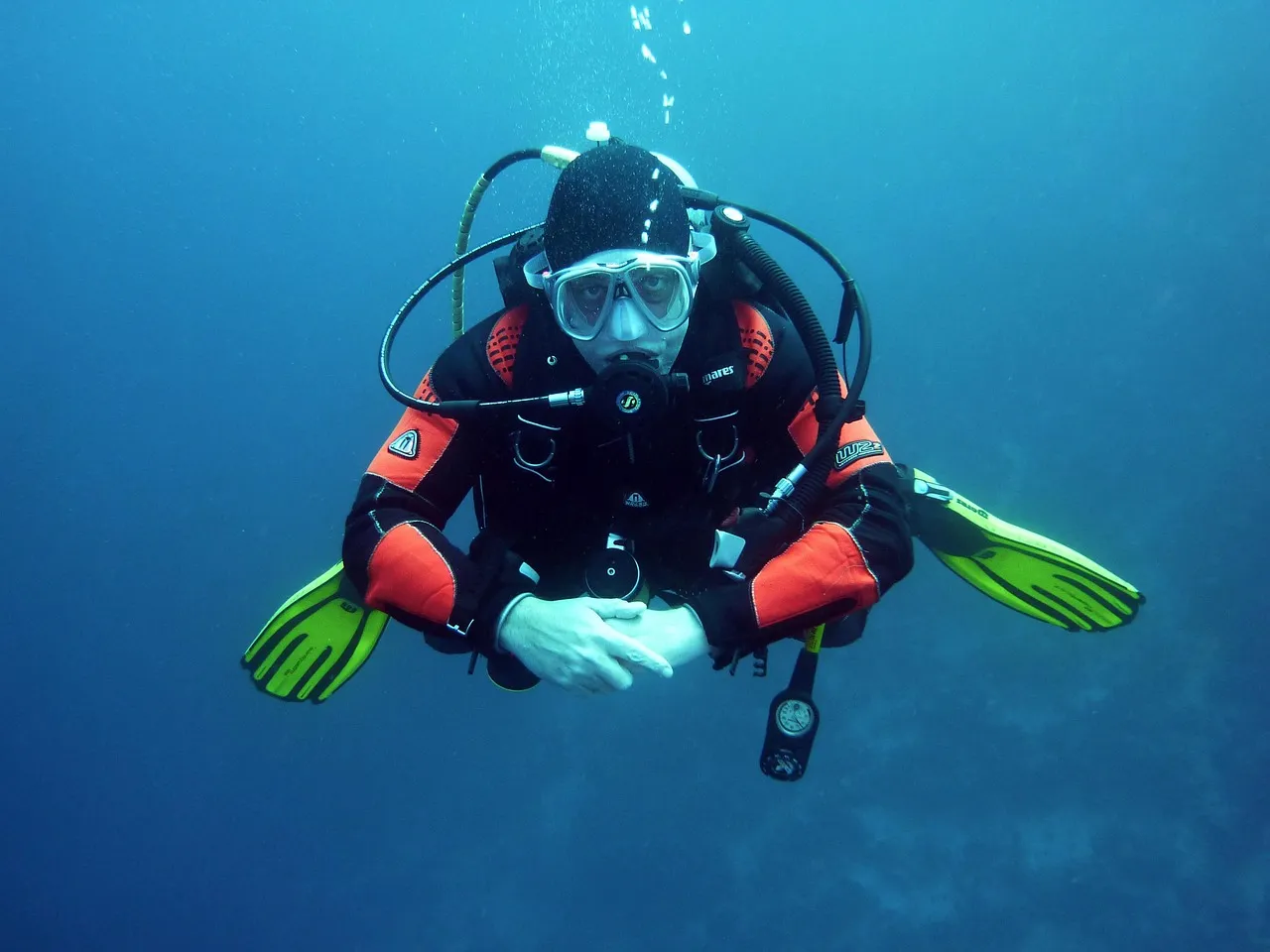
On a beach, the first job is to get past the shore break without fighting the water. If the surf is light, walk in slowly until the water reaches a stable depth. Then stop, sit or kneel if the bottom is firm, and put on your fins there. Rushing this step is one of the most common beginner mistakes guides witness every single day.
Timing is everything. Watch the rhythm of the waves, then move decisively during the calm period. This applies whether you’re entering on a gently sloping sandy beach or navigating a rockier reef edge. The lull between sets is your opening.
A small lull in the waves often gives you the best chance to settle in without slipping. Once your fins are on, don’t hurry. Stand only when you feel balanced. Patience here pays off in a much more relaxed start to the whole session.
Why Sandy Entries Are Calmer Than Rocky Reef Edges

An easy entry usually gives you three things: sand underfoot, clear visibility close to shore, and a path back out that does not get erased by waves. Rocky entries can offer beautiful reef access, but they demand far more technical skill and confidence, especially when waves are pushing in.
At Hanauma Bay, there are hundreds of yards of waist-deep sand-and-coral lanes between the beach and the inner reef, which means a true beginner can wade out, float, watch fish, and stand back up at any time. That ability to stand up at will is a quiet but powerful reassurance, especially for first-timers.
For beginners, it’s recommended to start snorkeling from a beach rather than a boat. Beach snorkeling allows you to easily enter and exit the water, and you can explore at your own pace. Guides consistently reinforce this. The controlled entry of a sandy beach gives you time to settle before you’re committed to deeper water.
Calm Entries at Man-Made Lagoons
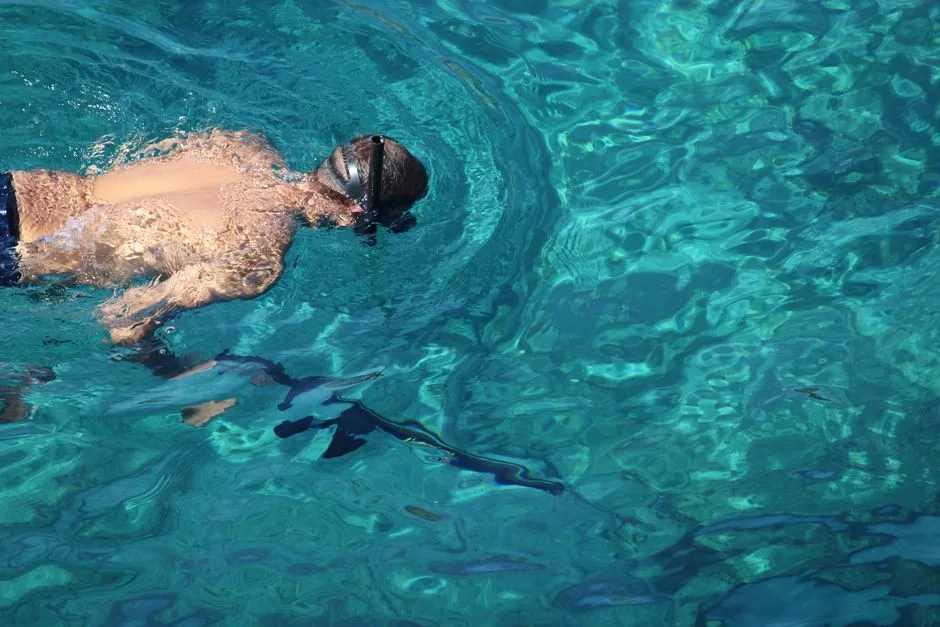
Ko Olina Lagoons on Oahu are the easiest family choice because the setting is man-made and deliberately calm, which helps beginners, children, and anyone who wants a controlled beach day more than a wild reef experience. These engineered entry points eliminate almost all the variables that make ocean entries difficult.
The trade-off is honest: man-made lagoons offer consistency and ease, but the marine life inside them is more limited than open reef environments. Guides are transparent about this distinction. Calm water and rich biodiversity don’t always coincide in the same spot.
Calm entry points and lighter currents make snorkeling easier and safer. Healthy coral and active fish make the experience worth it. Great shore spots should work for regular swimmers with basic gear. The ideal entry balances all three. When a lagoon offers the first factor but not the second, experienced guides will usually direct visitors to both, starting in the lagoon to build confidence, then venturing out.
What Lifeguards Know That Most Visitors Don’t
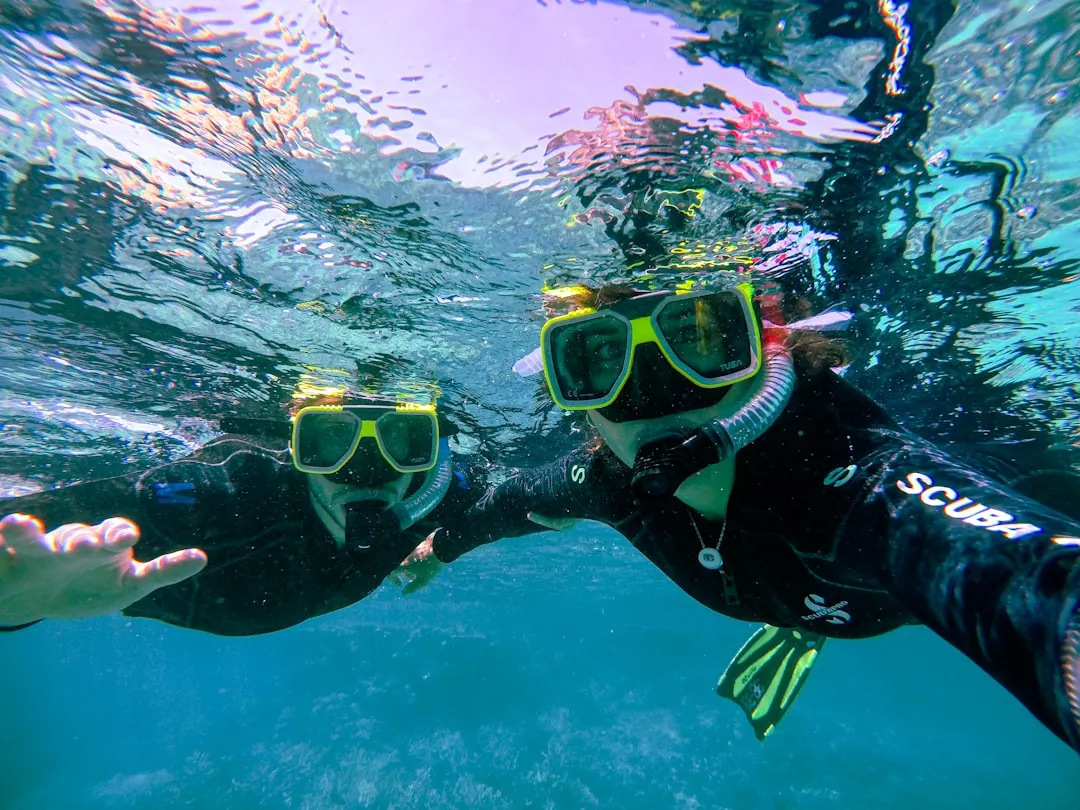
Snorkeling is safest at a lifeguarded beach with a designated snorkel zone, where trained professionals monitor conditions and provide assistance. Always check with a lifeguard before entering the water. They can advise on entry points, currents, and hazards, and their local knowledge helps you avoid risks and enjoy a safer, more rewarding snorkeling experience.
Lifeguards at popular snorkel beaches see dozens of entries every hour. They know which corner of the beach is channeling current that morning, which sandbar has shifted after last week’s swell, and which stretch of water is currently silted from rain runoff. That knowledge is freely available if you simply ask.
A calm, lightly used entry may offer pleasant viewing, while wind, swell, rain runoff, or heavy foot traffic can stir the bottom. Check the water before committing, and use local guidance to compare practical entry options. Asking a lifeguard takes thirty seconds and can completely change the quality of your session.
After Rain, Patience Is the Entry Strategy
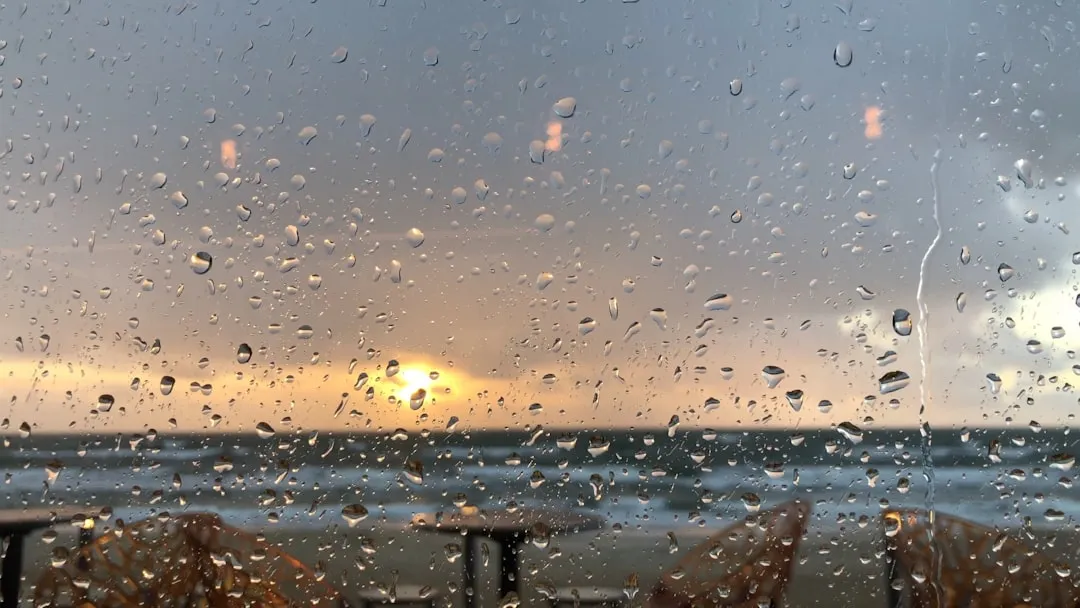
After recent heavy rain, wait the recommended 72-hour period before entering the ocean, following health and water-quality guidance. This is a rule that guides enforce firmly, and one that’s easy to overlook on a warm, otherwise perfect-looking beach day.
Rain washes runoff into coastal waters, reducing visibility and introducing bacteria. Even the calmest-looking entry point after a storm can carry water quality risks that make the session unsafe. The beach might look postcard-perfect from the shore, but the water tells a different story.
Convenience comes with a trade-off: water clarity can change quickly. At entries that are otherwise ideal, one significant rainfall event can reset conditions entirely. Good guides factor this into every recommendation they make, regardless of how beautiful the day looks overhead.
Visibility and Depth: What Makes an Entry Point Truly Work

Shore visibility can often sit around 10 to 30 feet at spots like Sans Souci and Queen’s Beach in Waikiki, which is enough for a pleasant swim and fish spotting on a calm morning. Visibility is as important as calm water. If you can’t see what’s beneath you, even a perfectly gentle entry loses most of its appeal.
Visibility should be high to allow snorkelers to enjoy marine life from the surface. Shallow reefs are ideal, allowing even the most nervous snorkelers to stand nearby or float over the action. Guides seek entry points where both conditions converge, not just one or the other.
Reports from Hanauma Bay show visibility around 35 to 45 feet, light wind, and waves of one to two feet. That sounds friendly, and it usually is, but you still need to respect the stronger flow in channels and other exposed spots. If you stay shallow and listen to lifeguards, you give yourself a much better first day.
World Destinations Where Guides Consistently Choose the Same Entry Points
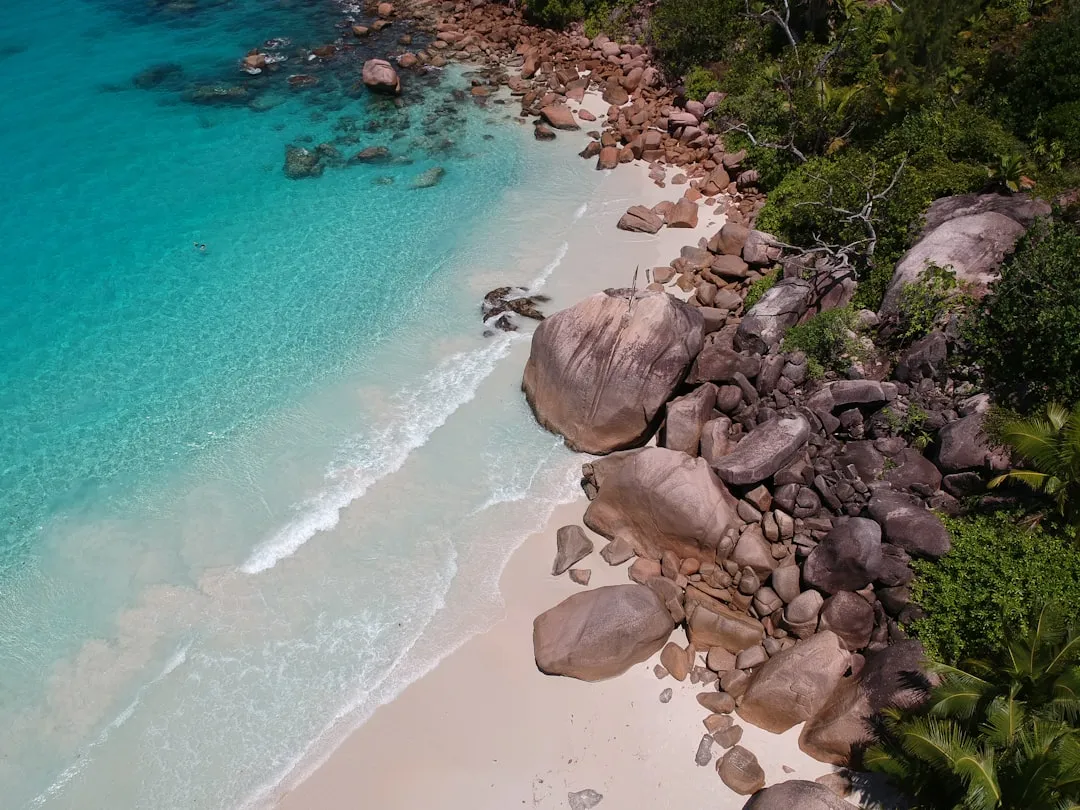
Anse Lazio on Praslin in the Seychelles is a picture-perfect beach framed by granite boulders, powdery sand, and calm, turquoise water. The sheltered bay often has glassy conditions ideal for swimming and easy snorkel entries. This is the kind of natural bay geometry that guides recognize immediately, a landscape that organically reduces water movement.
Matira Beach sits on the southern tip of Bora Bora and is one of the few public beaches on this iconic island. Its gentle, shallow lagoon and soft white sand make it perfect for relaxed swimming and beginner snorkeling right off the beach. Coral gardens and small patch reefs close to shore attract parrotfish, butterflyfish, and the occasional green sea turtle.
Worldwide beginner spots consistently highlighted by guides include Hanauma Bay in Hawaii, where protected waters and abundant tropical fish await, Baa Atoll in the Maldives with shallow lagoons and pristine coral, and Menjangan Island in Bali, noted for calm bays and easy beach entries. These locations share one thing: a geography that consistently delivers a calm, accessible entry regardless of experience level.
The Takeaway
The calmest beach entry point isn’t always the most obvious one from the parking lot. It rewards observation, local knowledge, and a willingness to ask rather than assume. The guides who do this every day have learned that geography, timing, and water-reading work together, and none of them alone is enough.
What experienced snorkel guides ultimately share is a simple discipline: slow down before you step in. Some beach entries feel almost effortless, while others ask for balance, timing, and a calm head. If you pick the wrong entry, the whole snorkel can feel harder than it should. Choosing the cleanest start for your comfort level makes the difference whether you’re a beginner, a strong swimmer, or the person in your group who wants the least drama at the waterline.
The ocean offers something genuinely extraordinary just below the surface. The only reasonable approach is to enter it thoughtfully.
AI Disclaimer: This article was created with the assistance of AI tools and reviewed by a human editor.