

The Night Shift Nobody Talks About
Snowmaking is one of those jobs that exists almost entirely out of sight. It’s also one of the most dangerous in Colorado’s ski industry. In complete darkness, with only headlamps to guide them, crew members work together to activate hundreds of snow guns lining the ski runs. The mountain doesn’t care about comfort, and neither does the schedule.
Snowmaking crews typically work in 12-hour shifts starting at either 7 a.m. or 7 p.m., splitting time between the control room and physically checking snow piles on the mountain. Snowmakers can work 10 to 12 hours a night out in the cold, the wind, and sometimes rain mixed with snow, moving machines that pressurize water and shoot it through hoses.
Reading the Weather Before Firing a Single Gun

The most important measurement for snowmaking is the wet bulb temperature, which accounts for both air temperature and relative humidity. Snowmaking generally requires a wet bulb temperature below 28°F. That number might sound simple, but arriving at it in real time, across an entire mountain, is genuinely complex.
Snowmaking can theoretically occur even when the actual air temperature is above 32°F if humidity is low enough. Evaporation removes heat from water droplets as they travel through the air, helping them cool and freeze before reaching the ground. Snowmakers at Loveland, for example, look for a wet bulb temperature of 28 degrees, because the drier the air, the better the conditions for snow production.
TechnoAlpin’s analyses reveal that during the snowmaking phase through to mid-December, more than 70% of snowmaking hours occur at wet bulb temperatures between -2°C and -5°C. That narrow band is where most of the season-opening work gets done, and timing it correctly is what separates an open resort from a waiting game.
How a Snow Gun Actually Works
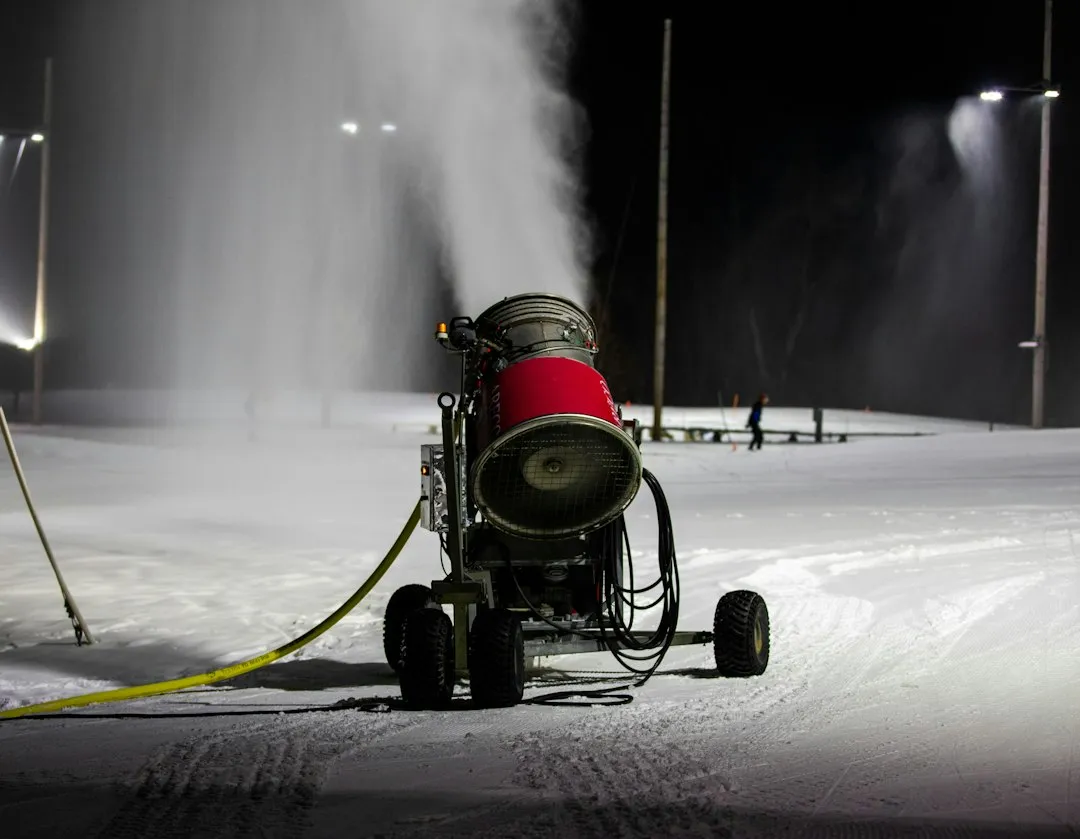
Water is forced through a specialized nozzle or “gun” where it collides with highly pressurized air. The compressed air shatters the stream of water into minute particles and launches them into the atmosphere, where they freeze and fall to the ground. It is essentially a compressed shortcut around the atmospheric conditions that produce natural snowfall.
A second type of snow gun combines a stream of water with an electric fan instead of compressed air, blowing the water into tiny droplets that freeze and fall to the ground. Snowmaking technology also involves the use of nucleators, which produce a mixture of water and compressed air that forms snow nuclei on entering the atmosphere. These nucleators give the ice crystals something to form around, mimicking the role that dust or pollen plays in natural cloud formation.
The Role of the Command Center
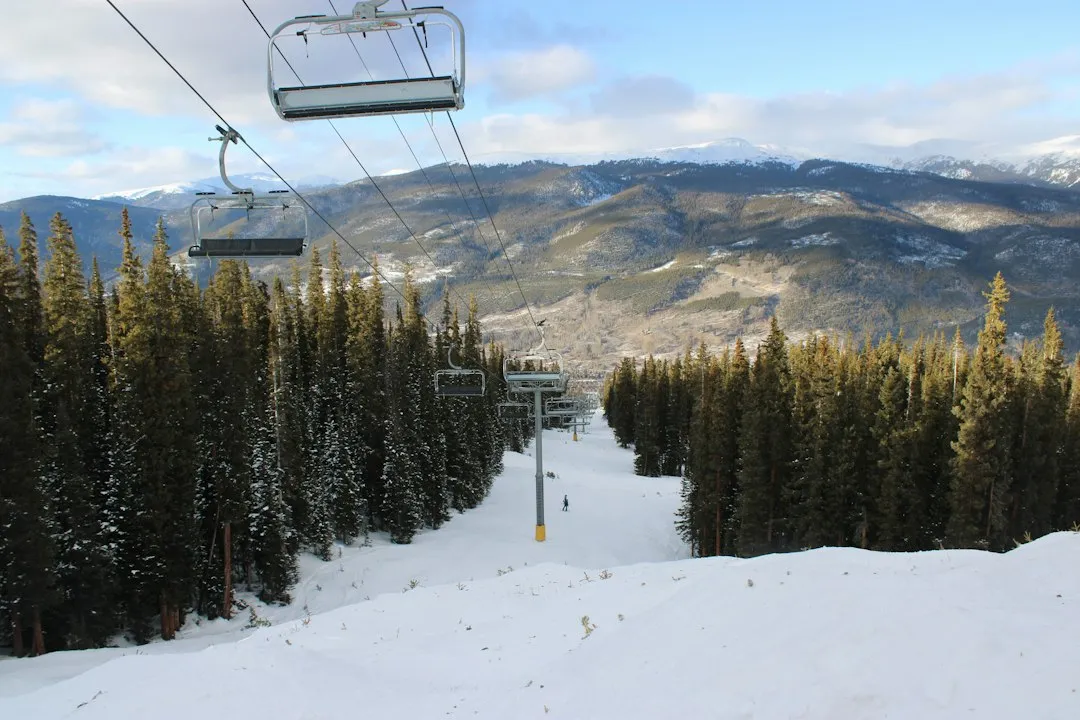
At a resort like Keystone, the snowmaking command center monitors snow gun and weather information across 3,149 acres of skiable terrain. Staff there maintain constant radio contact with crew members on the mountain, advising them on where and when to concentrate their efforts.
At Keystone, technology implemented in 2019 allows energy-saving guns to be turned on remotely. While the system is largely automated at some resorts, the human element remains vital, as many older “stick” guns still need to be adjusted manually for wind and direction, and crews continue to fine-tune coverage to match conditions. Automation handles the scale; people handle the precision.
The Staggering Amount of Water Involved
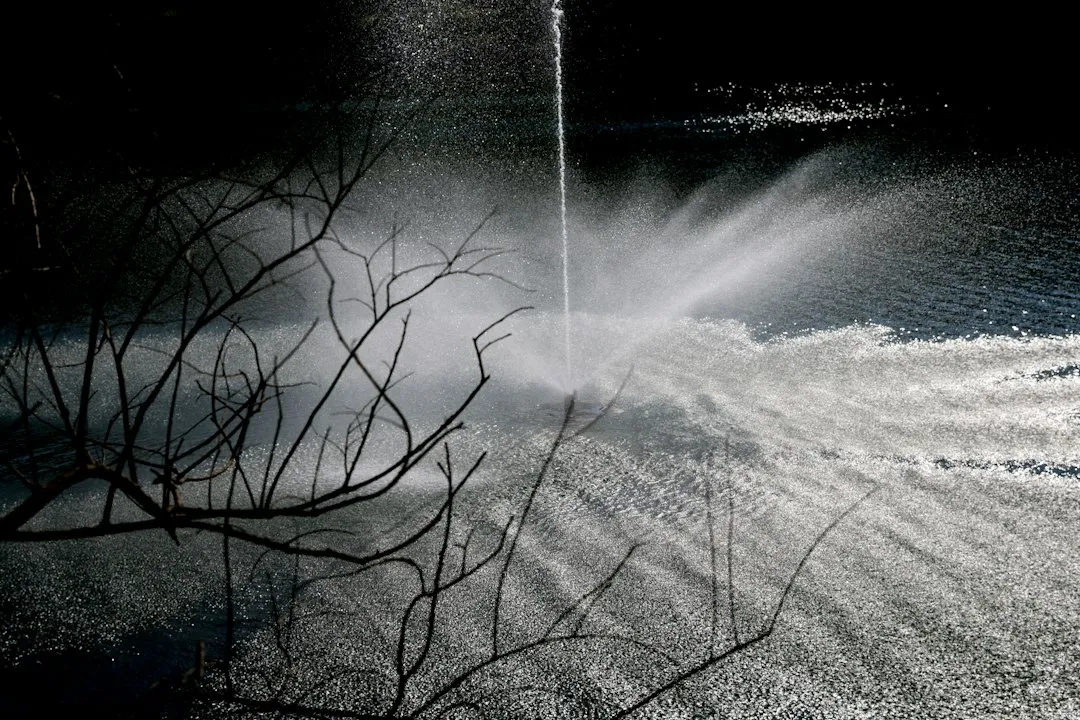
It takes about 106 gallons of water to create 11 square feet of snow. Scaled across an entire mountain over an entire season, those numbers grow fast. Ski areas can use anywhere from 50 to 400 million gallons of water to make snow across a full season.
Winter Park’s snowmaking system alone can instantaneously deliver 2,400 gallons of water and 15,000 standard cubic feet of compressed air per minute, running guns between 1,000 and 2,000 hours per season. A single snowmaker consumes roughly 405 litres of water per minute – comparable to 40 household taps running at full pressure simultaneously.
It’s worth noting that an estimated 80% of the water used for snowmaking eventually returns to streams and rivers as the snow melts, with the remainder lost to evaporation. That context matters when evaluating snowmaking’s overall footprint.
Energy Consumption: The Hidden Cost of the White Stuff
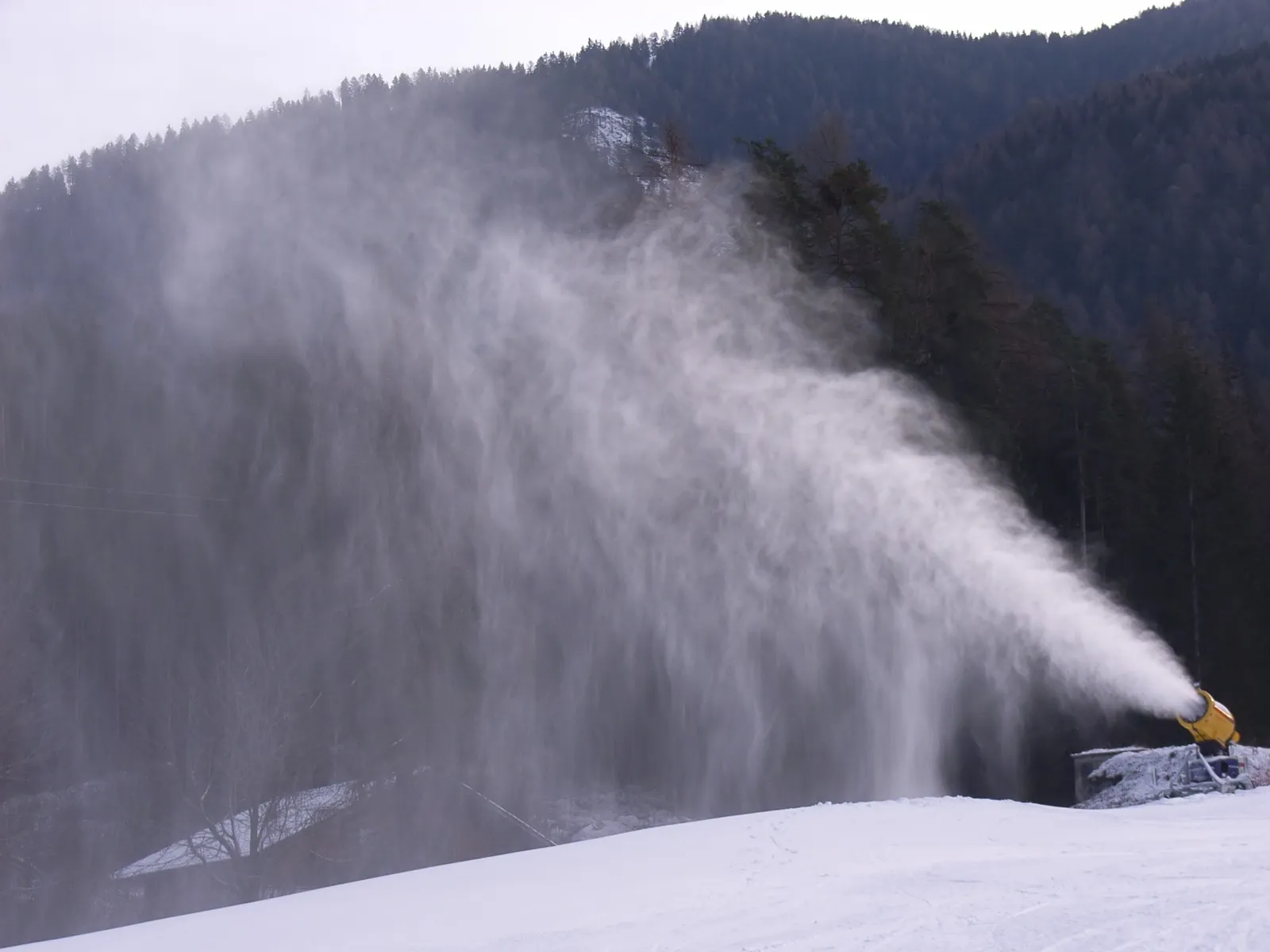
A significant amount of energy is necessary to push water uphill and pressurize air, and one study of 10 ski areas across the country estimated that snowmaking accounts for 18% of a resort’s energy use on average. At certain points in the season, that share climbs considerably higher.
One estimate from a snow gun manufacturing expert suggests that from October to January of each ski season, as much as 67% of energy consumed at a resort goes toward snowmaking. In Italian ski resorts, snowmaking accounts for around 30 to 40% of total energy consumption, while across the Alps the total energy demand for artificial snow is estimated at around 2,100 gigawatt-hours per winter season. That figure is roughly equivalent to the total annual domestic electricity use of a city the size of Milan.
Wet Snow Versus Dry Snow: A Strategic Choice
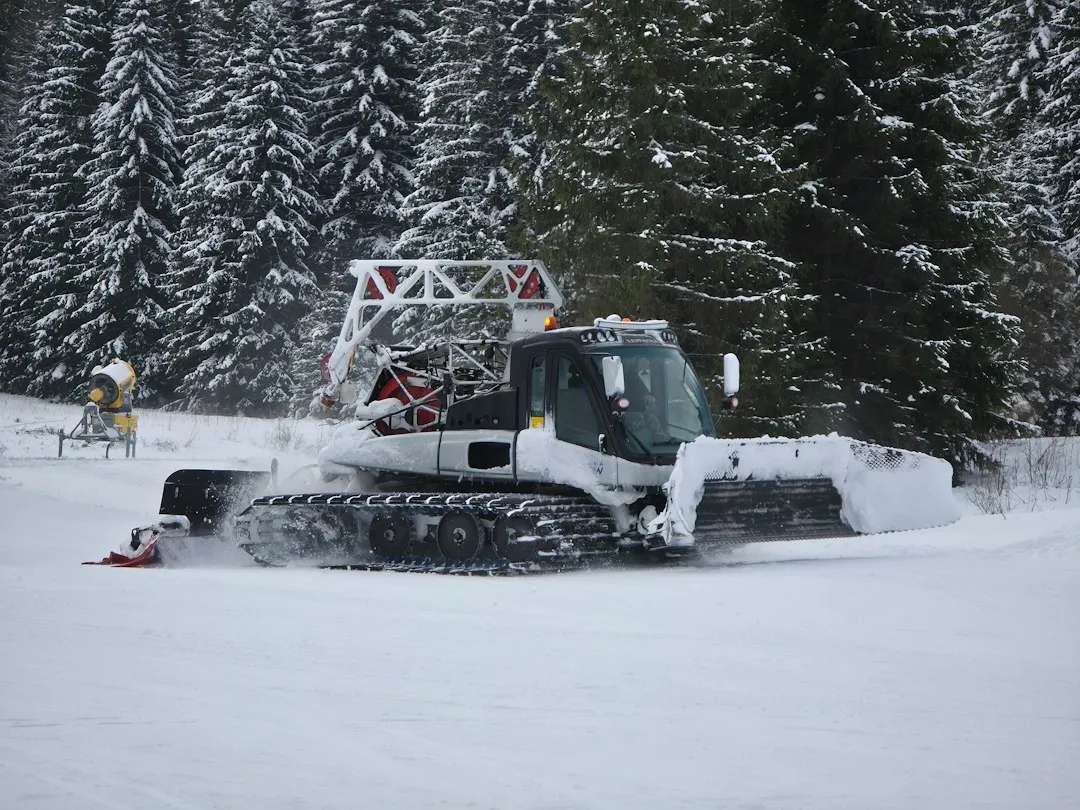
Snowmaking involves a strategic approach where wetter, denser snow is produced to create a solid base and depth, while lighter snow is used for surface coverage. These aren’t accidents. Crews deliberately dial the guns to produce different types depending on what a run needs at that moment.
At resorts with sophisticated snowmaking control systems, crews will sometimes make wet snow deliberately because it covers trails quicker and provides a better base, especially when a trail is being opened for the first time in the season or when a thaw cycle has reduced base depth. Most systems perform best when wet bulb temperatures are in the lower 20s Fahrenheit or colder, with temperatures in the teens allowing machines to produce much drier and more powder-like snow.
Grooming Crews Take Over After the Snow Falls
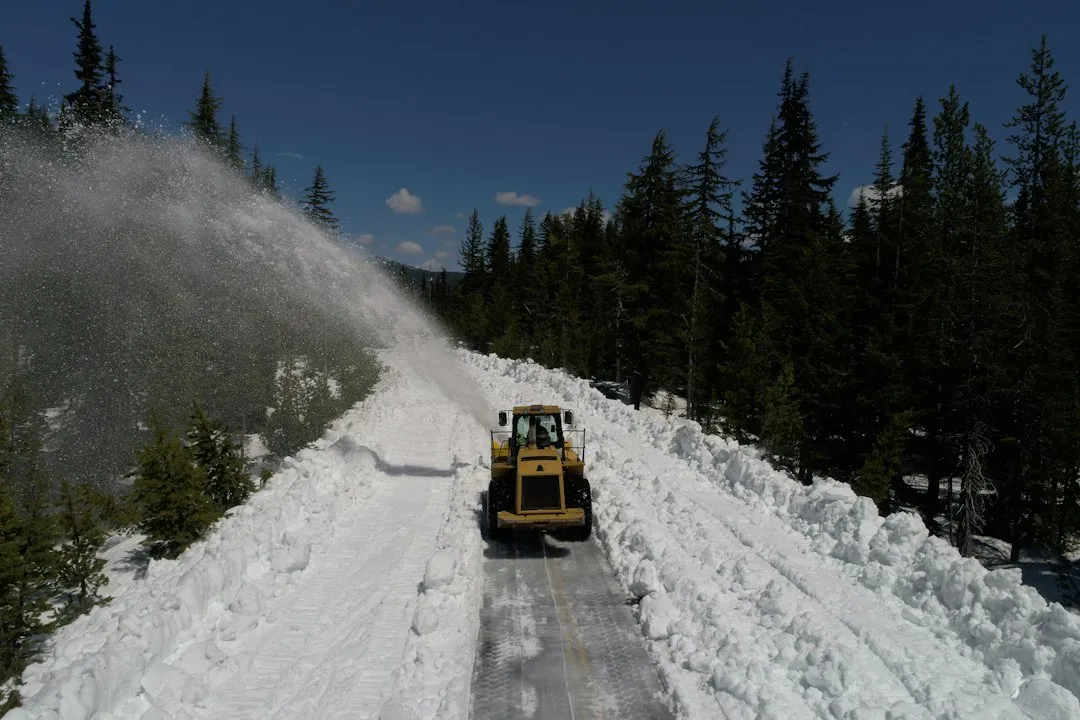
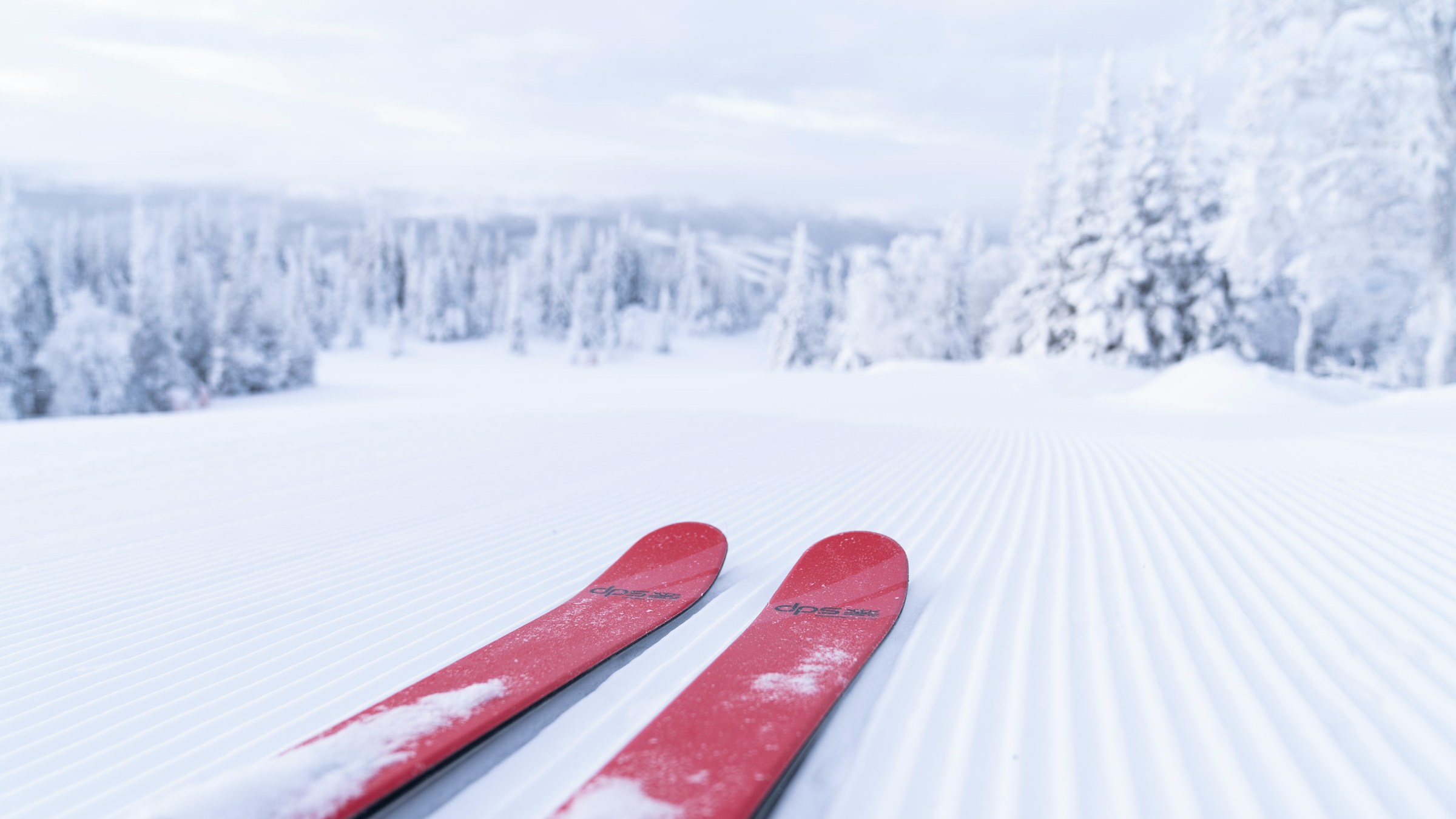
Once enough snow is down, a second team moves in. Ski resort maintenance crews use a process called sintering to create firm, smooth slopes – after a grooming machine breaks up snow, the particles fuse together, creating a stronger surface. Without this step, fresh machine-made snow would be loose and inconsistent underfoot.
A slope needs about eight hours of sintering time to become solid and resistant enough for skiers, which is why grooming consistently happens overnight. At Winter Park, a crew of 30 employees grooms 600 acres per night across two overlapping 12-hour shifts. By the time the lifts spin, what looks like a natural surface is the result of hours of precise machine work.
Opening a Run From Scratch: What It Actually Takes
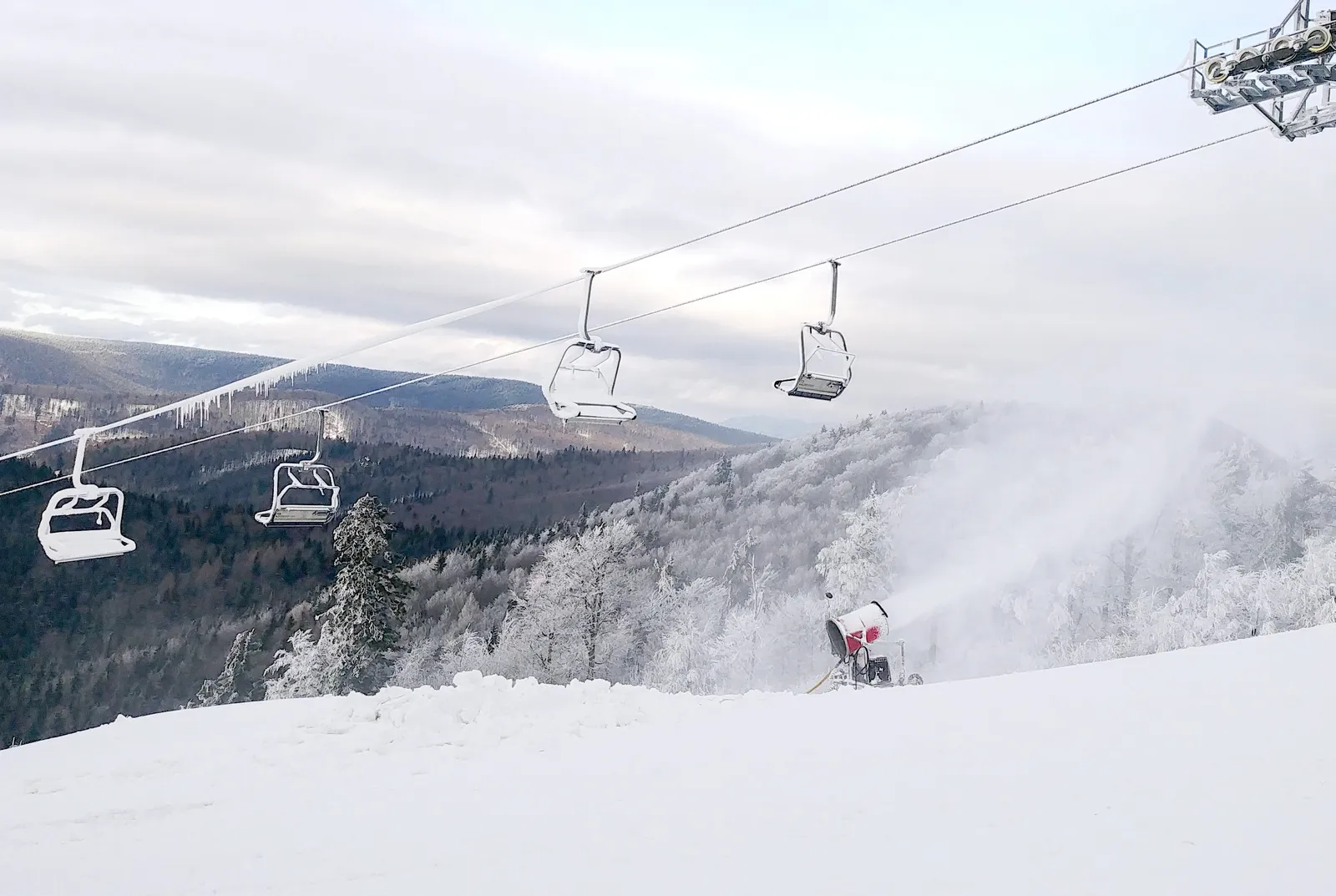
The initial goal for most crews is to establish a top-to-bottom run with tree-to-tree coverage and a packed snow base of approximately 18 inches. Once a run can open, crews continue snowmaking into mid-December and then expand the machines across the mountain to supplement natural snowfall.
Snowmaking typically requires sustained favorable conditions for 48 to 72 hours to produce a sufficient layer of snow across the slopes, as this prolonged period allows for gradual accumulation. The broader goal across the season is to achieve a base depth of approximately 4 feet of snow for the best possible skiing and snowboarding experience. Getting from bare ground to a rideable surface is not one night’s work. It is a carefully managed progression.
Technology Is Changing the Game, But Boots Stay on the Ground
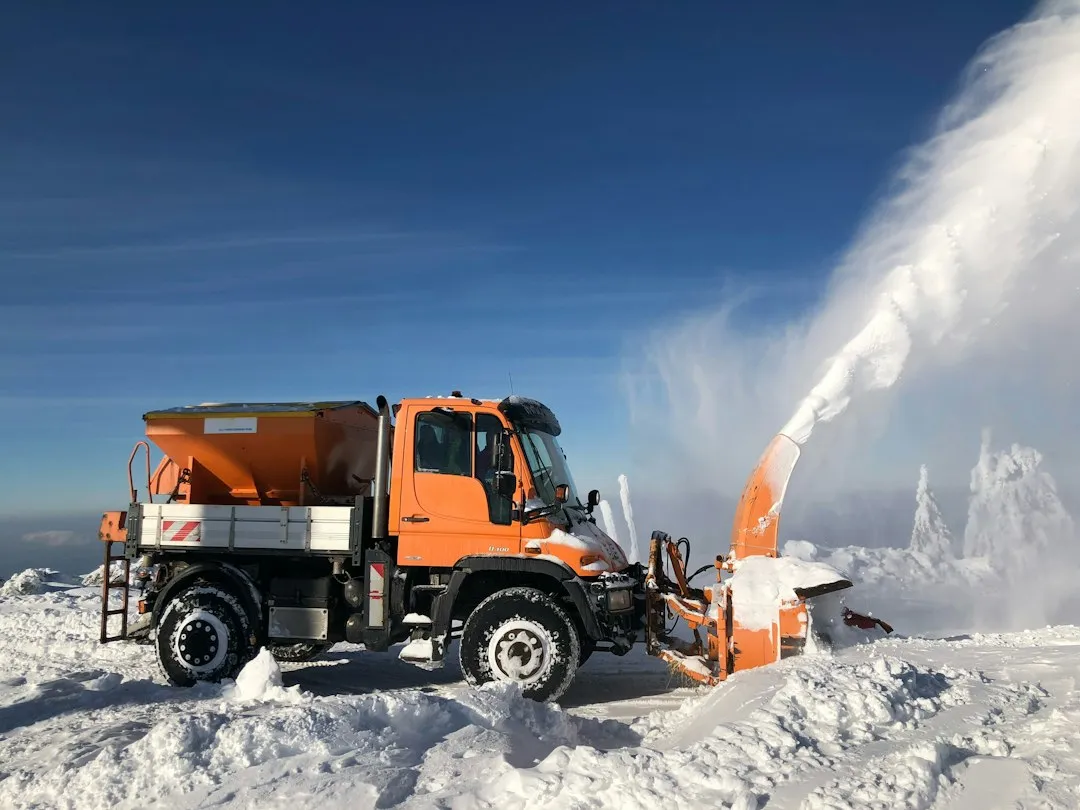
Innovations in snowmaking technology continue to expand what’s possible. Loveland Ski Area integrated a LiDAR and GPS system that tells crews exactly how deep the snow is from their snowcats, allowing them to monitor water usage and identify which trails still need coverage.
Worldwide, roughly one third of ski areas currently use snowmaking systems. That share is growing steadily as shorter natural snow seasons push more resorts to invest in infrastructure. For the 2024/25 season alone, Hunter Mountain added more than 70 automated snow guns to cover an additional 50 skiable acres, while Blue Mountain Resort enhanced its snowmaking capabilities by another 17.5%.
Still, technology only goes so far. As one snowmaking manager at Deer Valley put it, the system may be nearly fully automated, but the team is always out there adjusting angles, checking coverage, and moving portable guns when needed. The machines do the heavy lifting; the people make sure it’s right.
The Quiet Satisfaction of a Run Built from Nothing
There’s something worth sitting with in the idea that the run you skied this morning didn’t exist yesterday. As one snowmaking manager put it, seeing what happens overnight – creating ski runs essentially from scratch – is a genuinely gratifying feeling. It’s not glamorous work, but it is foundational.
Snowmaking crews operate in the hours when the mountain is empty and the results of their labor are measured in acres covered, not applause received. The next time conditions are perfect and the corduroy is pristine, that’s the overnight shift you’re gliding over – engineered run by run, hour by hour, well before any chairlift started moving.
AI Disclaimer: This article was created with the assistance of AI tools and reviewed by a human editor.