
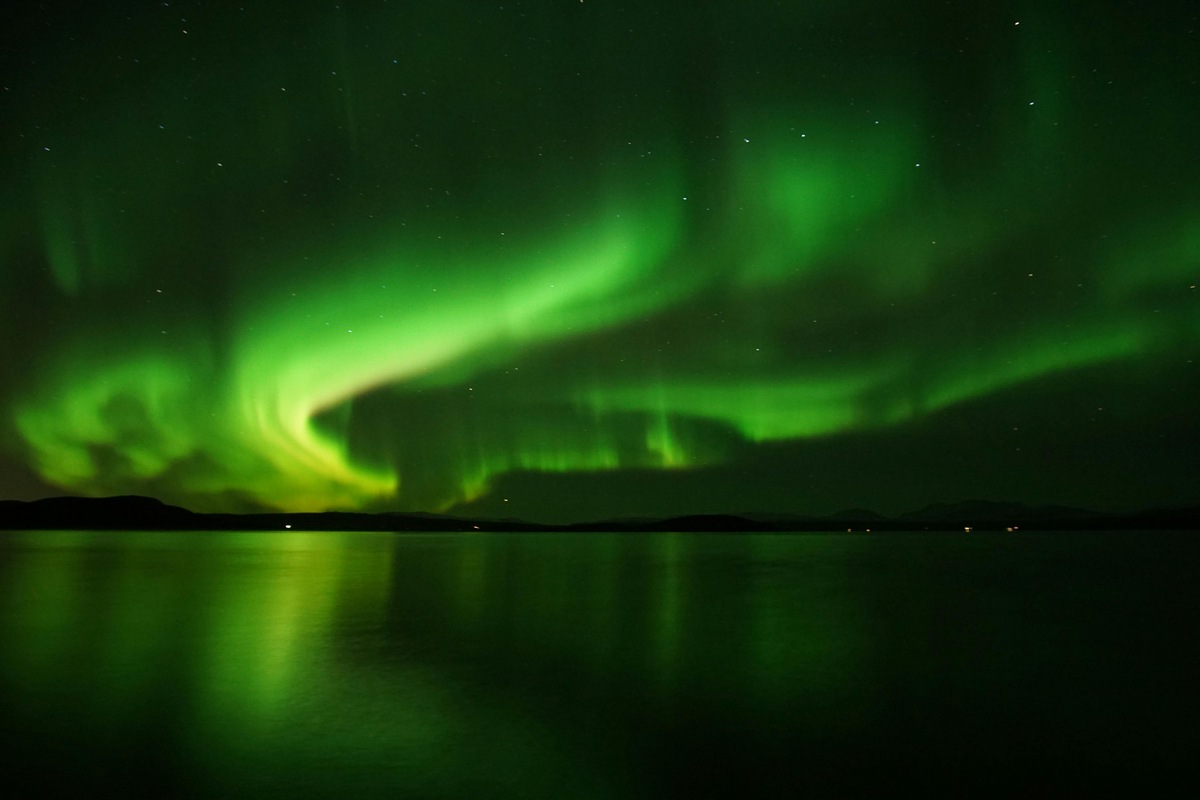

Earth has already felt the effects of multiple coronal mass ejections in recent days. Forecasters now point to a fresh solar flare that could send additional material toward the planet. The development opens a new window for aurora sightings in northern regions of the United States.
Recent Solar Events Set the Stage
Several coronal mass ejections reached Earth earlier this week. Those arrivals produced measurable disturbances in the planet’s magnetic field. Observers in higher latitudes noted auroral activity during the period.
The sequence of events followed a pattern seen in prior solar cycles. Each ejection carried charged particles that interacted with the atmosphere. The result was a temporary increase in geomagnetic activity.
New Flare Adds to the Outlook
A solar flare observed over the weekend now draws attention from space weather monitors. Analysts indicate the associated material may be directed toward Earth. Timing suggests possible effects within the next day or two.
Such flares often precede geomagnetic storms when the ejected plasma arrives. The strength of any resulting storm depends on the orientation and speed of the incoming material. Forecasters continue to refine their models as data arrives.
Geomagnetic Storm Potential and Visibility
A moderate geomagnetic storm remains the most likely outcome if the flare’s effects reach Earth. Storm levels in that range can extend aurora visibility southward from typical polar zones. Parts of the northern United States stand to benefit under clear skies.
Observers in states such as Minnesota, North Dakota, and Maine hold the strongest chances. Clear, dark conditions away from city lights improve the odds. Timing favors late evening through early morning hours on the nights when the storm peaks.
Lower-latitude sightings are possible but less certain. Conditions can shift quickly based on the exact arrival time and intensity of the solar wind. Updates from monitoring agencies will clarify the picture as the event unfolds.
Practical Steps for Viewers
Those hoping to see the display should check local forecasts for cloud cover. Light pollution remains a key obstacle in populated areas. Rural locations or elevated vantage points offer better results.
Patience helps, as displays can appear and fade over several hours. Cameras with long exposures often capture colors that the naked eye misses. Apps that track geomagnetic indices provide real-time guidance on activity levels.
Looking Ahead
Solar activity follows an approximately eleven-year cycle that is currently on the rise. Additional flares and ejections are expected in the months ahead. Each event carries the possibility of further aurora opportunities for North American viewers.
Continued monitoring by agencies such as the National Oceanic and Atmospheric Administration will track developments. The current sequence illustrates how solar events can produce repeated viewing chances within a short span. Clear skies and favorable timing remain the decisive factors for those planning to watch.
AI Disclaimer: This article was created with the assistance of AI tools and reviewed by a human editor.