
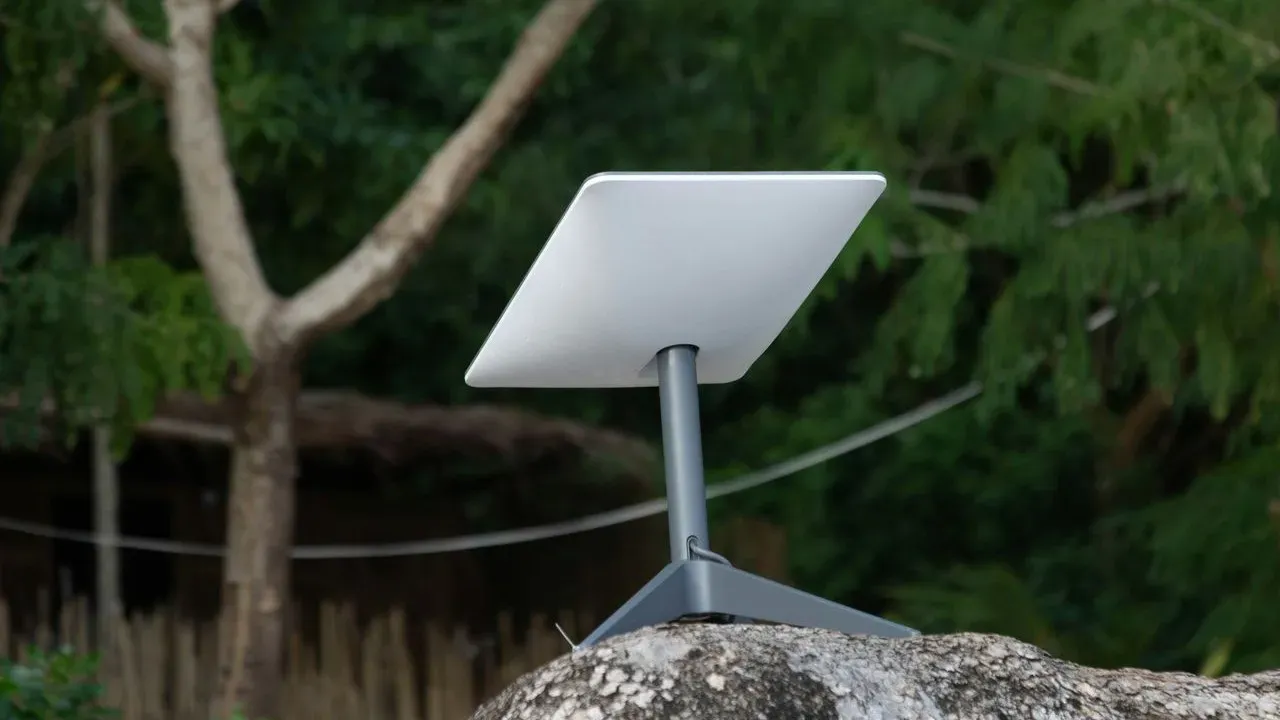

Remote islands and rural communities across the Philippines stand to gain reliable internet access as Starlink expands its service in 2026. Travelers and remote workers planning extended stays now have a clearer picture of what it takes to stay connected in places where traditional infrastructure remains limited. The service brings practical options for those who value both exploration and the ability to work or stay in touch from off-grid locations. ([1])
Reaching Farther Shores
Starlink’s satellite network opens new possibilities for purposeful travel in the Philippines. Long-stay visitors often seek out quieter islands or mountain regions where cellular coverage can be inconsistent. With this option available, travelers can maintain contact with family, manage work responsibilities, or share stories from places that once felt cut off. The expansion supports a growing interest in responsible, extended visits that benefit local economies without overwhelming popular hubs.
Communities in more isolated areas stand to see indirect advantages as well. Reliable connectivity can assist small businesses, educational efforts, and emergency coordination when needed. For visitors, it means the freedom to linger longer in culturally rich settings while remaining reachable.
Understanding the Investment
The hardware kit starts at PHP 14,900, providing the essential equipment for satellite access. Monthly service runs at PHP 4,099, which covers ongoing connectivity for users who commit to the plan. These figures give travelers a concrete starting point when budgeting for a multi-month stay in remote locations.
Year-one totals naturally include both the initial kit purchase and twelve months of service. A demand surcharge may apply depending on local capacity and sign-up timing. Prospective users benefit from reviewing current terms directly, as pricing structures can shift with demand and regional rollout phases.
Contract Terms and Flexibility
A twelve-month commitment forms the standard agreement for new subscribers. This structure encourages steady use while allowing the network to grow in underserved regions. Travelers considering shorter visits may weigh the full term against their planned itinerary before proceeding.
The demand surcharge reflects efforts to manage capacity in high-interest areas. It encourages thoughtful adoption rather than rushed sign-ups. Those planning ahead can often align their arrival with periods of lower pressure on the system.
Staying Online During Outages
Power interruptions, known locally as brownouts, occur from time to time in parts of the Philippines. Starlink users can maintain service through simple preparations such as backup batteries or small generators. These measures keep the terminal running when the main grid fluctuates.
Many remote travelers already carry portable power solutions for other devices. Adding the satellite terminal to that setup requires minimal extra planning. The result is continued access to weather updates, navigation tools, and communication channels even when local electricity pauses.
Thoughtful preparation turns connectivity into a steady companion rather than a fragile luxury. As more visitors discover the Philippines’ quieter corners, options like Starlink help balance adventure with the practical needs of modern life. The focus remains on respectful presence and genuine connection to the places travelers choose to call home for a while.
AI Disclaimer: This article was created with the assistance of AI tools and reviewed by a human editor.