
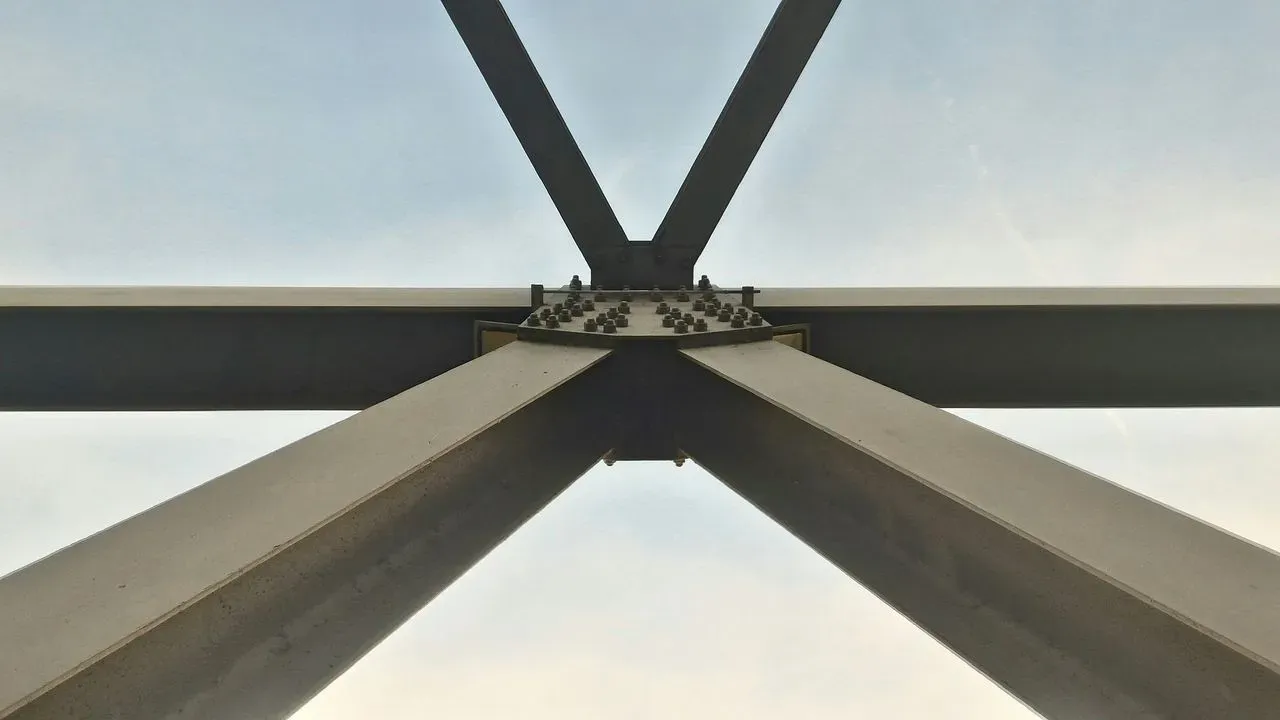

Stephen Siller Jr. has spent the past four months guiding a 16,900-pound steel beam recovered from the World Trade Center through dozens of American cities. The journey forms a deliberate route that links communities across the country with a single physical reminder of shared history. Each stop allows residents to pause and reflect on the beam’s presence in their own public spaces.
Mapping the Four-Month Route
The tour began earlier this year and has already reached multiple states, with the beam transported by specialized equipment suited to its size and weight. Organizers planned the itinerary to include both large metropolitan areas and smaller towns, creating a continuous thread from one region to the next. Logistics required careful coordination with local authorities to secure permits and safe passage along highways and city streets. The schedule remains fluid enough to accommodate additional stops as interest grows. Each leg of the journey highlights the practical challenges of moving such a massive artifact while keeping the focus on respectful presentation at every site. Communities receive advance notice so they can prepare simple viewing areas without elaborate ceremonies.
Why This Particular Beam Matters
The steel section carries personal significance for the Siller family, who view it as a tangible connection to the events of 2001. Stephen Siller Jr. has described the beam as embodying his father’s spirit, turning the cross-country movement into a private act of remembrance made public. The choice to share the artifact rather than keep it in one location extends that meaning to anyone who encounters it along the way. Viewers at each stop see the beam in its raw industrial form, marked by the history it survived. No interpretive displays or added elements alter its appearance, allowing the material itself to speak. This approach keeps the experience direct and grounded for every participant.
Communities That Host the Stops
Cities and towns along the route have responded by opening parks, plazas, and civic spaces for brief viewings. Local residents often gather quietly, sometimes leaving small tokens or simply standing in silence for a few minutes. The visits create temporary focal points that draw people together without requiring formal events or speeches. Schools and civic groups have used the arrivals as opportunities for conversations about service and memory. The beam’s presence encourages younger generations to ask questions and older residents to share personal recollections. These exchanges happen organically at each location rather than through structured programs. The tour continues through the remaining weeks of the four-month window, with final stops still being confirmed. By the time the beam returns to its permanent home, it will have passed through a wide cross-section of the United States, leaving behind a record of quiet encounters in dozens of places.
AI Disclaimer: This article was created with the assistance of AI tools and reviewed by a human editor.