
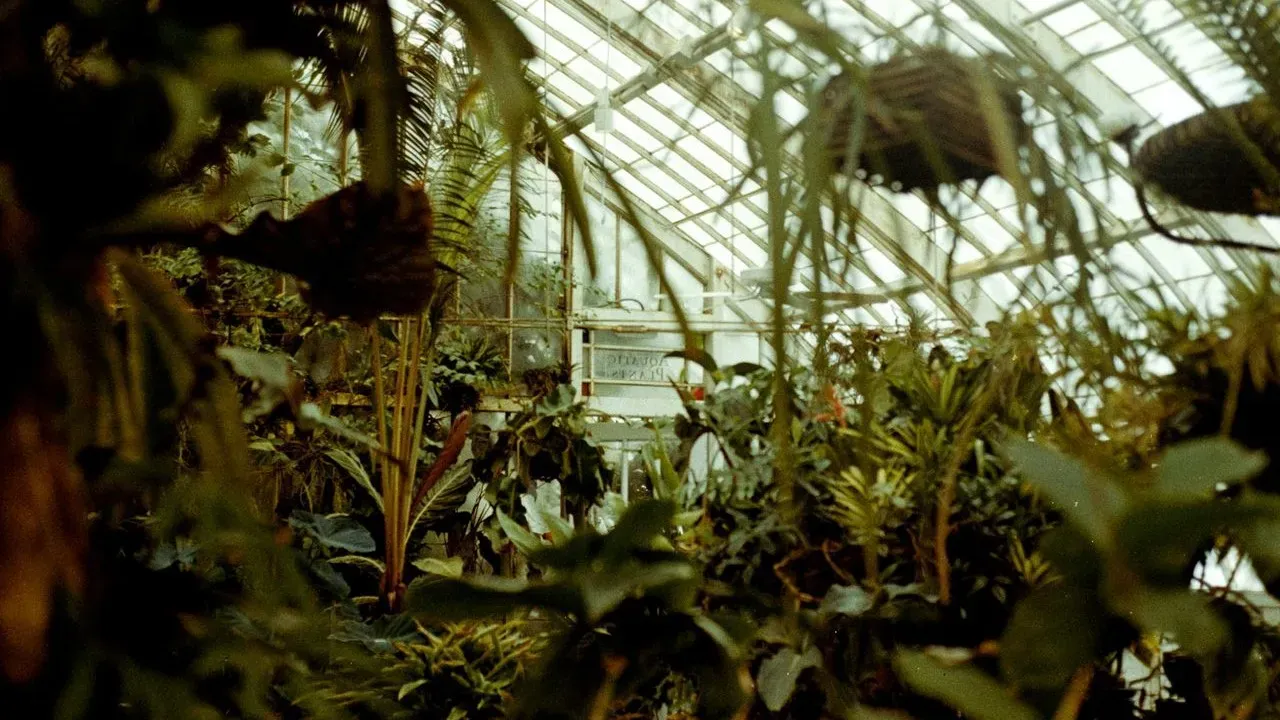

San Francisco Botanical Garden occupies 55 acres within Golden Gate Park, where carefully curated plant collections recreate distinct ecosystems from around the world. On a cool, foggy morning last May, a group of travel writers gathered for a guided walk that highlighted how these living landscapes sit side by side in one urban setting. The experience offered a tangible sense of global plant diversity without requiring long-distance travel.
The Garden’s Place in Golden Gate Park
Golden Gate Park stretches across more than a thousand acres on the western edge of San Francisco, and the botanical garden occupies a central portion of that green space. Established more than a century ago, the garden has grown into a living archive of plants organized by geographic origin and climate. Its location within the larger park makes it easily reachable by public transit or on foot from other park attractions. Visitors often begin at the main entrance near the Japanese Tea Garden and move southward into the botanical collections. The layout encourages a natural progression from one region to the next, with paths that wind through different elevations and moisture levels. This arrangement allows the same afternoon to include both cool, misty environments and drier, sun-exposed zones.
Following a Guided Walk Through Distinct Regions
The May walk organized for Bay Area Travel Writers moved deliberately through several themed sections. Guides pointed out how each area replicates the conditions of its home continent, from soil composition to seasonal rainfall patterns. Participants noted the quiet shift in light and scent as they crossed from one collection into another. Such guided experiences emphasize observation over haste. Walkers learn to notice leaf shapes, bark textures, and the way certain plants cluster together in their native habitats. The format suits both first-time visitors and those returning to deepen their understanding of plant geography.
Plant Collections That Span the Globe
The garden maintains dedicated areas representing ecosystems from Chile, South Africa, Australia, and cloud forests of Central and South America. Each section features species adapted to those specific conditions, creating pockets of biodiversity that feel distinct from one another. – The Chilean collection showcases plants from the Andes and coastal regions, including hardy shrubs and trees that thrive in Mediterranean-style climates.
– South African plants highlight the Cape Floristic Region, with its remarkable variety of proteas and restios.
– Australian sections feature eucalyptus and banksia species that reflect the continent’s dry woodlands and heathlands.
– Cloud forest displays recreate the cool, humid environments found at higher elevations in tropical mountains, complete with epiphytes and ferns. These groupings sit within footsteps of each other, illustrating how dramatically vegetation can change across short distances when climate and geography differ.
Why the Experience Rewards Slow Exploration
Spending time in the garden encourages attention to seasonal changes and the quiet work of conservation. Many of the plants come from regions facing habitat pressure, and the collections serve as living references for researchers and horticulturists. The setting also provides a calm counterpoint to the surrounding city, with benches and quiet paths that invite lingering. The 55-acre scale means a visitor can cover the major collections in a focused afternoon while still leaving room for repeated visits as plants bloom or new sections open. The garden remains open year-round, with different highlights emerging in each season. The San Francisco Botanical Garden demonstrates how a single urban park can hold an entire world of plant life. Its collections reward those who arrive curious and willing to move slowly between continents.
AI Disclaimer: This article was created with the assistance of AI tools and reviewed by a human editor.