
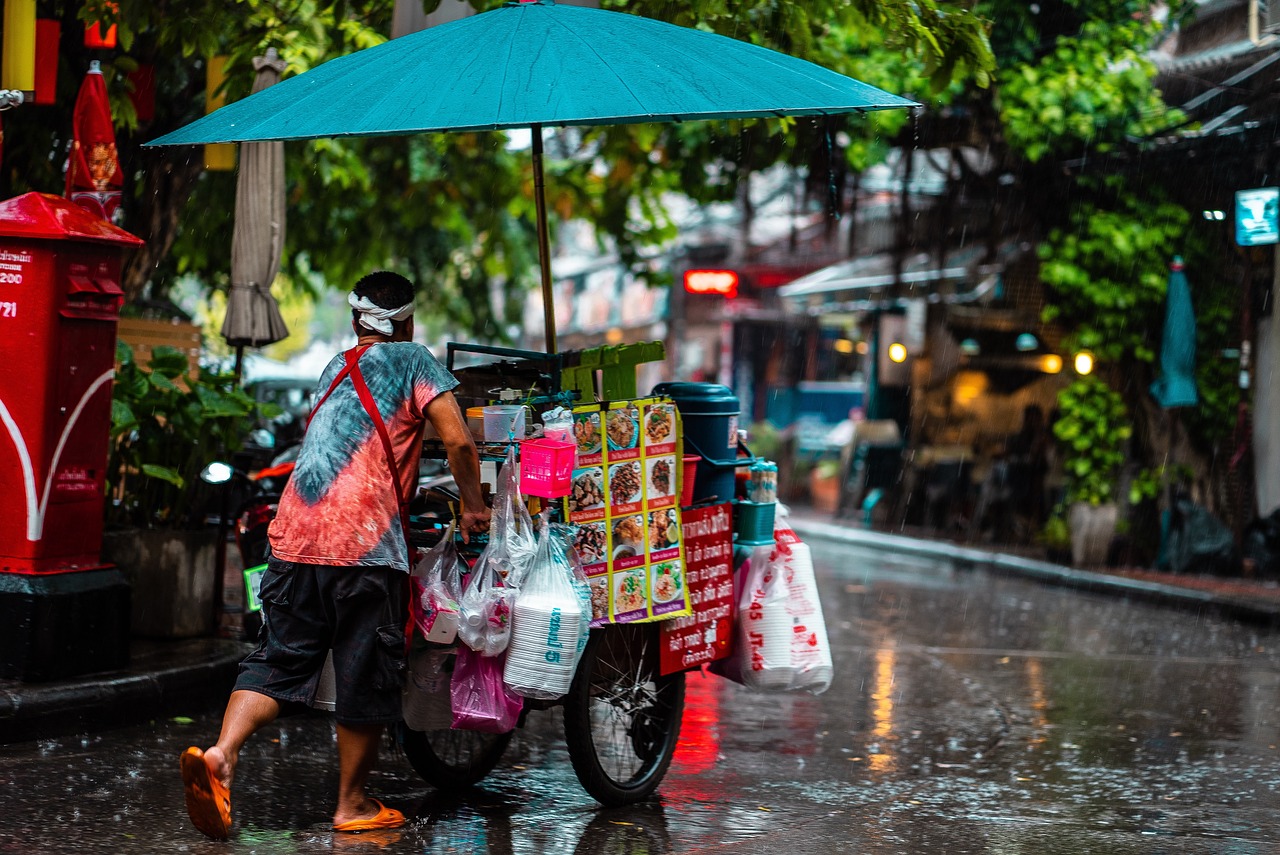

There’s a particular moment of confidence you notice in a local at a street food stall. No menu-scanning, no asking what’s good. They already know. They reach the front of the line, name their dish without hesitating, and step aside while you’re still squinting at the handwritten board overhead.
That instinct is built over time, shaped by neighborhood routines and quiet, accumulated trust in a specific vendor. From bustling night markets in Asia to vibrant food stalls across South America, street food has long been a staple in communities across the globe, offering something deeper than flavor: a unique connection to local culture and a sense of belonging. What you order when no one is watching you tells the real story of a place. Here are ten street food orders that locals reach for first, and why they matter.
Tacos in Mexico City: The Undisputed Opener
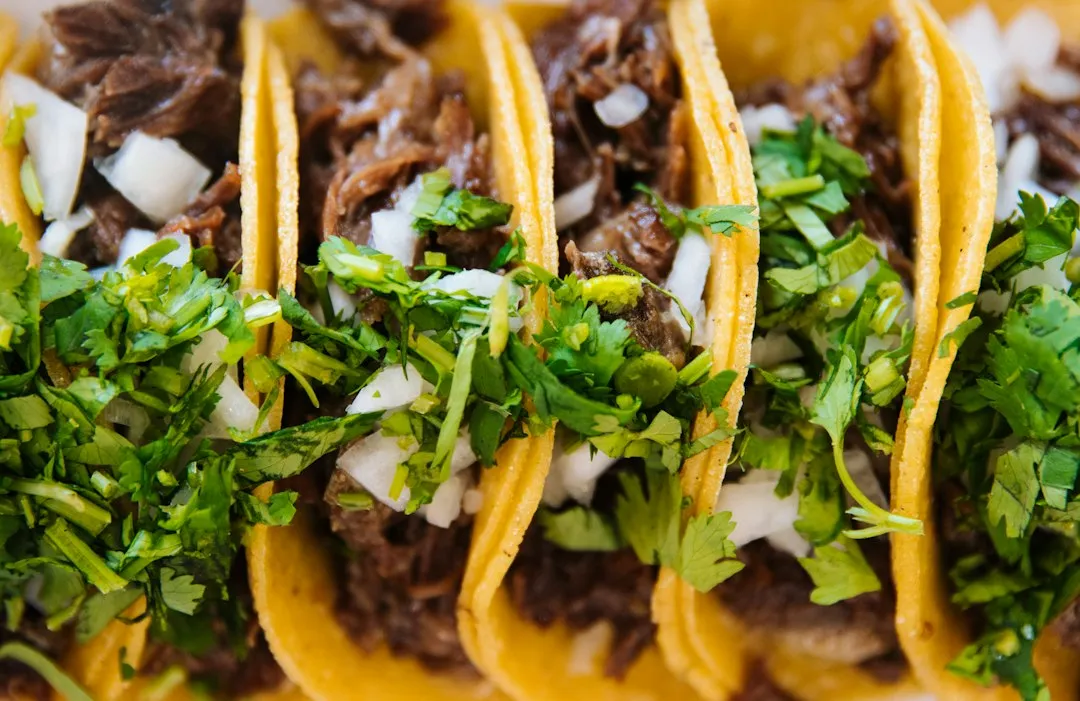
Wherever you stand in Mexico City, a taco stall is never more than a short walk away. Locals don’t treat tacos as a special occasion food. They’re breakfast, a midday fix, and sometimes a late-night cap.
Tacos, ranked first globally and originating from Mexico, are a staple street food consisting of soft tortillas filled with meat, beans, and salsa. The local preference skews toward al pastor or suadero on a hot comal, with a squeeze of lime and nothing extra.
Mexico City has always been a hub of street food culture, so much so that its food has more than just flavor: it has history. Urban street food trends in Mexico City focus on authenticity, and food in Mexico tells a people’s story rooted in their history. That reverence for origin is exactly why locals instinctively bypass the elaborate presentation and reach for the simplest version on the menu.
Pad Kra Pao in Bangkok: The Real Daily Staple
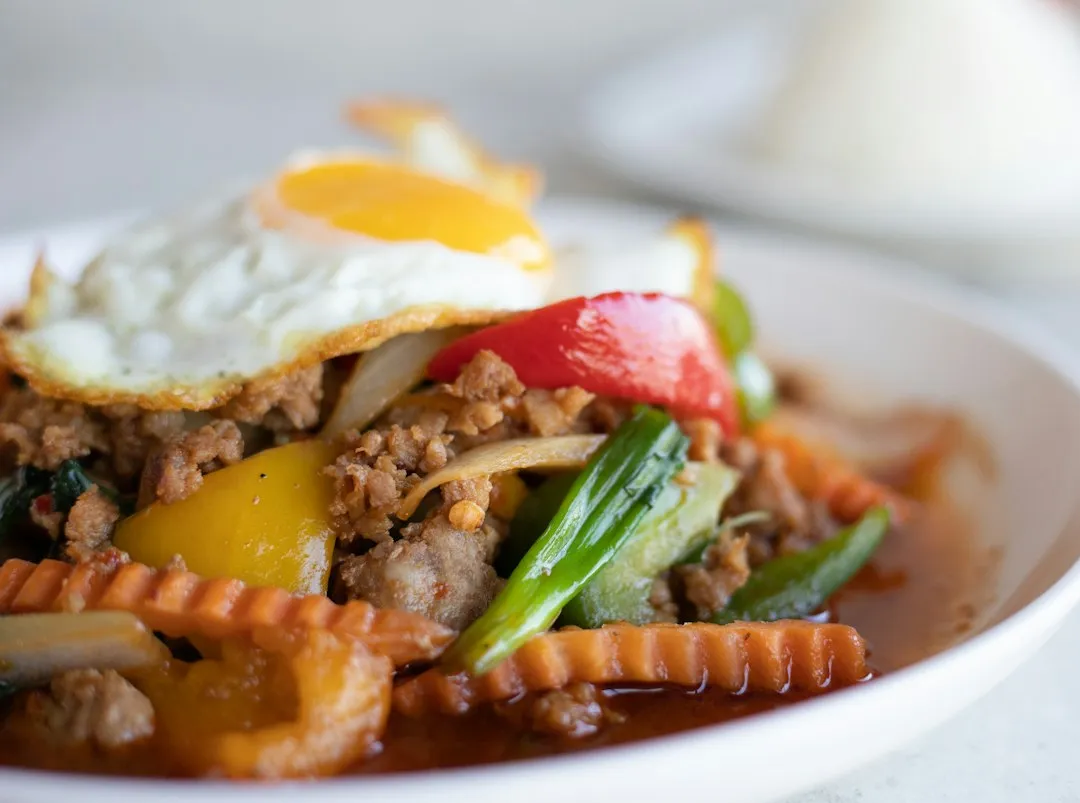
Tourists tend to order Pad Thai first. Locals in Bangkok, though, almost always start with pad kra pao. It’s faster, cheaper, and more satisfying in a workaday sense.
Pad kra pao is a flavorful stir-fry with holy basil, chili, and minced meat, usually served with rice and a fried egg, and it’s one of the most popular everyday meals among locals. The dish is done in minutes on high heat, which keeps turnover fast and lines short.
Street food in Bangkok is available around the clock, from morning markets to late-night stands, and vendors cook right in front of you, ensuring fresh flavors every time. For locals who eat from street stalls multiple times a day, that freshness and speed are exactly the point.
Chaat in Mumbai: The Opener That Wakes Everything Up
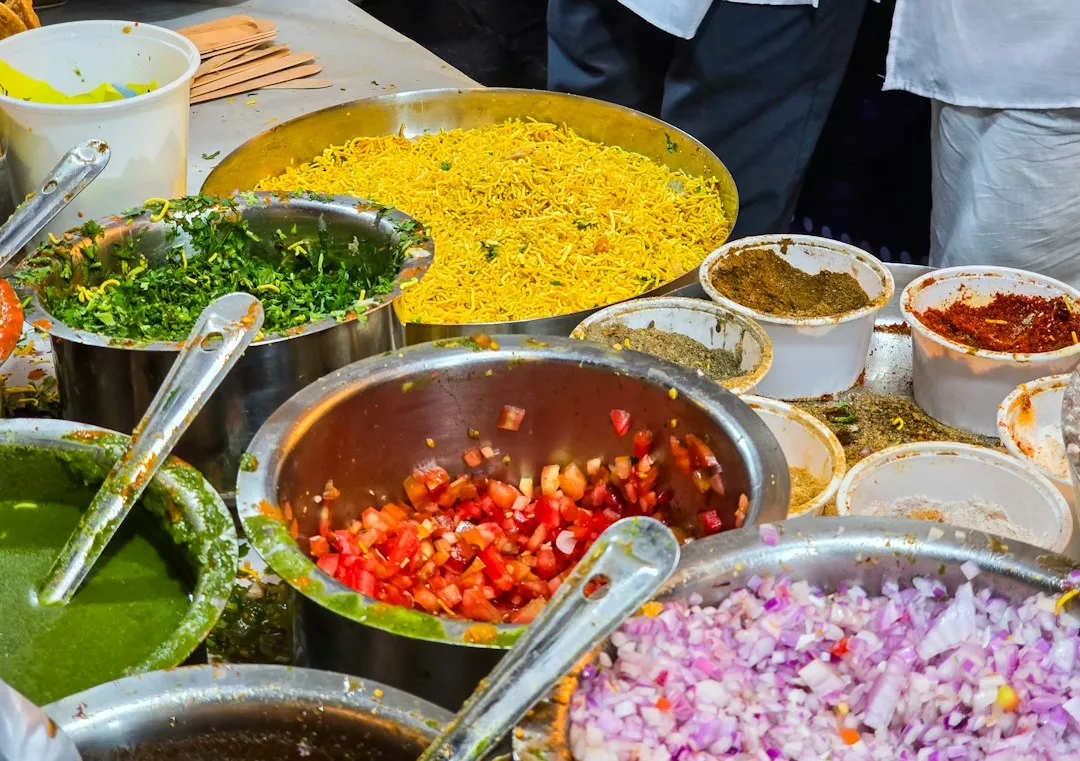
Before a proper meal, before the evening gets going, Mumbaikars reach for chaat. It’s sour, spiced, texturally complex, and entirely suited to the city’s pace.
Pakistan’s chaat is much loved across South Asia, with its flavorful blend of spiced potatoes, chickpeas, and tangy tamarind. In Mumbai, the dish arrives in many regional variations, but the core combination of contrasting flavors is always the draw.
In Mumbai, vendors are reviving ancient grains like millets and combining them with fresh chutneys for a nutritious twist on classic snacks. Even long-standing chaat vendors are quietly modernizing their recipes without disturbing the familiar balance that regulars trust.
Tamales y Atole in Mexico City: The Breakfast Ritual
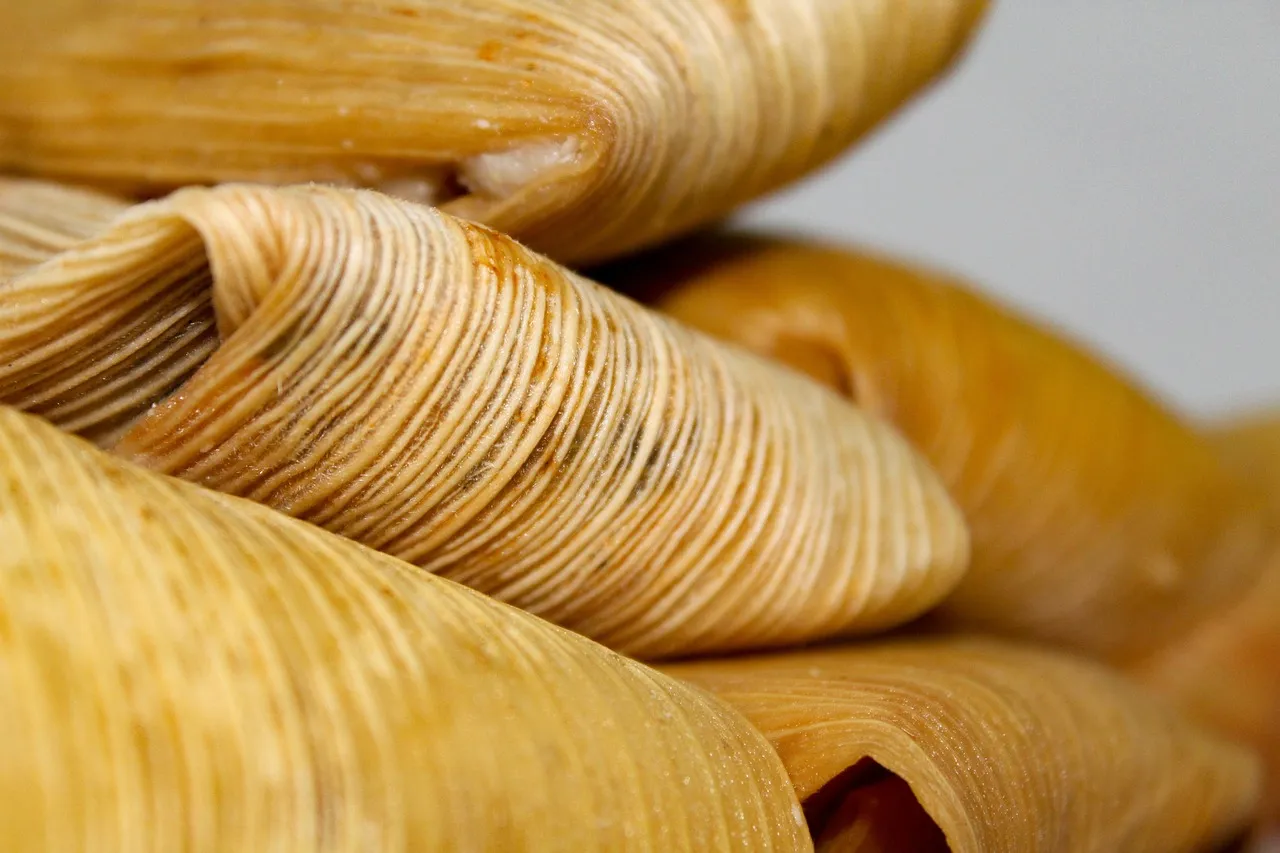
Before the city properly wakes up, the tamale carts are already drawing lines. This is the order that working Mexicans have been placing for generations, and it hasn’t changed much.
Tamales y atole is a traditional breakfast meal that is like the Mexican version of donuts with coffee. The warm masa and the thick, flavored corn drink are a self-contained morning, portable and affordable in a way that no café breakfast can match.
The ritual quality of this order is part of what makes it meaningful. It’s not just food. It’s a fixed point in a variable day, which is precisely why locals reach for it without thinking.
Pad Thai in Bangkok: The Dish That Keeps Its Reputation
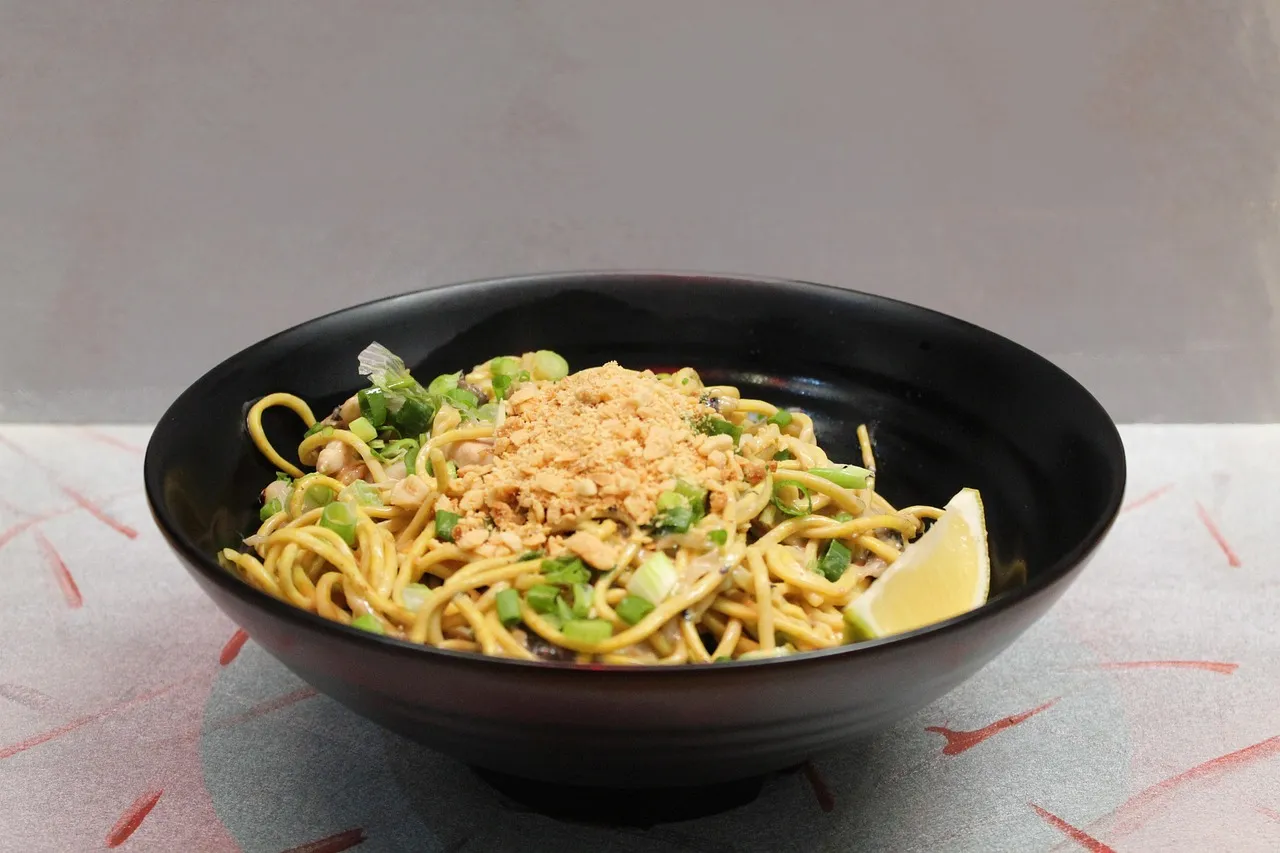
Yes, locals eat Pad Thai too. The misconception is that it’s only a tourist order. In reality, it’s a foundational dish that earns its place in the daily rotation among Bangkok residents as well.
Pad Thai is considered the best-known of all Bangkok street foods globally, and in many ways the dish that launched Thai cuisine to worldwide popularity. The local version is more restrained than the export edition, with a drier wok and a cleaner sour note from dried shrimp and tamarind.
Pad Thai is Thailand’s most famous noodle dish, stir-fried with eggs, tofu, and your choice of meat or seafood, and some stalls specialize entirely in perfecting this classic. When a vendor does only one thing, it tends to be done very well, and locals know which stalls those are.
Roti Canai in Malaysia: The Breakfast That Needs No Explanation
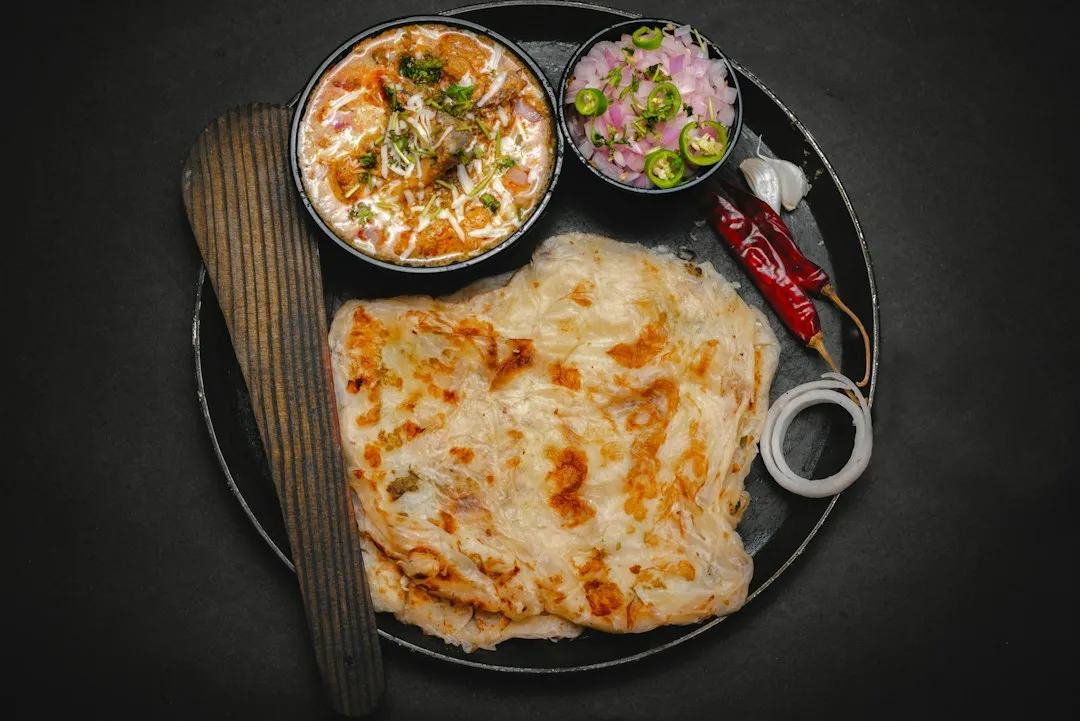
Across Malaysia, roti canai is a morning institution. You don’t really choose it from a menu. You sit down, and it arrives, often before you’ve said anything at all.
Malaysia’s roti canai, a flaky flatbread typically paired with a rich curry sauce, provides a delicious snack. For locals, it’s less of a snack and more of a daily anchor, shared at mamak stalls over strong teh tarik in the early hours.
The dish is democratic in a way that few street foods are. It costs next to nothing, it’s available in nearly every neighborhood, and the combination of flaky dough with curry dipping sauce satisfies in a way that doesn’t call for any substitution.
Elote in Mexico: The Street Corn That Travels Everywhere
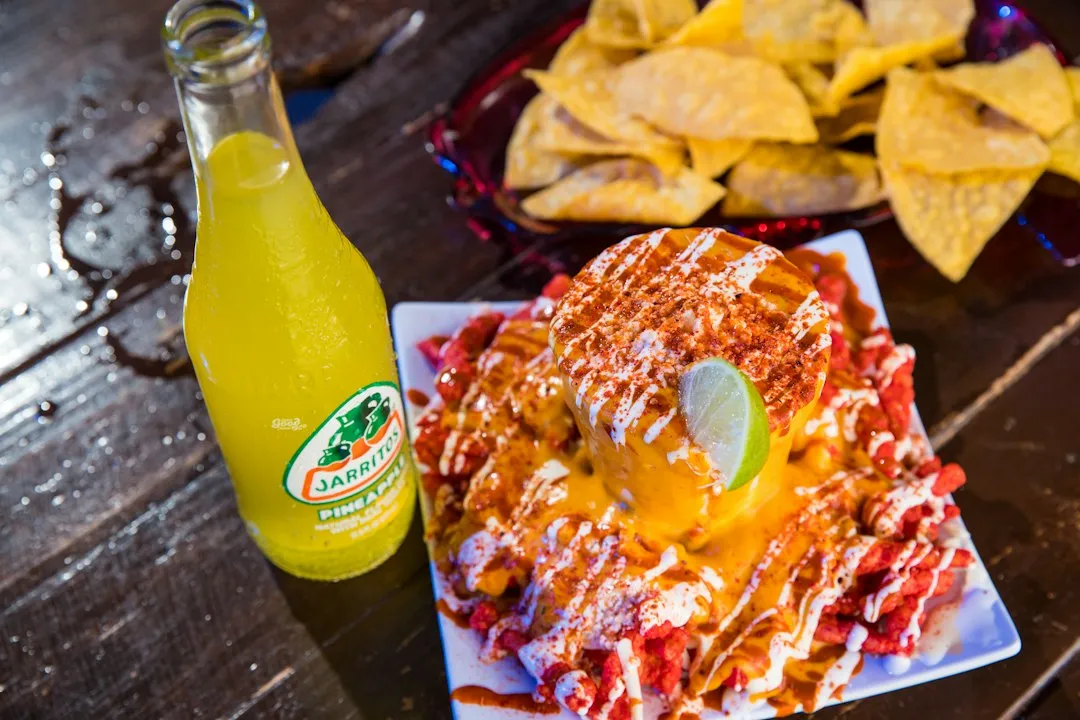
Few street orders are as immediately recognizable as elote. The corn cart vendor, the particular smell of char and chili, the lime squeezed at the end. It’s everywhere in Mexico, and locals pick it up the way you’d grab a coffee.
Local specialties like Mexican elote are gaining an international audience, fast becoming an American county fair staple. The global spread of elote says something about how well the flavor combination travels, but the original street version eaten on a stick is still the one locals prefer.
Indian chaats, Middle Eastern falafel, and Mexican elote represent the kind of plant-based street foods that many global cultures rely on heavily. Elote fits into that category not by design but by tradition, which is what gives it staying power beyond food trends.
Falafel in the Middle East: The Order That Never Gets Old
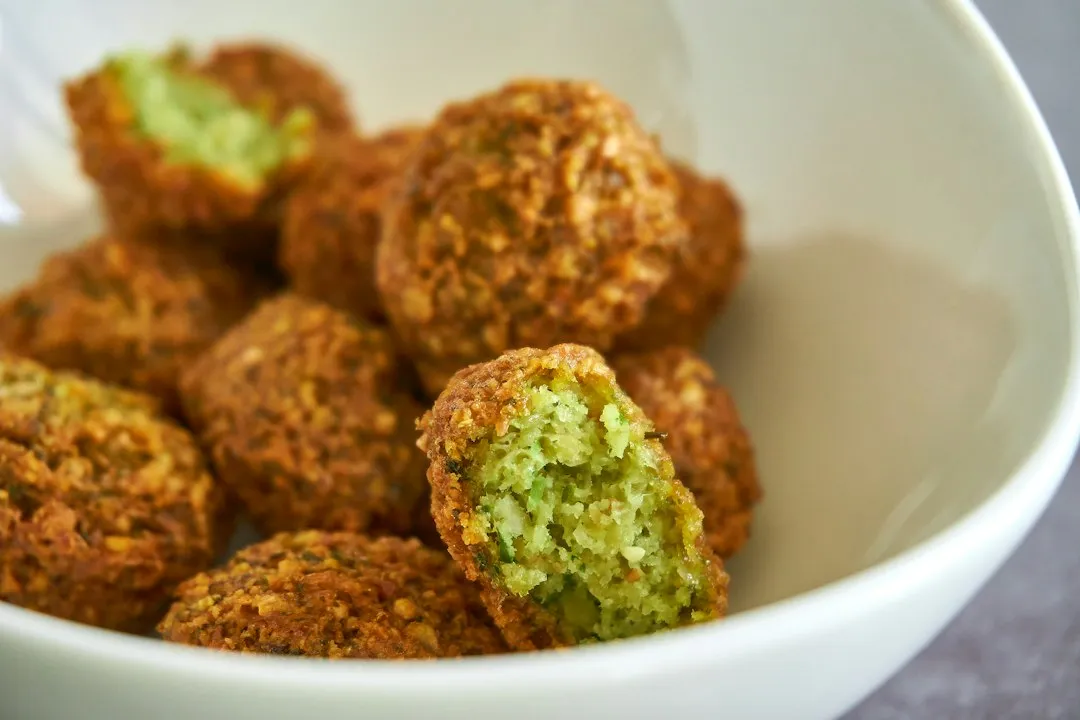
In cities like Beirut, Cairo, and Amman, falafel isn’t a novelty or a health statement. It’s just lunch. The order is placed fast: three pieces, warm pita, a swipe of tahini, maybe some pickles.
Even deep-fried favorites like falafel are increasingly being baked or air-fried by some vendors to reduce fat content. That said, the fried version is still what the regulars want. The crisp exterior and herb-flecked interior from a hot pan are the whole point.
The top drivers for choosing street food globally are enjoyment, experience, value for money, and a positive experience. Falafel delivers on all of those simultaneously, which is why it continues to be the first order placed at thousands of stands across the Middle East every single morning.
Kebab in Europe’s Street Food Corridors
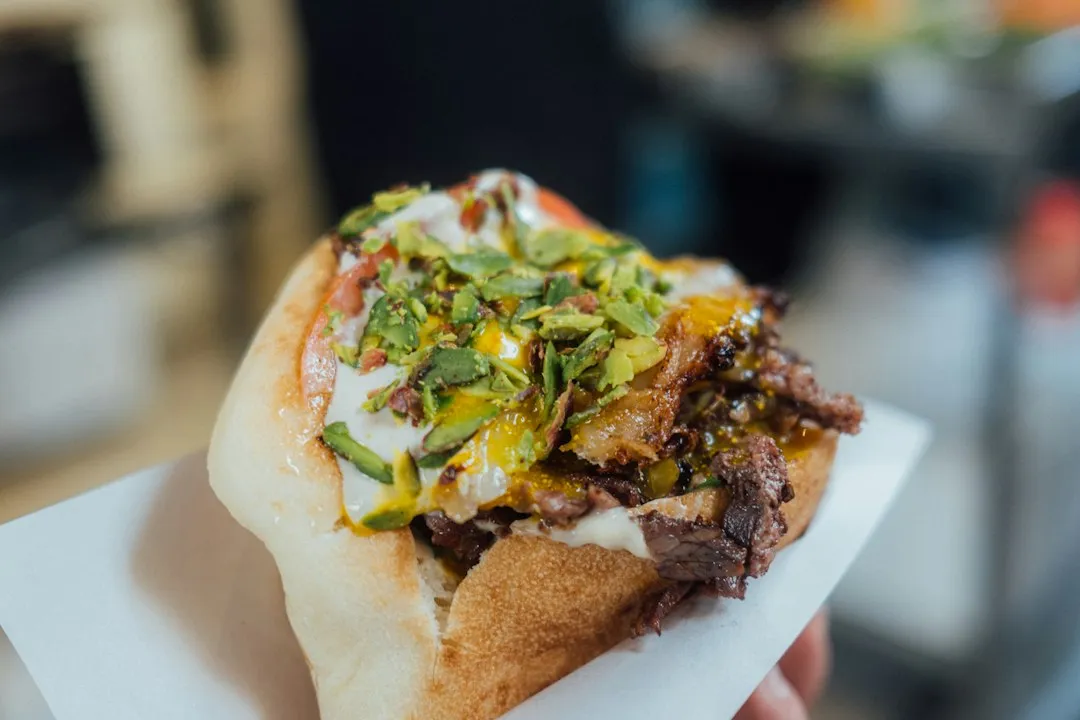
Across German cities, Turkish neighborhoods in Vienna, and the busy streets of London, the döner kebab has quietly become one of the most reliable street food orders on the continent.
Kebab shops are finding ubiquity throughout Europe, a sign of just how thoroughly this dish has integrated itself into the street food habits of European locals, not just the immigrant communities that first brought it.
Among the most frequent street food consumers, men aged 19 to 30 are the dominant demographic, especially drawn to burgers, kebabs, and similar handheld options. The kebab’s portability, warmth, and satisfying weight make it a natural first order, especially in the evening when appetite and convenience align.
The Bowl of Pho in Vietnam: Morning, Without Question
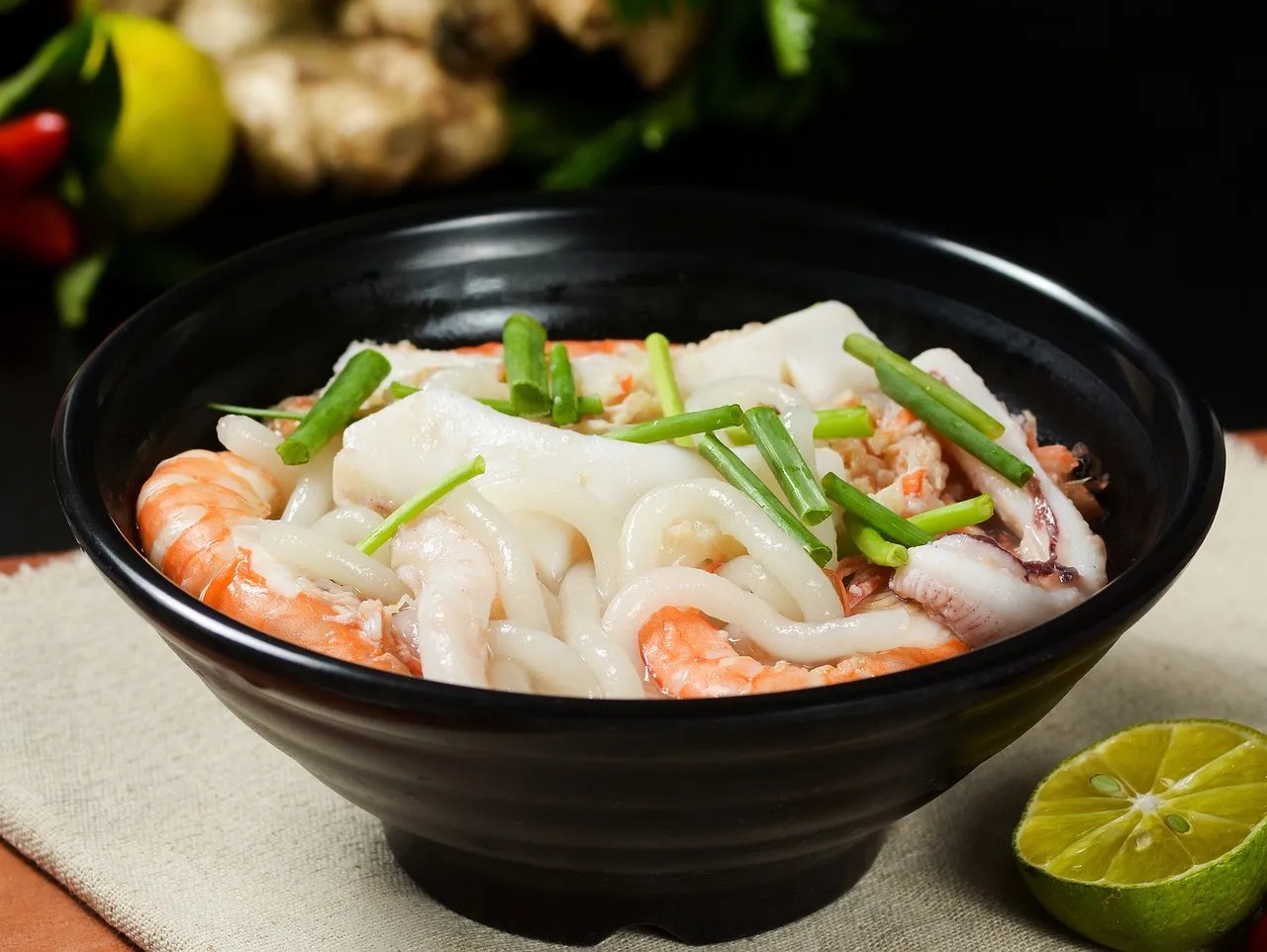
In Hanoi or Ho Chi Minh City, pho is not a dinner dish. It’s how the day starts. Locals arrive at their regular stall before most of the city has stirred, settle onto a small stool, and wait for a bowl that’s been simmering through the night.
A warm bowl of pho is one of the world’s most recognizable street food experiences. The clear broth, the flat rice noodles, the fresh herbs added tableside: every element is deliberate and unchanged by trend or season.
Passionate street vendors serve up fiery wok-tossed noodles and richly prepared dishes to over 2.5 billion people every single day. Pho is central to that global picture, but the local habit of eating it at dawn, as a quiet and familiar ritual, is something that no food trend can replicate or replace.
What Locals Already Know That Menus Don’t Tell You
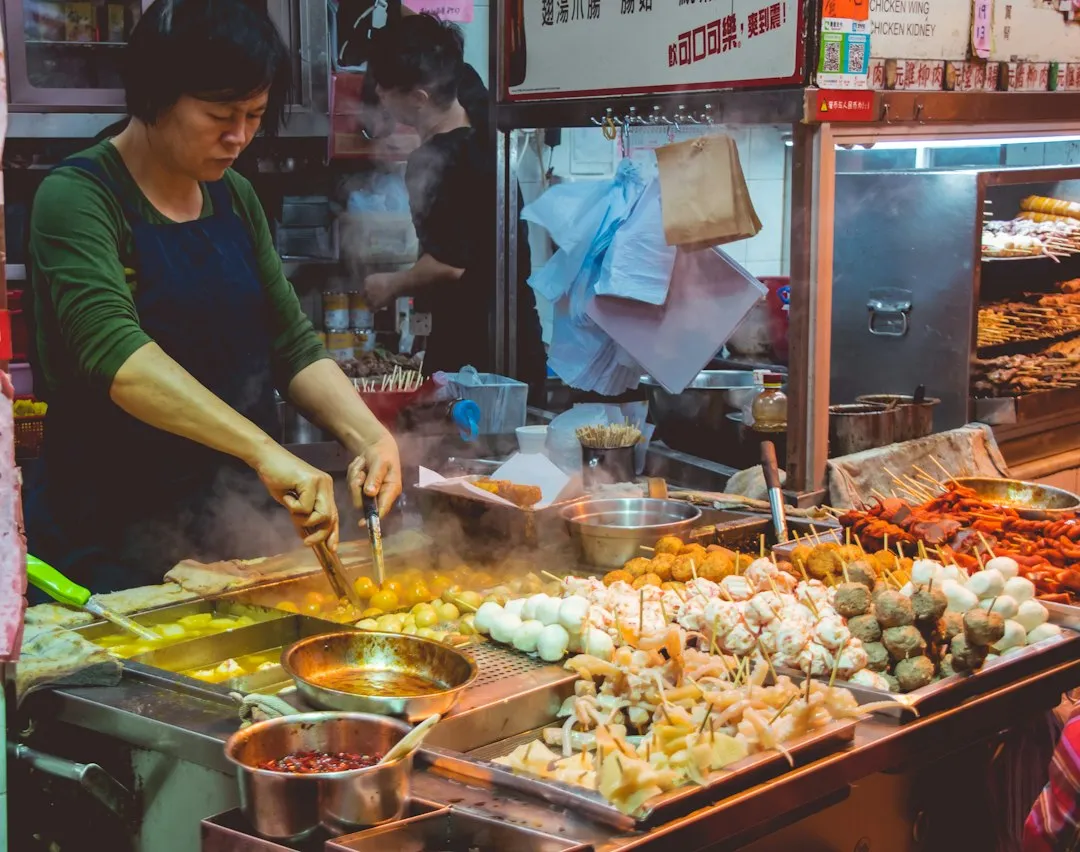
The pattern across all ten of these orders is striking. Locals choose dishes that are fast, affordable, deeply familiar, and prepared by someone they trust. There’s rarely anything flashy about the first order.
A 2024 survey found that roughly two thirds of American diners say street food offers the most authentic taste of a destination compared to formal restaurants. That authenticity isn’t accidental. It comes from vendors who have been making the same dish for years, sometimes decades, without diverting from the recipe that earned their regulars.
Globally, consumers are steadily integrating street food into their daily lives, seeking a culinary experience that offers variety and convenience. Still, what separates a tourist order from a local one is almost never variety. It’s the opposite: a settled, confident choice made out of quiet knowledge rather than curiosity.
The next time you’re standing at a street food stall somewhere unfamiliar, watch who arrives right before you. Notice what they say without looking at anything. That order, spoken without hesitation, is almost certainly the one worth getting.
AI Disclaimer: This article was created with the assistance of AI tools and reviewed by a human editor.