

The Depth That Changes Everything
Commercial underwater tours typically descend to around 30 to 40 meters, well within recreational limits. That range is not arbitrary. It sits precisely at the threshold where light physics and marine biology align to produce the most visually dramatic underwater environment accessible to ordinary passengers.
By about 20 to 30 meters below the surface, clear ocean water absorbs every color other than blue. Violet, green, yellow, orange, and red disappear, leaving a narrow band of wavelengths in the blue range. The result is an eerie, luminous stillness that no photograph fully captures.
At 10 meters depth only 16% of the original surface light is still present, and only 1% remains at 100 meters. Pilots who have run hundreds of dives consistently point to that sweet spot around 30 meters as the place where clarity and color drama peak together before darkness begins to encroach.
Why the Color Shift Feels So Surreal
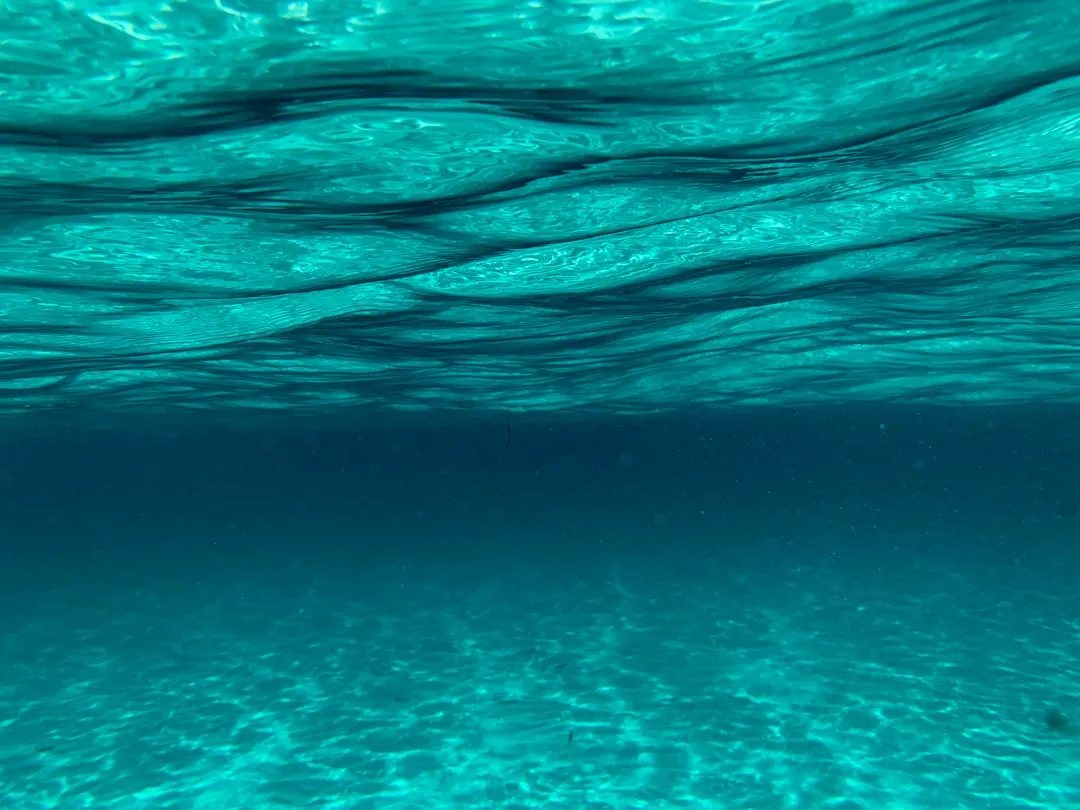
Longer wavelengths are absorbed first: red disappears in the upper 10 meters, orange by about 40 meters, and yellow is gone before 100 meters. What your eye registers from inside a viewport at depth is therefore a world stripped of warmth, washed in cool electric blue.
Longer wavelengths such as red, orange, and yellow are absorbed within about the first 50 meters of the ocean, while shorter wavelengths such as green, blue, and violet are absorbed less and reach deeper into the water. This is what gives the deeper reef zones their almost otherworldly appearance, even in clear, sunlit conditions.
Red fish appear nearly black at 20 meters, which surprises many first-time passengers who expect the ocean to look like a tropical aquarium. The science behind it is straightforward, but the actual experience through a wide acrylic viewport is something else entirely.
Hawaii: The Classic 30-Meter Descent
The Waikiki Atlantis Submarine tour takes visitors on a 90-minute journey to depths of up to 100 feet. That depth, roughly 30 meters, puts passengers squarely in the blue-light zone where Hawaiian lava rock reefs come into full, strange focus.
The Kona submarine tour offers a glimpse at the underwater riches of lava rock reefs and dozens of vibrant fish species, with large viewing windows and the ability to descend to depths of up to 100 feet, allowing passengers an incredible view of the marine life surrounding Hawaii.
Colorful tropical fish, sea turtles gracefully swimming nearby, and even occasional shark sightings are reported by passengers on good-visibility days. Good water clarity is never guaranteed on any given day, so pilots always note that visibility conditions vary with season and ocean conditions.
Barbados: 150 Feet and a Living Shipwreck
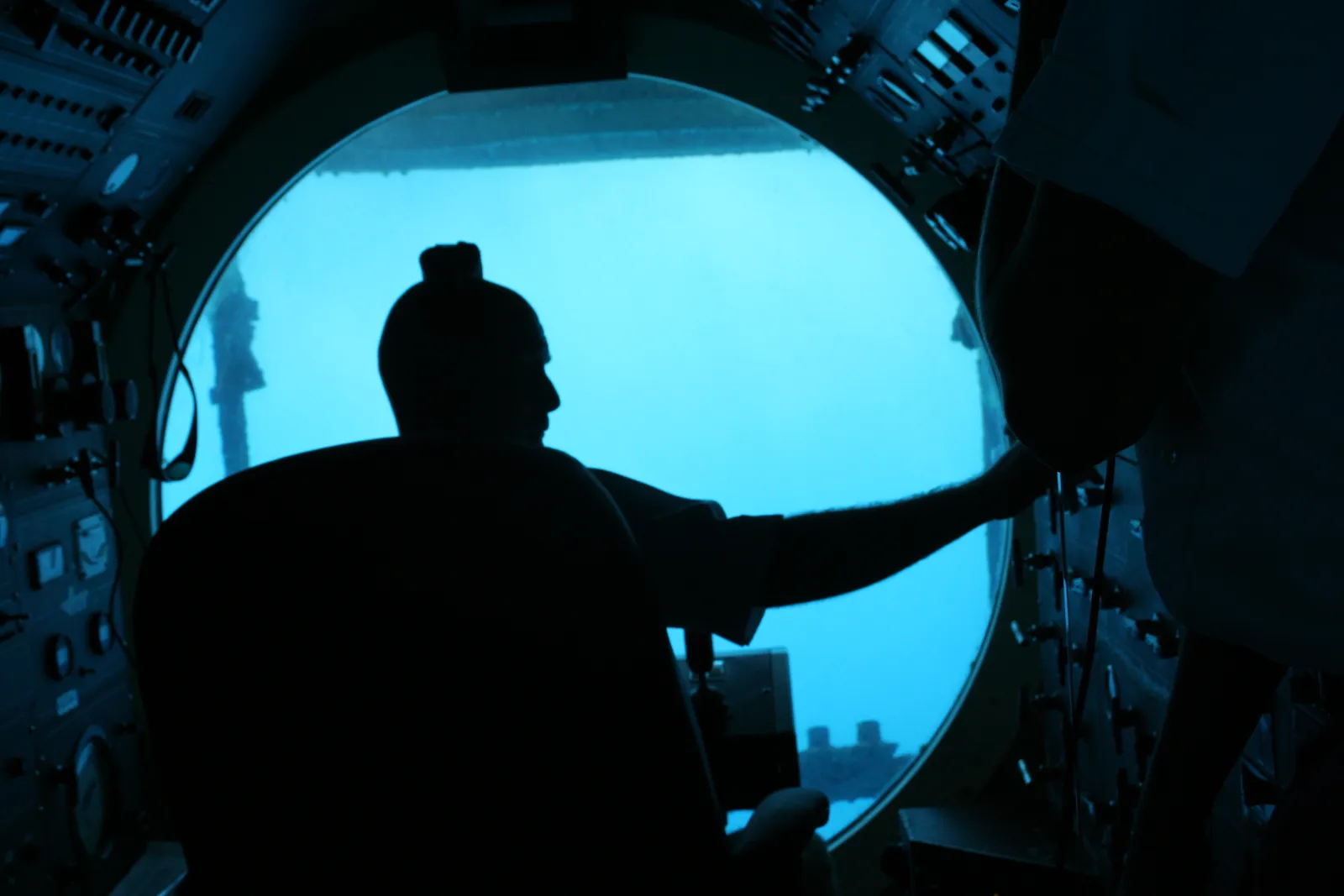
The Barbados Atlantis XV submarine takes passengers to a depth of 150 feet, where stunning coral formations, vividly colored fish, and an intriguing shipwreck are all visible from the submarine’s large viewing ports. At that depth, artificial lighting on the submarine’s hull plays an important role in revealing color that the filtered sunlight can no longer supply.
These features are visible from the submarine’s large viewing ports, and the comfortable, air-conditioned environment with live narration from the pilot makes it one of the best submarine tours in the Caribbean. The combination of a real wreck and active reef at that depth puts Barbados in a category of its own among Caribbean options.
Cozumel: A Vertical Wall That Drops Over 2,000 Feet
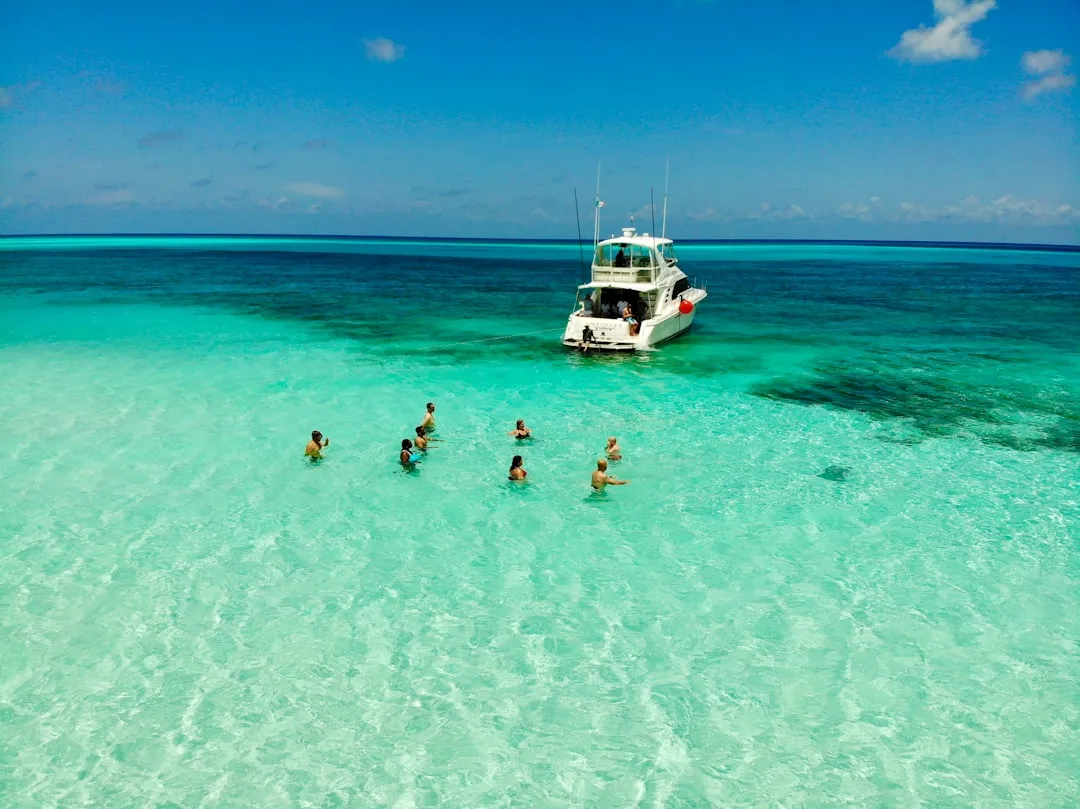
The Atlantis XII in Cozumel, Mexico’s only passenger submarine, dives up to 100 feet to explore the famous Chankanaab reef and the imposing Cozumel Wall, a vertical drop that plunges over 2,000 feet. Passengers see the upper edge of that wall from inside a pressurized cabin, which gives the experience a scale that snorkeling simply cannot convey.
The tour concludes with a visit to the largest dive wreck in the area, the Felipe Xicotencatl, offering a unique insight into diverse marine life and the ecological efforts to preserve it. The wreck has become a rich artificial reef over the decades, layered with coral growth and dense fish populations.
Nha Trang, Vietnam: The 360-Degree Transparent Sub
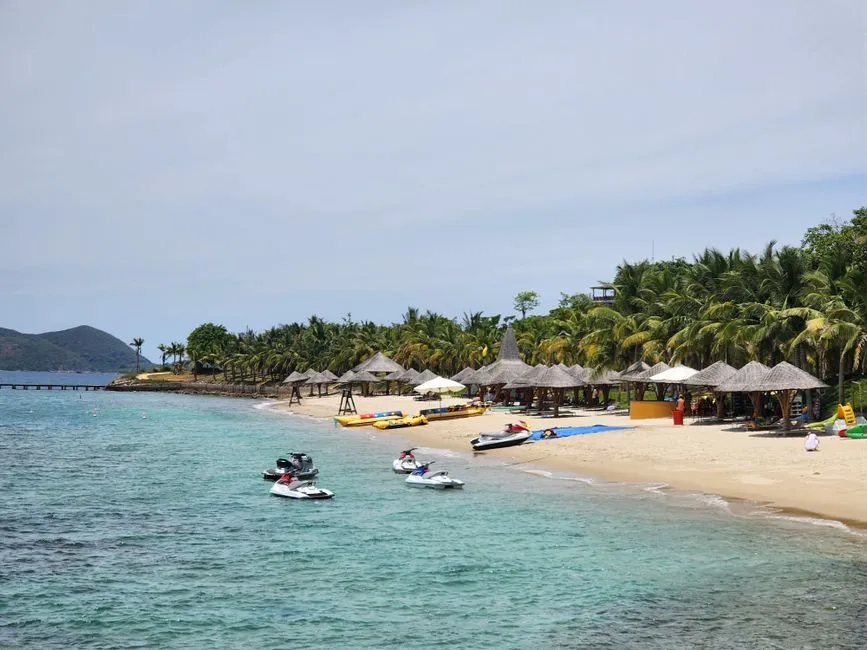
The Vinpearl resort complex on Hon Tre island in Nha Trang has launched the DeepView24 Submarine, a completely transparent submarine constructed with 360 degrees of acrylic glass, capable of carrying 24 passengers up to 100 meters below the surface, offering panoramic views of coral reefs, marine life, and a giant shipwreck that has become a living aquarium for fish, oysters, eels, and sea turtles.
Other tourist submarines cannot offer a comparably immersive experience due to restricted viewports. The engineering involved in a fully transparent hull at that depth is considerable, making Nha Trang one of the most technically ambitious passenger submarine experiences operating anywhere in the world right now.
What the Technology Inside the Sub Actually Does
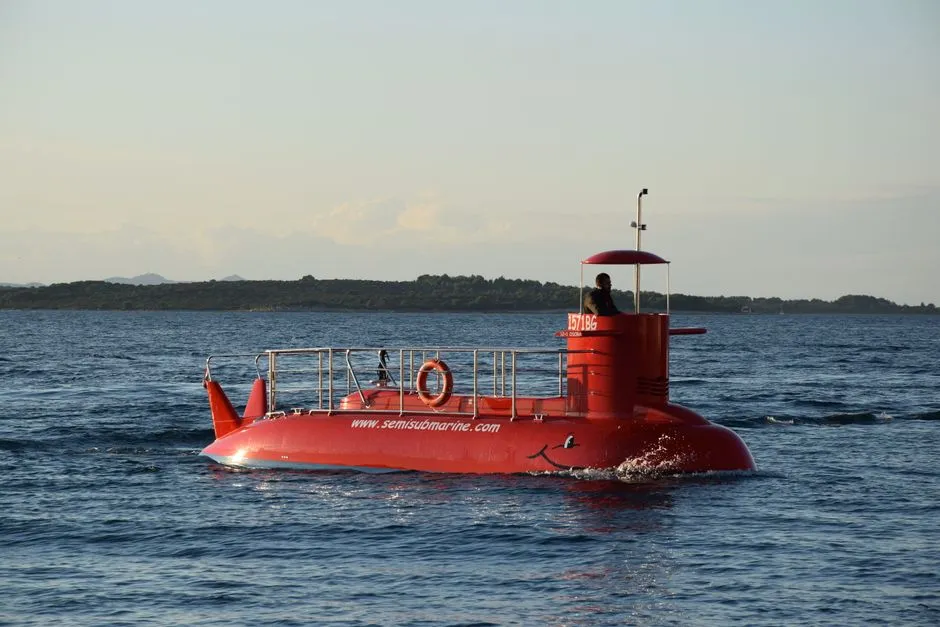
Modern submersibles use lithium battery propulsion, precise buoyancy control, and pressure-tested acrylic hulls that offer panoramic visibility. Electric propulsion matters more than many passengers realize, because a quiet motor means marine life isn’t disturbed or scared off before you even reach depth.
Unlike military or research submarines, tourist subs prioritize safety and passenger visibility, and most use electric propulsion that emits no pollutants. This makes commercial submarine tours one of the more environmentally considerate ways to observe a reef ecosystem, compared to boat anchoring or high-traffic snorkel operations.
Passengers remain in a pressurized cabin at surface atmosphere, so there is no risk of decompression. That single design feature is what opens the experience to children, older travelers, and anyone who could never scuba dive due to health or physical limitations.
Safety: What Responsible Operators Do Differently
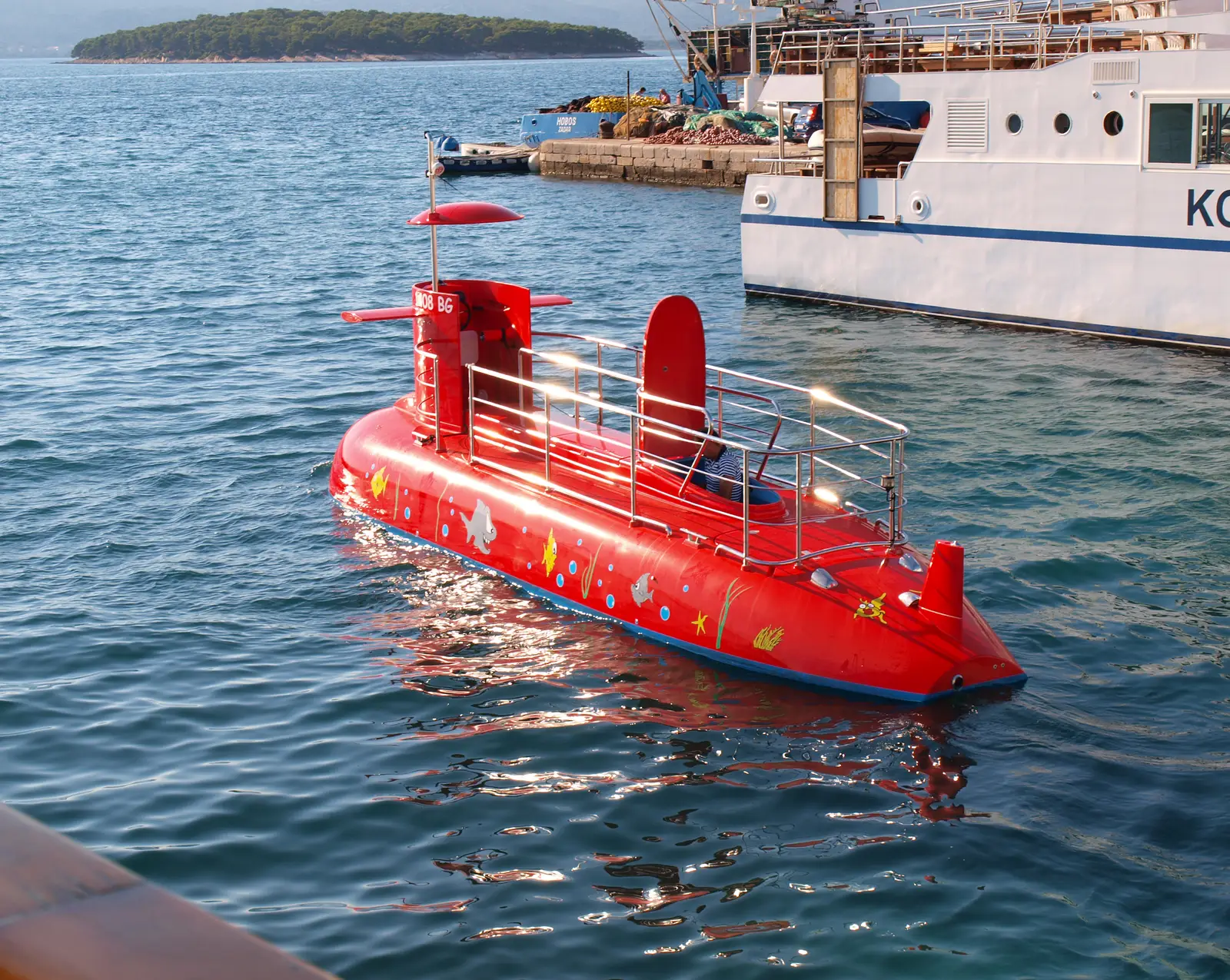
On March 27, 2025, a tourist submarine sank in the Red Sea off the coast of Hurghada, Egypt, resulting in the deaths of six people and raising serious concerns about safety standards in Egypt’s tourist submarine industry. The incident was a sobering reminder that not all operators maintain equivalent standards.
Survivors and past passengers raised concerns about the lack of safety drills and emergency preparedness at the company involved. Reputable operators in Hawaii, Barbados, and Cozumel maintain certification by recognized marine safety bodies, which remains the clearest differentiator when booking.
The Aruba Atlantis submarine, for example, is certified by both the American Bureau of Shipping and Aruba’s Director of Shipping. Looking for those specific certifications before booking any submarine tour is sound, practical advice that no travel guide should skip over.
Who Can Actually Do This
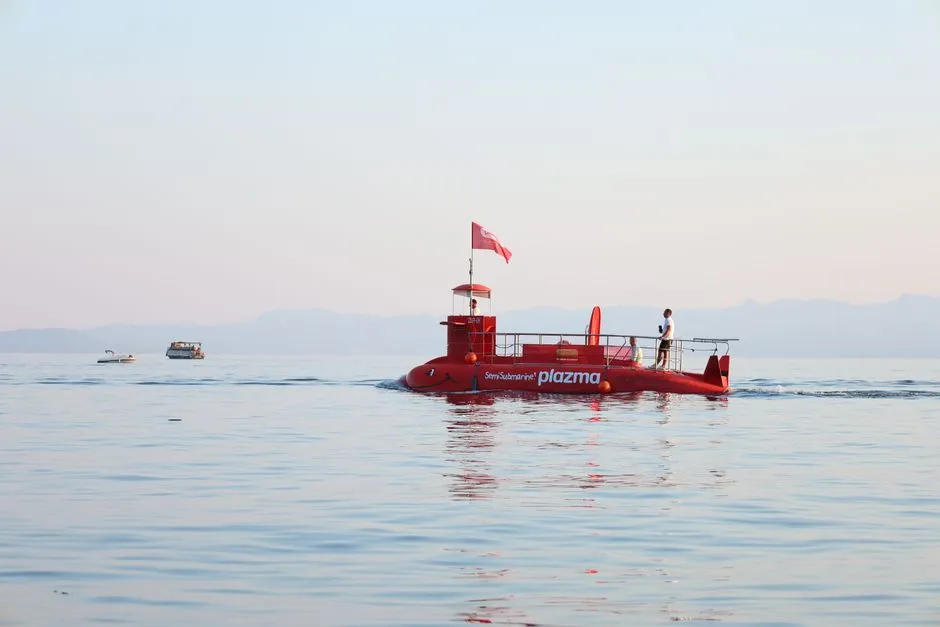
A sightseeing submarine carries passengers below the surface to view coral reefs, wrecks, and marine life without any diving certification, with options in 2026 ranging from affordable commercial tours near coastal resorts to privately owned submersibles built for repeated personal exploration. The accessibility angle genuinely sets submarine tours apart from nearly every other form of serious ocean exploration.
The appeal is accessibility: children, older travelers, and those who cannot swim may all participate comfortably. Most commercial tours also impose a minimum height rather than age restriction, meaning very young children are often welcome provided they meet that threshold.
The Private Submarine Option for Serious Ocean Travelers
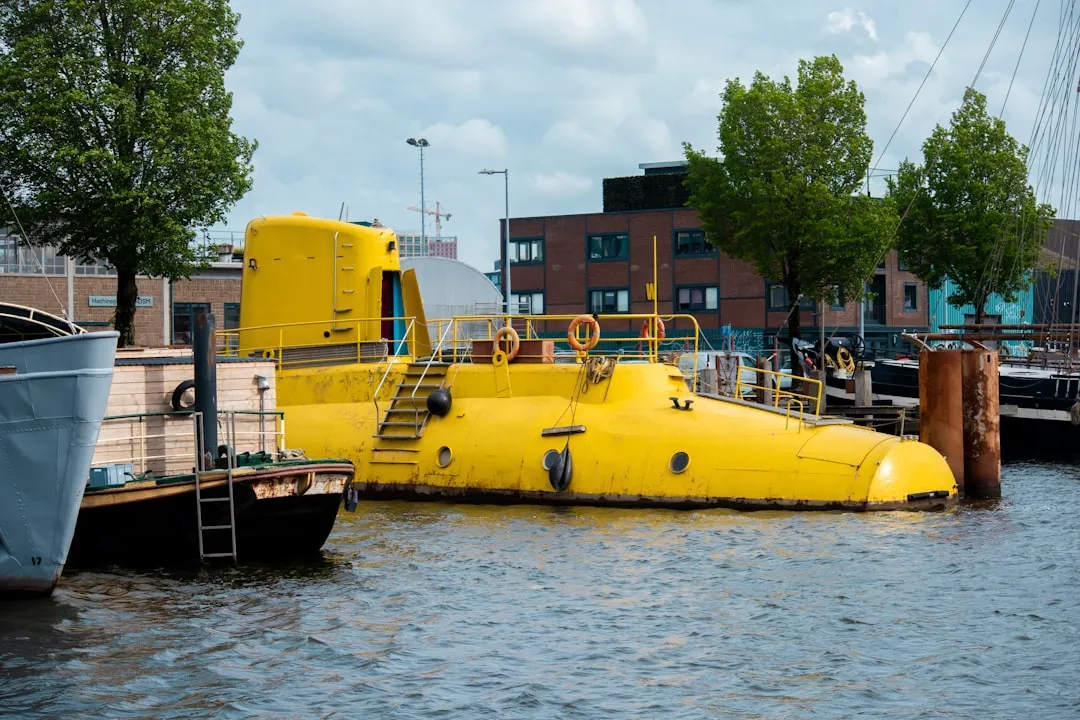
A growing number of ocean enthusiasts now pursue private ownership, transforming occasional sightseeing into unlimited access, with the private submarine market projected to reach roughly USD 98.8 million in 2025. That figure reflects a genuine shift in how wealthy travelers think about ocean access, not as a resort excursion but as a permanent capability.
Some private submersibles reach beyond 1,000 meters for genuine deep-sea research, while others are optimized for reef cruising and superyacht integration. At that level, the depth where views become unreal is no longer fixed at 30 meters. It becomes entirely personal.
The Takeaway
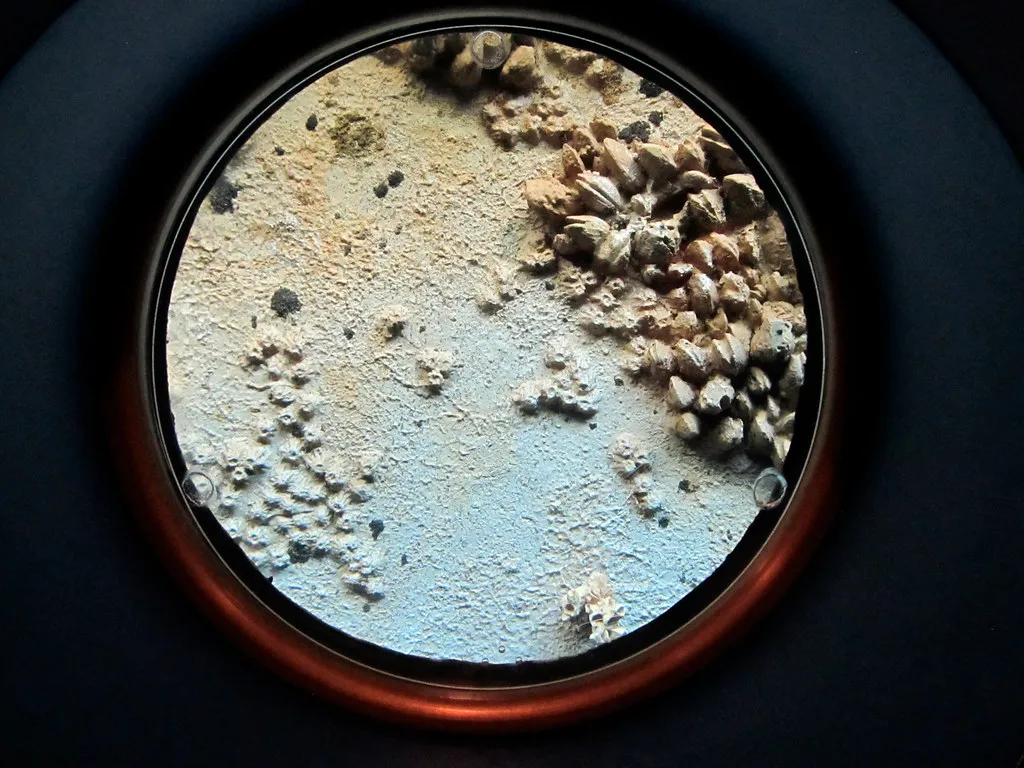
The pilots are right about the depth. Around 30 meters, something genuinely shifts. As one travels from surface waters to deeper waters, the amount and visible colors of light change, because water refracts, absorbs, and scatters wavelengths differently, with red light disappearing at a shallower depth and blue light penetrating deepest. That physics is what creates the visual drama every submarine pilot knows by instinct.
The destinations themselves do the rest. Whether it’s a lava reef off Kona, a centuries-old wreck in Barbados, or a vertical wall plunging into the abyss at Cozumel, the underwater world at depth is not a pale version of the surface reef. It’s a completely different thing. And once you’ve sat beside a wide viewport at 30 meters and watched the blue settle in around you, the ocean never looks quite the same from the shore again.
AI Disclaimer: This article was created with the assistance of AI tools and reviewed by a human editor.