
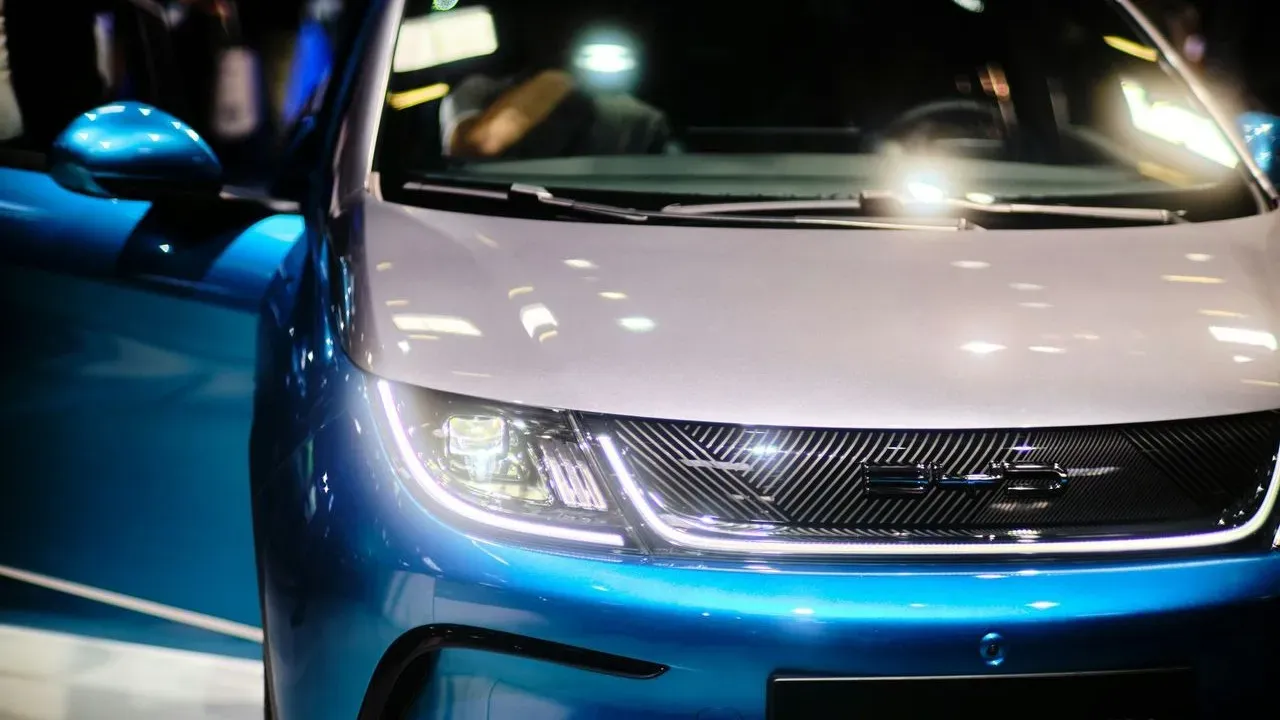

The Cannes Yachting Festival offered an early look at how luxury sea travel is evolving. Italian builder Sanlorenzo presented its new 25.5-meter yacht SHE, which incorporates synthetic decking and advanced energy systems developed with Chinese electric-vehicle maker BYD. The event, held ahead of the Monaco show, highlighted practical steps toward lower emissions without sacrificing the comfort owners expect at sea. ([1])
Partnership with BYD on Battery Storage
Sanlorenzo’s “Road to 2030” strategy centers on a collaboration with BYD to integrate large-scale battery systems into future yachts. Diesel engines would charge onboard generators that supply silent power for air conditioning, refrigeration, and other systems. This approach mirrors electric-vehicle technology and aims to reduce noise and fuel use while the vessel is anchored.
Chief executive Tommaso Vincenzi noted that the company reached out to BYD after observing its rapid growth in battery production and its interest in maritime applications. The partnership focuses on energy storage rather than full electric propulsion for now, reflecting current market realities for larger vessels.
Alternative Fuels and Deck Materials
Beyond batteries, Sanlorenzo has tested a bi-fuel engine capable of running on methanol and is supporting a biomethanol production facility in Sardinia. The yacht SHE also replaces traditional teak with a synthetic alternative that stays cooler underfoot. These changes address both environmental impact and owner comfort in warm climates.
Vincenzi acknowledged that methanol infrastructure remains limited today, yet the company expects wider availability in coming years. Such incremental advances are intended to maintain performance while preparing for stricter future regulations.
Industry Context and Owner Perspectives
Superyachts longer than 30 meters number nearly 6,000 worldwide, and their fuel consumption has drawn scrutiny despite the sector’s small share of global emissions. At the festival, other innovations included Millikan Boats’ M.10 electro-solar catamaran, which generates up to 35 kWh daily from roof panels and cruises at up to 8 knots.
Broker Richard Lambert of Burgess observed growing awareness among buyers, though many still prioritize usability and resale value. Stewart Campbell of Boat International noted that younger owners, often with children, are asking harder questions about fuel use and efficiency. Both see gradual shifts rather than rapid overhaul.
What This Means for Luxury Travel
These developments point to a measured transition in high-end maritime travel. Battery systems and alternative fuels could eventually influence larger commercial vessels, while offering quieter, lower-emission experiences for private owners today. The Cannes presentations suggest the industry is testing solutions that balance performance with emerging environmental expectations.
AI Disclaimer: This article was created with the assistance of AI tools and reviewed by a human editor.