

The Crowding Problem Nobody Talks About Honestly
The surf world has a quiet overcrowding crisis that most travel content glosses over. Overcrowding at the top 50 surf breaks increased by around 40 percent since 2010, according to a 2023 study. That statistic alone explains why so many first-time surf travelers come back feeling underwhelmed.
A Thompson Travel study found that more than half of respondents acknowledged overcrowding as a serious concern at major tourism destinations, and the threat of overtourism is arguably an even bigger deal in surfing. Bali is a clear example, with overcrowded surf spots pushing travelers toward less popular alternatives.
Experienced surf instructors have adapted to this reality. They route their students away from the Instagram-famous peaks and toward the spots that actually produce learning. The wave quality is often better, and the emotional experience is dramatically calmer.
Samara, Costa Rica: The Quieter Alternative to Tamarindo

Samara in Costa Rica is less crowded and has less competition than the more well-known Tamarindo. It offers slow, rolling, easy-to-catch waves, and a reef offshore breaks up larger swells, keeping the inside surf small and manageable. For a beginner, that combination is genuinely rare.
Instructors working in Costa Rica consistently steer students toward Samara rather than the busier northern beaches of the Nicoya Peninsula. The southern stretch of the Nicoya Peninsula remains a hidden gem, with empty lineups and consistent waves year-round. The infrastructure is there, the mood is unhurried, and the waves do most of the teaching for you.
Nosara, Costa Rica: A Beach Break That Works at Any Tide
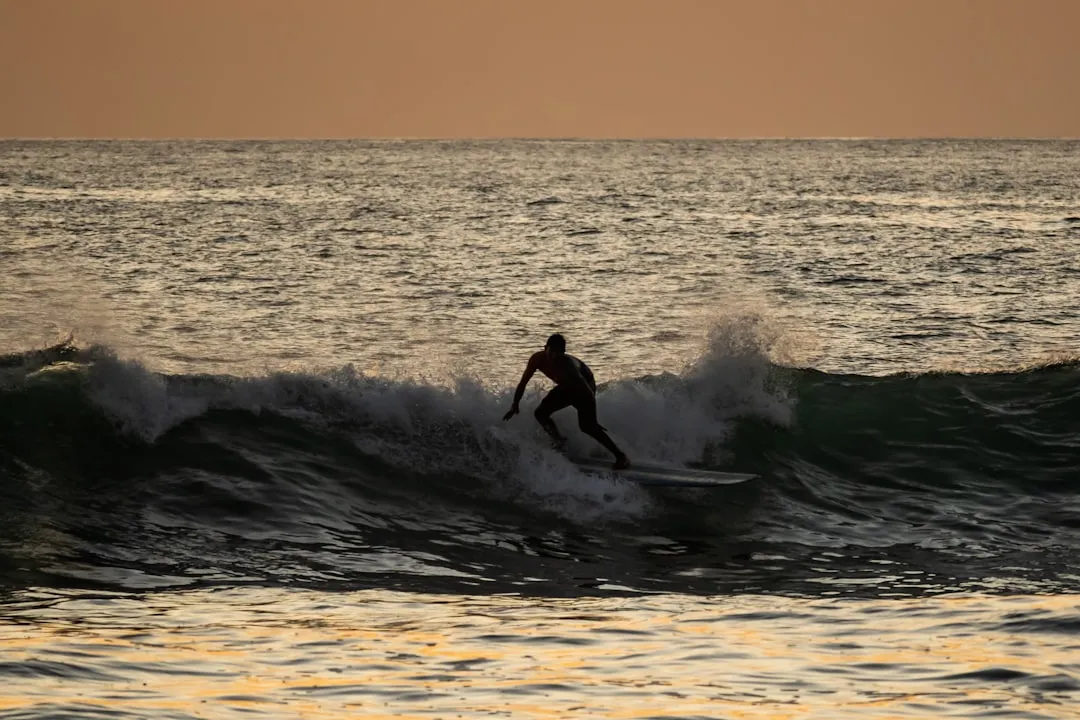
Nosara offers a long, gentle beach break that works at all tides, with November to April generally delivering the best conditions. That tidal flexibility matters more than most beginners realize. Not having to plan your session around a narrow tide window takes an enormous amount of pressure off.
The surf community in Nosara is tight-knit and protective of its environment, which has kept the town from becoming a mass-tourism destination. Spots like Nosara in Costa Rica are consistently recommended by surf professionals for beginner-level soft, rolling beach breaks with sandy bottoms and small swell. The instruction culture here is warm and unhurried, which mirrors the character of the wave itself.
La Saladita, Mexico: A Long Left That Longboarders Dream About
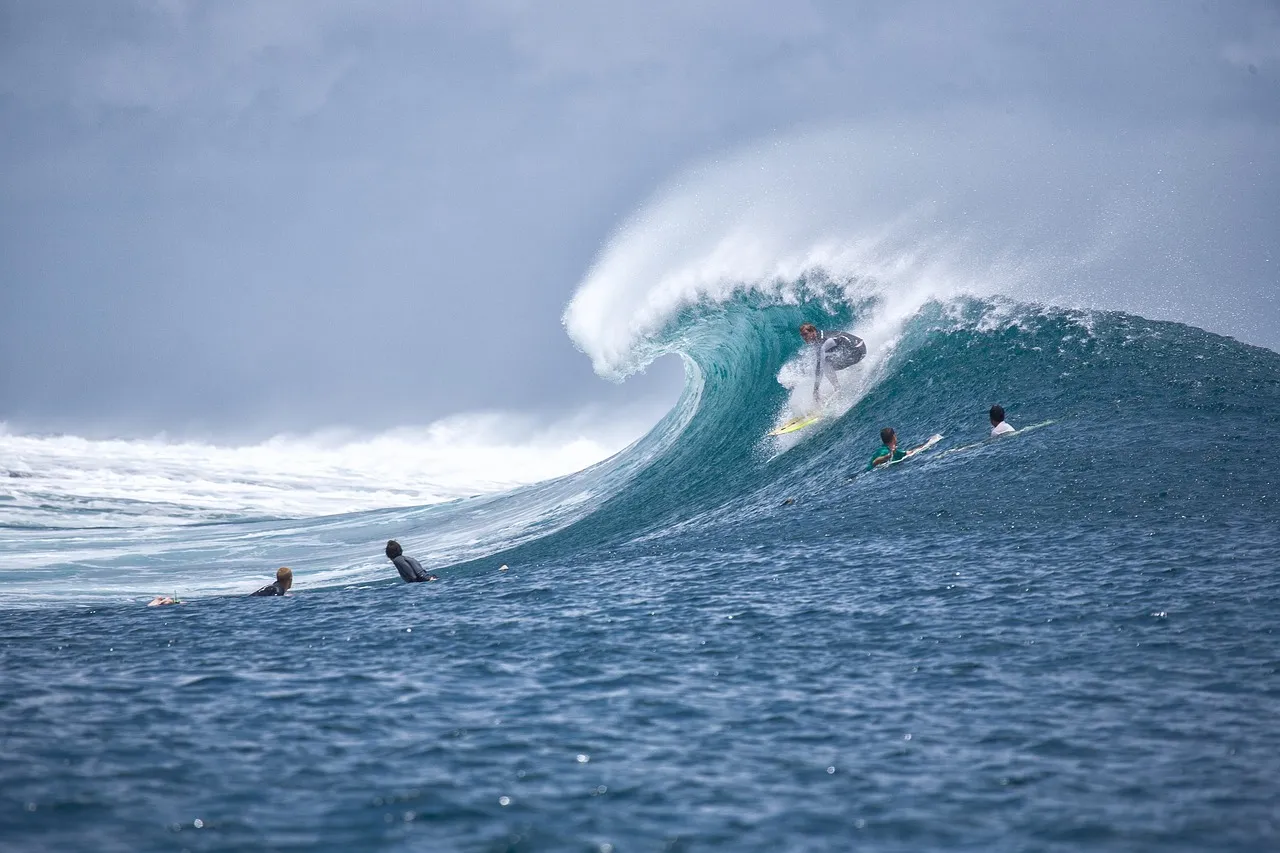
La Saladita in Mexico offers a super long, slow left-hand wave that is ideal for beginners and longboarders. The takeoff is soft and forgiving, making it easy to practice standing up and riding waves, and it’s generally more peaceful than nearby Sayulita. That length of ride is genuinely generous for someone still figuring out their footing.
March through October tends to bring the most mellow summer waves, making that a practical travel window for anyone planning their first surf trip to Mexico. Instructors who’ve worked both La Saladita and Sayulita almost universally prefer sending beginners here first. The difference in crowd density alone changes the quality of the experience.
Canggu, Bali: The Smarter Choice Over Kuta

By far the most popular beginner spot in Bali is Kuta, a beach break with long rolling waves and a sandy bottom. Unfortunately, its popularity also means it gets seriously crowded. Canggu, nearby, is not as packed. Surf instructors in Bali have been routing students toward Canggu’s Batu Bolong break for years for exactly this reason.
Batu Bolong in Canggu delivers a very slow, mellow wave for beginners and longboarders, and multiple peaks make it easier to find a less crowded spot. The surf town atmosphere adds real character to the experience. Bali’s surf culture is magnetic, and finding a corner of it with breathing room makes a meaningful difference when you’re learning.
Moonlight Beach, Encinitas, California: San Diego’s Underrated Gem
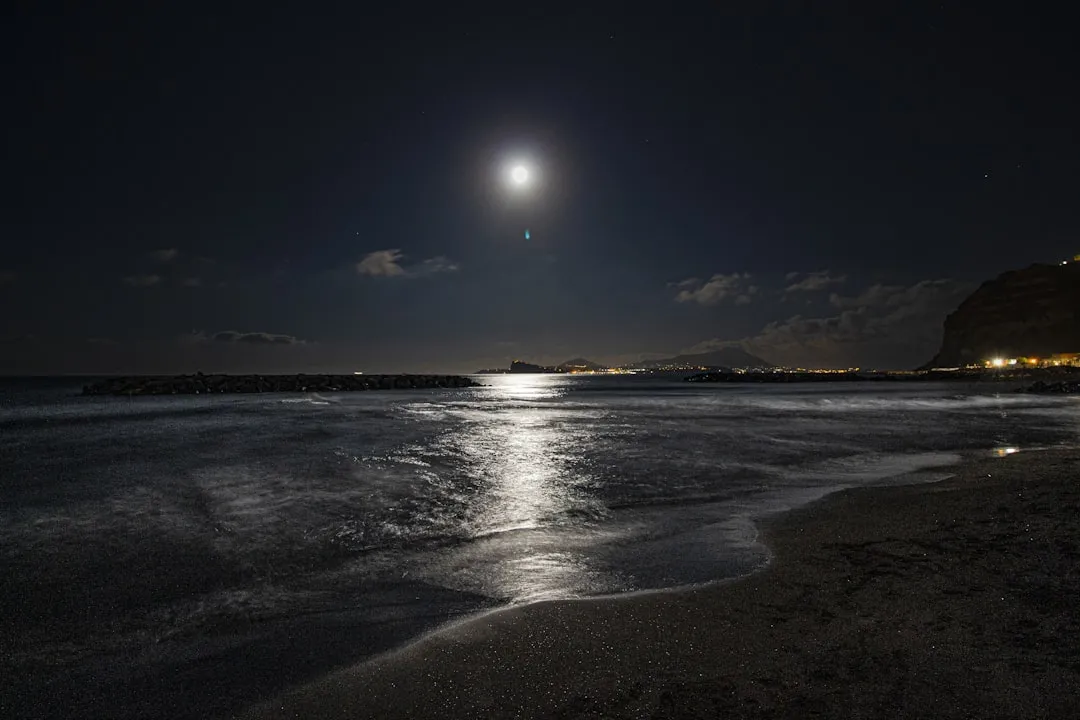
Moonlight Beach in Encinitas provides gentle waves, wide sandy beaches, and a mellow, welcoming atmosphere. While most visiting surfers head straight to Pacific Beach or La Jolla, Moonlight Beach sits quietly further north with a fraction of the crowd and a genuinely accessible wave.
Beginner surfers at nearby San Elijo State Beach, which shares similar characteristics, can expect tame waves typically ranging from one to four feet year-round, though it’s always worth checking conditions after storms. The beach break here is considered ideal for beginners and intermediate surfers looking to practice. Instructors who know the San Diego coast well rarely choose the crowded anchors when places like Moonlight are available.
El Sunzal, El Salvador: Central America’s Quiet Classroom
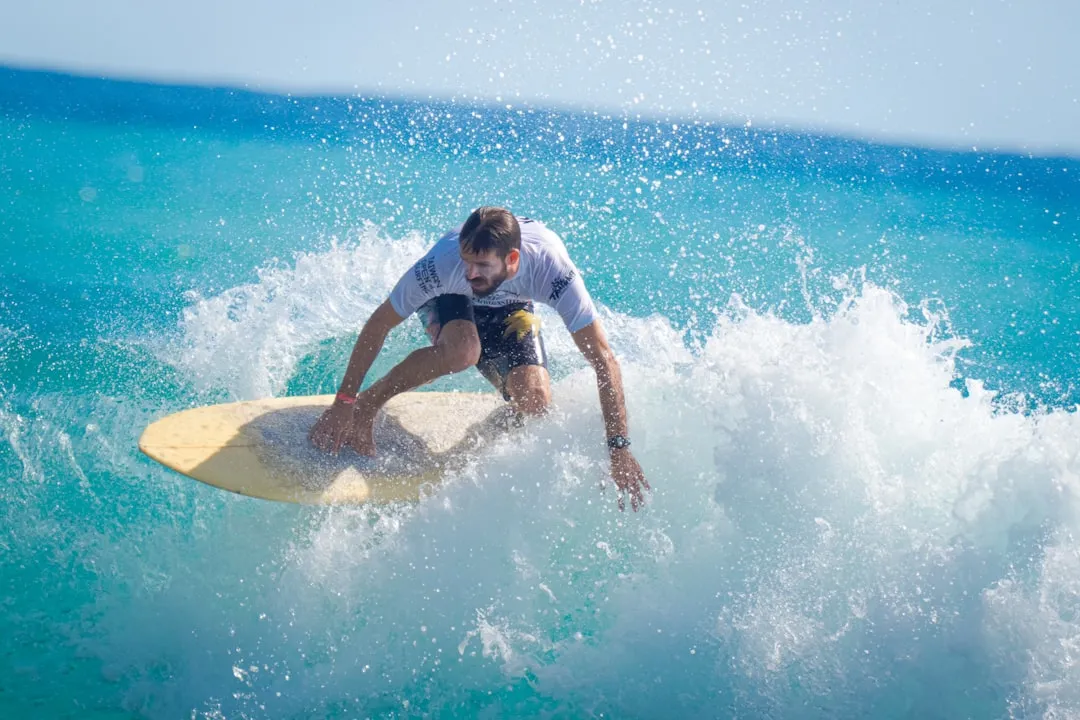
El Sunzal in El Salvador is widely considered the perfect beach break for beginners to learn how to surf. Surfers can enter and exit the waves safely and often work one-on-one with an experienced instructor. The wave has a gentle, predictable shape that gives new surfers time to think, adjust, and feel the rhythm of riding.
El Salvador has seen a surge in foreign tourist arrivals in recent years, driven by government-backed surf tourism initiatives, international surf competitions, and influencer-led travel content. Still, compared to destinations like Bali or Byron Bay, it remains genuinely uncrowded. The instructors here benefit from that quiet, and so do their students.
Rote Island, Indonesia: Beyond the Bali Bubble
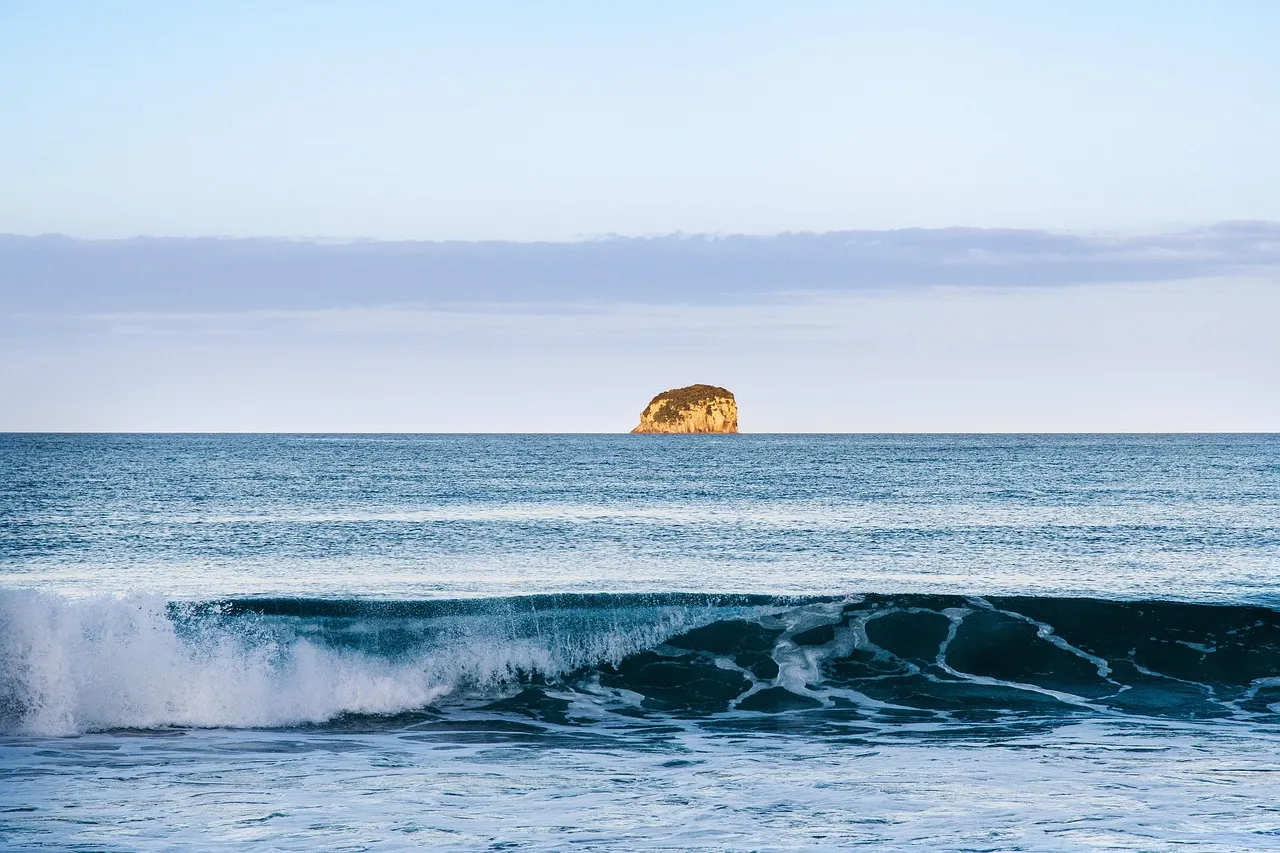
With Bali’s traffic and overcrowded surf spots pushing travelers toward less popular destinations, the south coast of Lombok is one close alternative, as is the island of Rote, near Timor. Rote sits near the tip of the Indonesian archipelago and remains relatively unknown outside of committed surf circles.
The waves on Rote range from accessible to genuinely challenging, giving intermediate surfers room to grow without having to fight for position in a packed lineup. The remoteness of the island also filters the crowd naturally. Getting there takes effort, which means the people who do make it are almost always serious about surfing, and the vibe in the water reflects that.
Mozambique’s Central Coast: Africa’s Overlooked Surf Frontier
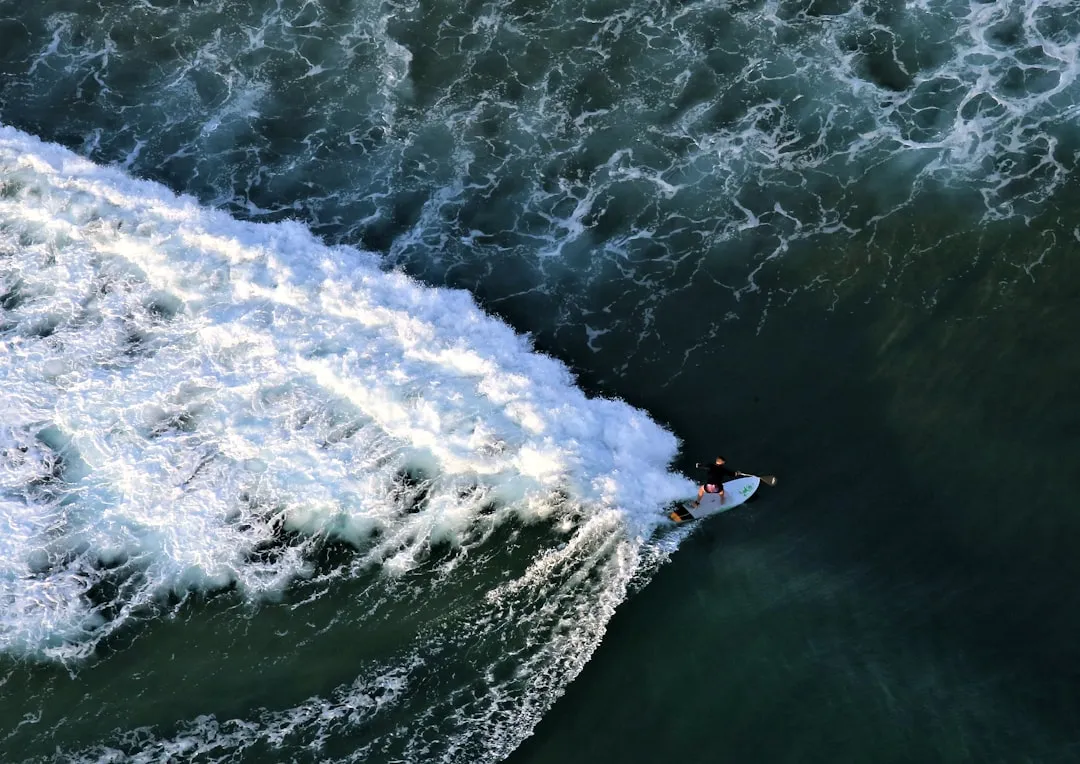
Africa has more to offer than South Africa’s famous spots. Mozambique’s central coastline remains largely unexplored by the surfing community, with warm waters, uncrowded breaks, and a sense of adventure that’s hard to match. Expect long point breaks and tropical beaches without the usual tourism.
For surf instructors who guide adventure-focused clients, Mozambique represents something increasingly rare: a high-quality surf environment where you are unlikely to share the break with more than a handful of people. The infrastructure is developing, but it’s still raw enough to feel like a real discovery. That combination of consistent surf and genuine solitude is exactly what overcrowded wave-riders are searching for.
Ericeira, Portugal: Europe’s Only World Surfing Reserve
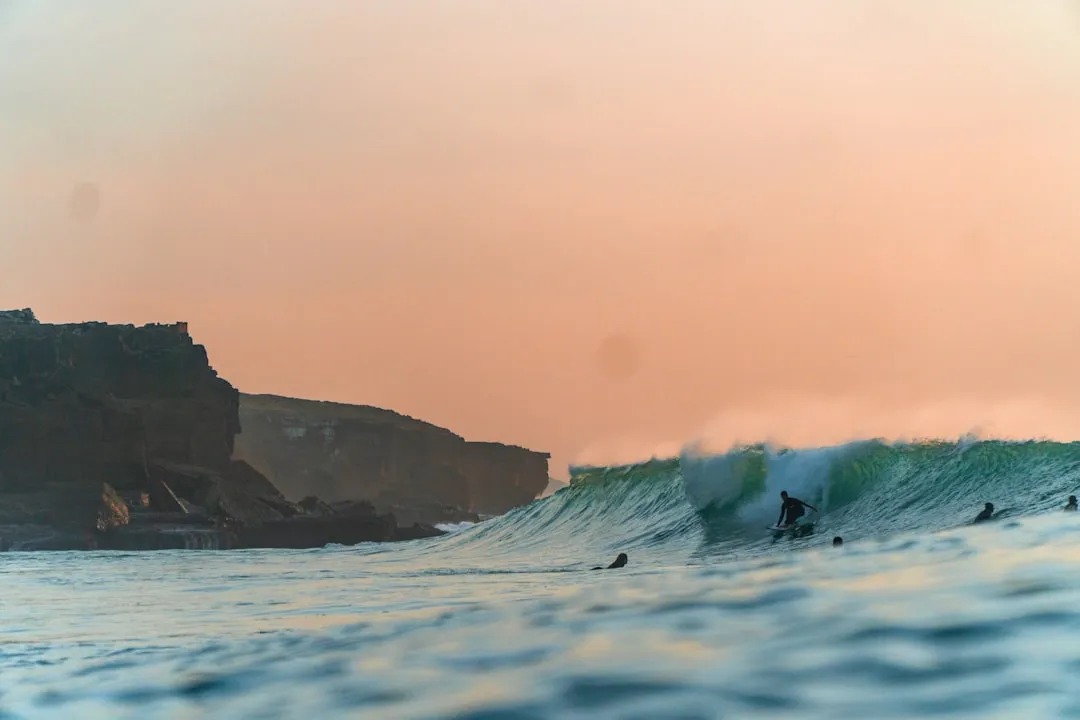
As Europe’s only World Surfing Reserve, Ericeira offers a unique blend of powerful, diverse waves, rich surf history, and authentic Portuguese culture. Its variety of breaks caters to all skill levels, from beginner-friendly beach breaks to world-class point breaks. Most European surf tourists drift toward the more heavily marketed spots in the Algarve or the French Basque Country, leaving Ericeira pleasantly accessible.
Accommodation and dining options in Ericeira offer good value for money, making it an attractive option for surfers seeking a premium European surf experience. Instructors working Portugal’s coast often describe Ericeira as a self-contained surf world where you can spend two weeks and never run out of variety. The community is proud of its reserve status and treats the coastline accordingly.
What Instructors Know That Tourists Don’t
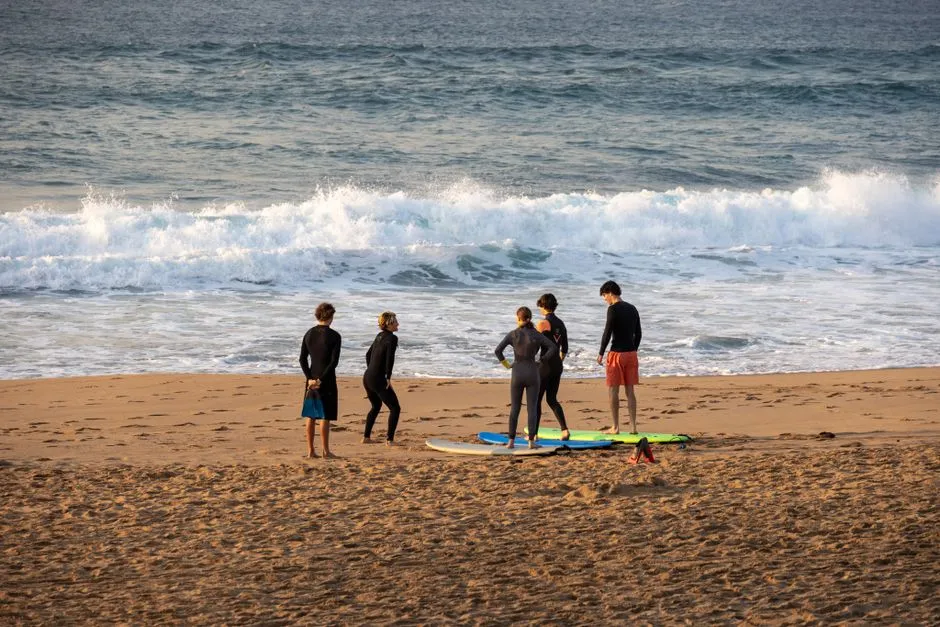
The common thread across every spot on this list is the same: the best learning happens where the pressure is low. Solo surfing tourism accounted for a revenue share of around 71% in 2023, and it appeals to individuals seeking personal challenges and the freedom to explore surf spots at their own pace. Ironically, those solo explorers often end up at the busiest, most-marketed breaks anyway, following the crowd instead of the instructors’ advice.
Surfing tourism among international travelers is anticipated to grow at a compound annual rate of over 7 percent through 2033, driven by the increasing popularity of destination surfing and the rising influence of surf culture in travel marketing. As that growth continues, the gap between well-known breaks and overlooked ones will only widen. The instructors already know where the good sessions are happening.
The Takeaway
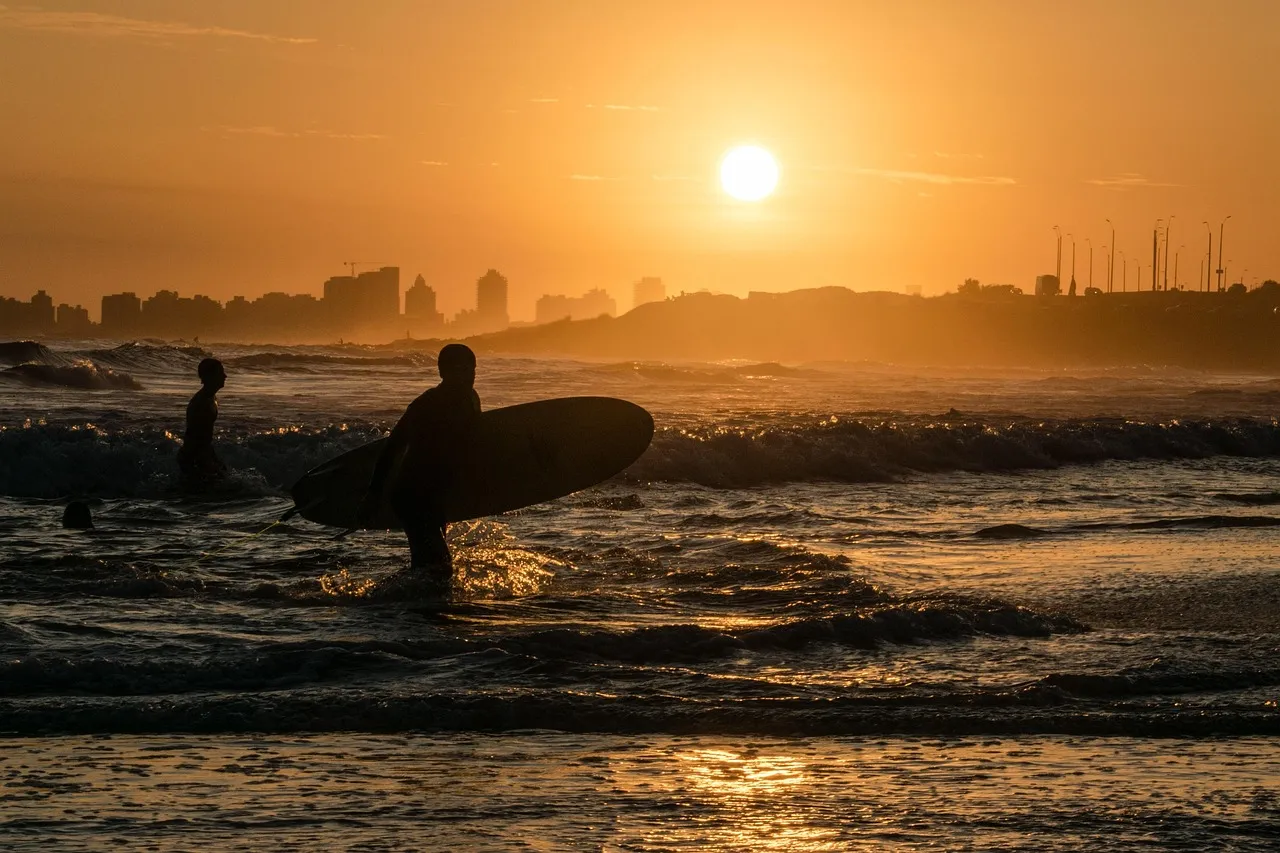
Surf instructors aren’t withholding secret coordinates out of selfishness. They’re steering students toward better experiences, simpler lineups, and waves that actually teach rather than intimidate. The beach break most tourists overlook isn’t always obscure or hard to reach. Sometimes it’s thirty minutes down the road from the famous one.
The best approach, consistently and simply, is to ask your instructor where they’d go on their day off. That answer, more than any travel guide or ranked list, will point you toward the wave worth catching.
AI Disclaimer: This article was created with the assistance of AI tools and reviewed by a human editor.