
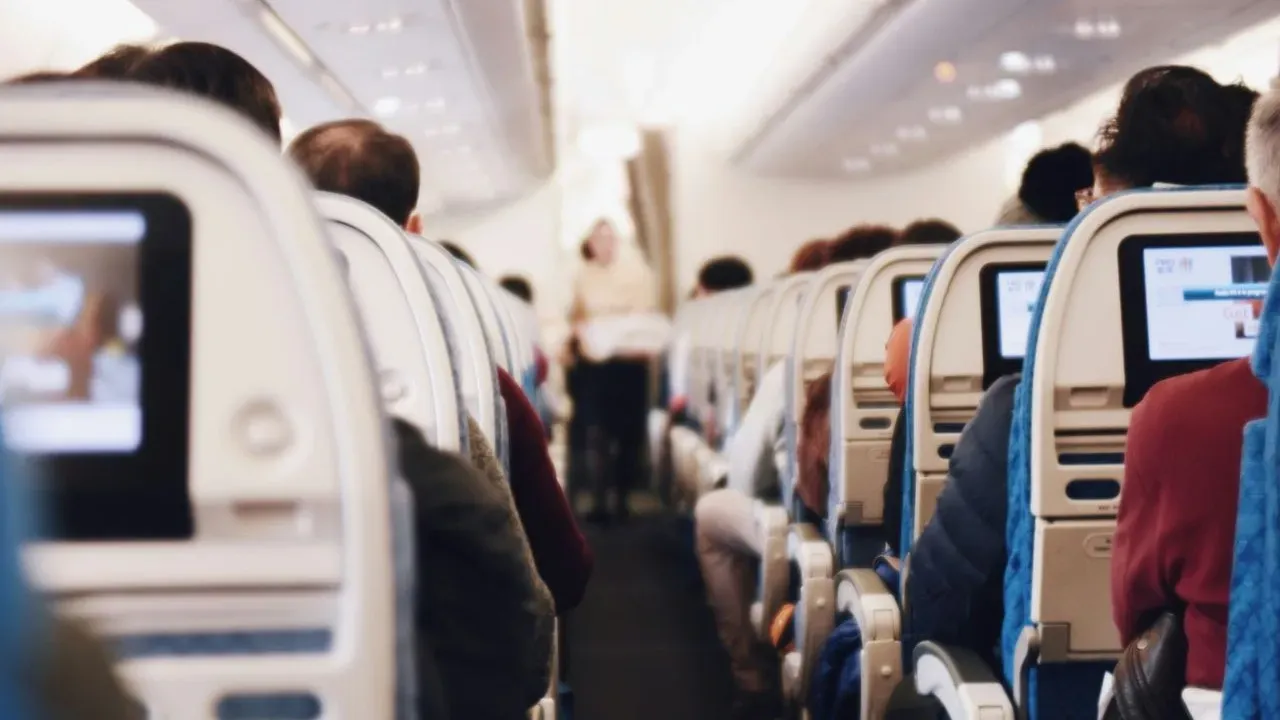

A recent national poll of more than 2,500 American adults reveals that many travelers notice changes in how people behave on planes, yet the findings point toward a shared preference for simple consideration rather than additional regulations. The survey, conducted by YouGov on behalf of The Points Guy, examined common points of friction during flights and uncovered broad agreement on several practical habits. Respondents placed the greatest emphasis on everyday courtesy as the key to smoother journeys for everyone on board.
Noise Emerges as the Leading Concern
Loud conversations and passengers playing audio without headphones ranked as the most irritating behavior for 27 percent of those surveyed. This issue stood ahead of other common complaints, reflecting how personal devices have altered the cabin soundscape in recent years. Reclining seats without warning followed at 21 percent, while 8 percent cited passengers removing their shoes.
A smaller share, 12 percent, reported no particular annoyances at all. The results suggest that sound carries farther in today’s densely packed cabins, making headphones and quieter interactions more noticeable when absent. Still, opinions on phone calls remained divided, with 40 percent favoring a ban and 33 percent opposing one.
Reclining, Armrests, and Everyday Exchanges
On seat recline, a majority of 51 percent said it is acceptable in economy provided the passenger checks behind first. Only 21 percent viewed reclining as fine at any time after takeoff, and just 10 percent believed it should never occur. The data indicates travelers accept the feature of their seat while expecting awareness of the person immediately affected.
Armrest allocation produced more varied responses. Only 11 percent supported the idea that the middle-seat passenger should receive both armrests automatically. Twenty percent favored priority for the middle seat with sharing encouraged, while 31 percent preferred equal sharing among all three passengers.
Another 26 percent expressed uncertainty about the proper approach. Seat-swap requests after boarding drew a relatively open response, with 44 percent considering the ask itself not rude. Window-shade control leaned toward the window passenger at 51 percent, though 28 percent preferred the row to decide together. Comfortable clothing also received strong support, with 72 percent viewing casual or athletic wear as appropriate.
Deplaning Order and Broader Trends
Orderly exit from the aircraft received the clearest consensus. Sixty-five percent endorsed leaving row by row from front to back. Only 10 percent supported moving forward whenever space appears, and 9 percent accepted cutting ahead solely for tight connections.
When asked about changes over the past five years, 42 percent said passenger etiquette has worsened. Responsibility for poor behavior fell most heavily on passengers themselves, cited by 52 percent, while airlines and social media each received 8 percent of the blame. The pattern points to a desire for improved personal conduct rather than systemic overhaul.
Common Ground on Courtesy
Across the topics examined, the survey shows travelers largely agree that small gestures of awareness improve the shared experience of flying. Use of headphones, a quick glance before reclining, and patience during deplaning appear as widely valued practices. The findings suggest that many Americans already hold similar expectations for how to share limited space respectfully.
These preferences align with the practical reality of air travel, where individual choices quickly affect those nearby. The data ultimately underscores that most respondents seek greater consideration among fellow passengers, a standard that can be met through consistent, low-effort habits on every flight.
AI Disclaimer: This article was created with the assistance of AI tools and reviewed by a human editor.