
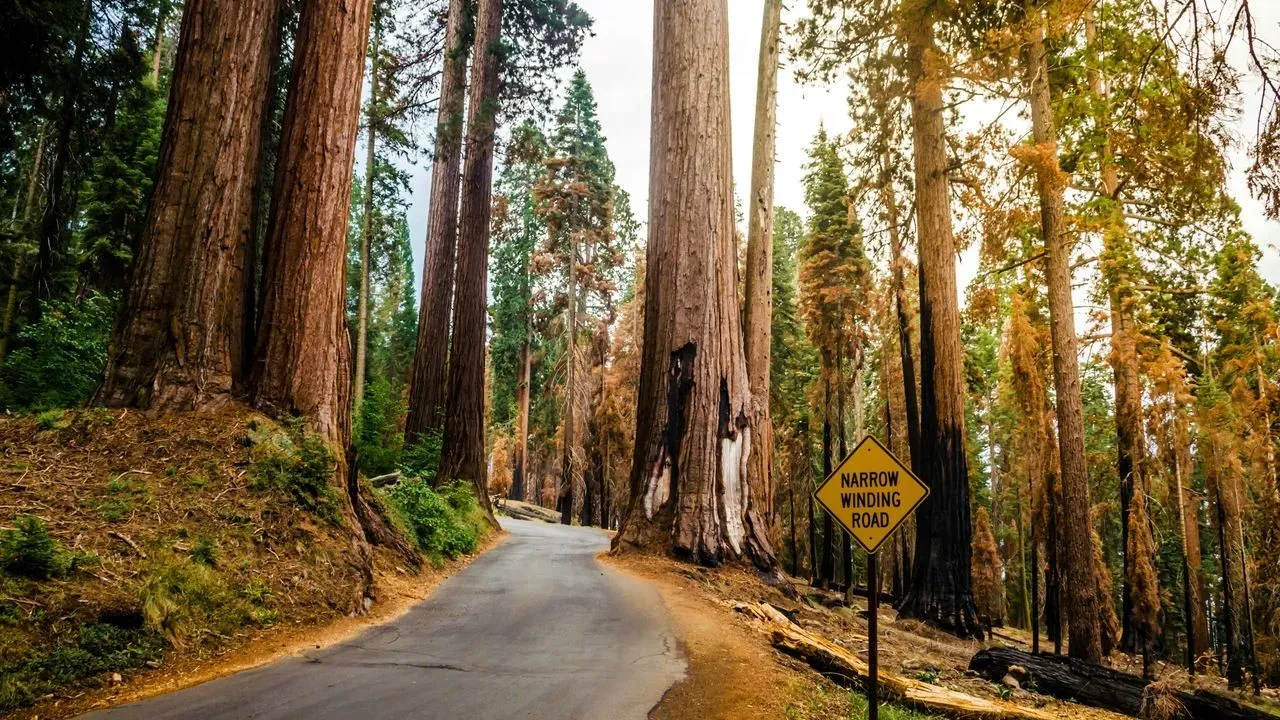

Sequoia National Park draws visitors from around the world to stand in the presence of its ancient giant sequoias, and the short path to the General Sherman Tree remains one of its most accessible and popular routes. Earlier this week, authorities responded to a medical emergency reported along the one-mile trail, underscoring how even well-traveled paths in the Sierra Nevada can present unexpected challenges. The incident serves as a quiet prompt for travelers to approach these remarkable landscapes with thoughtful preparation rather than assumption.
The Enduring Appeal of an Iconic Destination
The General Sherman Tree stands as the largest tree on Earth by volume, its massive trunk rising through a grove that has witnessed centuries of growth. The paved trail leading to it offers a relatively gentle introduction to the park’s wonders, allowing families and first-time visitors to experience the scale of these living monuments without strenuous effort. Yet the setting itself carries inherent demands that reward awareness and respect.
Sequoia National Park protects a unique ecosystem shaped by elevation, seasonal weather patterns, and the slow rhythms of old-growth forest. The trail sits at roughly 6,500 feet, where thinner air and variable conditions can influence how the body responds during even a brief outing. Many visitors arrive eager to connect with this natural heritage, and the park continues to welcome them with the same quiet majesty it has always offered.
Recognizing the Realities of High-Elevation Hiking
At these altitudes, the body works harder to absorb oxygen, and temperatures can shift quickly even on a short walk. Summer heat adds another layer, as direct sun on exposed sections of the trail can raise core temperatures faster than many anticipate. The recent medical emergency highlights how individual factors such as hydration, acclimatization, and pacing play meaningful roles in a safe experience.
Park rangers routinely emphasize that preparation begins before leaving the trailhead. Simple steps like carrying sufficient water, wearing appropriate layers, and allowing time to adjust to the elevation help visitors move through the landscape with greater ease. These considerations do not diminish the joy of the visit; they enhance it by keeping the focus on the trees themselves.
Practical Steps for a Respectful Visit
Thoughtful hikers often find that a few consistent habits make a noticeable difference on this trail and others like it:
- Begin the day well hydrated and continue drinking water throughout the walk.
- Take breaks in shaded areas to monitor how the body feels at elevation.
- Choose early morning or late afternoon hours when temperatures tend to be milder.
- Travel with companions and communicate any discomfort promptly.
- Check current park conditions and trail advisories before setting out.
These practices reflect a broader commitment to moving through protected places with care. They allow visitors to linger longer in quiet appreciation rather than rushing through discomfort.
Traveling with Purpose in Protected Landscapes
Sequoia National Park exists to preserve these ancient forests for future generations, and every visitor plays a small part in that ongoing story. Choosing to hike responsibly supports the park’s mission while deepening one’s own connection to the landscape. The General Sherman Tree Trail, with its mix of accessibility and subtle demands, offers an ideal setting to practice that balance.
When travelers arrive prepared and present, the experience becomes more than a checklist item. It turns into a moment of genuine encounter with one of the planet’s most extraordinary living things. The recent events on the trail remind us that such encounters are best approached with both wonder and steady attention to our own well-being.
AI Disclaimer: This article was created with the assistance of AI tools and reviewed by a human editor.