
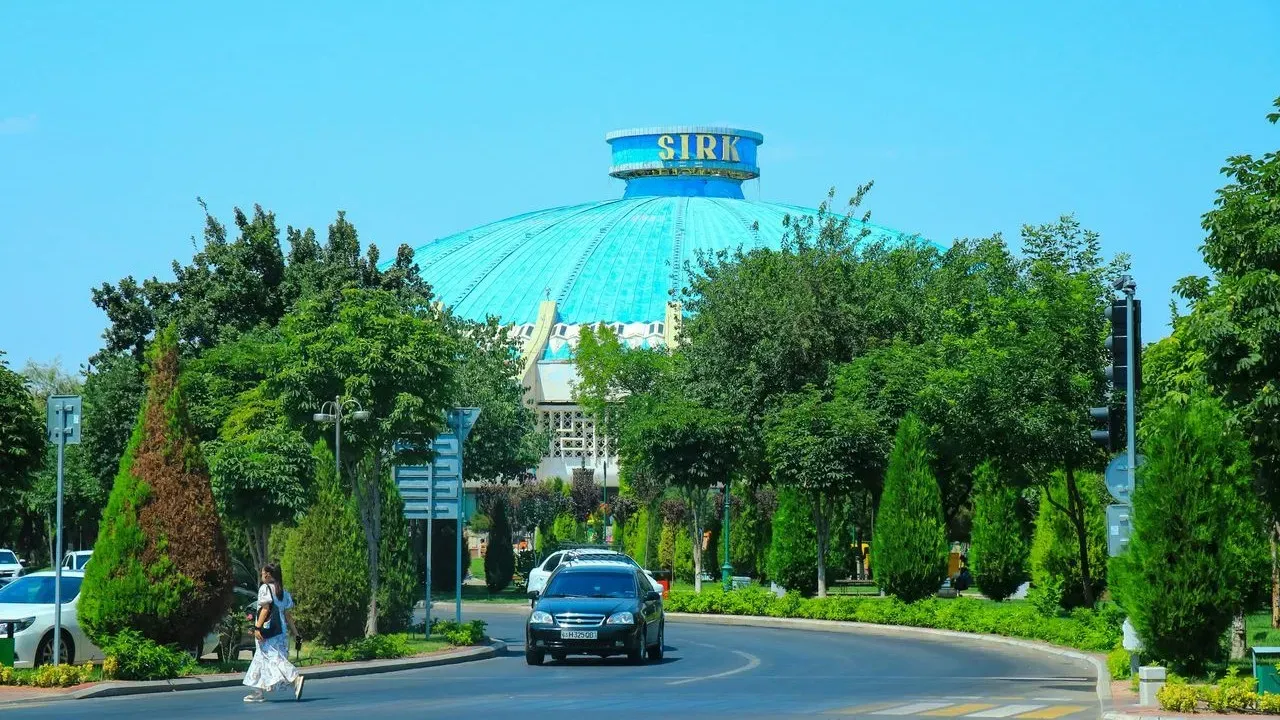

Tashkent greets arriving travelers with a striking sense of the contemporary. A short ride from the airport in a modest taxi reveals wide boulevards, orderly public spaces, and architecture that echoes the refined elegance of certain European capitals. This first impression challenges common assumptions about Uzbekistan and sets the tone for a visit grounded in discovery rather than preconception.
Arrival and First Impressions
The capital city unfolds gradually as visitors move from the airport into its central districts. Clean streets, manicured parks, and a mix of Soviet-era monuments alongside newer developments create a layered urban landscape. Many travelers note how the city’s layout encourages walking, with tree-lined avenues that provide shade and a sense of calm even during busier hours. This atmosphere invites a slower pace from the outset, allowing time to absorb the blend of influences that shape daily life here. Local transportation options remain straightforward and affordable. Taxis and ride services connect key sites efficiently, while the metro system offers an additional layer of convenience with its distinctive stations. The overall accessibility supports unhurried exploration, whether the goal is to visit historic mosques or simply observe the rhythm of the city.
Cultural Layers and Daily Life
Beyond the modern surface lies a rich tapestry of traditions that residents continue to honor. Markets brim with fresh produce, handmade textiles, and spices that reflect centuries of Silk Road exchange. Engaging with these spaces offers genuine insight into local hospitality, where conversations often extend beyond transactions into shared stories about family and heritage. Respect for customs enhances every interaction. Simple gestures, such as modest dress in religious sites and polite greetings, open doors to warmer exchanges. Uzbekistan’s diverse population includes communities that maintain distinct practices, and approaching them with curiosity rather than assumptions fosters meaningful connections. The result is travel that feels reciprocal rather than extractive.
Practical Considerations for Thoughtful Travel
Currency exchange and basic services operate reliably in Tashkent, easing the logistics of a first visit. ATMs are widely available, and many establishments accept cards alongside cash. Planning around seasonal weather patterns helps visitors enjoy outdoor sites comfortably, while advance arrangements for guided experiences ensure access to lesser-known corners of the city. Sustainability remains central to any responsible itinerary. Choosing locally owned accommodations and supporting artisans directly contributes to the preservation of cultural assets. Public transport and walking reduce environmental impact while revealing details that rushed tours might overlook. These choices align with the values of purposeful travel that many visitors seek in Central Asia.
Extending the Journey Beyond the Capital
Tashkent serves as an ideal gateway to other regions of Uzbekistan. High-speed rail links connect the capital to historic cities such as Samarkand and Bukhara, where ancient architecture stands alongside contemporary life. Each destination builds on the initial surprise of modernity by revealing different facets of the country’s evolving identity. Travelers who begin in Tashkent often find their expectations continually revised in positive ways. The country rewards those who arrive with openness and a willingness to engage on local terms. This approach transforms a simple trip into an experience that lingers long after departure.
AI Disclaimer: This article was created with the assistance of AI tools and reviewed by a human editor.