
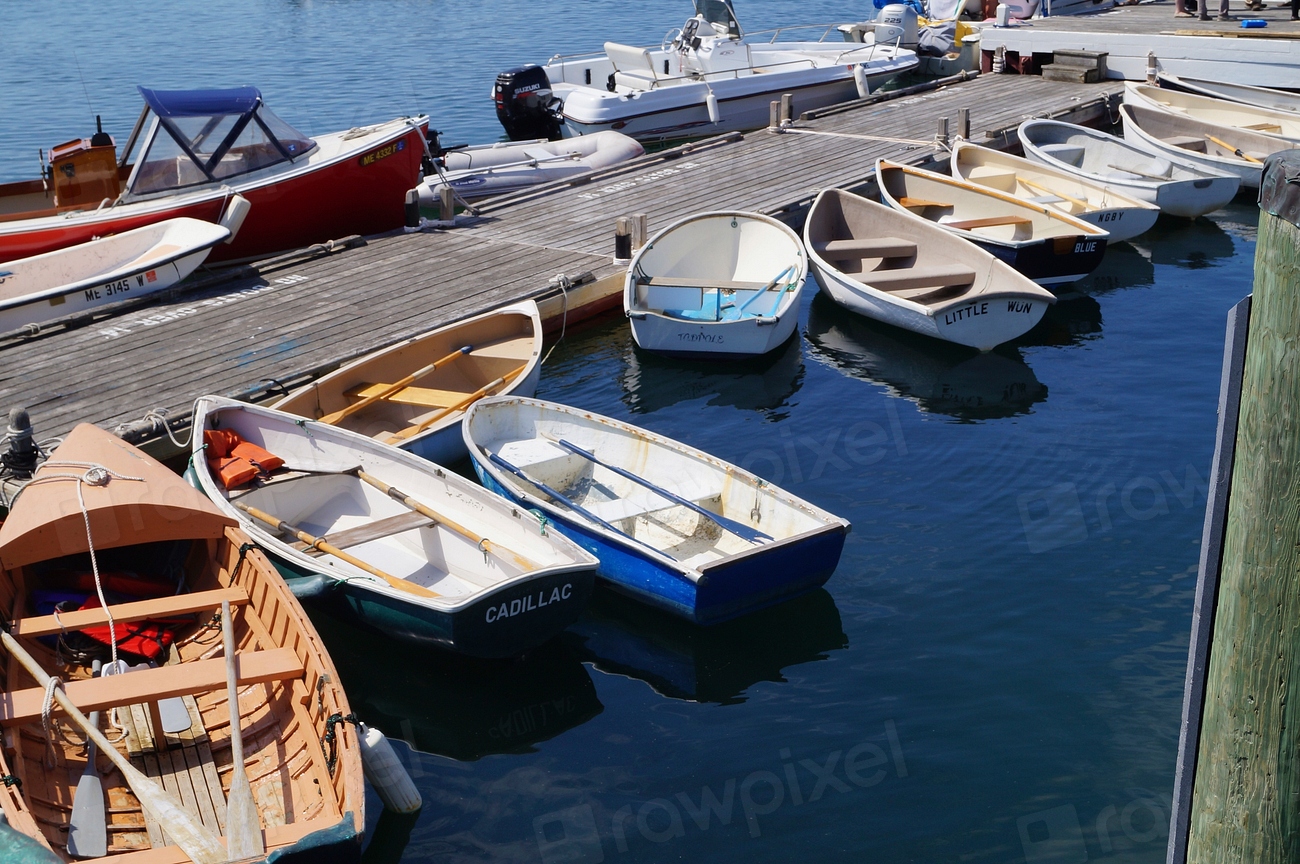

The Rush Is Real, But So Is the Wait
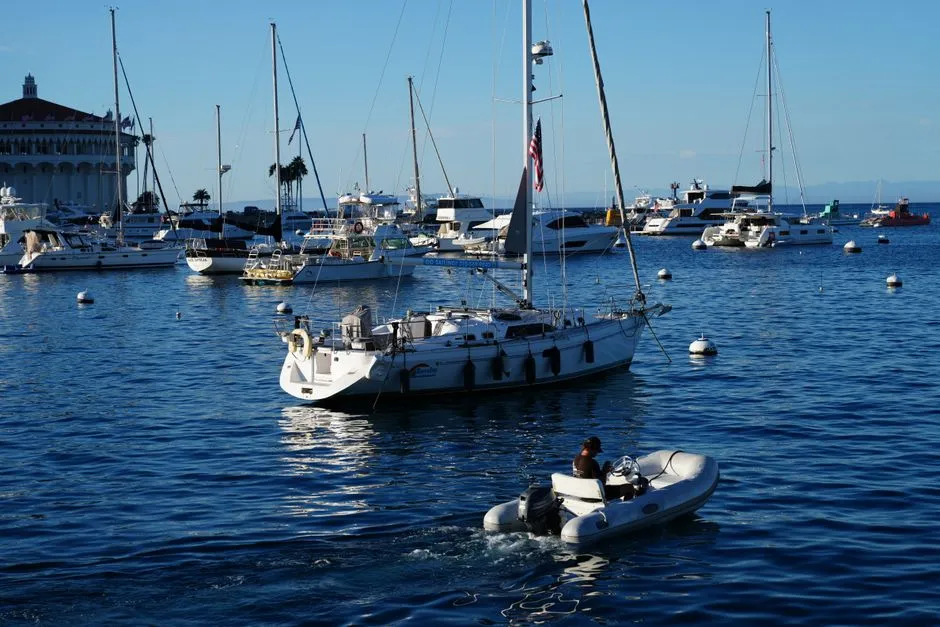
Because time in port is sometimes limited, a lot of people tend to rush to the meeting point on a tender port day, because they want to be first off the ship to give themselves the most amount of time to explore. That impulse is completely understandable. What gets overlooked is what’s waiting at the other end of that rush.
The entire process, from anchor drop to the end of the initial rush, can take anywhere between an hour to two or three hours if you’re on a large ship sailing at full capacity. That’s a meaningful chunk of any port day, and a good portion of it can be spent standing in a line rather than exploring.
Typically there are longer lines for the early tenders. In many cases you’ll go to a place like the theater to get assigned a tender boarding group, then wait for your group to be called. After the morning rush, they typically do away with that system and you can just go to the tender boarding area, where things are much less hectic, and you can avoid long lines if you wait an hour or so.
What Tender Boats Actually Are
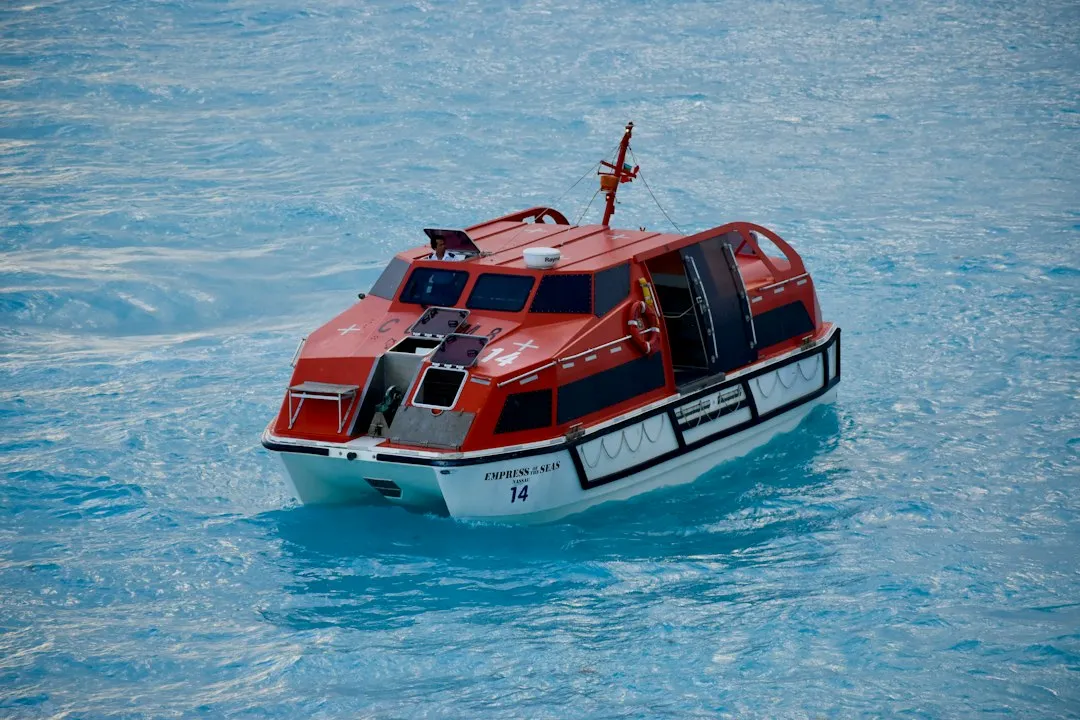
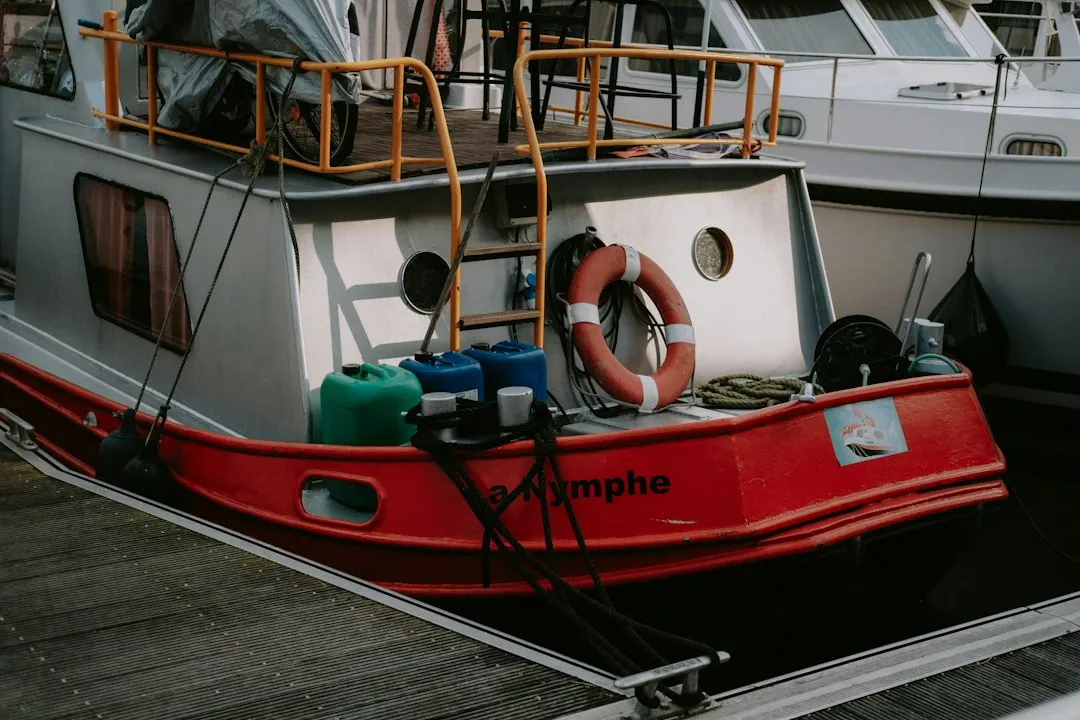
Tender boats are usually the ship’s own lifeboats repurposed for daily use, purpose-built shuttle boats, or in some cases inflatable Zodiac boats on expedition cruises. They’re functional, not luxurious, and designed to carry large numbers of passengers efficiently rather than comfortably.
Cruise ships use specially designed tender boats that can carry up to 200 passengers at a time, often the same vessels used as lifeboats in emergency situations. The boats typically seat around one hundred passengers and are covered for protection from the sun and sea spray.
The trip from ship to shore typically takes five to fifteen minutes, and tendering can add thirty to ninety minutes of waiting time compared to a docked port. That gap between expectation and reality surprises a lot of first-time cruisers.
Priority Boarding Doesn’t Mean What Most Passengers Think
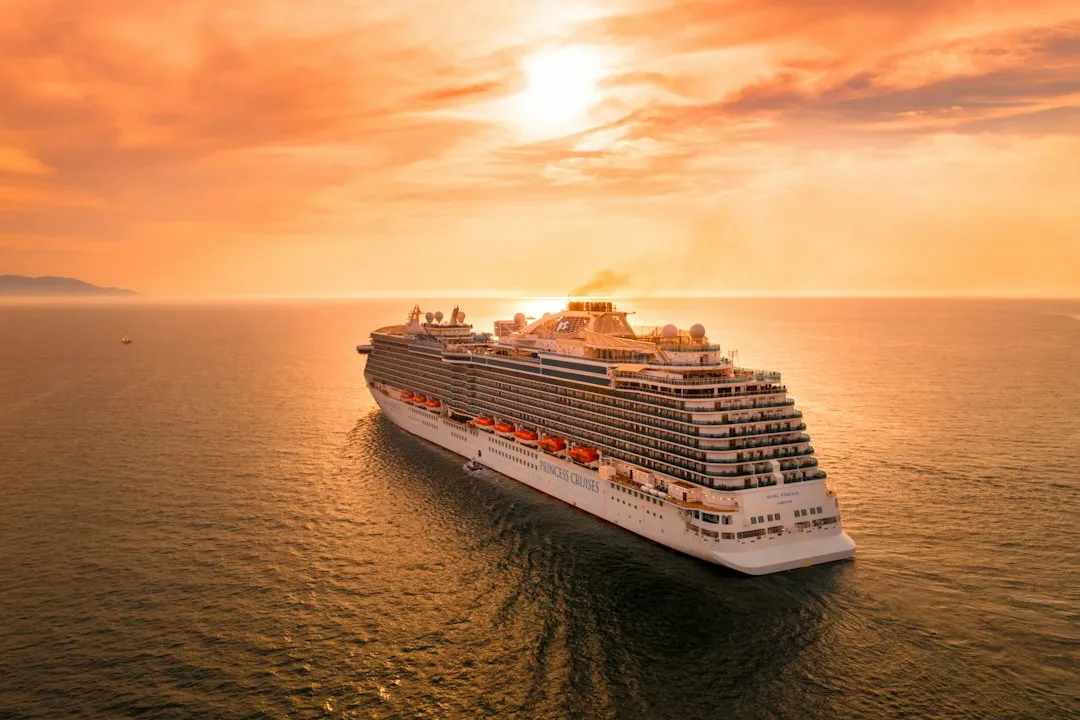
Suite guests, cruise line loyalty program members with top-tier status, cruisers booked on early departures of ship-sponsored tours, and other VIPs will often be allowed on the first tender boat departures ahead of regular passengers. For everyone else, the process is considerably less streamlined.
On most large ships, passengers need a ticket to board a tender, often distributed on a first-come, first-served basis or through a virtual queue on the cruise line’s app. Those booked on cruise line-organized shore excursions usually receive priority access, which can be an important consideration when planning independent excursions.
On larger mass market ships, even when passengers have priority, the process usually involves waiting and lines. With large mass market vessels, tendering can be a real hassle, especially for those not on cruise line excursions. Knowing this in advance gives independent travelers time to recalibrate their plans.
The Mid-Morning Sweet Spot

If there is no early excursion or specific plan, waiting an hour or two can help avoid peak congestion. Crew members who run tender operations day after day consistently point to mid-morning as the window when the process shifts from chaotic to calm.
If you don’t have priority access, either get your tender ticket as early as possible or wait until the initial rush has subsided. The lines are usually shortest mid-day. That’s a significant quality-of-life difference when you’re traveling with family, older companions, or anyone with mobility considerations.
You might want to make sure you get on the first tender ashore, but they run the tenders throughout the day, so why not take a leisurely breakfast while the ship is a little quieter, and then after an hour or two head down to catch a tender? It’s a perspective shift that costs nothing and gains a great deal.
Weather Can Strand Even the Earliest Arrivals

Being on one of the first tender boats and already ashore when tenders are temporarily suspended can mean having to seek shelter with no option to return to the ship until the weather improves. Other cruisers who waited on the ship until tender operations resumed around noon avoided that situation entirely.
High winds or rough seas can disrupt tender operations, potentially resulting in canceled port visits. This is something most passengers don’t factor into the early-rush calculus. Being first ashore offers no protection if conditions deteriorate quickly.
Tender crews are among the first to understand shifting sea conditions, and they watch the water long before passengers do. A little patience, especially in shoulder seasons or ports known for changeable weather, can mean staying dry and keeping your day intact.
The Santorini Problem Is a Case Study in Crowd Timing
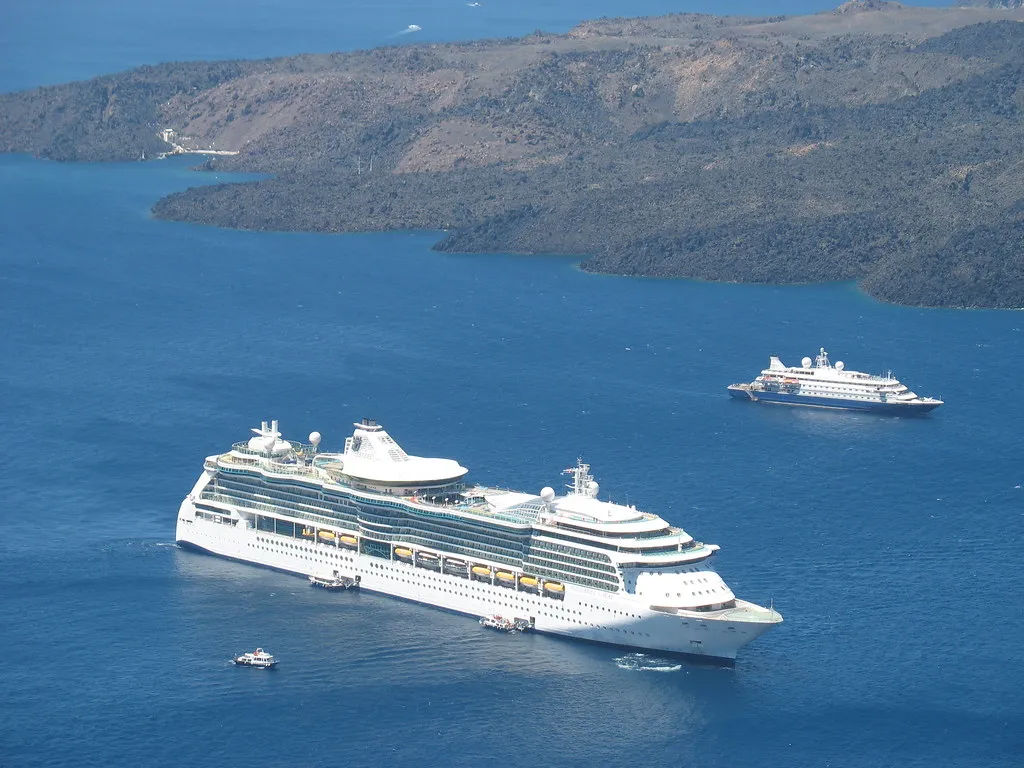
In 2024, Santorini saw up to 17,000 disembarking passengers per day, frequently overwhelming its infrastructure. That figure is staggering for an island of roughly 15,000 permanent residents, and it has forced authorities into action.
Santorini implemented new rules for cruise operations, limiting passenger disembarkation at the port of Athinios to thirty percent, down from the previous forty percent. The remaining seventy percent of cruise passengers must disembark at Ormos Fira pier. The ruling is based on civil protection measures related to the 2025 seismic activity crisis and aims to maintain clear spaces for emergencies while spreading visitors across the island.
New regulations that took effect in 2024 and 2025 to address overtourism allow only 500 people to be at the pier simultaneously. As a result, the tender boat service pauses its operation until the pier is clear, which might mean a longer wait on the boat but less waiting on the pier. This is the reality on the water right now, and it reshapes the logic of rushing to be first.
Large Ships Face Structurally Different Challenges
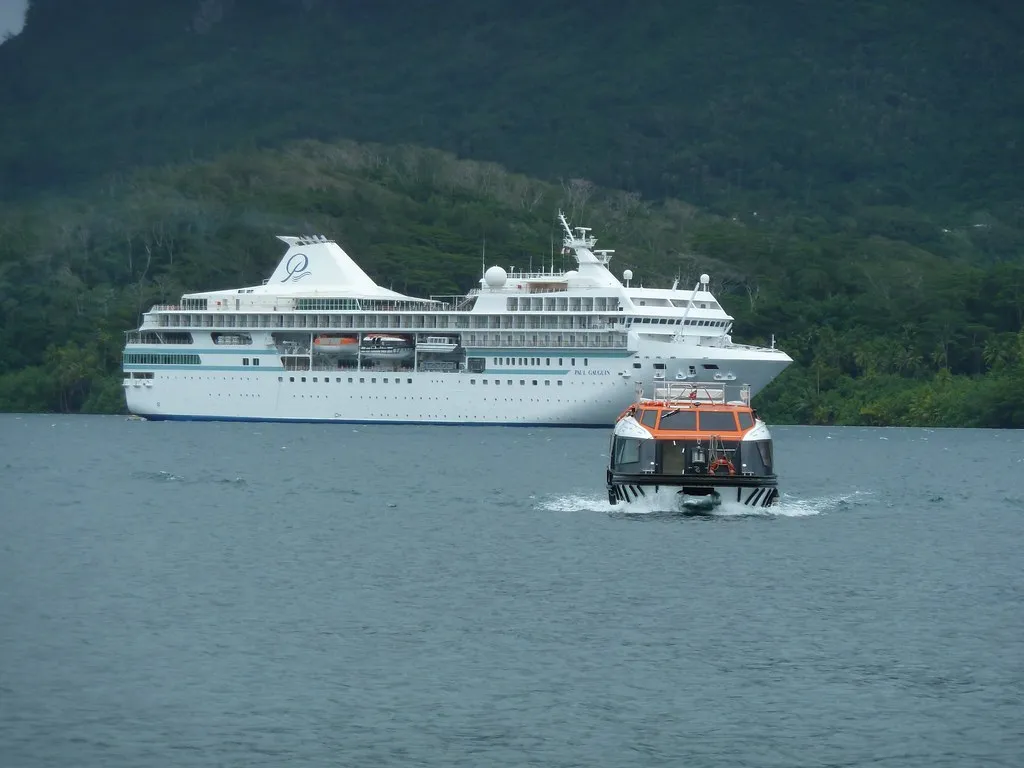
While tendering is a necessity in some ports, certain cruise lines handle the process more efficiently than others. Larger ships with thousands of passengers may experience delays, whereas smaller ships can move passengers ashore more quickly.
Luxury and small-ship lines such as Seabourn, Silversea, and Windstar operate smaller vessels, making tendering a faster and more personalized experience. On a ship of 300 passengers, being first isn’t a competitive event. On a ship of 4,000, it genuinely is.
Cruise lines that provide real-time updates on tender boat schedules and capacity via mobile apps have seen a fifteen percent reduction in passenger delays and missed tender departures. If your cruise line has an app with live tender updates, using it is probably the single most practical thing you can do on a tender port day.
Accessibility Concerns That Never Make the Brochure
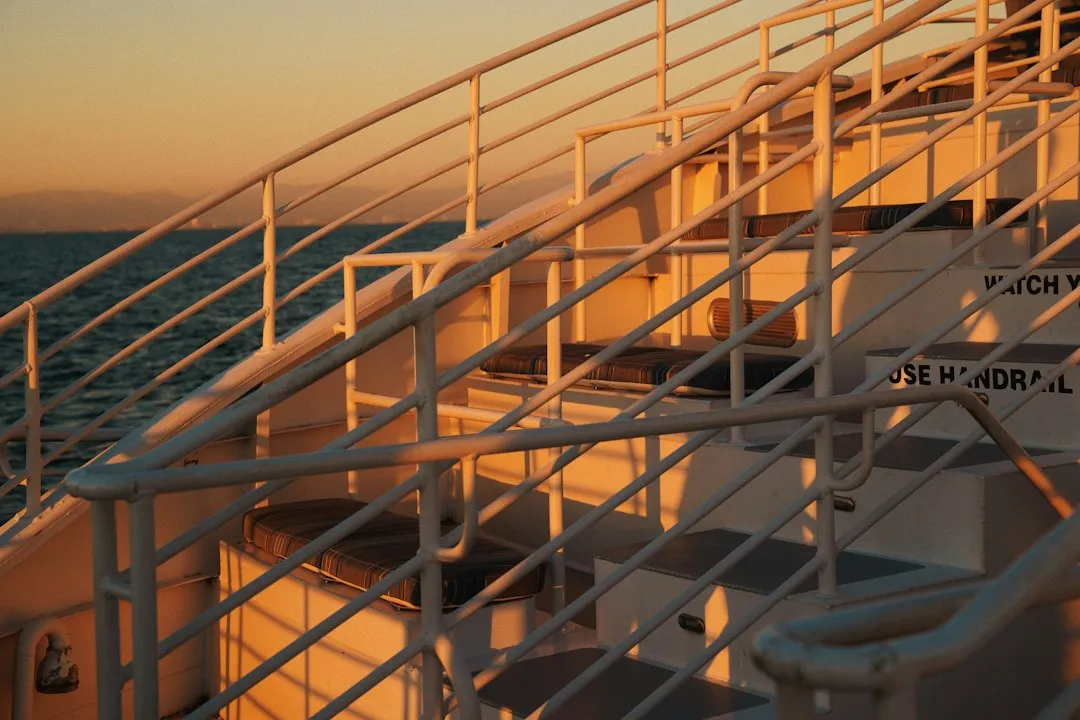
Tendering can be difficult for passengers with mobility challenges, as it often involves steep stairs or small platforms. During the morning rush, when decks are crowded and crew attention is spread thin, this can become genuinely stressful for anyone traveling with limited mobility.
A crew will be there to help, especially if mobility, such as wheelchair or crutches use, is a concern. However, getting that assistance is smoother and less pressured when the initial surge has passed. Tender crews consistently report that they can focus more attentively on passengers who need extra care when the rush has subsided.
Guests with mobility issues can face particular difficulty at cruise ship tender ports. If this applies to you or someone in your group, waiting for the mid-morning window is not just a preference. It’s genuinely the more practical and safer choice.
Returning to the Ship Deserves Equal Planning
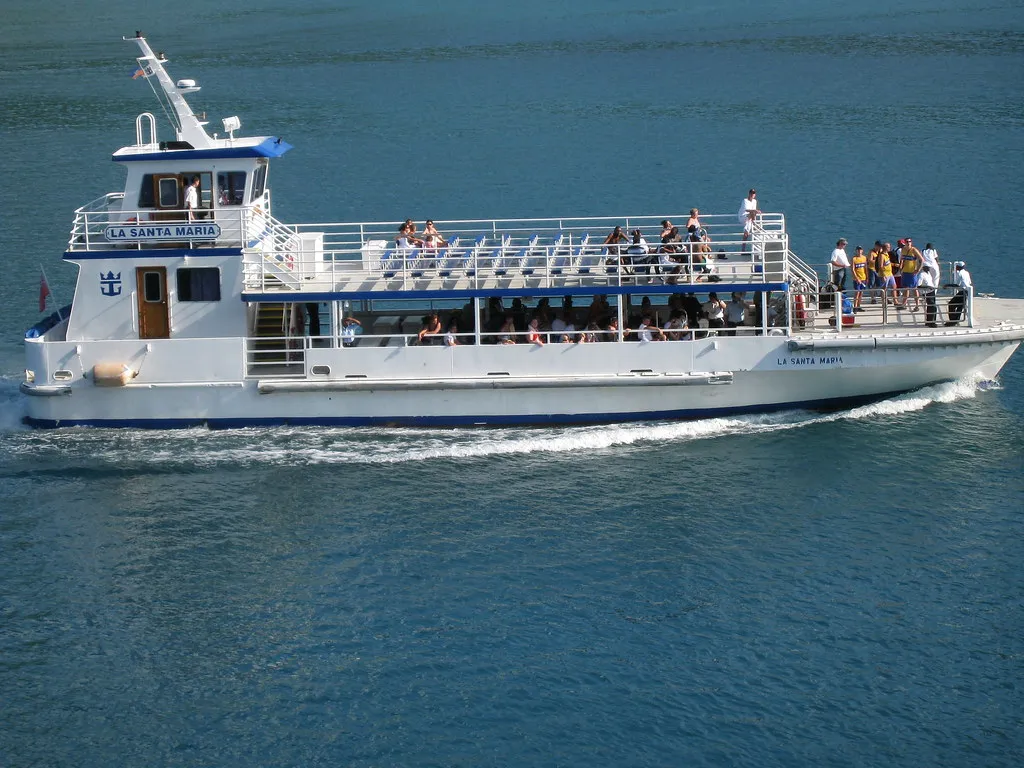
Your onboard time will differ from the last tender time. If you need to be back on board before a certain hour, that doesn’t mean getting in line for the tender at that hour. Often, the last tender will be an hour or so before all-aboard time, so you need to carefully check the time of the final tender and line up for it well before that time.
Always listen for ship announcements about the last tender back to avoid being left behind. Planning your return time to the cruise ship a few hours before the final tender departure can help avoid long waits and the rush of late-day crowds. The return rush can be just as intense as the morning one, often more so.
Tenders will run continuously during the ship’s advertised tender hours. The last tender boat time will be in your daily newsletter and on notice boards on the tender deck. Making a note of that time early in the morning, before you’ve had your coffee and before port excitement takes over, is one of the simplest habits that separates experienced cruisers from stressed ones.
What Tender Crews Actually Recommend
Cruise lines that provide clear instructions and signage for tender boat boarding and disembarkation have reported a twenty-five percent reduction in passenger confusion and delays. Following that guidance, rather than acting on instinct or herd behavior, is consistently what crew members point to as the single best thing passengers can do.
The process involves moving thousands of people on small boats. A little patience and a positive attitude go a long way. Tender crews say this not as a platitude but as a practical observation. Passengers who board calmly, seated themselves quickly, and followed instructions consistently have smoother, faster crossings.
Cruise lines maintain strict coordination with local port authorities and service providers to ensure the safety and readiness of tender boats and docking facilities. Information about tender schedules and any changes are communicated through a combination of announcements, digital apps, and crew instructions. While tendering may seem like a simple process from a passenger’s perspective, it involves significant planning and coordination behind the scenes.
The Takeaway
The first boats ashore carry a quiet promise: get there first, get the most. Tender boat crews, who run this process across hundreds of port days each season, tend to see it differently. The experience on shore is rarely better for the person who queued at dawn. Often it’s worse, because the streets are more crowded, the cable car lines are longer, and the atmosphere is frantic rather than open.
The smarter move, more often than not, is to let the rush clear. Have a proper breakfast. Check the app. Watch the water calm down. Then board a tender into a port that’s beginning to breathe again, rather than one that’s still catching its breath.
Patience on a tender port day isn’t resignation. It’s strategy.
AI Disclaimer: This article was created with the assistance of AI tools and reviewed by a human editor.